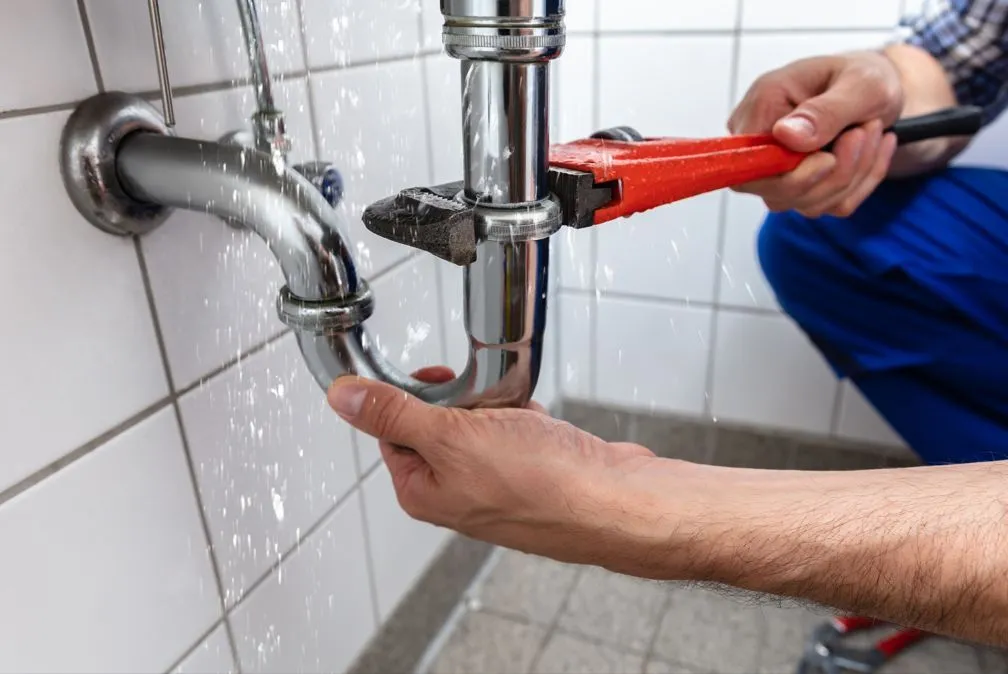
Plumbing technology in the United States has evolved significantly over the past few decades. Traditional copper and galvanized steel pipes have gradually been replaced in many homes with flexible alternatives. One of the most widely used materials today is PEX plumbing.
Table of Contents
ToggleSometimes spelled incorrectly as “pecks plumbing,” “pecs plumbing,” or “plex plumbing,” the correct term is PEX plumbing, which stands for cross-linked polyethylene. PEX pipes are flexible, durable, and widely used in residential water supply systems.
This in-depth overview explains PEX piping, how a PEX system works, advantages and disadvantages, installation methods, and why it has become common in American construction.
What Is PEX Plumbing?
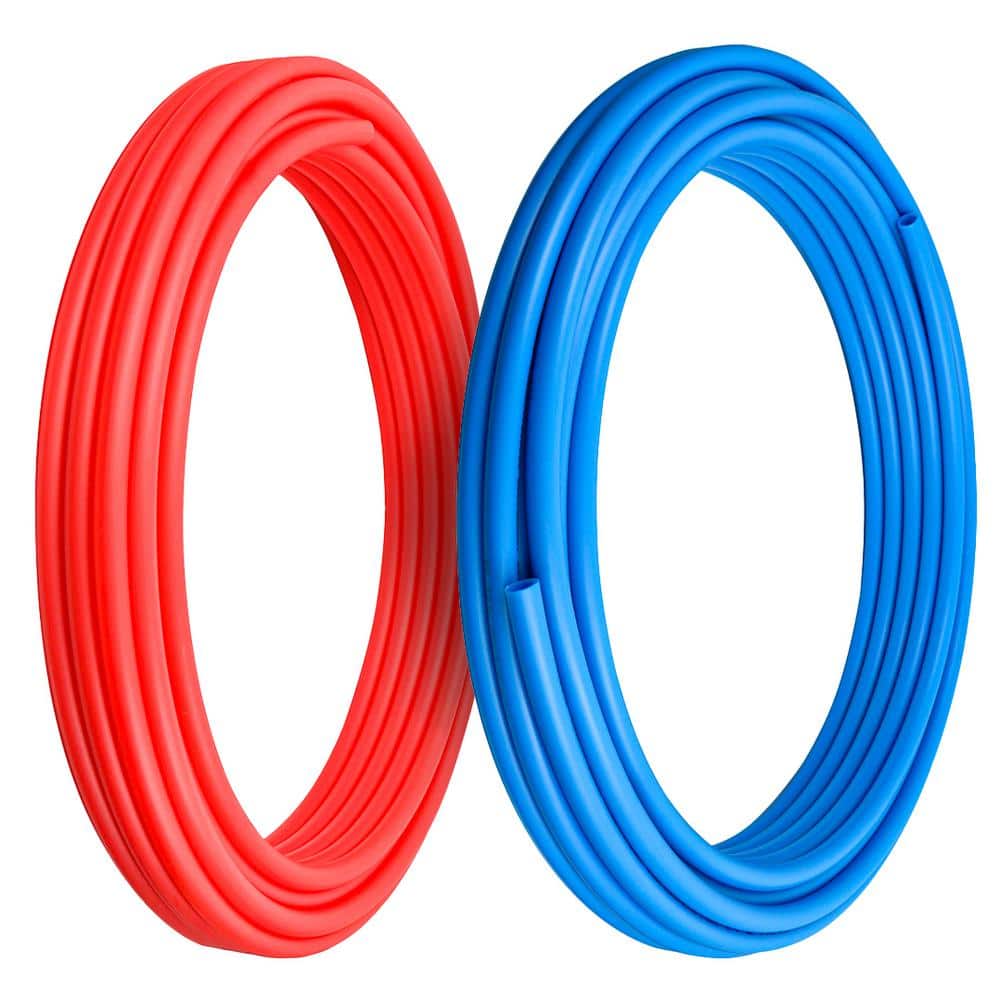
PEX plumbing refers to water supply systems made from cross-linked polyethylene tubing. Unlike rigid metal pipes, PEX pipe is flexible and can bend around corners without requiring as many fittings.
PEX pipes are typically color-coded:
-
Red – Hot water lines
-
Blue – Cold water lines
-
White or clear – General-purpose use
In new construction and remodeling projects across the United States, PEX plumbing systems are frequently used for:
-
Residential water supply lines
-
Radiant floor heating
-
Repiping older homes
-
Bathroom and kitchen renovations
History and Adoption in the United States
PEX piping has been used in Europe since the 1970s. It gained popularity in the United States in the 1990s as building codes evolved and plumbing technology advanced.
Organizations such as the International Association of Plumbing and Mechanical Officials and the International Code Council include PEX systems in their approved plumbing standards.
Today, PEX plumbing systems are widely accepted under U.S. residential building codes.
How a PEX System Works
A PEX system delivers water from the main supply line to fixtures throughout the home. There are two primary installation methods:
1. Trunk and Branch System
This method resembles traditional plumbing. A main water line runs through the house with smaller branch lines feeding individual fixtures.
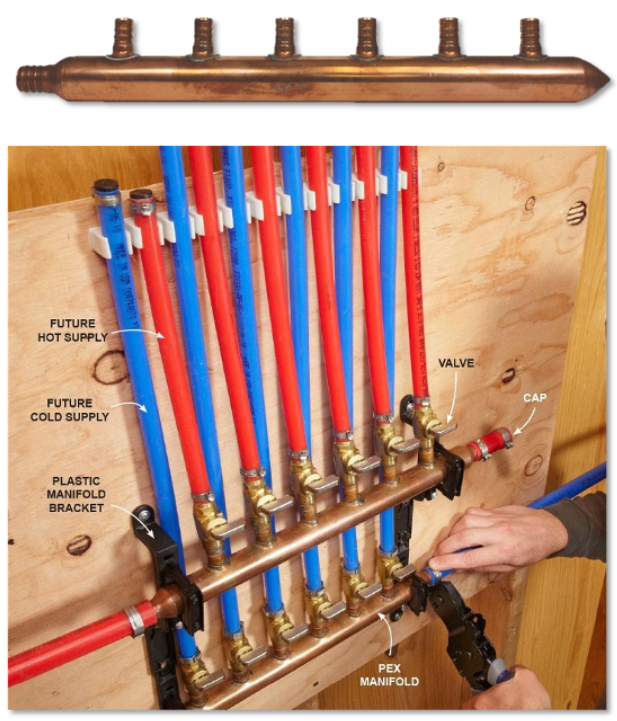
2. Manifold System (Home Run System)
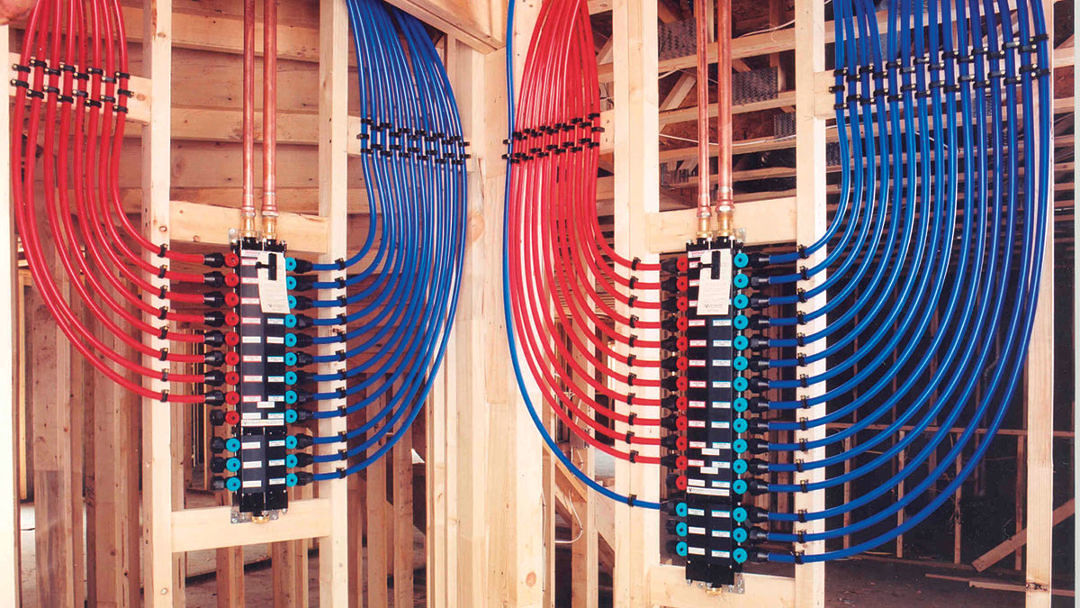
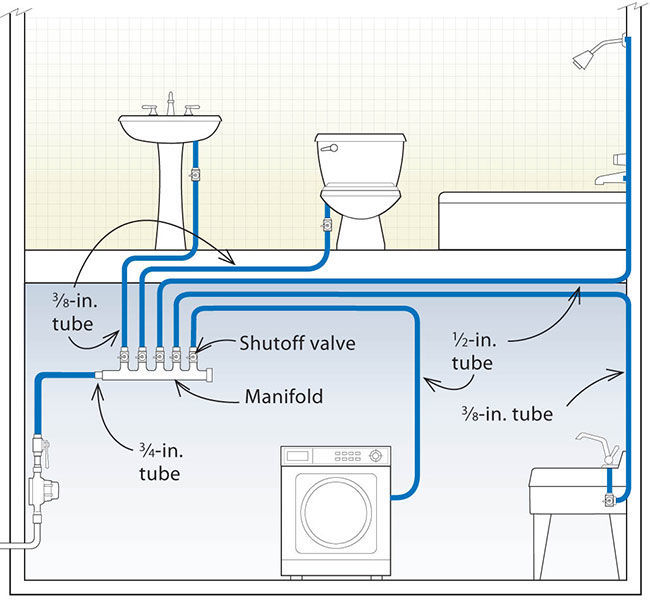
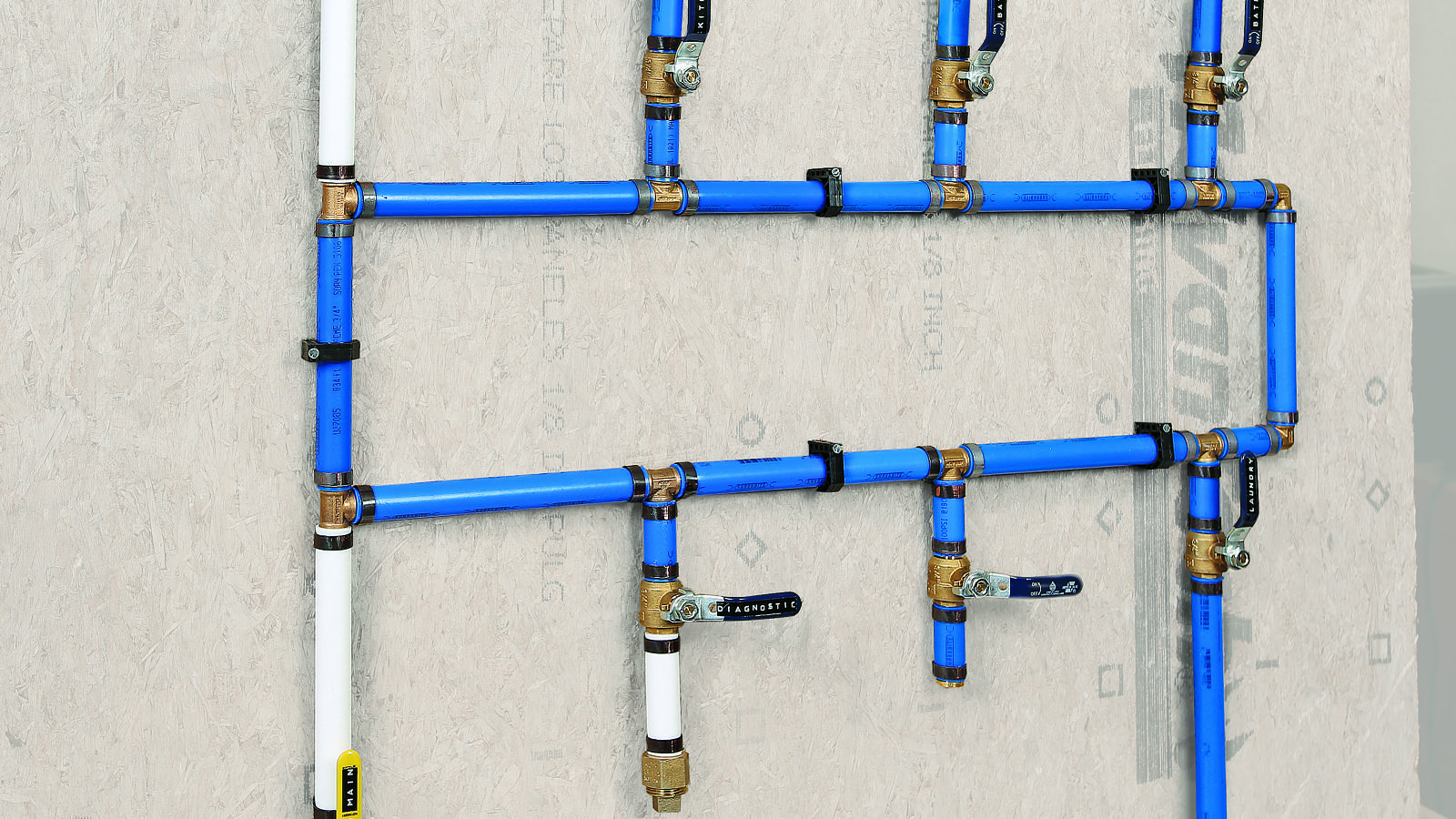
In a manifold system, each fixture has its own dedicated PEX pipe connected to a central control panel, similar to an electrical breaker panel.
Benefits of manifold systems include:
-
More consistent water pressure
-
Easier shutoff for individual fixtures
-
Reduced need for hidden connections
Many modern American homes use this design for improved efficiency and convenience.
Key Advantages of PEX Plumbing
PEX piping offers several advantages over copper or PVC systems.
1. Flexibility
PEX pipe can bend around corners, reducing the need for elbows and fittings. This lowers potential leak points.
2. Corrosion Resistance
Unlike copper or galvanized steel, PEX does not corrode or develop pinhole leaks due to acidic water.
3. Freeze Resistance
PEX pipes expand slightly if water freezes inside them, reducing the likelihood of bursting. However, they are not completely freeze-proof.
4. Cost-Effective Installation
PEX plumbing systems generally cost less to install than copper piping due to:
-
Lower material costs
-
Reduced labor time
-
Fewer fittings
5. Quiet Operation
PEX reduces water hammer noise because it absorbs pressure fluctuations better than rigid metal pipes.
Common Applications of PEX Piping
PEX systems are used in a variety of residential applications:
-
Whole-house water supply lines
-
Bathroom remodels
-
Kitchen plumbing upgrades
-
Radiant floor heating systems
-
Basement finishing projects
In colder states like Minnesota and Colorado, PEX is commonly used because of its improved resistance to freeze damage compared to copper.
Types of PEX Pipe
There are three main types of PEX pipe:
PEX-A
-
Most flexible
-
Uses expansion fittings
-
Often preferred for cold climates
PEX-B
-
Slightly more rigid
-
Uses crimp or clamp fittings
-
Widely available
PEX-C
-
Less common
-
More rigid than A and B
Each type meets plumbing code standards but may require different connection tools.
PEX Pipe Installation Methods
Installing PEX piping requires specialized tools depending on the system type.
Common connection methods include:
-
Crimp rings
-
Clamp rings
-
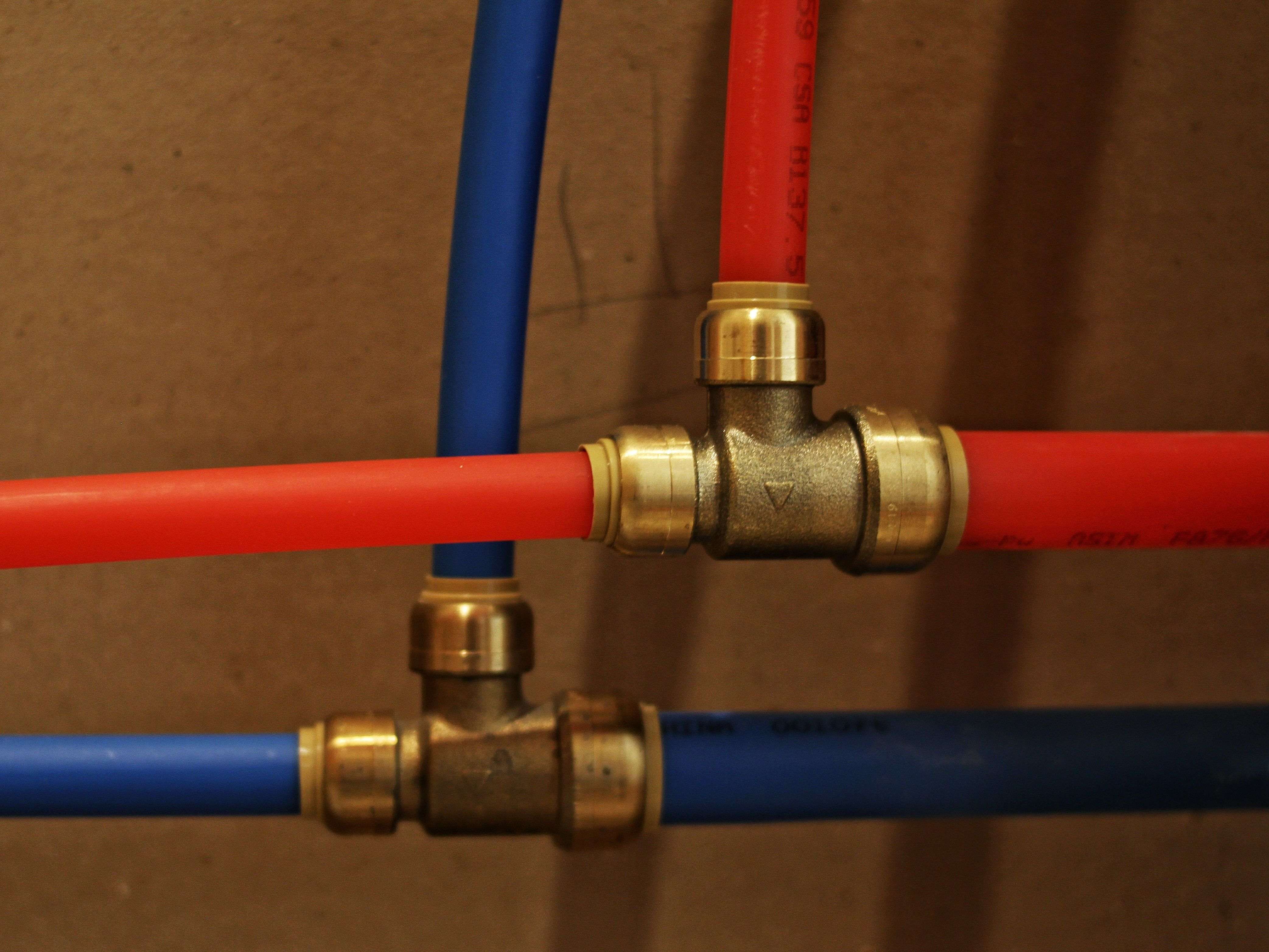
Push-fit fittings
-
Expansion fittings
Push-fit fittings are often used for small repairs, while crimp and expansion systems are common in full installations.
Professional plumbers typically use approved tools to ensure secure, leak-free connections.
Comparing PEX Plumbing to Copper
Many homeowners compare PEX plumbing systems to traditional copper piping.
Durability
Copper can last decades but may corrode in aggressive water conditions. PEX is resistant to corrosion but can degrade under UV exposure.
Cost
PEX is generally less expensive in both materials and labor.
Installation Speed
PEX installs faster due to flexibility and fewer required fittings.
Heat Resistance
Copper handles extremely high temperatures slightly better, but PEX is rated for standard residential hot water systems.
Potential Disadvantages of PEX
Although PEX piping offers many benefits, it has limitations.
1. UV Sensitivity
PEX should not be exposed to direct sunlight for long periods.
2. Rodent Damage
Rodents may chew PEX pipes if accessible.
3. Outdoor Use Restrictions
PEX is typically not approved for continuous outdoor exposure.
4. Chemical Concerns
Some homeowners inquire about chemical leaching. PEX products sold in the U.S. must meet safety standards set by regulatory organizations.
Building Codes and Compliance
PEX plumbing systems must meet local building codes. Most states adopt plumbing codes developed by the International Code Council.
Before installing PEX, homeowners should:
-
Confirm local code approval
-
Obtain necessary permits
-
Schedule inspections if required
Licensed plumbers are familiar with regional requirements.
Cost of PEX Plumbing in the USA
Costs vary based on home size and labor rates.
Average estimates:
-
PEX pipe: $0.50–$2.00 per linear foot
-
Whole-house repiping: $4,000–$12,000
-
Small bathroom repipe: $1,000–$3,000
Urban areas like Dallas or Seattle may have higher labor costs compared to rural regions.
Repiping Older Homes with PEX
Older homes with galvanized steel or polybutylene pipes may require repiping due to leaks or corrosion.
PEX piping is often selected because:
-
It can be threaded through walls with minimal demolition
-
It reduces labor time
-
It improves water pressure
Repiping can significantly improve reliability and water quality.
PEX for Radiant Heating Systems
PEX pipe is commonly used in radiant floor heating systems. Flexible tubing runs beneath flooring to circulate warm water.
Benefits include:
-
Even heat distribution
-
Energy efficiency
-
Reduced forced-air noise
Many energy-efficient homes in the United States utilize PEX for hydronic heating applications.
Maintenance and Longevity
PEX plumbing systems require minimal maintenance.
Expected lifespan:
-
40–50 years under normal conditions
Homeowners should still:
-
Inspect for visible damage
-
Protect pipes from UV exposure
-
Insulate pipes in cold climates
Regular plumbing inspections help detect potential issues early.
Environmental Considerations
PEX production uses petroleum-based materials, but its long lifespan and reduced leak risk may offset environmental concerns.
Compared to copper mining and processing, PEX manufacturing typically requires less energy.
Additionally, manifold systems reduce wasted water while waiting for hot water to reach fixtures.
Common Misunderstandings About PEX
Some confusion exists due to misspellings like pecks plumbing, pecs plumbing, or plex plumbing. These terms all refer to PEX plumbing systems.
Another misconception is that PEX is unsafe. In reality, approved PEX products meet U.S. safety standards and undergo rigorous testing.
When to Choose PEX Plumbing
PEX piping is suitable for:
-
New home construction
-
Full-house repiping
-
Bathroom and kitchen remodels
-
Radiant heating installations
-
Replacing aging galvanized systems
However, for exposed outdoor plumbing or commercial high-temperature applications, alternative materials may be required.
Professional Installation vs DIY
While small PEX repairs can be performed by experienced DIY homeowners, full PEX plumbing systems require:
-
Knowledge of local codes
-
Proper connection tools
-
Pressure testing
-
Inspection approval
Licensed plumbers ensure proper installation and compliance with state and municipal regulations.
Final Thoughts on PEX Plumbing Systems
PEX plumbing has become a standard solution in modern American homes. Its flexibility, corrosion resistance, and cost efficiency make it a practical choice for residential water supply systems.
Whether you are planning a full repiping project, installing a new PEX system, or upgrading outdated plumbing, understanding how PEX pipes function helps you make informed decisions.
As building practices continue to evolve across the United States, PEX piping remains a widely accepted and dependable option for safe, efficient water distribution.