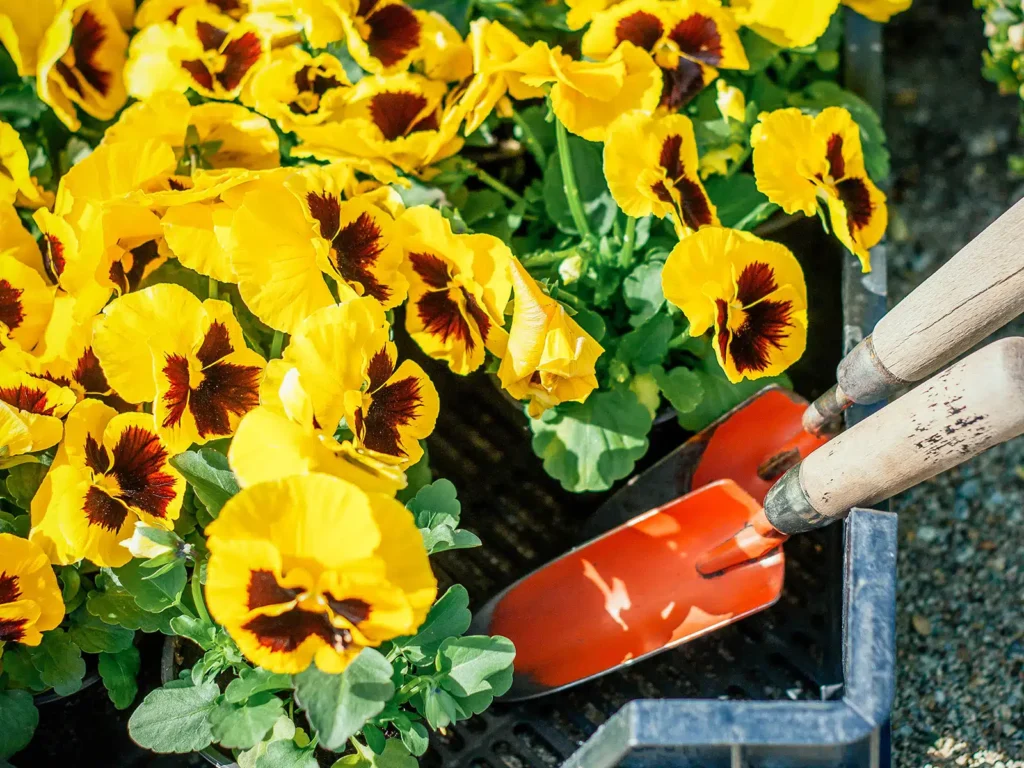
Petunia flowers are one of those plants that many people recognise instantly, even if they don’t know the name. They show up everywhere—front yards, hanging baskets, window boxes, patio containers, balcony rails, and public flower beds. Petunias are loved because they are bright, reliable, and can bloom heavily for months when cared for properly.
The petunia flower also suits different garden styles. You might see petunias in neat, formal borders, or spilling over rustic baskets and pots. Some petunia plants grow upright like small mounds, while others trail gracefully, creating a “waterfall” of blossoms. They come in nearly every colour, including deep shades like purple-black, which is why the black petunia has become such a popular choice.
In the UK and the USA, petunias are often planted as seasonal flowers, mainly through spring and summer. They are generally grown as annuals, which means they complete their life cycle in one season. However, in warmer climates, some petunia types can behave like tender perennials and may survive longer if protected from cold temperatures.
If you are searching online for petunia, petunias, or even the misspelled pitulia flower, you are likely looking for the same cheerful bloom. People also search for questions like what does a petunia look like, what kind of soil it needs, how much sun it prefers, and the best routine for petunia care. This article covers all of that in a clear, easy-to-follow way, while also exploring petunia varieties, colours, blooming habits, and common problems you might face.
What Is a Petunia?
A petunia is a flowering plant known for its trumpet-shaped blooms and long-lasting colour. Petunias are part of the Solanaceae family, which is the same family as tomatoes, peppers, and potatoes. Even though petunias look completely different from vegetables, they are related in plant classification.
Petunia plants can grow as:
-
Low mounds that spread across the soil like a carpet
-
Upright, bushy bedding plants
-
Trailing plants that spill over pots and baskets
The flowers themselves can be single, double, ruffled, or frilled depending on the variety. The petals are usually soft and velvety, giving them a smooth, delicate appearance. Petunia blooms also come in solid colours, bi-colours, striped designs, and patterns that look like stars.
When people talk about the flower of petunia, they often mean the showy bloom, but the plant itself is also attractive. Many petunias have slightly sticky green leaves and stems, and the overall growth looks full and lush when healthy.
What Does a Petunia Look Like?
One of the most common questions is: what does a petunia look like?
A typical petunia flower has:
-
A funnel or trumpet shape
-
Soft petals that flare outward
-
A bloom size ranging from small to large depending on type
-
A central throat that may be darker than the petal colour
Petunia plants usually have:
-
Green, slightly fuzzy or sticky leaves
-
Flexible stems (especially in trailing varieties)
-
A spreading habit that fills in containers and borders
Some petunia flowers have bold markings, such as:
-
White edges or “picotee” borders
-
Contrasting centres
-
Veins running through the petals
-
Stripes or star patterns
From a distance, petunias create a strong visual impact. Up close, you can see how different each variety can be, especially with modern hybrids bred for colour, shape, and continuous blooming.
Why Petunia Flowers Are So Popular in the UK and USA
Petunia flowers have remained popular for decades, and there are several reasons why:
1. Long Blooming Season
Petunias can bloom from late spring to the first frost in many areas. In the UK, this usually means late spring through early autumn. In many parts of the USA, they can bloom even longer in warmer regions.
2. Great for Pots and Hanging Baskets
Petunias are excellent for containers. Trailing petunias, especially, create a full “cascade” effect that looks impressive with minimal effort.
3. Many Colours and Styles
Petunia flowers come in a wide colour range, including soft pastels and intense jewel tones. If you want something rare and dramatic, black petunia varieties are a standout.
4. Easy to Combine with Other Plants
Petunias mix well with plants like:
-
Lobelia
-
Sweet alyssum
-
Verbena
-
Calibrachoa
-
Bacopa
-
Geraniums (pelargoniums)
-
Lavender in larger planters
The overall effect can be neat, colourful, and balanced with very little design experience.
Petunia vs Similar Flowers (So You Don’t Confuse Them)
Petunias are sometimes confused with other bedding flowers because of their shape and colour. Here are a few common look-alikes:
Petunia vs Calibrachoa
Calibrachoa is often called “Million Bells.” It looks like a smaller petunia with many tiny blooms. Calibrachoa usually requires slightly different feeding and tends to have a more compact flowering habit.
Petunia vs Surfinia
“Surfinia” is often used as a type name for trailing petunias, especially in Europe. These plants spread and trail heavily, making them ideal for baskets.
Petunia vs Morning Glory
Morning glory also has a trumpet shape, but it is a vine and grows very differently. Petunias do not climb like morning glory.
Knowing the difference helps when you shop for plants or read care labels at a garden centre.
Types of Petunias (Common Petunia Flowers You’ll See)
There are many petunia varieties, but most fall into a few major groups. These categories are useful because they tell you what kind of growth habit and flower size to expect.
1. Grandiflora Petunias
Grandiflora petunias have large flowers and a dramatic look. They are great for containers where blooms can be appreciated up close. However, large-flowered petunias may be more sensitive to heavy rain or strong wind.
Best for:
-
Pots
-
Patio containers
-
Sheltered locations
2. Multiflora Petunias
Multiflora petunias have smaller flowers compared to grandiflora types, but they usually produce more blooms. They often handle weather better and are dependable for flower beds.
Best for:
-
Flower borders
-
Garden beds
-
Mass planting
3. Milliflora Petunias
Milliflora petunias are compact plants with many small flowers. They are neat and tidy and work well where you want small-scale detail.
Best for:
-
Window boxes
-
Small containers
-
Mixed planters
4. Spreading or Trailing Petunias
These include popular types sometimes marketed as Wave petunias or ground-cover petunias. They spread quickly and can cover a large area with blooms.
Best for:
-
Hanging baskets
-
Large containers
-
Ground cover in sunny beds
These types are often chosen for public displays because they fill gaps quickly and bloom continuously.
Petunia Flower Colours (Including Black Petunia)
Petunia flowers are known for their wide colour selection. You can find petunias in:
-
White
-
Pink (from soft blush to hot magenta)
-
Red
-
Purple
-
Blue-toned shades
-
Yellow
-
Peach and salmon tones
-
Mixed patterns
The Unique Appeal of Black Petunia
The black petunia isn’t always truly pitch-black, but it comes close. Many black petunia varieties are actually extremely deep purple, burgundy, or dark velvet shades that appear black in certain light.
Black petunias are popular because they:
-
Look modern and bold
-
Contrast beautifully with white, yellow, or light pink flowers
-
Add drama to garden borders and patio pots
They also photograph well, making them a favourite for people who love garden photography or stylish container displays.
Petunias Flowers in Landscaping and Home Gardens
Petunia flowers can be used in many ways. Their versatility is one of the reasons they suit both beginner gardeners and experienced landscapers.
Petunias in Borders and Beds
Planting petunias in garden beds creates an instant burst of colour. They can be planted in lines, clusters, or mixed patterns. Many people use petunias as “bedding plants,” meaning they are planted closely to create solid blocks of colour.
Petunias in Hanging Baskets
Hanging baskets are one of the best ways to show trailing petunias. When they spill over the sides, they create a full and soft look.
Petunias in Window Boxes
Window boxes are common in the UK and many parts of the USA. Petunias work well because they bloom heavily and can drape over the edge without getting too messy when cared for.
Petunias in Patio Containers
In containers, petunias are easy to match with seasonal décor. For example:
-
White and purple petunias for a classic look
-
Pink and red petunias for a bold summer theme
-
Black petunia with silver foliage for a modern, dramatic effect
Petunia Care: The Basics That Matter Most
Petunia care is not complicated, but a few key habits make a big difference. If you want petunias flowers that keep blooming and looking fresh, these care points are essential.
Sunlight Requirements
Most petunias prefer:
-
Full sun for best blooming (at least 6 hours a day)
-
Light shade in very hot climates, especially during midday
In the UK, petunias often need as much sun as possible to flower continuously. In warmer parts of the USA, some afternoon shade can prevent stress, especially in peak summer.
Soil Needs
Petunias grow best in soil that is:
-
Well-draining
-
Light and crumbly
-
Rich in organic matter
In containers, always use good-quality compost or potting mix. Poor drainage is one of the fastest ways to harm petunias because soggy roots can lead to rot.
Watering Petunias
Watering depends on where petunias are planted:
In pots and baskets:
-
Water more often because containers dry out quickly
-
In hot weather, daily watering may be needed
-
Water deeply so roots can absorb moisture properly
In garden beds:
-
Water less frequently but more deeply
-
Let the top layer of soil dry slightly between waterings
A good habit is to water early in the day. This helps leaves dry out and reduces the risk of fungal problems.
Feeding and Fertilising
Petunias are heavy bloomers, and blooming takes energy. To keep flowers coming, petunias benefit from regular feeding.
For containers:
-
Use a liquid fertiliser every 1–2 weeks
-
Choose a fertiliser designed for flowering plants
For beds:
-
Mix compost or slow-release fertiliser into the soil at planting time
-
Supplement with occasional feeding if flowering slows down
If your petunia plants look green but stop producing blooms, feeding may be the solution.
Deadheading and Pruning
Many petunia varieties benefit from removing spent blooms. This is called deadheading, and it helps the plant focus energy on new flowers.
Some modern petunias are “self-cleaning,” meaning they drop old flowers on their own. Even with these varieties, light trimming is helpful.
If your petunias start looking leggy (long stems, fewer flowers), don’t worry. This is common mid-season.
Try this:
-
Cut back stems by one-third
-
Water well
-
Feed after trimming
Within 1–2 weeks, the plant often becomes bushier and blooms again.
The Best Time to Plant Petunias in the UK and USA
Timing matters because petunias are sensitive to frost.
Planting Time in the UK
In most of the UK, petunias are planted:
-
Late spring after the risk of frost
-
Often from May onwards
If you start petunias earlier, they must be protected in a greenhouse, conservatory, or indoors near bright light.
Planting Time in the USA
In the USA, planting time depends on your state and climate zone.
Many gardeners plant petunias:
-
In spring after the last frost date
-
Earlier in warmer southern states
-
Later in cooler northern regions
Petunias are often sold in garden centres as small plants (plug plants or starter plants) ready for transplanting.
Common Problems with Petunia Flowers (And What They Mean)
Even though petunia care is generally easy, petunias can run into a few common issues. Recognising problems early can save the plant.
1. Yellow Leaves
Yellowing leaves can happen due to:
-
Overwatering
-
Poor drainage
-
Lack of nutrients (especially nitrogen or iron)
-
Soil that is too alkaline in containers
Solution:
-
Check drainage
-
Reduce watering frequency
-
Feed with a balanced fertiliser
-
Consider a compost refresh in pots
2. Fewer Flowers Than Expected
If petunias stop blooming, it may be due to:
-
Not enough sunlight
-
Lack of feeding
-
Heat stress
-
Too much shade from other plants
Solution:
-
Move containers to sunnier areas
-
Feed regularly
-
Trim lightly to encourage branching
3. Leggy Growth
Petunias can become stretched out, especially in midsummer.
Solution:
-
Trim back long stems
-
Deadhead old blooms
-
Feed after pruning
4. Sticky Leaves and Stems
Petunias often feel slightly sticky. This is normal for many varieties. However, if you notice insects like aphids, that stickiness may increase due to pest activity.
5. Pests (Aphids, Slugs, Caterpillars)
Common pests include:
-
Aphids
-
Whiteflies
-
Slugs (especially in damp UK conditions)
-
Caterpillars in some areas of the USA
Solution:
-
Inspect plants regularly
-
Remove pests by hand where possible
-
Use gentle pest control methods suited to home gardens
-
Keep plants healthy so they recover quickly
Petunia Flowers and Weather: How They Handle Rain and Heat
Petunias are fairly tough, but weather can affect them.
Rain
Large-flowered petunias may get damaged during heavy rain. The flowers can look bruised or flattened.
If your area gets frequent rain:
-
Choose smaller-flowered or weather-resistant varieties
-
Place containers in sheltered areas during storms
-
Remove damaged blooms to refresh the plant
Heat
In hot parts of the USA, petunias may slow down during extreme heat. Some newer varieties handle heat better, but all petunias appreciate consistent moisture during hot spells.
If temperatures are high:
-
Water early in the day
-
Use mulch in beds to keep soil cooler
-
Avoid letting pots dry out fully
Petunias Indoors: Can They Grow Inside?
Petunias are mainly outdoor plants, but they can be grown indoors under the right conditions. Indoors, petunias usually need:
-
Bright sunlight near a window
-
Good airflow
-
Regular watering (without soggy soil)
However, petunias often bloom better outside because they prefer full sun and open air. If you want indoor flowers with a similar look, some people choose varieties of petunia grown in bright conservatories or sunrooms.
Petunias and Pollinators
Petunia flowers can attract pollinators such as:
-
Bees
-
Butterflies
-
Other beneficial insects
Some petunias with open, single blooms are easier for pollinators to access. This is a nice bonus if you are trying to make your garden more wildlife-friendly in both the UK and USA.
A garden with petunias can be a colourful space that also supports local biodiversity, especially when planted with other nectar-producing flowers.
Petunia Flowers in Seasonal Displays
Petunias fit into different seasonal planting themes. Here are a few ideas:
Spring to Summer Look
-
Pastel petunias (pink, lavender, white)
-
Mixed with lobelia and alyssum
Bold Summer Colour
-
Bright red and purple petunias
-
Mixed with verbena and geraniums
Modern Dark Contrast Theme
-
Black petunia paired with white petunias
-
Silver foliage plants for extra contrast
These combinations work well in patio pots and hanging baskets, especially in homes where outdoor décor is important.
Petunia Care in Containers: Small Details That Help
If you’re growing petunias in pots, planters, or baskets, these small details can improve results.
Choose the Right Pot Size
A pot that is too small dries out too quickly and limits root growth.
A good rule:
-
Use medium to large pots for fuller displays
-
Avoid overcrowding plants
Ensure Drainage Holes
Petunias dislike soggy roots. Always choose a container with drainage holes, and avoid leaving pots sitting in water.
Refresh Compost Mid-Season
In long summer seasons, compost in containers can lose nutrients. A light top-up with fresh compost and regular feeding can keep petunias healthy and blooming.
How to Keep Petunias Blooming Longer
To get the most out of your petunias flowers, focus on consistency rather than complicated routines.
Here’s what helps most:
-
Full sun for strong flowering
-
Regular watering, especially in containers
-
Feeding every 1–2 weeks in the growing season
-
Deadheading or trimming to prevent leggy growth
-
Removing tired stems to encourage fresh growth
When petunias look tired or thin, pruning can feel scary—but it often brings the plant back stronger.
Petunia Flower Meaning and Symbolism (A Simple Note)
Many people enjoy flowers not just for appearance but for what they represent. Petunias are sometimes associated with themes like comfort, calm feelings, and enjoying simple beauty. In home gardening culture, petunias often represent cheerful summer living—something you see in cottage gardens, patios, and family outdoor spaces.
While not everyone plants petunias for symbolism, it’s a nice reminder that flowers can be meaningful as well as decorative.
Petunias Flowers: A Reliable Choice for Colour All Season
Petunias remain one of the easiest and most rewarding flowering plants to grow in the UK and USA. Whether you love classic pink petunia flowers, bold purple blooms, or the dramatic effect of a black petunia, there is a variety that can suit almost any outdoor space.
The best part about petunias is that they do not require advanced gardening skills. With sunlight, watering, feeding, and occasional trimming, petunias can reward you with months of bright blooms. They work beautifully in borders, containers, hanging baskets, and window boxes, and they can turn even a small outdoor corner into a colourful seasonal display.
If you are building a garden for the first time, petunias are a strong starting point. If you already have experience, petunias are still worth growing because they deliver colour, texture, and versatility with minimal hassle. Their popularity is well-earned, and their cheerful blooms continue to make outdoor spaces feel welcoming all season long.