Periwinkle and vinca plants have long been valued for their adaptability, steady flowering habit, and ability to perform reliably in a wide range of garden settings. Across the UK and the USA, these plants are commonly used in borders, containers, and landscaped beds where consistent colour and low intervention are desired. Known for their glossy foliage and simple yet striking blooms, vinca flowers provide visual continuity throughout the warmer months.
Although the names periwinkle and vinca are often used interchangeably, they are associated with different growth habits and uses in horticulture. Understanding these distinctions helps clarify why vincas remain a common choice for annual planting schemes, while periwinkle also appears in groundcover and ornamental roles. This article explores vinca plants in detail, focusing on botanical background, growth patterns, flowering characteristics, and their role in modern gardens without adopting a promotional or instructional tone.
Botanical Background and Naming
The term vinca originates from Latin, meaning “to bind,” a reference to the plant’s spreading or trailing nature. In horticulture, vinca is widely associated with Catharanthus roseus, also known as vinca rosea or Madagascar periwinkle. This species is the most common form used as an annual bedding plant in the UK and the USA.
The name vinca Madagascar or vinca madagascar refers to the plant’s native origin on the island of Madagascar. From there, the plant spread globally due to its tolerance for heat, drought, and variable soil conditions. Over time, selective breeding has produced a wide range of colours and growth habits, making vincas a staple in ornamental planting.
True periwinkle plants, often associated with groundcover, belong to a different botanical grouping. However, in everyday gardening language, periwinkle is frequently used to describe vinca annual flowers plant types because of their similar flower shape and colour palette.
Growth Habit and Structural Characteristics
Vinca plants are generally compact, upright, and well-branched. Most annual vinca varieties reach heights of 25 to 45 centimetres, forming neat mounds that maintain their shape throughout the growing season. This growth habit makes them suitable for formal bedding designs as well as informal garden layouts.
The foliage of the vinca plant is one of its defining features. Leaves are oval, smooth-edged, and glossy, providing a consistent green backdrop for the flowers. In hot climates across parts of the USA, this waxy leaf surface helps reduce moisture loss, contributing to the plant’s reputation for resilience.
Unlike some flowering annuals that require frequent pruning or shaping, vincas maintain a balanced form naturally. This structural stability supports their widespread use in public landscapes, where uniform appearance and predictable performance are important.
Vinca Flowers and Seasonal Blooming

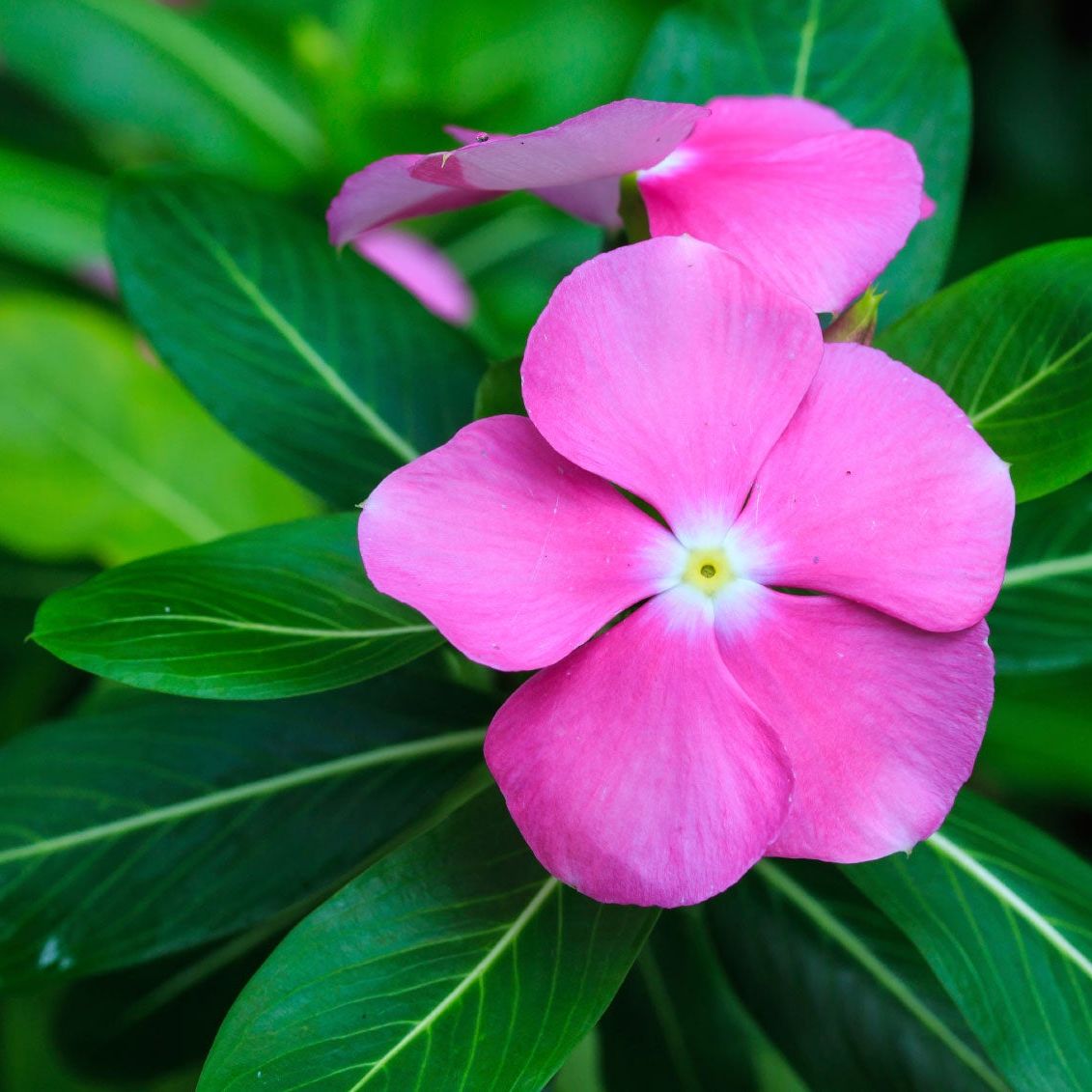
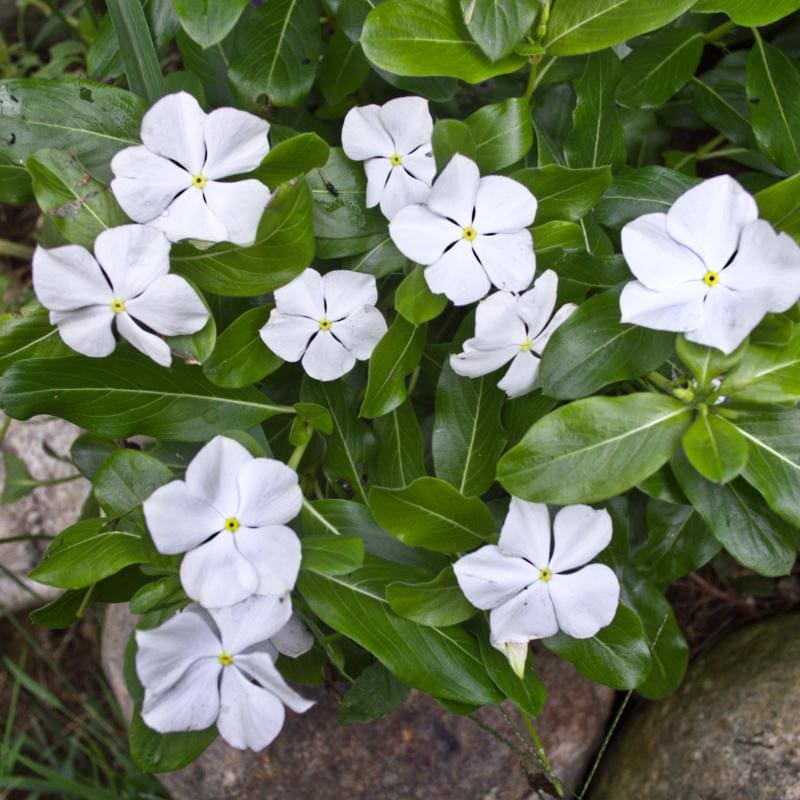
Vinca flowers are characterised by five overlapping petals arranged around a small central eye. The simplicity of the flower structure contributes to its visual clarity, allowing colour to stand out clearly from a distance. Common shades include white, soft pink, rose, lavender, magenta, and deep red, often with a contrasting centre.
Flowering typically begins in late spring and continues through summer into early autumn, depending on climate conditions. In both the UK and the USA, vinca annual flowers plant selections are valued for their ability to bloom consistently during periods of heat when other annuals may struggle.
Unlike perennials that flower in cycles, vincas produce blooms steadily rather than in dramatic flushes. This consistency supports their role as filler plants in mixed beds and containers, ensuring continuous colour throughout the season.
Annual Vinca and Climate Adaptability
Annual vinca plants are particularly well adapted to warm climates. Their natural tolerance for high temperatures and strong sunlight makes them a reliable choice in southern regions of the USA, as well as in sheltered, sunny locations in the UK.
Cool, wet conditions can slow growth, especially in early spring. However, once established, vincas adjust well to variable weather. Their preference for warmth explains why they perform best during mid to late summer, when soil temperatures are higher.
This climate adaptability also influences planting strategies. In the UK, vinca plants are often introduced after the risk of frost has passed, while in the USA, planting times vary by region. Despite these differences, the plant’s overall performance remains consistent across temperate and subtropical zones.
Soil Preferences and Root Development
Vinca plants thrive in well-drained soil, a characteristic that aligns with their origin in sandy and rocky environments. Heavy or compacted soils can restrict root development, leading to reduced growth and flowering. In many UK gardens, improving drainage with organic matter or grit supports healthier plants.
The root system of vinca is relatively fine but efficient, allowing the plant to access moisture without becoming overly dependent on frequent watering. This feature contributes to the plant’s drought tolerance once established.
In landscaped areas and containers, soil structure plays a significant role in plant longevity. Free-draining composts and raised beds are commonly used to ensure consistent performance throughout the growing season.
Light Requirements and Garden Placement
Sunlight is a key factor influencing vinca flower production. Most vinca plants perform best in full sun, where they receive at least six hours of direct light each day. In these conditions, flowering is more abundant, and plant form remains compact.
Partial shade is tolerated, particularly in hotter regions of the USA where afternoon sun can be intense. In the UK, planting vincas in the sunniest available locations generally produces the best results, especially during cooler summers.
Garden placement often reflects the plant’s role within the landscape. Vincas are frequently used at the front of borders, along pathways, or in mass plantings where their uniform height and steady flowering create visual cohesion.
Colour Variation and Design Use
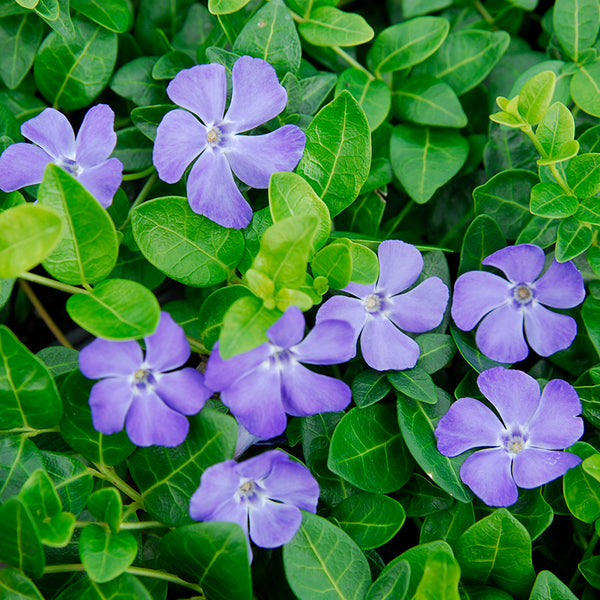
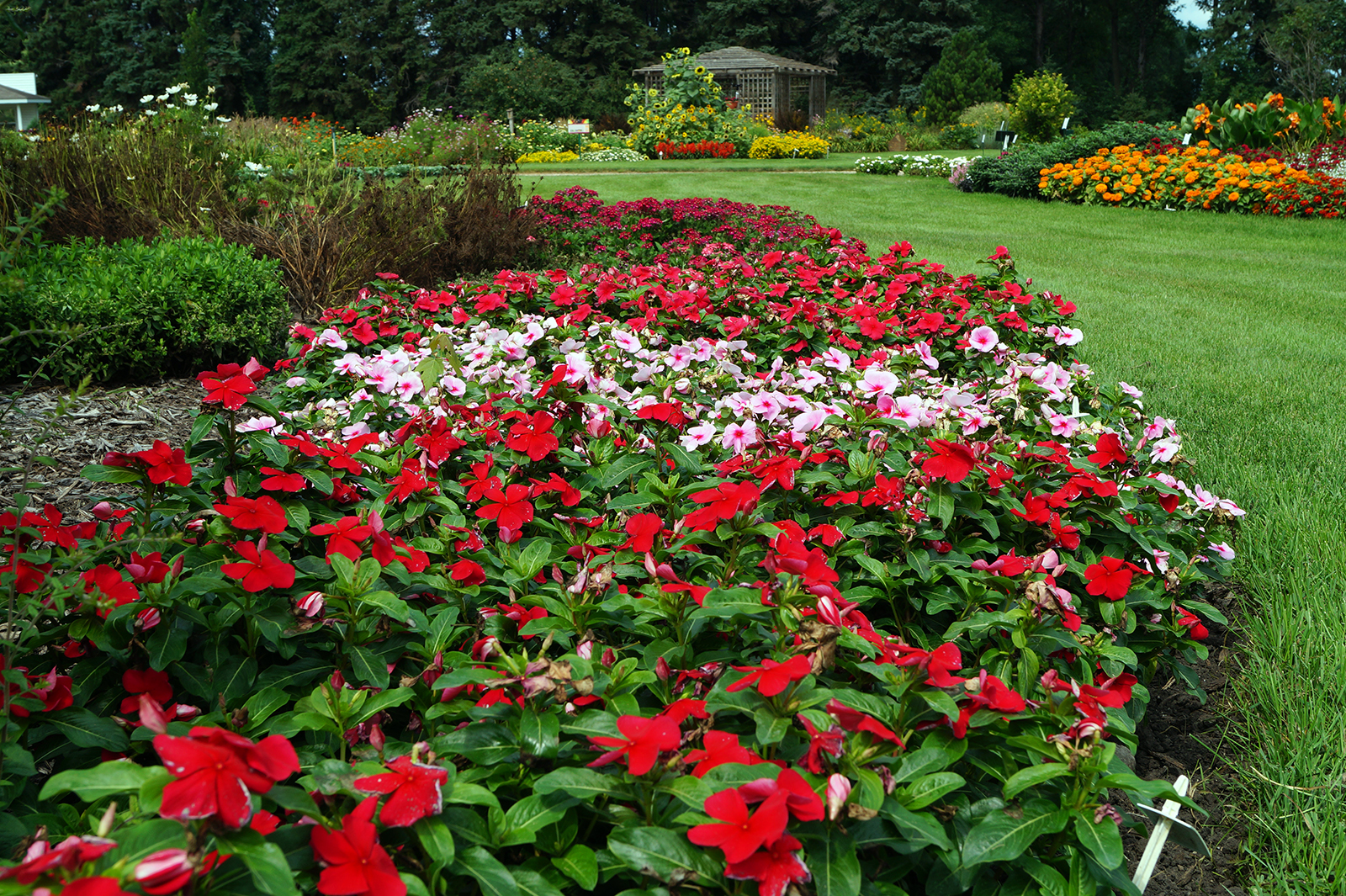
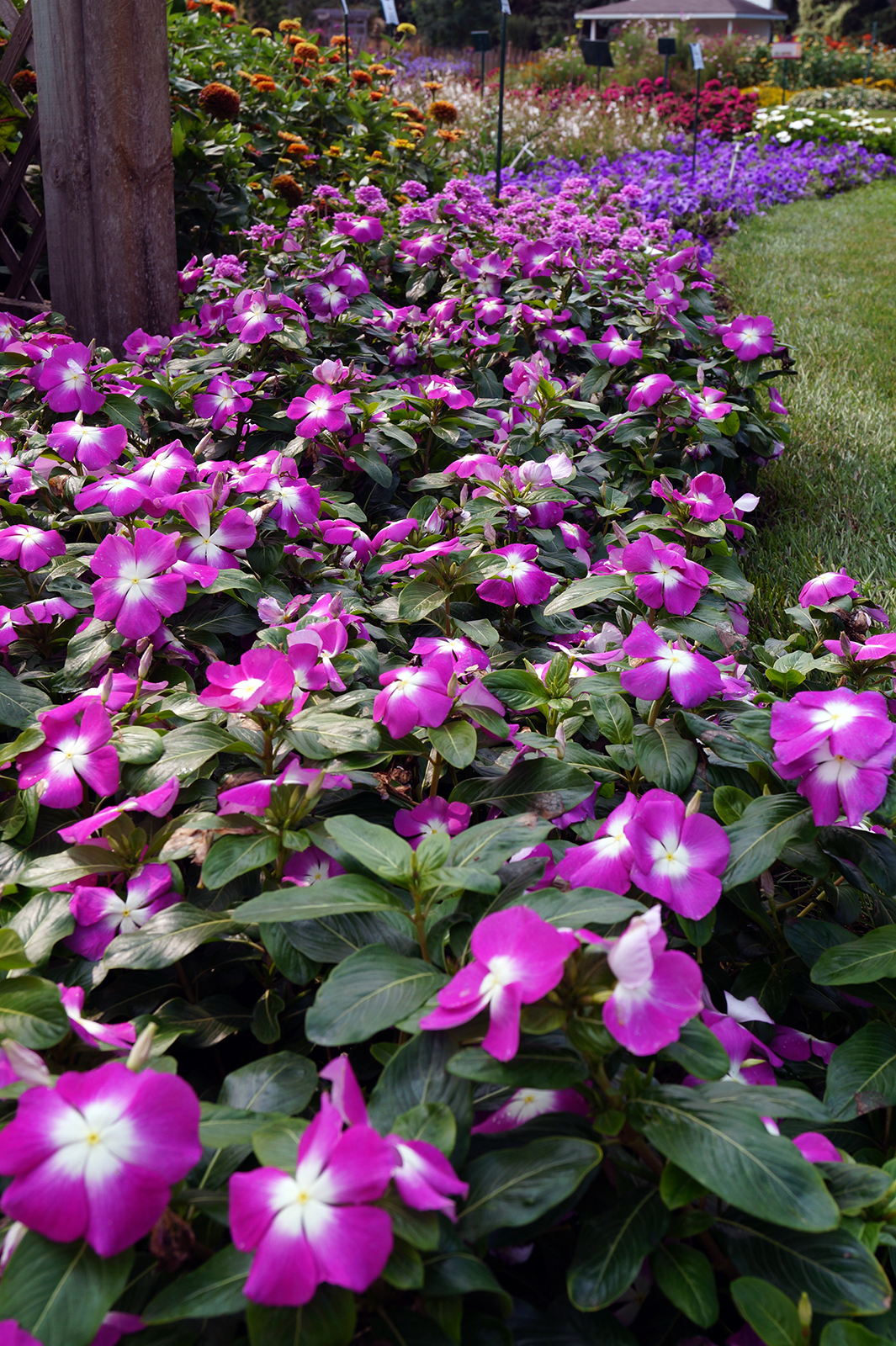
The colour range of vinca flowers supports diverse design approaches. Soft pastel shades blend well with ornamental grasses and pale-foliaged plants, while brighter colours provide contrast against darker greenery. The classic periwinkle shade, a blend of blue and violet tones, remains a popular choice for calming garden compositions.
Colour selection can also influence visual temperature within a landscape. Cooler shades are often used to create a sense of depth, while warmer hues draw attention and create focal points. In public and residential gardens alike, vincas are frequently planted in large groups to enhance colour impact.
In containers, combining different vinca colours adds texture and interest without overwhelming the space. This versatility contributes to the plant’s continued relevance in both traditional and contemporary garden styles.
Vinca Rosea and Cultivated Varieties
The term vinca rosea is commonly used in reference to Catharanthus roseus and reflects the plant’s historical naming. Modern cultivated varieties have expanded far beyond the original pink-flowered forms, offering improved disease resistance and more compact growth.
Some varieties are bred specifically for uniform height and early flowering, making them suitable for bedding displays. Others focus on enhanced colour saturation or distinctive eye patterns at the centre of the flower. Despite these differences, overall care and growth habits remain similar across cultivated vincas.
In both the UK and the USA, plant breeders continue to develop new selections to meet changing landscape needs, including tolerance to humidity and resistance to soil-borne diseases.
Relationship Between Periwinkle and Vinca
The overlapping use of the terms periwinkle and vinca can cause confusion. In everyday gardening language, periwinkle often refers to the flower colour or general appearance rather than strict botanical classification. This is particularly true in retail and informal contexts.
True periwinkle species are typically perennial and used as groundcover, while annual vinca plants are grown primarily for seasonal colour. Despite these differences, the visual similarity of the flowers has led to shared naming conventions.
Understanding this relationship helps clarify plant selection, especially when choosing between long-term groundcover solutions and seasonal bedding plants.
Maintenance and General Care Considerations
Vinca plants are valued for their relatively low maintenance requirements. Once established, they require minimal intervention beyond occasional watering during prolonged dry periods. This characteristic makes them suitable for large-scale plantings and low-input garden designs.
Deadheading is generally unnecessary, as spent flowers drop naturally and are quickly replaced by new blooms. This self-cleaning habit contributes to the plant’s tidy appearance throughout the season.
In terms of longevity, annual vinca plants complete their life cycle within a single growing season. However, their extended flowering period ensures consistent garden interest until the onset of cooler weather.
Use in Containers and Urban Landscapes
In urban environments across the UK and the USA, vinca plants are frequently used in containers, window boxes, and raised planters. Their tolerance for heat and reflective surfaces makes them well suited to paved areas and balconies.
Container-grown vincas benefit from good drainage and adequate sunlight. Their compact growth habit allows them to be combined with other annuals or displayed as single-species arrangements for a clean, structured look.
In public landscapes, vincas are often chosen for their predictable performance and resistance to environmental stress. Roadside plantings, commercial properties, and municipal displays commonly feature vinca flowers due to their reliability.
Ecological and Cultural Context
Although primarily valued for ornamental use, vinca plants also contribute modestly to garden ecosystems. Their flowers attract pollinating insects, including bees and butterflies, particularly during periods when other nectar sources are limited.
Culturally, periwinkle and vinca flowers have been associated with endurance and continuity, reflecting their ability to flower steadily under challenging conditions. This symbolic connection aligns with their practical role in sustaining colour throughout the summer months.
In modern gardening, vincas represent a balance between visual appeal and functional resilience, qualities that align with contemporary approaches to landscape design.
Longevity, Performance, and Seasonal Transition
As annual plants, vincas complete their life cycle within one year. However, their performance during that time is notable for its consistency. From early summer until autumn, vinca flowers remain a constant presence in gardens, maintaining colour even during heatwaves.
As temperatures drop in autumn, growth slows, and flowering gradually declines. In the UK, this transition often coincides with the first frosts, while in warmer parts of the USA, vincas may continue flowering for longer.
This predictable seasonal pattern allows gardeners and landscape designers to plan transitions to autumn planting schemes with minimal disruption.
Conclusion
Periwinkle and vinca plants continue to hold an important place in gardens across the UK and the USA. As annual vinca flowers plant selections, they offer dependable colour, tidy growth, and adaptability to warm, sunny conditions. Their association with Catharanthus roseus highlights a botanical history rooted in resilience and versatility.
From compact borders to expansive public landscapes, vincas provide visual continuity without demanding intensive maintenance. Their broad colour range, steady flowering, and ability to perform in challenging conditions ensure their continued relevance in contemporary horticulture.
Whether referred to as periwinkle, vinca rosea, or annual vinca, these plants represent a practical and enduring choice for seasonal planting, supporting gardens that value reliability, structure, and long-lasting visual interest.