Concerns about indoor mold often arise quietly. A persistent musty smell, unexplained health symptoms, or visible staining on walls can prompt people to search for mold testing cost or how much does a mold inspection cost. In both the UK and the USA, mold is a common issue in residential and commercial buildings, particularly where moisture control is inconsistent.

Understanding the cost of mold inspection and testing requires more than looking at a single price range. Costs vary depending on property size, inspection depth, testing methods, and local regulations. This article explains mold testing and mold assessment costs in a clear, practical way, helping property owners understand what they are paying for and why prices differ.
The tone here is informational rather than alarmist or promotional, focusing on realistic expectations for UK and US properties.
What Mold Testing and Mold Inspection Actually Mean
Before discussing mold test price or mold inspection cost, it is important to understand the difference between inspection, testing, and assessment.
A mold inspection typically involves a visual examination of the property, looking for signs of mold growth, moisture intrusion, and conditions that support mold. This may include checking walls, ceilings, basements, lofts, bathrooms, and HVAC systems.
Mold testing, on the other hand, involves collecting samples to identify the presence, type, and concentration of mold spores. Testing may include air samples, surface swabs, or material samples.
A mold assessment is a broader process that may include inspection, testing, moisture analysis, and reporting. This is why mold assessment cost is often higher than a basic inspection.
Professional standards for these services are influenced by organisations such as the Environmental Protection Agency and the Chartered Institute of Environmental Health, both of which emphasise moisture control as the root issue behind most mold problems.
Why People Request Mold Testing
Property owners usually seek mold evaluation for one or more of the following reasons:
-
Visible mold growth on walls, ceilings, or furnishings
-
Persistent damp or musty odours
-
Recent flooding or water leaks
-
Health concerns such as respiratory irritation or allergies
-
Property transactions requiring environmental checks
In rental properties, mold inspections are sometimes requested to document conditions for dispute resolution or compliance with housing standards.
Average Mold Testing Cost Ranges
While exact figures vary, understanding typical ranges helps answer questions like how much does mold testing cost or how much is a mold inspection.
In the USA, basic mold inspection costs often fall within a moderate range for standard homes, with prices increasing as testing complexity rises. In the UK, costs may appear slightly lower for visual inspections but can increase with laboratory testing and detailed reporting.
It is important to note that extremely low prices often indicate limited scope, such as a quick visual check without sampling or moisture analysis.
Factors That Influence Mold Inspection Cost
Several variables affect the cost of mold inspection and testing.
Property Size and Layout
Larger properties take longer to inspect and may require more sampling points. A small flat typically costs less to assess than a multi-storey house or commercial building.
Number of Samples Collected
Each air or surface sample adds to the mold test price. Laboratories charge per sample, which directly impacts total cost.
Type of Testing Used
Different testing methods vary in complexity and expense:
-
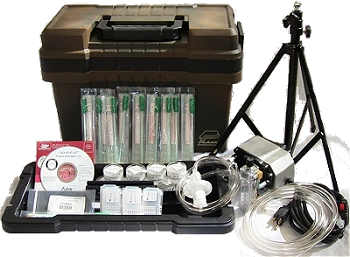
Air sampling measures airborne mold spores
-
Surface sampling identifies mold on visible areas
-
Bulk sampling tests materials such as drywall or carpet
Air sampling generally costs more due to equipment and lab analysis.
Accessibility of Affected Areas
Mold located in lofts, crawl spaces, or behind walls requires additional time and tools, increasing mold evaluation cost.
Mold Assessment Cost vs Mold Inspection Cost
Many people use these terms interchangeably, but there is a meaningful difference.
A mold inspection usually focuses on identifying visible mold and moisture sources. A mold assessment includes interpretation of test results, identification of underlying causes, and recommendations for remediation.
This distinction explains why mold assessment cost is higher than basic inspection pricing. The additional analysis provides context rather than raw data alone.
Mold Testing in the Context of Property Transactions
In both the UK and the USA, mold testing sometimes arises during property sales. Buyers may request testing if there are signs of dampness or previous water damage.
Surveyors and inspectors may recommend mold evaluation as a follow-up rather than a standard requirement. In such cases, testing cost is often considered part of due diligence rather than mandatory compliance.
Guidance from bodies such as the Royal Institution of Chartered Surveyors highlights the importance of distinguishing between cosmetic damp issues and conditions that could affect building integrity.
Health Concerns and Mold Testing Decisions
Health concerns often drive interest in how much it costs to test for mold. While mold exposure can aggravate respiratory conditions, professional organisations caution against assuming health risk based solely on the presence of mold.
The Centers for Disease Control and Prevention notes that identifying and correcting moisture problems is more important than identifying specific mold species in many cases.
As a result, some inspections focus more on moisture detection than extensive laboratory testing, which can influence overall cost.
Mold Inspection Cost in Rental Properties
In rental housing, mold inspections may be requested by tenants or landlords. In the UK, local councils can become involved if mold affects habitability. In the USA, landlord obligations vary by state.
Who pays for mold inspection depends on tenancy agreements and local regulations. This uncertainty sometimes leads to disputes, making clear documentation from inspections particularly valuable.
Equipment Used During Mold Inspections
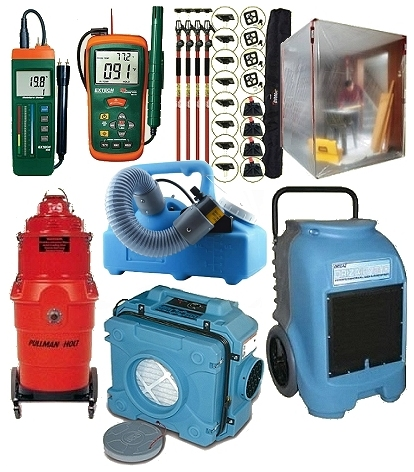
Professional mold inspectors use specialised tools that contribute to inspection cost:
-
Moisture meters for walls and floors
-
Hygrometers to measure humidity
-
Air sampling pumps
-
Infrared cameras to detect hidden moisture
The use of advanced equipment often results in more reliable assessments but also increases service cost.
Laboratory Fees and Reporting
Laboratory analysis is a significant component of mold test price. Accredited labs charge per sample, and costs vary depending on turnaround time and analysis depth.
Written reports interpreting results are another factor. A clear report that explains findings in plain language adds value but also increases total mold inspection cost.
Regional Differences Between the UK and USA
Although mold behaves similarly everywhere, inspection practices differ slightly between the UK and the USA.
-
UK inspections often focus on damp-related building issues
-
US inspections may emphasise air quality and spore counts
Climate also plays a role. Humid regions in the southern USA may see more frequent testing, while older UK housing stock often requires careful assessment of ventilation and insulation.
When Mold Testing May Not Be Necessary
Not every mold concern requires testing. In cases where mold is visible and moisture sources are obvious, addressing the underlying issue may be more effective than testing alone.
Professional guidance often suggests that if mold growth is limited and easily identifiable, remediation can proceed without laboratory confirmation, reducing overall cost.
Hidden Costs to Be Aware Of
When considering how much does a mold inspection cost, it is important to ask what is included. Some services exclude:
-
Laboratory fees
-
Follow-up inspections
-
Written remediation recommendations
Understanding these exclusions helps avoid unexpected expenses.
Mold Testing and Insurance Considerations
Insurance coverage for mold inspection and testing varies. In both the UK and the USA, policies often exclude mold unless it results from a covered event, such as a burst pipe.
Inspection reports may still be useful for claims documentation, even if testing itself is not reimbursed.
Long-Term Value of Mold Inspection
While cost is a common concern, mold inspection provides long-term value by identifying moisture problems early. Preventing structural damage and ongoing dampness often saves more than the inspection cost itself.

In this sense, mold evaluation cost should be viewed as part of broader property maintenance rather than a one-off expense.
Choosing the Right Level of Inspection
The key decision for property owners is not simply how much does mold testing cost, but what level of inspection is appropriate.
A basic inspection may be sufficient for minor concerns, while a full mold assessment is more suitable for persistent or unexplained issues. Matching the service scope to the situation helps control cost while still addressing risk.
Documentation and Professional Standards
Reputable mold inspectors follow recognised standards and provide transparent documentation. Clear reporting supports informed decisions about remediation, repairs, or further investigation.
In both the UK and the USA, professional credentials and adherence to industry guidelines often matter more than the lowest quoted price.
Final Thoughts on Mold Testing Cost
Mold testing and inspection costs vary because buildings, conditions, and concerns vary. Asking how much does a mold inspection cost is a reasonable starting point, but understanding what drives that cost is equally important.
For property owners in the UK and the USA, informed decisions about mold evaluation depend on property size, inspection depth, and the presence of moisture issues. A balanced approach—focused on evidence, not assumptions—leads to better outcomes and more effective use of resources.