Mold mites, also known as wood mites, white mites, or simply tiny indoor pests, are a common concern for homeowners across the United States. While they are small and generally harmless, mold mites indicate moisture problems and can contribute to indoor allergies or discomfort. Understanding what mold mites look like, where they live, and how to address them is essential for maintaining a healthy home environment.
What Are Mold Mites?
Mold mites are microscopic arthropods that thrive in damp, humid conditions. They feed on mold and mildew, which is why they are often found in areas with high moisture levels, such as bathrooms, basements, kitchens, and poorly ventilated bedrooms. Despite their tiny size, mold mites can be seen with the naked eye as tiny white or off-white specks moving slowly across surfaces.
- Other Names: Wood mites, white mites, mold bugs
- Scientific Classification: Part of the Acaridae family (microscopic mites)
- Primary Food Source: Mold, fungi, mildew, and decaying organic matter
LSI Keywords: household mites, indoor mold pests, tiny white bugs in house, moisture pests
What Do Mold Mites Look Like?
A common question for homeowners is, “What do mold mites look like?” Mold mites are typically:
- Tiny, about 0.2–0.5 mm in size
- White, off-white, or translucent
- Round or oval-shaped bodies
- Often visible as slow-moving specks on damp surfaces
In some cases, mold mites may appear black, particularly if they are feeding on darker mold or accumulated dirt. Observing mold mites under a magnifying glass reveals their small legs and segmented body, which distinguishes them from other tiny insects in the home.
Entities: Common mite species include Tyrophagus putrescentiae and Acarus siro, both known as common household mold mites.
Common Areas Mold Mites Infest
Mold mites thrive in damp, humid environments. Some of the most frequent locations include:
1. Bathrooms
Bathrooms are prone to moisture from showers, sinks, and poor ventilation. Mold mites are often found around grout lines, behind toilets, under sinks, or near shower drains.
2. Bedrooms
Bedrooms can also harbor mold mites, especially if there is excess humidity, water leaks, or mold growth in closets and under carpets. Bedroom mold mites can accumulate in bedding, behind furniture, or along baseboards.
3. Kitchens and Pantries
Kitchens with leaky plumbing or improperly stored food may attract mites. Mold mites can feed on damp food packages, expired grains, or moldy bread.
4. Basements and Crawl Spaces
Poorly ventilated basements and crawl spaces often contain high humidity, making them ideal habitats for mold mites.
LSI Keywords: black mold mites, mold mites bathroom, indoor humidity pests, damp area mites
Tiny White Bugs in the House
Many homeowners mistake mold mites for other tiny household pests, including:
- Bed bugs: Larger and reddish-brown; bite humans
- Fungus gnats: Small flying insects found near houseplants
- Dust mites: Microscopic, feed on skin flakes rather than mold
Mold mites are distinguished by their white or translucent appearance, slow movement, and association with moldy or damp areas rather than bedding or dry dust.
Do Mold Mites Bite?
Many people are concerned about mold mites bites, but these mites are generally harmless to humans. They do not bite or feed on blood like bed bugs or fleas. However, in rare cases, some people may experience mild skin irritation if they have allergies or prolonged exposure. Symptoms may include:
- Slight itching or redness
- Sneezing or coughing if mites become airborne
- Minor irritation from contact with contaminated surfaces
LSI Keywords: harmless white mites, allergy-causing mites, skin irritation from mites
Why Mold Mites Appear
Mold mites appear primarily due to moisture and mold growth. Key contributing factors include:
- High humidity: Humidity above 60% encourages mold and mites
- Water leaks: Leaky pipes, roofs, or windows create damp areas
- Condensation: Poorly insulated walls and windows collect moisture
- Poor ventilation: Bathrooms, kitchens, and basements without airflow
Identifying the source of moisture is critical to controlling mold mites effectively. Simply cleaning visible mites without addressing the underlying dampness may only provide temporary relief.
Entities: Environmental Protection Agency (EPA) guidance emphasizes controlling indoor moisture to reduce mold-related pests.
How to Identify Mold Mites
Homeowners can identify mold mites by looking for:
- Tiny white or translucent specks on walls, tiles, ceilings, or food packaging
- Clusters of mites on moldy surfaces
- Slow movement when disturbed
- Presence in damp, mold-prone areas
Using a magnifying glass or microscope makes it easier to confirm their presence, distinguishing them from dust mites or other tiny insects.
LSI Keywords: identifying household mites, mold pest detection, microscopic indoor pests
Preventing Mold Mites in the Home
Prevention is key to reducing infestations of mold mites. Effective strategies include:
- Control Humidity – Keep indoor humidity below 50% using dehumidifiers or air conditioning.
- Improve Ventilation – Ensure proper airflow in bathrooms, kitchens, and basements.
- Fix Water Leaks – Repair leaky pipes, faucets, and roofs promptly.
- Clean Mold-Prone Areas – Scrub tiles, grout, and damp surfaces regularly.
- Store Food Properly – Keep grains, cereals, and dried goods sealed and dry.
Entities: ASHRAE (American Society of Heating, Refrigerating and Air-Conditioning Engineers) recommends proper ventilation and moisture control in residential buildings.
Cleaning and Controlling Mold Mites
When mold mites are detected, controlling them involves both cleaning and moisture management:
1. Clean Affected Areas
- Remove visible mold using mild detergent or vinegar solutions
- Wipe surfaces with a damp cloth and dry thoroughly
- Vacuum carpets, rugs, and bedding to remove mites and spores
2. Use Dehumidifiers
- Maintain indoor humidity below 50% to prevent mold growth
- Focus on basements, bathrooms, and kitchens where moisture accumulates
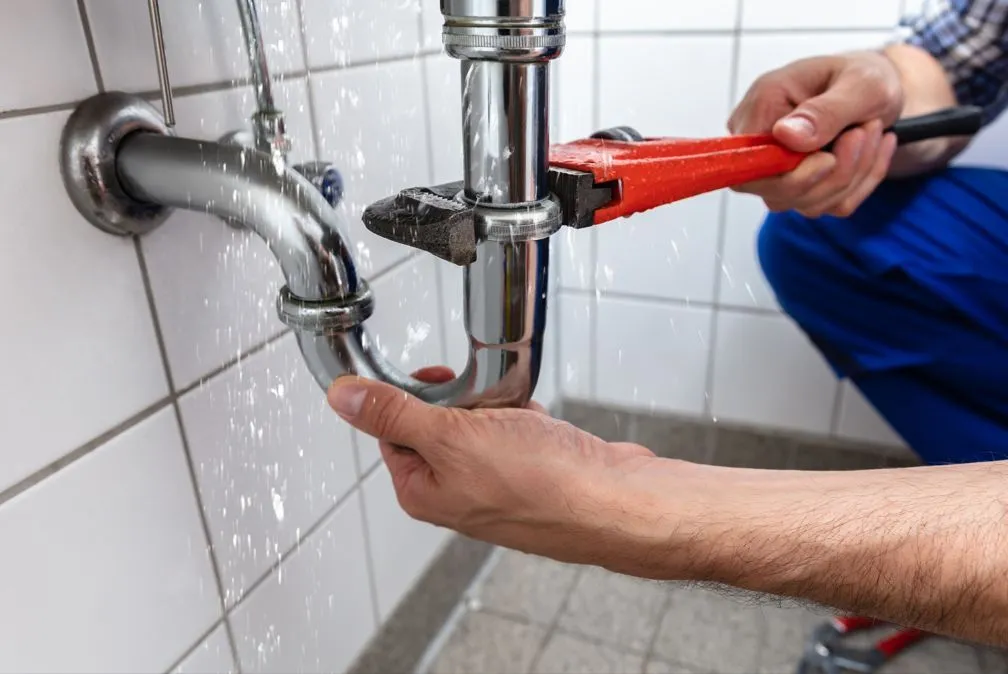
3. Address Plumbing Issues
- Repair leaky pipes and faucets
- Check for hidden leaks behind walls or under sinks
4. Dispose of Contaminated Food
- Mold mites often infest moldy bread, grains, or flour
- Inspect pantries regularly and discard spoiled items
LSI Keywords: controlling white mites, mold mite cleaning, moisture control, indoor pest management
Black Mold Mites vs. White Mold Mites
While most mold mites are white or translucent, some may appear darker when feeding on black mold. Black mold mites are essentially the same species but appear darker due to their diet. Both types thrive in humid, moldy environments and indicate the presence of mold or mildew.
Entities: Stachybotrys chartarum, commonly known as black mold, can host mold mites in affected areas.
Mold Mites in Bathrooms
Bathrooms are especially prone to infestations because of high humidity and frequent water use. Mold mites bathroom infestations commonly occur in:
- Shower corners and grout lines
- Under sinks and around plumbing fixtures
- Behind cabinets or vanity units
- Near poorly ventilated exhaust vents
Regular cleaning, ventilation, and moisture control prevent long-term infestations in these spaces.
Health Implications
Although mold mites do not bite, they can cause:
- Allergic reactions in sensitive individuals
- Respiratory irritation from mold spores carried by mites
- Skin irritation in extreme cases
Maintaining clean, dry conditions is the most effective way to minimize health risks.
LSI Keywords: allergy prevention, respiratory health, mold exposure mitigation
Myths About Mold Mites
Many myths circulate about mold mites, including:
- They bite humans – Rarely true; they primarily feed on mold
- They indicate filth – They only indicate moisture and mold, not poor hygiene
- They are visible only under microscopes – They can sometimes be seen as tiny white specks
Understanding the facts helps homeowners manage infestations rationally and safely.
Conclusion
Mold mites, also known as wood mites or white mites, are tiny pests that thrive in damp, moldy environments. While generally harmless, they are a clear indicator of moisture problems in homes across the USA. Recognizing what mold mites look like, understanding their preferred habitats, and implementing prevention measures are crucial steps in maintaining a healthy indoor environment.
Key takeaways:
- Mold mites are microscopic, white or translucent, and feed on mold.
- Common infestation sites include bathrooms, kitchens, bedrooms, and basements.
- Mold mites do not typically bite but can trigger mild allergic reactions.
- Controlling indoor moisture, repairing leaks, and cleaning moldy areas prevent infestations.
By identifying and addressing mold mites early, homeowners can reduce health risks, protect property, and maintain a comfortable, pest-free living environment.