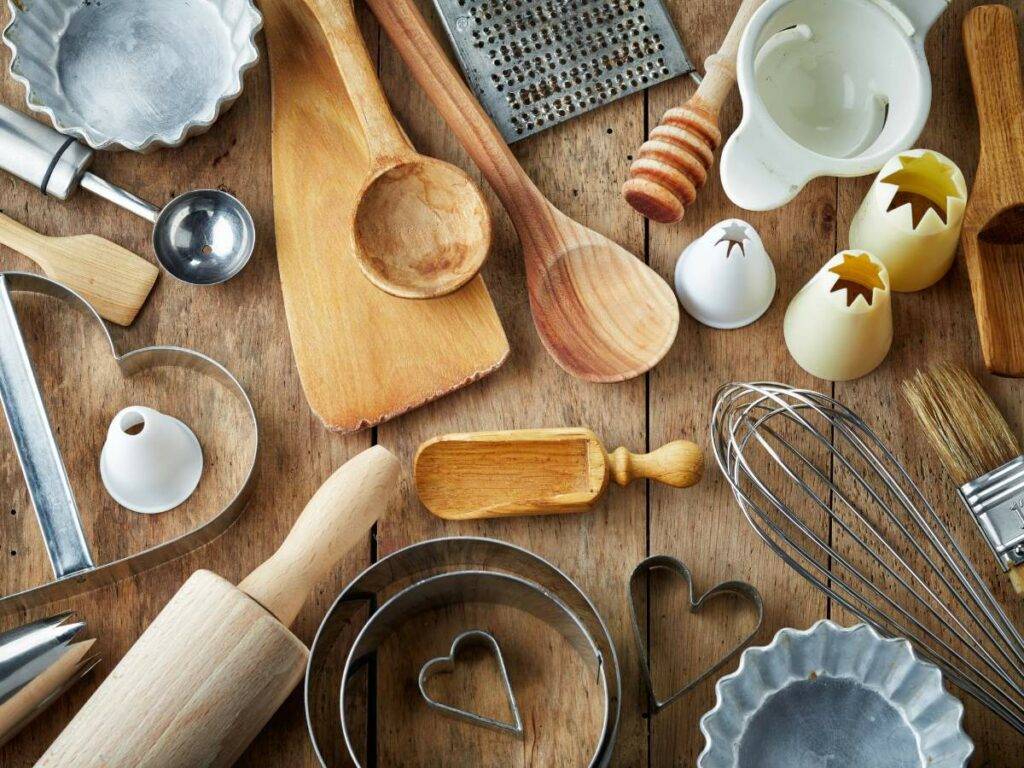
The kitchen has always been the heart of the home — a place where food, family, and creativity come together. Over the years, it has evolved from a purely functional space into one that combines efficiency, comfort, and design. At the core of this transformation are small kitchen appliances, the compact yet powerful tools that simplify everyday cooking and make modern life more convenient.
From blenders and toasters to air fryers and coffee machines, these appliances have reshaped how we cook, eat, and organize our spaces. They bring innovation into the home, allowing even the busiest individuals to prepare nutritious meals with minimal effort.
This guide explores the importance of small kitchen appliances, their types, benefits, energy efficiency, and how they fit into contemporary kitchen design.
1. The Kitchen: From Utility to Lifestyle Hub
In earlier times, the kitchen was viewed as a hidden service area meant solely for meal preparation. Today, it’s the centerpiece of home life — where cooking, conversation, and connection intersect.
1.1 The Evolving Role of the Kitchen
The modern kitchen serves multiple purposes:
-
Cooking and food preparation remain central, but now with smarter tools.
-
Entertainment and gathering have become common, as open-concept designs bring kitchens into living spaces.
-
Work and creativity also flourish here, as people experiment with recipes or even work remotely from kitchen counters.
This transformation has made functionality and aesthetics equally important. Homeowners now invest in compact yet efficient small appliances that complement both their lifestyle and interior design.
2. Understanding Small Kitchen Appliances
2.1 What Are Small Kitchen Appliances?
Small kitchen appliances are portable or semi-portable devices designed to perform specific culinary tasks efficiently. They differ from large kitchen appliances like refrigerators, ovens, or dishwashers, which are fixed installations.
These smaller tools enhance convenience and save time, often performing tasks that would otherwise require considerable effort.
2.2 Importance in Modern Kitchens
Small appliances bridge the gap between traditional cooking and modern lifestyles. They:
-
Reduce cooking time.
-
Improve precision and consistency.
-
Save energy and space.
-
Offer versatility across different cuisines and diets.
In compact urban homes, these appliances make it possible to maintain a fully functional kitchen without needing extensive counter or storage space.
3. Common Types of Small Kitchen Appliances
There’s a wide range of small kitchen appliances available today, each designed to handle a specific task. Understanding them helps in building a well-equipped kitchen setup.
3.1 Food Preparation Appliances
These are essential for cutting, blending, and mixing ingredients efficiently.
-
Blenders: Perfect for smoothies, soups, and sauces.
-
Food Processors: Handle chopping, kneading, and slicing.
-
Mixers: Useful for baking, whisking, and kneading dough.
-
Choppers: Simplify vegetable and nut chopping in seconds.
3.2 Cooking Appliances
Compact cooking devices are now integral to everyday meals.
-
Toasters and Toaster Ovens: Provide quick breakfast solutions.
-
Microwave Ovens: Reheat and cook food efficiently.
-
Air Fryers: Offer a healthier alternative to deep frying.
-
Slow Cookers and Pressure Cookers: Help in making soups, stews, and curries effortlessly.
-
Induction Cooktops: Provide energy-efficient cooking with precise temperature control.
3.3 Beverage Appliances
For many, a kitchen feels incomplete without beverage-making gadgets.
-
Coffee Makers and Espresso Machines: Brew fresh coffee quickly.
-
Electric Kettles: Essential for tea, coffee, and instant foods.
-
Juicers and Smoothie Makers: Encourage healthier drink options.
3.4 Specialty Appliances
These cater to specific culinary interests.
-
Waffle Makers and Sandwich Presses: Ideal for quick snacks.
-
Rice Cookers: Ensure perfect rice every time.
-
Yogurt Makers: Allow homemade, preservative-free yogurt preparation.
-
Bread Makers: Offer fresh, customized loaves.
Each appliance adds efficiency, making the kitchen both functional and inspiring.
4. How Small Appliances Transform Kitchen Efficiency
Efficiency is one of the most significant advantages of using small kitchen appliances. They streamline complex tasks and minimize time spent in preparation or cooking.
4.1 Time-Saving Convenience
Modern life demands multitasking. Appliances like air fryers, electric cookers, and high-speed blenders cut down cooking time dramatically — ideal for working individuals and busy families.
4.2 Space Optimization
In smaller homes or apartments, counter space is limited. Compact appliances, designed with sleek and stackable structures, make efficient use of available space without cluttering.
4.3 Consistency and Precision
Unlike manual methods, appliances maintain consistency in temperature, speed, and texture — essential for professional-quality results.
4.4 Reduced Energy Consumption
Modern small kitchen appliances are engineered to be energy-efficient. Devices like induction cooktops and air fryers consume less power than traditional stoves or ovens while delivering faster results.
5. Energy Efficiency and Sustainability
Sustainability is a growing concern across households worldwide, and the kitchen is no exception. Today’s small appliances are designed to promote eco-conscious living.
5.1 Energy-Saving Technologies
-
Smart sensors in microwaves and coffee makers prevent energy waste.
-
Auto shut-off features ensure safety and conservation.
-
LED indicators and efficient motors reduce overall consumption.
5.2 Materials and Durability
Manufacturers increasingly use sustainable materials such as BPA-free plastics, stainless steel, and recyclable packaging to minimize environmental impact.
5.3 Waste Reduction
Appliances like vacuum sealers and food processors help preserve ingredients and reduce food waste — a key part of sustainable kitchen management.
6. The Relationship Between Kitchen Design and Small Appliances
Small appliances are not just tools — they are design elements that influence how a kitchen looks and functions.
6.1 The Rise of the Modular Kitchen
Modular kitchen designs integrate appliances seamlessly within cabinetry, ensuring an organized and aesthetic layout. Compact microwaves, coffee makers, and blenders often fit into designated nooks for visual harmony.
6.2 Color and Texture Coordination
Appliances now come in various finishes — from matte black to brushed steel — allowing homeowners to match them with countertops, cabinets, or flooring.
6.3 Ergonomics and Accessibility
Placement plays a vital role. Appliances should be positioned at comfortable heights and within easy reach. This enhances workflow and reduces strain during daily use.
7. Small Appliances and Healthy Living
Today’s kitchens support healthier lifestyles, thanks to innovation in appliance design.
7.1 Cooking with Less Oil
Appliances like air fryers and steamers promote low-fat cooking while maintaining flavor and texture.
7.2 Fresh Ingredients Made Easy
Juicers, blenders, and food processors simplify the process of preparing fresh meals, smoothies, and sauces from scratch — minimizing reliance on processed foods.
7.3 Portion and Temperature Control
Smart appliances can now measure portion sizes and cook at preset temperatures, reducing overcooking and ensuring nutrient retention.
8. The Digital Evolution of Small Kitchen Appliances
Technology continues to redefine the kitchen experience. Smart appliances connect to home automation systems, offering convenience and control.
8.1 Smart Connectivity
Wi-Fi-enabled coffee machines and ovens can be controlled via mobile apps, allowing users to start brewing or preheating remotely.
8.2 Voice Assistance
Integration with virtual assistants like Alexa or Google Home brings hands-free operation to daily cooking tasks.
8.3 Programmable Functions
Pre-set cooking modes in multi-cookers and smart blenders simplify recipes, helping even beginners achieve consistent results.
8.4 Safety Innovations
Modern appliances come with automatic shut-off systems, heat sensors, and child locks — blending safety with smart design.
9. Maintenance and Care of Small Kitchen Appliances
Proper maintenance extends appliance lifespan and ensures consistent performance.
9.1 Regular Cleaning
-
Always unplug before cleaning.
-
Use mild detergent and soft cloths to avoid scratching surfaces.
-
Remove food residue to prevent odors and damage.
9.2 Descaling and Filter Replacement
Coffee machines and kettles require periodic descaling to prevent mineral buildup. Filters in air fryers and blenders should be cleaned or replaced regularly.
9.3 Storage Solutions
Store rarely used appliances in cabinets or shelves to free up workspace while keeping daily-use items within reach.
10. Safety Measures in the Kitchen
Safety is crucial in any kitchen environment, especially when using multiple electrical appliances.
-
Avoid overloading sockets and use surge protectors.
-
Keep appliances dry to prevent short circuits.
-
Follow manufacturer instructions for voltage and usage limits.
-
Check cords and plugs regularly for damage.
Smart safety habits prevent accidents and maintain appliance efficiency.
11. Popular Trends in Modern Kitchen Appliances
11.1 Compact and Multifunctional Designs
Manufacturers now offer multi-purpose appliances that combine several functions — such as blender-food processor hybrids or toaster ovens that bake and grill.
11.2 Retro and Minimalist Styles
Designs inspired by the 1950s are making a comeback, featuring pastel colors and round edges that add character to the kitchen.
11.3 Smart and Sustainable Innovation
Energy-efficient, app-controlled, and recyclable appliances are leading the trend toward eco-friendly kitchens.
11.4 Quiet Operation
Noise-reducing technology ensures that blenders, mixers, and grinders operate smoothly — essential in open-plan homes.
12. Building an Efficient Small Kitchen Setup
Even in limited spaces, functionality can be maximized with the right planning.
-
Use vertical storage and wall-mounted shelves.
-
Select appliances that match the scale of your kitchen.
-
Choose cordless or compact models for easy mobility.
-
Keep the countertop minimal — clutter-free surfaces improve both workflow and design.
Small kitchens, when designed intelligently, can deliver big convenience.
13. Economic and Lifestyle Benefits
Small kitchen appliances are not just tools — they are investments in everyday efficiency.
13.1 Cost-Effective Cooking
Preparing meals at home with small appliances reduces reliance on takeout or processed foods, saving money over time.
13.2 Time and Energy Management
Automation and preset functions allow multitasking, freeing time for other activities while cooking continues in the background.
13.3 Enhancing Culinary Creativity
Appliances like stand mixers and blenders encourage experimentation, helping people explore new recipes without difficulty.
14. Future of Kitchen Appliances
As lifestyles continue to evolve, so will kitchen technology. The future promises smarter, greener, and more adaptive solutions.
-
AI-driven appliances will adjust cooking methods based on recipe data.
-
Self-cleaning appliances will use steam or UV sterilization.
-
Modular designs will enable easy replacement and customization.
-
Sustainable innovations will further reduce energy use and waste.
The kitchen of the future will be more connected, efficient, and environmentally conscious.
Conclusion
The kitchen has become a symbol of both tradition and innovation — a place where technology meets creativity. Small kitchen appliances play a transformative role in this evolution. They save time, improve efficiency, and support healthier living, all while enhancing the beauty and functionality of modern homes.
From the hum of a coffee machine at sunrise to the convenience of an air fryer preparing dinner, these compact tools define the rhythm of daily life. Thoughtful selection, proper maintenance, and smart use of small appliances make the modern kitchen not just a workspace — but a well-balanced, efficient, and inspiring part of the home.