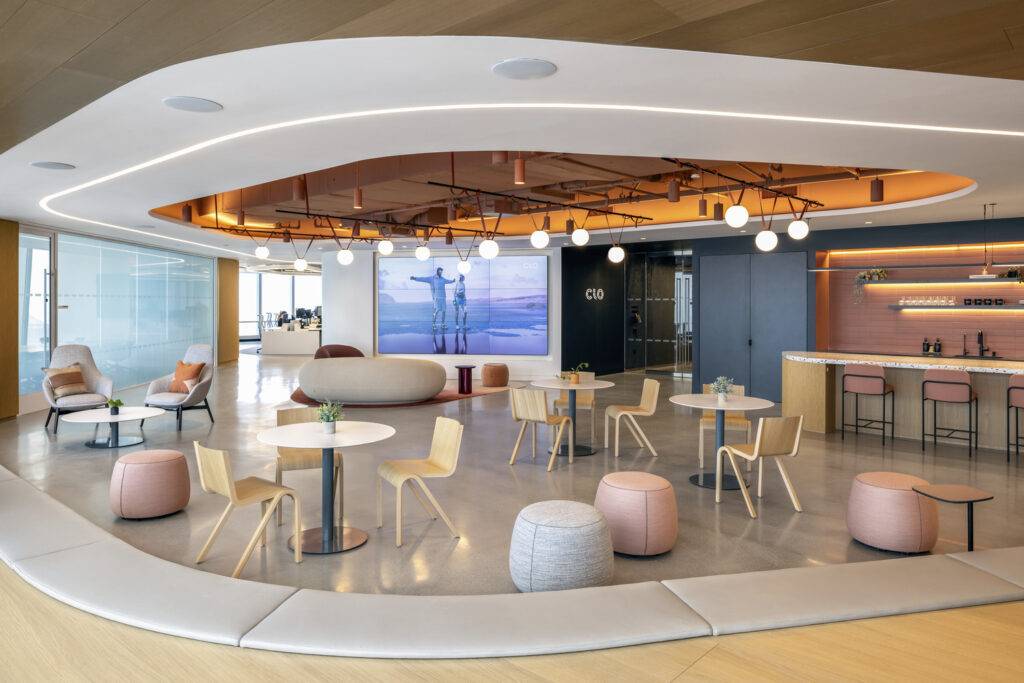
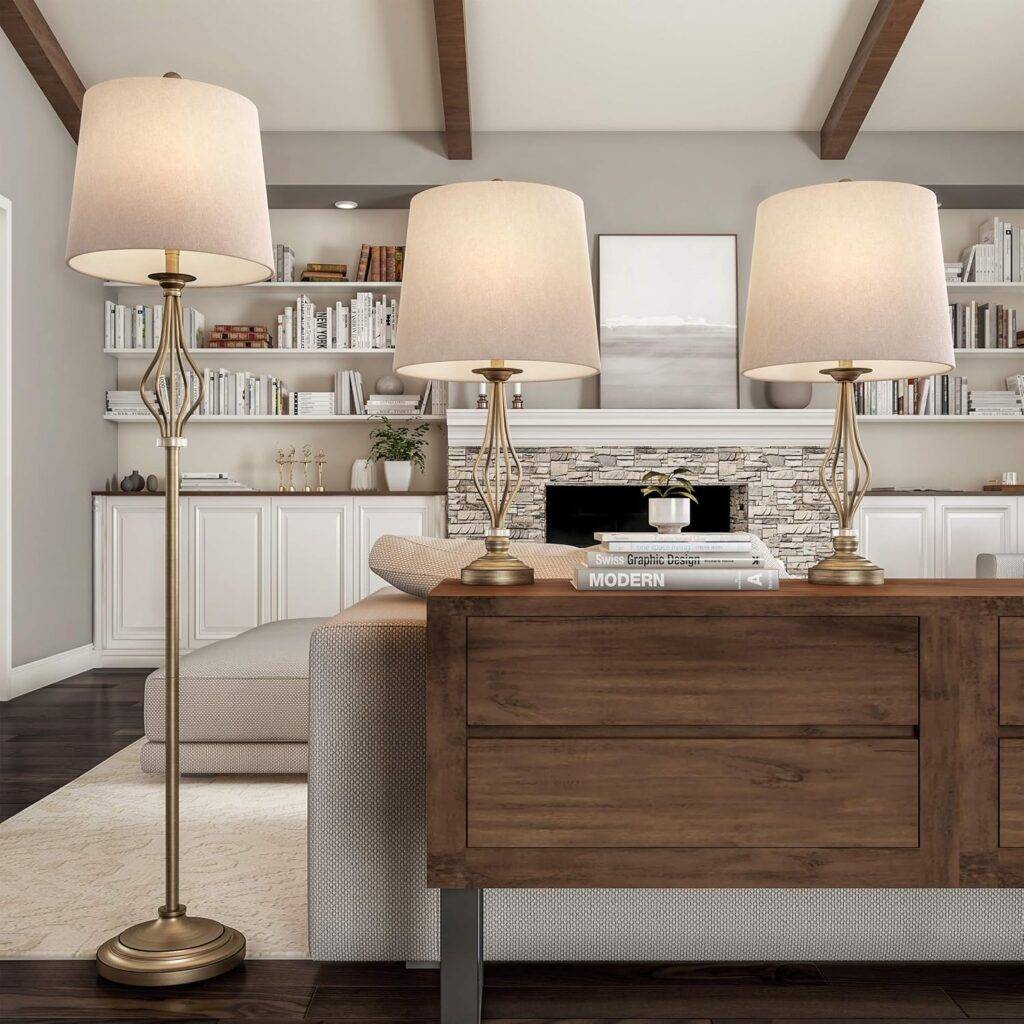
Lighting is one of the most powerful yet often underestimated elements of home design. It defines the mood, highlights architectural features, and affects how we experience every space. The right lighting goes beyond visibility — it creates ambiance, comfort, and character. Among the many lighting types available, ceiling lights play a particularly crucial role.
They are the foundation of interior illumination, serving both functional and aesthetic purposes. From sleek recessed fixtures to elegant chandeliers, ceiling lights have evolved into design statements that combine art, technology, and practicality.
This comprehensive guide explores how ceiling lights enhance interiors, the different types available, how to choose the right ones, and how lighting affects the overall feel of your home.
Understanding the Importance of Lighting in Interior Design
Lighting is much more than a finishing touch. It’s an essential design tool that influences perception, comfort, and spatial balance.
A well-lit room feels open, inviting, and functional. Poor lighting, on the other hand, can make even a well-decorated room appear dull or cramped. Interior designers often say that lighting is what brings a home “to life” — it’s the invisible layer that ties color, furniture, and textures together.
The Functions of Lighting
Lighting serves three main functions in a home:
-
Ambient Lighting: The general illumination that ensures visibility and comfort throughout a room. Ceiling lights are the primary source of ambient light.
-
Task Lighting: Focused light for activities such as reading, cooking, or working.
-
Accent Lighting: Used to highlight decorative features, artworks, or architectural elements.
Balancing these three layers is essential for effective home illumination. Ceiling lights often form the backbone of this system, working alongside lamps, wall sconces, and floor lights.
Ceiling Lights: The Foundation of Home Illumination
Among all light fixtures, ceiling lights are perhaps the most essential. They occupy a central position in the design scheme and influence the atmosphere of an entire room. Whether you prefer minimal modern fixtures or ornate chandeliers, the right ceiling light sets the tone for the space.
Why Ceiling Lights Matter
-
Even Distribution: They provide uniform lighting across the room.
-
Space Efficiency: Mounted on the ceiling, they save floor and wall space.
-
Aesthetic Impact: Ceiling fixtures contribute to the design narrative — from sleek contemporary looks to traditional elegance.
-
Versatility: Available in numerous designs, colors, and materials suitable for every interior style.
Lighting isn’t just about brightness — it’s about layering, direction, and texture. Ceiling lights can create both drama and harmony when used thoughtfully.
Types of Ceiling Lights for Different Spaces
Modern lighting design offers a wide variety of ceiling fixtures tailored to function and style. Understanding their differences helps you make the best choice for each room.
1. Chandeliers
Perhaps the most iconic of all ceiling lights, chandeliers symbolize luxury and elegance. Traditionally featuring crystals or glass, modern versions now incorporate metal, wood, or geometric elements.
Best suited for: Living rooms, entryways, dining rooms, and large spaces where they can act as focal points.
Chandeliers offer both ambient light and decorative value. When placed strategically, they become the centerpiece of the room’s design.
2. Pendant Lights
Pendant lighting hangs from the ceiling via a cord, chain, or rod, offering focused illumination. These fixtures are available in endless styles — from minimalist globes to industrial cages.
Best suited for: Kitchens, dining areas, or reading corners.
When grouped together, pendant lights create visual rhythm. Over kitchen islands or dining tables, they add both style and functionality. Adjustable pendants can also adapt light levels according to the task.
3. Flush Mount and Semi-Flush Mount Lights
Flush mount lights are fixtures attached directly to the ceiling, while semi-flush mounts hang slightly below it. These types are ideal for rooms with lower ceilings where space is limited.
Best suited for: Bedrooms, hallways, and utility areas.
Their simple profiles make them practical for general lighting without overwhelming small spaces. Modern flush mounts come in sleek, minimal designs suitable for contemporary homes.
4. Recessed Lighting
Also known as downlights or can lights, recessed fixtures are installed within the ceiling for a seamless look. They provide even illumination without drawing attention to themselves.
Best suited for: Living rooms, offices, and modern minimalist interiors.
They can be arranged in grids or patterns to highlight zones within open-plan layouts. Recessed lights are also excellent for layering — combining them with chandeliers or pendants enhances depth and versatility.
5. Track Lighting
Track lights consist of multiple fixtures attached along a single track system, allowing adjustable angles and focused illumination.
Best suited for: Kitchens, art galleries, or modern living areas.
They’re highly adaptable — you can direct the light toward specific décor pieces, shelves, or artworks. This flexibility makes them a favorite in both residential and commercial spaces.
6. Cove and Indirect Lighting
Cove lighting is installed into ceiling recesses, cornices, or ledges, casting light upward or across ceilings and walls. It produces a soft, diffused glow that enhances architectural features.
Best suited for: Living rooms, bedrooms, and luxury interiors.
Cove lighting adds a touch of sophistication while maintaining subtlety — ideal for creating calm, ambient environments.
Choosing the Right Ceiling Lights for Each Room
Every room in the home has its own purpose, and the lighting design should reflect that. Choosing the correct ceiling lights ensures the right balance between utility and aesthetics.
Living Room Lighting
The living room is the heart of the home — a multifunctional space for relaxation and socializing. Use a statement chandelier or large pendant as a central feature, supported by recessed lighting or floor lamps for layering.
Warm-toned lights create a cozy and welcoming environment, while neutral white enhances modern designs.
Bedroom Lighting
Bedrooms require soft, soothing illumination. Flush mounts or semi-flush ceiling lights are ideal for general lighting. Add dimmable features to control brightness and mood.
Pair ceiling lights with bedside lamps or wall sconces for reading. Avoid harsh overhead lighting that disrupts relaxation.
Kitchen Lighting
Kitchens demand bright and functional light. Combine recessed ceiling lights for general illumination with pendant lights over islands or counters for task lighting. LED fixtures with adjustable color temperatures are practical, energy-efficient, and modern.
Dining Area Lighting
The dining table is a natural focal point, and lighting enhances its appeal. A chandelier or cluster of pendant lights directly above the table creates intimacy and focus. Warm, diffused light is perfect for gatherings and meals.
Bathroom Lighting
Bathrooms require a mix of functionality and comfort. Ceiling-mounted LED fixtures provide general illumination, while wall-mounted lights near mirrors offer task lighting for grooming. Ensure that fixtures are moisture-resistant and safe for bathroom use.
Hallways and Entryways
These transitional spaces benefit from flush mounts, semi-flush mounts, or recessed lights. Consistent spacing ensures even brightness. Adding a small pendant or lantern near the entryway gives guests a warm welcome.
Materials and Finishes: Aesthetic Choices That Matter
Ceiling lights come in diverse materials and finishes, allowing you to tailor the design to your interior theme.
-
Metal: Perfect for industrial or modern looks. Finishes include brass, chrome, matte black, and nickel.
-
Glass: Offers elegance and transparency, ideal for contemporary and classic interiors alike.
-
Wood: Adds warmth and texture, complementing rustic or Scandinavian décor.
-
Fabric or Paper Shades: Diffuse light softly, suitable for bedrooms or living rooms.
-
Crystal: Adds opulence, often used in formal dining or grand entryways.
Matching the material to other décor elements — door handles, furniture legs, or color schemes — ensures cohesive design flow.
Lighting Color Temperature and Brightness
Understanding color temperature and brightness helps create the desired mood and functionality.
-
Warm White (2700K–3000K): Ideal for cozy spaces like bedrooms and living rooms.
-
Neutral White (3500K–4100K): Suitable for kitchens and work areas.
-
Cool White (5000K+): Mimics daylight, perfect for bathrooms or task-oriented areas.
Brightness is measured in lumens. A higher lumen output indicates stronger light. Match brightness to room size — small bedrooms may need around 1,500–2,000 lumens, while large living areas may require 4,000 or more.
Energy Efficiency: The Role of LED Technology
LED ceiling lights have revolutionized home illumination. They consume less energy, emit less heat, and last significantly longer than traditional bulbs.
Modern LEDs also allow smart control — dimming, color changing, and scheduling through mobile apps or voice assistants. They are ideal for sustainable home designs and reduce electricity costs without compromising brightness.
Additionally, LEDs offer creative flexibility — from concealed strip lighting to artistic pendant fixtures. As eco-conscious living becomes more mainstream, LED ceiling lights are a practical and stylish choice for modern interiors.
Layering Light: Combining Ceiling Lights with Other Fixtures
Professional designers emphasize layered lighting — combining multiple light sources to create depth and versatility.
-
Ambient Light: The base illumination from ceiling lights.
-
Task Light: Focused lighting like desk lamps or pendants for specific tasks.
-
Accent Light: Decorative lights that highlight features such as paintings or textures.
For example, a living room might use recessed ceiling lights for overall brightness, wall sconces for accenting art, and a chandelier for central ambiance. This approach ensures balance and adaptability for different occasions.
Lighting Placement and Design Tips
-
Scale and Proportion: Choose fixtures appropriate for the room’s size. Oversized chandeliers can overwhelm small rooms.
-
Ceiling Height: Low ceilings favor flush mounts or recessed lighting; higher ceilings suit pendants or chandeliers.
-
Dimmers and Controls: Install dimmers to adjust brightness based on mood or activity.
-
Symmetry and Alignment: In dining rooms, align ceiling fixtures directly above tables.
-
Natural Light Integration: Combine artificial lighting with daylight to reduce energy use and enhance warmth.
Smart design considers how light interacts with furniture, textures, and colors to create harmony.
Lighting Trends in Modern Interiors
Lighting design continues to evolve with lifestyle and technology. Some current trends include:
-
Minimalist Fixtures: Clean lines and geometric shapes for modern homes.
-
Sculptural Lighting: Fixtures that double as art pieces.
-
Mixed Materials: Combining glass, wood, and metal for depth.
-
Smart Lighting Systems: App-controlled lights for convenience and energy savings.
-
Layered Illumination: Integrating ceiling, wall, and floor lighting for dimension.
-
Sustainable Designs: LED and eco-friendly materials for conscious living.
These trends highlight how lighting has shifted from functional necessity to creative expression.
Maintenance and Care of Ceiling Lights
Regular care ensures longevity and consistent brightness.
-
Dust Fixtures Weekly: Especially glass and crystal surfaces.
-
Check Bulbs Periodically: Replace dim or flickering bulbs.
-
Clean Reflectors and Covers: Prevent dust accumulation that reduces light output.
-
Inspect Electrical Connections: Ensure safety and performance.
-
Use Proper Cleaning Tools: Microfiber cloths and mild cleaners to avoid scratches.
Clean, well-maintained lighting enhances both safety and aesthetics.
The Psychological Impact of Lighting
Lighting affects not only how we see but also how we feel. Studies show that soft, warm light promotes relaxation, while cool white light increases focus and alertness.
In residential settings, balancing these effects is vital. Bedrooms and living areas benefit from warm light, while kitchens and offices thrive under brighter, cooler tones. Proper lighting supports mental wellness, productivity, and comfort — the foundation of a harmonious home.
Sustainable and Eco-Friendly Lighting Practices
As sustainability becomes integral to modern living, eco-friendly lighting practices are gaining attention.
-
Choose LED or solar-powered lights to minimize energy use.
-
Opt for fixtures made from recyclable or natural materials.
-
Incorporate motion sensors or smart dimmers to reduce unnecessary usage.
-
Recycle old bulbs responsibly.
Sustainable ceiling lights not only reduce environmental impact but also reflect long-term cost efficiency and responsible design.
Conclusion
Lighting is the silent designer of every home — shaping its atmosphere, mood, and beauty. Ceiling lights, in particular, act as both the functional backbone and aesthetic centerpiece of modern interiors. Whether it’s a minimalist recessed fixture or a statement chandelier, the right choice transforms a room from ordinary to extraordinary.
Thoughtful lighting design blends art and science. It considers how light interacts with space, how it influences emotion, and how it complements architecture. By choosing appropriate materials, styles, and technologies, homeowners can create environments that are efficient, inviting, and timeless.
Good lighting isn’t just about brightness — it’s about creating spaces that feel alive.