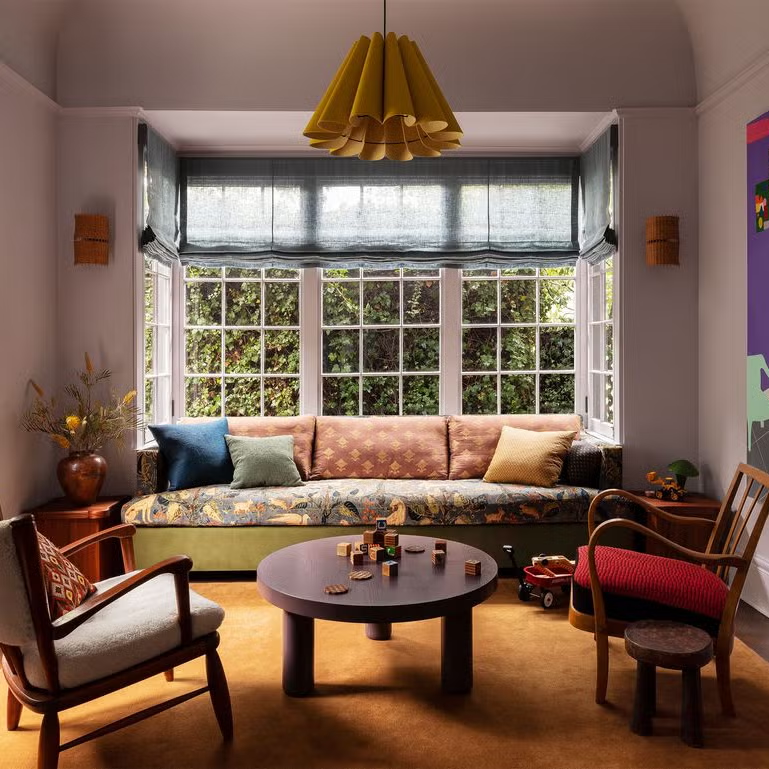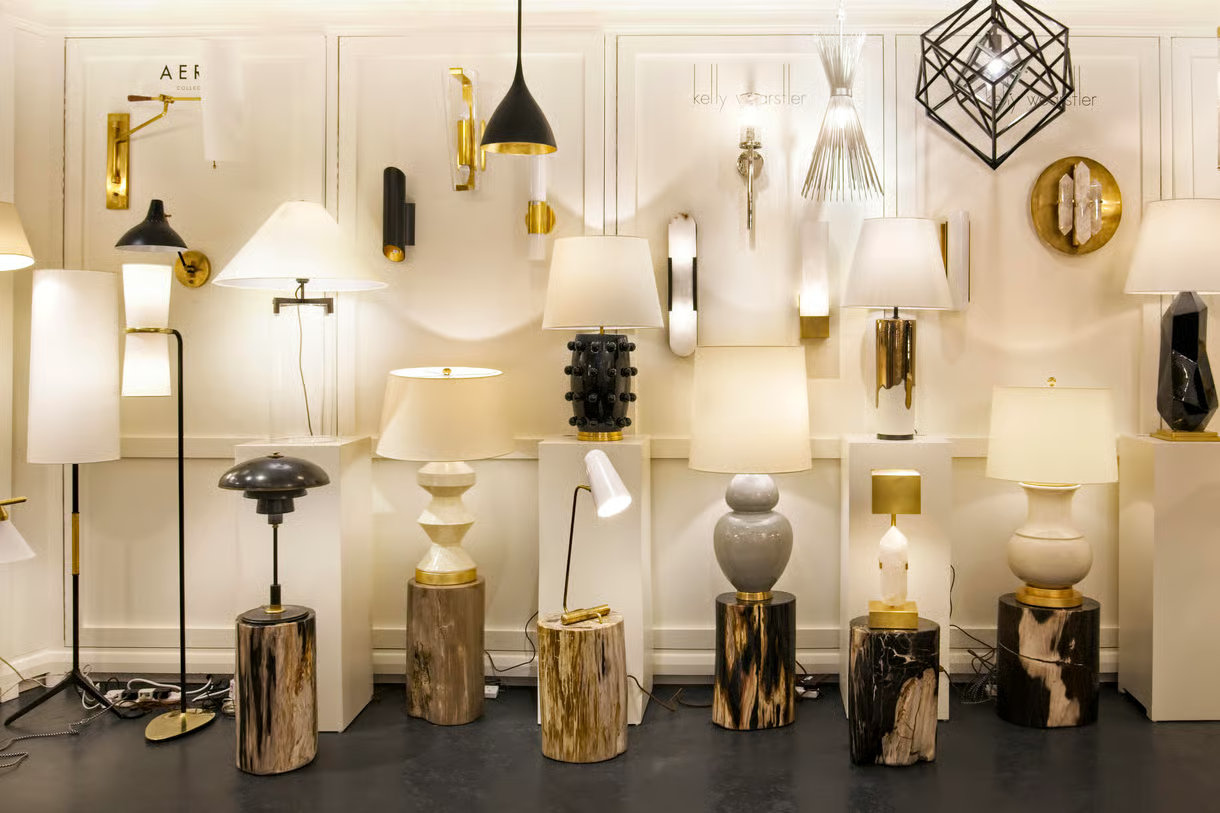
Mid century modern style has remained one of the most recognisable and widely adopted interior design movements in the UK and USA. Decades after its peak popularity, this look still feels current because it balances simplicity with comfort, structure with warmth, and function with beauty. Whether you prefer a subtle mid-century influence or want a full mid-century modern interior, the core principles remain the same: thoughtful layouts, strong silhouettes, quality materials, and pieces that feel intentional rather than excessive.
Table of Contents
ToggleIn today’s homes, the style often appears in blended form—sometimes described as contemporary mid-century or modern midcentury modern—where classic shapes meet updated finishes and modern living requirements. This makes it particularly useful for real-world homes, including compact UK terraces and flats, as well as open-plan American houses and apartments.
This blog explores the identity of mid century modern design, the characteristics that define it, and how to use it in a practical, modern way without turning your home into a museum. You’ll also see how to create cohesion with colour, furniture, lighting, and layout—while keeping the overall look easy to live with.
What Mid Century Modern Style Really Means
The term “mid-century modern” typically refers to design and architecture that gained momentum from the mid-1940s through the late 1960s. It grew out of an era that valued innovation, new materials, and a shift toward more casual, functional living. Homes were changing, lifestyles were changing, and design responded with cleaner lines and smarter use of space.
Unlike ornate historical styles, mid century decorating style focuses on clarity. It avoids heavy decoration and instead highlights shape, proportion, and craftsmanship. It’s the kind of design where the silhouette of a chair matters as much as the upholstery, and where a well-placed lamp can define the mood of a room.
Midcentury modern also sits comfortably between two extremes:
-
It is not as minimal as strict contemporary minimalism
-
It is not as traditional as classic or vintage English interiors
This in-between quality helps explain its lasting popularity. It’s structured and calm, but not cold.
The Hallmarks of Mid Century Modern Design
If you want to recognise mid-century modern at a glance, there are a few signature features that show up repeatedly. These characteristics apply to mid-century modern design in furniture, interiors, and architecture.
1) Clean lines and simple geometry
A defining element of the movement is the emphasis on clean, purposeful lines. Furniture often has a strong outline that reads clearly from across the room. Shapes tend to be geometric—rectangles, circles, cones, and angled forms—without unnecessary flourishes.
Even decorative items follow this logic. Artwork is often abstract or graphic. Rugs may feature bold shapes. Shelving is clean and open rather than heavy and carved.
2) Function-first thinking
Mid century modern design is closely tied to the idea that homes should work well for everyday life. This is why it integrates storage, prioritises comfortable seating, and supports practical room layouts.
A mid-century room might look refined, but it’s rarely designed to be “untouchable.” This is a style that expects people to sit down, read, talk, and live.
3) Warm woods and honest materials
Wood is central to the mid-century look, especially:
-
teak
-
walnut
-
oak
-
rosewood (more common in vintage pieces)
Furniture frames and legs often expose the wood rather than hiding it. Other materials include leather, linen, wool, glass, chrome, and brass.
This mix of warm and cool surfaces is one reason mid-century spaces feel balanced. The wood brings warmth, while metal and glass keep it crisp.
4) Raised legs and “light” furniture profiles
Many pieces sit on slim tapered legs, lifting furniture slightly off the floor. This creates a sense of space and makes rooms feel less heavy—particularly useful in smaller UK living rooms or city flats.
This raised profile also helps mid-century rooms feel airy even when they contain several pieces.
5) Intentional colour palettes
The classic mid-century palette is often built on:
-
warm neutrals (cream, tan, beige, warm grey)
-
wood tones
-
earthy colours (olive, terracotta, rust)
-
saturated accents (mustard yellow, teal, burnt orange, navy)
Colour is used confidently but selectively. Instead of layering many patterns, mid-century interiors often rely on a few strong tones that repeat across the space.
Why Midcentury Modern Still Fits Today’s Homes
Many design trends fade because they are tied too tightly to one moment in time. Mid-century modern has survived because it offers solutions to problems people still have: making rooms feel open, comfortable, and visually calm.
It works well in open-plan layouts
Open-plan living needs furniture that defines zones without building walls. Mid-century pieces naturally suit this because they:
-
have open silhouettes
-
don’t feel bulky
-
often include modular storage and flexible seating
A mid-century sideboard, for example, can act as a dining room anchor without visually closing off the space.
It supports smaller spaces
UK homes often have compact sitting rooms, narrower hallways, and less storage. Mid century furniture often has slim proportions and raised bases, making rooms feel bigger without removing essential pieces.
It blends with modern lifestyles
The style doesn’t require perfect symmetry or formal layouts. It suits casual living, working from home, and mixed-use rooms. It also pairs well with modern technology because the clean lines keep the look uncluttered.
Mid Century Modern Interior Design: Room-by-Room Identity
Creating a mid-century modern interior isn’t just about buying one iconic chair. It’s about consistency in shapes, finishes, and spatial decisions. Each room can reflect the style slightly differently depending on function.
Living room: the heart of mid-century comfort
A living room is where mid century modern interior ideas tend to show most clearly.
Key furniture elements include:
-
a low-profile sofa with straight arms or gentle curves
-
a walnut or teak coffee table
-
a sideboard or media console with sliding doors
-
lounge chairs with sculptural frames
Mid-century seating tends to look structured but feel relaxed. Upholstery is often wool, textured fabric, or leather, and cushions are typically firm rather than oversized.
Lighting matters just as much as furniture. You’ll often see:
-
arc floor lamps
-
globe pendant lights
-
tripod lamps
-
brass accents with opal glass
A mid-century living room usually avoids too many small decorative items. Instead, it focuses on one or two strong features: a statement lamp, a bold rug, or a large piece of artwork.
Dining room: simple forms, strong silhouettes
A mid-century dining area usually revolves around the table. Typical features include:
-
a round or rectangular wood dining table
-
tapered leg dining chairs
-
a clean pendant light positioned centrally
-
a sideboard for storage and visual weight
If your home has a combined kitchen-dining layout, a mid-century table works well because it anchors the room without looking heavy.
For UK dining spaces that feel tight, round tables can be particularly effective. They reduce sharp corners and make circulation easier.
Kitchen: contemporary mid-century is common here
True vintage mid-century kitchens can feel impractical for modern cooking. This is where contemporary mid-century becomes the most sensible approach.
You can introduce the look through:
-
warm wood cabinet fronts or open wood shelving
-
matte finishes (rather than glossy)
-
simple cabinet handles in brass or black
-
geometric tile patterns used sparingly
Instead of trying to replicate a 1950s kitchen exactly, many homeowners aim for a modern kitchen with mid-century references—clean lines, warm tones, and classic lighting.
Bedroom: calm, grounded, and uncluttered
Mid-century bedrooms often feel serene. They rely on a few key pieces:
-
a wood bed frame with a simple headboard
-
matching nightstands or mixed wood bedside tables
-
pendant lights or wall-mounted reading lamps
-
a dresser with clean lines
The goal is not decorative overload. A mid-century bedroom usually feels tidy even when lived-in.
Soft furnishings often include:
-
textured bedding in neutral tones
-
a wool throw
-
a patterned cushion (one or two, not many)
Home office: an ideal match for the style
Mid-century modern works extremely well in home offices. The writing desk is a classic mid-century furniture piece, and many designs integrate drawers and clean proportions.
A strong setup might include:
-
a slim wood desk
-
a supportive chair with a curved back
-
a task lamp with a pivoting arm
-
a closed storage unit to reduce clutter
Because this style emphasises function, it supports productivity without making the office feel sterile.
Mid Century Furniture: The Pieces That Define the Look
Mid century furniture is best approached as a set of shapes and principles rather than only specific “famous” designs. You don’t need to own rare originals to create a convincing mid-century interior. What matters most is proportion, material, and silhouette.
Sofas and seating
Look for:
-
straight or gently curved lines
-
tapered legs (wood or metal)
-
low backs compared to traditional sofas
-
structured cushions
A common mistake is using a bulky sofa that dominates the room. In mid-century rooms, sofas tend to feel lighter.
Sideboards and storage
Sideboards are signature pieces in mid century modern design. They offer:
-
practical storage
-
visual length and balance
-
a strong surface for art or lighting
In small homes, a sideboard can replace multiple small storage units, keeping the room calmer and more cohesive.
Coffee tables and occasional tables
Mid-century coffee tables often feature:
-
solid wood tops
-
rounded corners
-
slim legs
-
sometimes a lower shelf
You’ll also see nesting tables, which are practical in compact living spaces.
Beds and wardrobes
Bedroom furniture often uses wood frames and simple lines. If you are trying to build a mid-century look, avoid overly ornate headboards, carved details, and heavy finishes.
Colour, Texture, and Pattern in Mid Century Decorating Style
The right palette can instantly signal mid-century modern even before furniture is added.
Base colours
Start with a calm foundation:
-
warm white
-
soft greige
-
light taupe
-
muted beige
These tones work especially well in UK homes where natural daylight can be limited in winter. In the USA, they also help balance stronger sunlight, preventing rooms from feeling too intense.
Accent colours
Mid-century accents tend to be rich and slightly muted rather than neon bright:
-
mustard
-
ochre
-
teal
-
forest green
-
burnt orange
-
deep navy
A useful rule is to repeat the accent colour at least twice so the room feels cohesive—perhaps in a cushion and a piece of art, or in a rug and a vase.
Texture is essential
Mid-century interiors can feel flat if everything is smooth. Texture adds depth without clutter.
Good texture choices include:
-
bouclé
-
linen
-
wool rugs
-
leather
-
woven baskets
-
matte ceramics
Even if you keep the colour palette minimal, texture will keep the space from looking lifeless.
Patterns: bold, but controlled
Mid-century patterns often lean graphic:
-
geometric prints
-
abstract shapes
-
simple stripes
-
colour blocks
A single bold rug or one statement cushion can be enough. The goal is not pattern overload; it’s controlled contrast.
Mid Century Modern Interior Layout: Why Placement Matters
Mid-century modern design places strong emphasis on how a room functions. Furniture placement is often what makes the style feel “right.”
Create clear zones
Even in small rooms, aim to define:
-
seating zone
-
reading or work zone
-
storage wall or feature area
This is especially useful in open-plan spaces where a mid-century layout can create order without feeling rigid.
Keep walkways open
A mid-century room often feels spacious because there is visible floor space. Avoid blocking paths or pushing too much furniture against walls.
Raised-leg furniture helps here because it allows light to travel under pieces, making rooms appear more open.
Don’t overcrowd surfaces
Sideboards, coffee tables, and shelves should feel curated, not cluttered. A few objects with strong shape usually work better than many small items.
Mid Century Modern Design and Lighting Choices
Lighting is one of the most powerful elements in mid-century interiors. It’s where the style becomes sculptural.
Common mid-century lighting forms include:
-
globe lights
-
starburst chandeliers
-
cone-shaped pendants
-
brass or black metal arms
-
opal glass shades
The mid-century approach is layered:
-
overhead lighting for general illumination
-
floor lamps for ambience
-
table lamps for warmth and focus
In UK homes, where ceilings can be lower, a pendant must be scaled correctly. A large fixture can still work, but it should not overwhelm the room.
Materials and Finishes: Modern Updates That Still Look Authentic
The reason contemporary mid-century works so well is that it retains the spirit of mid-century design while adapting to modern preferences.
What still feels true to the style
-
warm-toned wood
-
matte finishes
-
brushed brass details
-
glass and metal contrasts
-
upholstery with texture
What can make it feel off
-
high-gloss lacquer everywhere
-
furniture that is too bulky or overstuffed
-
overly distressed “fake vintage” finishes
-
too many unrelated decorative trends mixed in
A modern home can still feel mid-century without trying to recreate every detail of the 1950s. The best results often come from selecting a few core mid-century principles and applying them consistently.
Mid Century Modern Style in UK Homes vs USA Homes
Mid-century modern adapts nicely across regions, but the housing stock in the UK and USA can shape how the style shows up.
UK homes
-
Smaller rooms benefit from raised-leg furniture
-
Neutral palettes help maximise natural light
-
Built-in storage is less common, so sideboards become very useful
-
Mixing mid-century with modern British design often feels natural
USA homes
-
Larger open-plan rooms suit long, low furniture pieces
-
Statement rugs can define zones
-
Mid-century architecture (ranch homes, split-level homes) often supports the style naturally
-
Indoor-outdoor links can be emphasised with plants and wood finishes
In both locations, the style works best when scaled to the room rather than forced through oversized pieces.
Art and Accessories: Mid-Century Without Overstyling
Mid-century interiors tend to feel curated. Accessories should support the overall look rather than take over.
Good choices include:
-
abstract prints
-
framed photography
-
ceramics with strong shapes
-
books with neutral or coordinated spines
-
a few sculptural objects
Plants also work well—especially those with architectural shapes, such as:
-
monstera
-
snake plant
-
rubber plant
-
fiddle-leaf fig (in brighter rooms)
These choices align with the mid-century focus on form and structure.
Mistakes That Commonly Disrupt the Mid-Century Look
Even well-intentioned interiors can lose the mid-century feel if a few details go off track.
Using too many styles at once
Mid-century blends well with some styles—Scandi, contemporary, industrial—but too many influences at once can make the room feel confused.
Overdoing the “retro” theme
True mid-century style is not costume design. A few vintage references are enough. Too many novelty items can make the space feel more like a set than a home.
Ignoring proportion
Mid century furniture often has carefully balanced proportions. If a sofa is too large for the room or a coffee table is too small, the space can feel awkward.
Forgetting warmth
A room with only straight lines and smooth surfaces can feel cold. Mid-century interiors need warmth through wood, textiles, and good lighting.
A Practical Way to Build a Mid-Century Modern Interior Over Time
You don’t have to do everything at once. Many of the best mid-century interiors are built gradually.
A realistic order of improvement:
-
Choose a consistent colour palette
-
Add one key mid-century furniture piece (often a sideboard or sofa)
-
Upgrade lighting (a pendant or statement floor lamp)
-
Add texture through rugs and textiles
-
Refine accessories to reduce clutter
This approach avoids the “matchy” showroom feel and helps the space feel personal.
Closing Thoughts: Why Mid Century Modern Still Feels Relevant
Mid century modern style has never been only about nostalgia. At its best, it’s a design language built on clarity, comfort, and intelligent use of space. The clean silhouettes, warm materials, and balanced proportions suit both older properties and modern builds across the UK and USA.
Whether you lean toward a classic mid century modern interior or prefer a softer, more updated contemporary mid-century approach, the fundamentals remain steady: thoughtful furniture, controlled colour, and a calm visual structure. It is a style that respects the idea that a home should be functional first—while still offering beauty in everyday details.
Done well, mid-century modern design doesn’t feel trendy. It feels settled, confident, and easy to live with, which is exactly why it continues to stand the test of time.