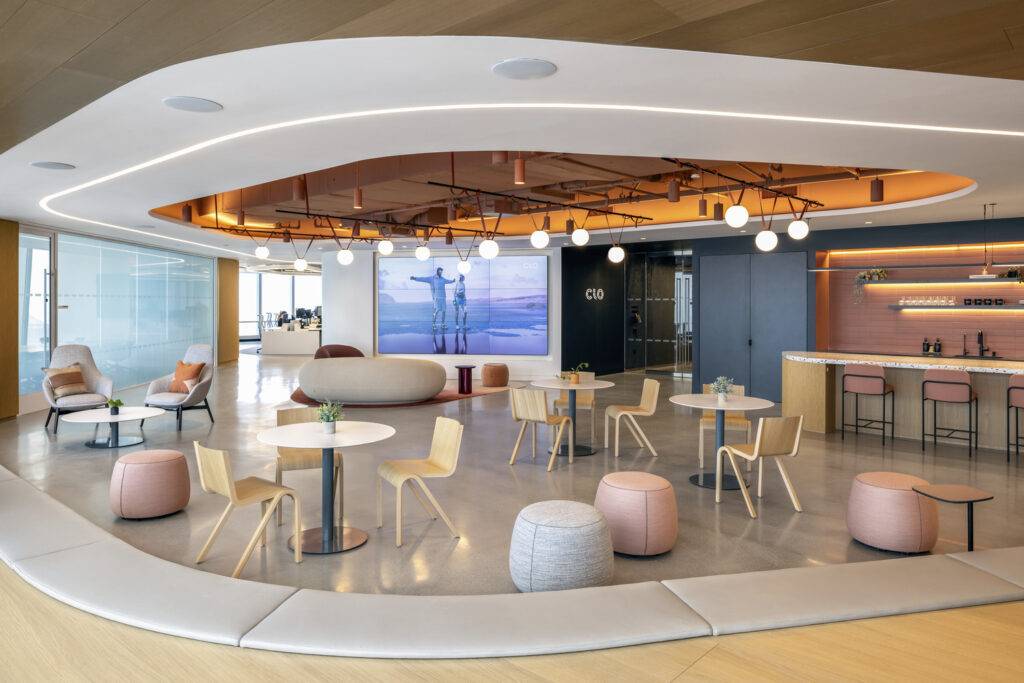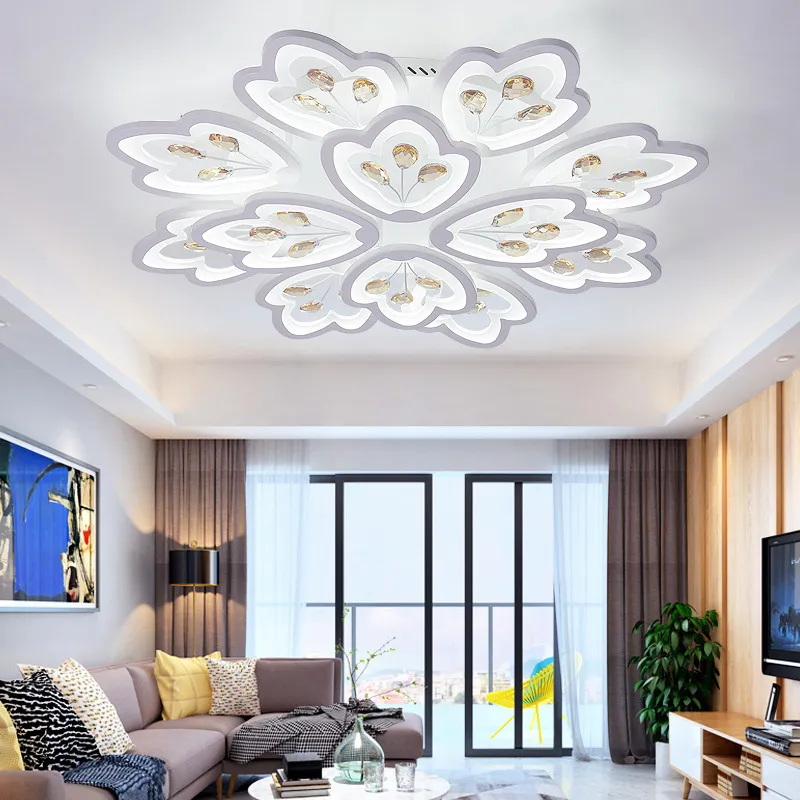
Lighting defines how we perceive spaces. It sets the mood, highlights design features, and brings warmth and character into a room. Among various lighting elements, table lamps and floor lamps are two versatile types that blend functionality and aesthetics.
From illuminating a reading corner to adding subtle decorative charm, these lamps are essential for both homes and offices. In this detailed guide, we’ll explore the role of lighting in interior spaces — focusing on how table lamps and floor lamps enhance comfort, ambiance, and design harmony.
The Role of Lighting in Interior Design
Light is a design language. The way it interacts with colors, textures, and furniture defines the emotional tone of a space. Proper lighting transforms rooms from plain to inviting, from cold to cozy.
Interior designers often describe lighting as having three layers:
-
Ambient lighting – the general, overall illumination.
-
Task lighting – targeted light for specific activities.
-
Accent lighting – decorative or highlighting illumination.
Table and floor lamps fall mainly under task and accent lighting, adding personality, warmth, and practicality. They provide flexible illumination where ceiling fixtures may not reach and help create zones within open spaces.
1. Table Lamps: Compact Elegance with Purpose
What Are Table Lamps?
Table lamps are portable lighting fixtures typically placed on surfaces such as side tables, desks, nightstands, or consoles. They are designed to provide focused light for reading, studying, or ambient mood lighting.
They come in countless styles — from sleek modern designs to traditional, handcrafted bases with fabric shades — making them adaptable to every décor theme.
Functional and Decorative Roles
-
Task Lighting:
Table lamps are perfect for activities requiring direct light — reading, writing, or working on a laptop. -
Accent Lighting:
A softly glowing table lamp can highlight a corner, artwork, or decorative item, giving the room a cozy appeal. -
Decorative Accessory:
With unique bases, shades, and textures, a lamp can act as an art piece that complements other interior elements.
Types of Table Lamps
-
Bedside Lamps
Compact and soothing, these lamps offer gentle illumination for reading or unwinding at night. -
Desk Lamps
Designed for task lighting, desk lamps often feature adjustable necks, focused beams, and energy-efficient bulbs. -
Ambient Lamps
These provide soft background light to create mood and ambiance rather than serve a functional purpose. -
Decorative Lamps
Crafted with ceramic, metal, or glass bases, these lamps act as statement décor pieces. -
Smart Table Lamps
Integrated with technology, these lamps allow brightness control, color change, and scheduling via mobile apps or voice assistants.
Choosing the Right Table Lamp
Selecting the perfect table lamp depends on both aesthetics and practicality. Consider these aspects:
-
Height and Proportion:
The lamp should complement the furniture — not too tall or too small. For reading, the bottom of the shade should align with your eye level when seated. -
Light Quality:
Choose bulbs with warm white tones (2700K–3000K) for relaxation and neutral tones (3500K–4000K) for workspaces. -
Shade Material:
Fabric shades diffuse light softly, while glass or metal shades direct it more precisely. -
Design Consistency:
Match the lamp’s material and style with your décor theme — rustic, modern, vintage, or minimalist.
Table Lamp Placement Ideas
-
On bedside tables for bedtime reading.
-
On console tables in entryways for welcoming light.
-
On study desks to enhance focus and reduce eye strain.
-
On side tables in living rooms to create cozy corners.
Strategically placed, table lamps balance a room’s lighting layers while adding a touch of warmth and personality.
Trends in Table Lamps
-
Sculptural Designs: Artistic bases that double as décor pieces.
-
Natural Materials: Wood, marble, and ceramic finishes for organic appeal.
-
Smart Features: Dimming controls, color adjustment, and motion sensors.
-
Sustainable Lighting: Energy-efficient LED bulbs and recycled materials.
These trends show how lighting design continues to merge functionality with artistry.
2. Floor Lamps: Standing Statements of Style and Illumination
The Essence of Floor Lamps
Floor lamps are freestanding lighting fixtures that illuminate large areas without occupying table space. They often stand between 4–6 feet tall and come in various designs — from minimalist steel rods to dramatic arc lamps that curve over furniture.
They’re incredibly versatile — ideal for reading corners, living rooms, offices, and even bedrooms.
Functions of Floor Lamps
-
Ambient Lighting:
Floor lamps can serve as the primary light source in a room, especially where ceiling lights are absent. -
Task Lighting:
Adjustable floor lamps with directional shades provide focused light for reading or hobbies. -
Accent Lighting:
They highlight architectural features or décor elements like artwork or indoor plants. -
Spatial Definition:
In open-plan layouts, a floor lamp visually divides areas — such as separating a lounge from a dining zone.
Common Types of Floor Lamps
-
Arc Floor Lamps
With a long, curved arm, arc lamps extend light over sofas or tables. They act as statement pieces in modern interiors. -
Tripod Floor Lamps
Characterized by three-legged stands, they offer stability and a stylish sculptural form. -
Torchiere Lamps
These have upward-facing shades that bounce light off the ceiling for soft, diffused brightness. -
Reading Lamps
Equipped with adjustable arms, they provide concentrated light — perfect beside armchairs or desks. -
Swing Arm Lamps
The adjustable arm allows repositioning light direction easily. -
Smart LED Floor Lamps
Controlled via apps or voice commands, these offer features like brightness adjustment and color changing.
How to Choose the Perfect Floor Lamp
-
Purpose: Identify whether it’s for reading, mood lighting, or decoration.
-
Proportion: Match lamp height to room scale; tall lamps work best in spacious areas.
-
Light Output: LED options are energy-efficient and available in various color tones.
-
Design: Choose styles that align with your furniture — industrial, contemporary, or bohemian.
-
Placement: Position near seating or walls to avoid glare and maximize diffusion.
Floor Lamp Placement Ideas
-
Living Room:
Place behind sofas or beside armchairs for reading and accent lighting. -
Bedroom:
Use slim lamps for ambient light without cluttering side tables. -
Study or Office:
Adjustable floor lamps help reduce shadows and eye strain. -
Hallways and Corners:
Fill dark corners or highlight architectural elements.
Current Floor Lamp Trends
-
Minimalist Aesthetics: Slim profiles with matte black or metallic finishes.
-
Mid-Century Modern Revival: Wood accents and warm tones.
-
Adjustable Smart Lamps: Control brightness, schedule lighting, and set color themes.
-
Eco-Conscious Designs: Use of bamboo, rattan, and recycled metals.
These trends align with global shifts toward sustainability and multifunctional design in interiors.
3. Comparing Table Lamps and Floor Lamps
| Aspect | Table Lamps | Floor Lamps |
|---|---|---|
| Placement | On surfaces like desks, tables, nightstands | Freestanding on the floor |
| Primary Use | Task or accent lighting | Ambient or task lighting |
| Mobility | Portable, easy to move | Larger but still movable |
| Design Range | Compact and decorative | Bold, statement-making |
| Best For | Bedrooms, study areas, side tables | Living rooms, corners, reading zones |
| Light Direction | Focused downward or diffused softly | Adjustable upward, downward, or wide-angle |
Both lamp types can coexist harmoniously in one space — table lamps for intimacy and focus, floor lamps for openness and ambience.
4. Lighting Tips for Balanced Interiors
Layer the Light
Combine different lighting types — ceiling lights, lamps, and wall fixtures — for a dynamic atmosphere. Each layer adds depth and functionality.
Use Dimmers
Install dimmer switches or use smart bulbs to adjust intensity according to time or mood.
Consider Color Temperature
Warm tones (2700K–3000K) create coziness; neutral light (3500K–4100K) enhances concentration.
Create Focal Points
Use lamps to highlight furniture, artwork, or décor accents.
Balance Proportions
Don’t overcrowd small rooms with oversized lamps — choose slender designs that complement the space.
Integrate Technology
Smart lamps allow scheduling, remote control, and energy monitoring — merging comfort with efficiency.
5. The Role of LED and Smart Technology in Lamps
Modern table and floor lamps now integrate LED technology and smart controls for efficiency and adaptability.
Benefits of LED Lamps
-
Consume less electricity than traditional bulbs.
-
Last longer (up to 25,000–50,000 hours).
-
Available in multiple color temperatures.
-
Emit minimal heat, ensuring safety.
-
Environmentally friendly and recyclable.
Smart Lighting Integration
Smart lamps connect to Wi-Fi or Bluetooth for remote operation. Users can:
-
Adjust brightness and color.
-
Set timers and schedules.
-
Sync lighting with music or entertainment systems.
These innovations turn lamps into interactive design elements that respond to user needs and environmental changes.
6. Lighting Psychology: How Lamps Influence Mood
Lighting profoundly affects mood and perception:
-
Warm light (yellow tones) induces relaxation and comfort.
-
Cool white light boosts alertness and focus.
-
Adjustable lighting supports circadian rhythms, improving sleep and energy levels.
Table and floor lamps help personalize lighting environments — from calm evening glow to bright morning energy.
7. Sustainability in Modern Lighting
Sustainability is a growing concern in design. Eco-friendly lamps combine efficiency with responsibility.
Sustainable Lighting Practices:
-
Opt for LED or solar-powered bulbs.
-
Use recycled materials in lamp construction.
-
Choose durable, timeless designs over disposable trends.
-
Turn off lights when not needed or use motion sensors.
These small steps collectively reduce energy consumption and environmental impact.
8. Styling Ideas with Table and Floor Lamps
-
Symmetrical Balance:
Place identical table lamps on each side of a sofa or bed for harmony. -
Contrast and Layering:
Pair a large floor lamp with a smaller table lamp for visual interest. -
Mixing Materials:
Combine metallic lamps with wooden furniture or ceramic bases for textural contrast. -
Cozy Corners:
Create reading nooks with a comfortable chair and adjustable floor lamp. -
Artistic Pairings:
Use sculptural lamps as focal décor pieces in minimalist spaces.
9. Maintenance and Care Tips
-
Dust shades and bases regularly to maintain brightness.
-
Replace LED bulbs as per manufacturer recommendations.
-
Ensure stable placement to prevent tipping.
-
Avoid placing fabric shades near heat sources.
-
Check cords and switches periodically for wear or damage.
Proper care extends lamp longevity and preserves lighting quality.
Final Thoughts: Lighting as the Heart of Home Ambiance
Lighting is more than visibility — it’s about emotion, rhythm, and harmony. Table lamps and floor lamps serve as personal expressions of style while delivering practical illumination. They guide the eye, soften shadows, and turn rooms into inviting sanctuaries.
In the modern era, where design meets technology, lighting continues to evolve. Whether it’s a handcrafted ceramic table lamp or a smart LED floor light, each fixture contributes to the story of a home — a story told in the language of light.