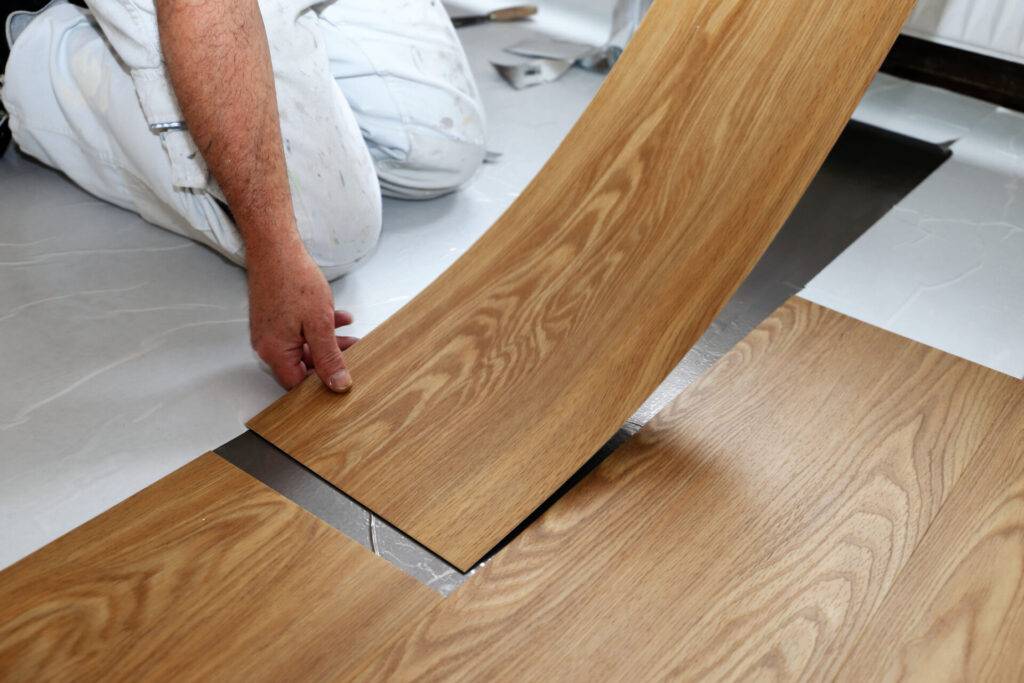
Choosing between vinyl and laminate flooring can be one of the biggest decisions when upgrading your home or commercial space. Both flooring options are affordable, durable, and versatile, offering attractive alternatives to hardwood or stone. However, while they may look similar at first glance, vinyl flooring and laminate flooring differ significantly in composition, water resistance, installation, and maintenance.
In this comprehensive comparison, we’ll explore vinyl vs laminate flooring, their advantages, disadvantages, and the factors to consider when deciding which material best fits your needs.
What Is Laminate Flooring?
Laminate flooring is a synthetic, multi-layered product designed to mimic the look of natural wood or stone. It was first introduced in the late 1970s as a cost-effective and easy-to-install alternative to hardwood floors.
Structure of Laminate Flooring:
Laminate floors typically consist of four main layers:
-
Wear Layer: A clear, protective coating that resists scratches, stains, and fading.
-
Design Layer: A high-resolution photographic image that gives the floor its appearance (wood, tile, or stone).
-
Core Layer: Made of high-density fiberboard (HDF) or medium-density fiberboard (MDF), providing strength and rigidity.
-
Backing Layer: A moisture-resistant base that stabilizes the plank and prevents warping.
Appearance:
Laminate flooring often replicates natural wood grain patterns so effectively that it can be mistaken for real hardwood. It’s available in a wide range of colors, textures, and finishes, from oak and maple to exotic hardwood looks.
What Is Vinyl Flooring?
Vinyl flooring is a synthetic material made primarily from polyvinyl chloride (PVC) and plasticizers. Over the years, it has evolved from simple sheet vinyl into advanced options like luxury vinyl plank (LVP) and luxury vinyl tile (LVT) that closely mimic natural materials.
Structure of Vinyl Flooring:
Vinyl flooring typically has multiple layers, including:
-
Wear Layer: A transparent, protective coating that guards against scratches and stains.
-
Printed Design Layer: Provides realistic visuals of wood, tile, or stone.
-
Core Layer: Made of flexible PVC or rigid composite for structural stability.
-
Backing Layer: Provides cushioning and sound absorption.
Some types of vinyl flooring also include a built-in underlayment for easier installation and added comfort underfoot.
Appearance:
Vinyl flooring comes in planks, tiles, or sheets. Modern luxury vinyl tile (LVT) and luxury vinyl plank (LVP) options use 3D printing and embossing technology to create realistic textures and finishes.
Vinyl vs Laminate Flooring: A Detailed Comparison
Though both materials serve similar purposes, vinyl flooring vs laminate flooring have distinct differences in composition, water resistance, comfort, maintenance, and cost.
Let’s look at each factor in detail:
1. Material Composition
-
Laminate: Made mostly from wood byproducts (fiberboard core) with a printed decorative layer.
-
Vinyl: Made entirely from synthetic materials (PVC-based), making it more water-resistant.
Verdict: Vinyl flooring is more resistant to moisture because it contains no organic materials like wood.
2. Water Resistance and Moisture Tolerance
-
Laminate flooring: Moderately water-resistant but not waterproof. Prolonged exposure to moisture can cause swelling or warping.
-
Vinyl flooring: 100% waterproof. Ideal for bathrooms, kitchens, basements, and laundry rooms.
Verdict: For moisture-prone areas, vinyl flooring performs better than laminate.
3. Durability and Longevity
Both materials are designed to withstand daily wear and tear, but their performance depends on usage and maintenance.
-
Laminate: Scratch-resistant and durable in low-moisture areas. However, it can be damaged by standing water.
-
Vinyl: Extremely durable, resistant to moisture and stains, and suitable for both residential and commercial use.
Average Lifespan:
-
Laminate: 10–25 years
-
Vinyl: 15–30 years
Verdict: Vinyl flooring typically lasts longer, especially in humid or high-traffic environments.
4. Comfort and Feel
-
Laminate: Feels firm and stable underfoot due to its dense fiberboard core.
-
Vinyl: Softer and more flexible, especially versions with padded backing.
Temperature: Laminate can feel cooler, while vinyl tends to retain warmth slightly better.
Verdict: Vinyl flooring is more comfortable for walking or standing for extended periods.
5. Appearance and Realism
-
Laminate flooring: Known for highly realistic wood visuals, often with embossed textures that mimic real grain.
-
Vinyl flooring: Also offers convincing designs, but earlier versions were less realistic. Modern LVP and LVT now rival laminate in detail.
Verdict: Tie — both materials offer impressive design realism depending on brand and price range.
6. Maintenance and Cleaning
-
Laminate: Must be cleaned with a damp mop or dry methods to prevent water damage. Avoid excessive moisture.
-
Vinyl: Easy to clean with water and mild cleaners. Waterproof surface makes maintenance simple.
Verdict: Vinyl flooring is easier to maintain and more forgiving in wet environments.
7. Installation Process
Both laminate and vinyl flooring offer convenient installation options for DIY enthusiasts.
-
Laminate: Uses a click-lock floating system, where planks interlock without glue or nails. Requires an underlayment for sound absorption and stability.
-
Vinyl: Available in several formats—click-lock, peel-and-stick, glue-down, or loose-lay. Click-lock vinyl is easiest to install.
Verdict: Both are DIY-friendly, but vinyl flooring offers more flexibility in installation methods.
8. Cost Comparison
Both flooring types are budget-friendly alternatives to hardwood or stone.
| Flooring Type | Average Cost per sq. ft. (Material Only) | Average Installed Cost per sq. ft. |
|---|---|---|
| Laminate | $1.00 – $4.00 | $2.00 – $8.00 |
| Vinyl (LVP/LVT) | $2.00 – $5.00 | $3.00 – $10.00 |
Verdict: Laminate flooring is often slightly cheaper upfront, but vinyl may offer better long-term value due to water resistance and durability.
9. Environmental Impact
-
Laminate: Made from recycled wood materials, making it somewhat eco-friendly. However, some laminates use adhesives containing formaldehyde.
-
Vinyl: Made from synthetic PVC materials, which are non-biodegradable, though many brands now offer recyclable or low-VOC options.
Verdict: Laminate flooring has a slight environmental advantage, especially when sourced from certified sustainable manufacturers.
10. Sound and Noise Level
Laminate can be noisy underfoot, producing a hollow sound without a proper underlayment. Vinyl flooring, especially cushioned types, tends to absorb sound better.
Verdict: Vinyl flooring offers quieter performance, ideal for multi-story buildings or apartments.
11. Heat and Sunlight Resistance
Prolonged exposure to direct sunlight can cause fading or discoloration in both types of flooring.
-
Laminate: May fade slightly over time but resists heat better.
-
Vinyl: Some low-quality vinyl products can discolor under intense sunlight.
Verdict: For sunny areas or near large windows, laminate flooring performs slightly better.
12. Resale Value
While neither material matches hardwood for resale value, high-quality vinyl and laminate floors can still enhance a home’s market appeal.
Verdict: Both offer moderate resale value, with luxury vinyl edging ahead due to its waterproof nature.
Vinyl vs Laminate Flooring: Room-by-Room Suitability
| Room | Best Option | Reason |
|---|---|---|
| Kitchen | Vinyl | Water-resistant, easy to clean |
| Bathroom | Vinyl | 100% waterproof |
| Living Room | Laminate or Vinyl | Depends on style preference |
| Bedroom | Laminate | Warm and natural look |
| Basement | Vinyl | Handles humidity better |
| Laundry Room | Vinyl | Resistant to moisture |
| Office | Laminate | Provides a professional, wood-like appearance |
Types of Vinyl Flooring
When comparing vinyl tile or laminate, it helps to understand that vinyl comes in several types:
1. Sheet Vinyl
-
Large, continuous rolls of vinyl installed in wide sections.
-
Affordable and water-resistant.
-
Best for bathrooms and kitchens.
2. Luxury Vinyl Tile (LVT)
-
Mimics ceramic or stone tiles.
-
Available in various patterns and sizes.
-
Offers a sophisticated appearance with easy maintenance.
3. Luxury Vinyl Plank (LVP)
-
Designed to replicate real wood planks.
-
Waterproof and durable.
-
Commonly used in living spaces and basements.
4. Rigid Core Vinyl (SPC/WPC)
-
Features a solid composite core for extra durability.
-
Great for high-traffic areas.
-
Comfortable and stable underfoot.
Types of Laminate Flooring
Laminate flooring also comes in several categories based on thickness and installation method.
1. Standard Laminate
-
Cost-effective, ideal for moderate traffic areas.
-
Easy click-lock installation.
2. Waterproof Laminate
-
Enhanced with water-resistant coatings or sealed edges.
-
Better suited for kitchens and entryways.
3. High-Pressure Laminate (HPL)
-
More durable due to additional compressed layers.
-
Used in commercial or heavy-traffic areas.
4. Textured or Embossed Laminate
-
Provides a realistic feel that matches wood grain patterns.
-
Adds visual depth and authenticity.
Maintenance Tips: Laminate and Vinyl Flooring
Laminate Flooring Maintenance
-
Sweep or vacuum regularly to remove dirt.
-
Clean with a damp mop—never soak the floor.
-
Use felt pads under furniture to prevent scratches.
Vinyl Flooring Maintenance
-
Sweep daily to avoid grit buildup.
-
Mop with warm water and mild detergent.
-
Avoid harsh chemicals or wax polish.
Both materials require minimal upkeep, making them excellent choices for busy households.
Laminate vs Vinyl Tile: Which Is Better?
When comparing laminate vs vinyl tile, the main differences lie in installation and moisture handling.
| Aspect | Laminate Tile | Vinyl Tile (LVT) |
|---|---|---|
| Waterproof | No | Yes |
| Installation | Floating click-lock | Glue-down or click-lock |
| Durability | Moderate | High |
| Comfort | Firm | Softer, cushioned |
| Ideal Use | Dry rooms | Wet or humid areas |
Verdict: Vinyl tile wins for versatility and moisture resistance, while laminate tile offers a more traditional wood-like appeal for dry spaces.
Pros and Cons Summary
| Feature | Laminate Flooring | Vinyl Flooring |
|---|---|---|
| Appearance | Realistic wood look | Realistic wood, tile, or stone look |
| Water Resistance | Limited | Fully waterproof |
| Durability | Good | Excellent |
| Comfort | Firm | Soft, flexible |
| Maintenance | Moderate | Easy |
| Cost | Lower | Slightly higher |
| Eco-Friendliness | Better | Less eco-friendly |
| Installation | DIY-friendly | DIY or professional |
| Lifespan | 10–25 years | 15–30 years |
How to Choose Between Laminate and Vinyl Flooring
When deciding between vinyl or laminate flooring, consider these key factors:
-
Location: Use vinyl in wet areas; laminate in dry rooms.
-
Budget: Laminate may be cheaper but less water-tolerant.
-
Design Preference: Both offer realistic designs—choose based on the look and feel you prefer.
-
Maintenance: If you want low-maintenance, vinyl is more forgiving.
-
Longevity: Vinyl generally lasts longer, especially in high-moisture areas.
Conclusion
Both laminate and vinyl flooring offer affordable, attractive, and durable solutions for modern interiors. While laminate flooring excels in offering a warm, wood-like appearance and eco-friendliness, vinyl flooring stands out for its superior water resistance and versatility.
In short:
-
Choose vinyl flooring for moisture-prone rooms like kitchens, bathrooms, and basements.
-
Choose laminate flooring for living areas and bedrooms where you want a realistic wood aesthetic.
By understanding the key differences between vinyl vs laminate flooring, you can make an informed decision that suits your lifestyle, environment, and design goals—ensuring a beautiful, long-lasting floor for years to come.