Furniture is one of the most important parts of every home. It transforms empty spaces into functional and comfortable living areas. From sofas and dining tables to beds and storage units, furniture plays a vital role in creating an atmosphere that reflects personal style and supports everyday activities. In modern households, furniture is not only about comfort—it’s also about design, sustainability, and adaptability.
Among various furniture categories, kids’ furniture has become a fast-growing segment. Parents today are more aware of the importance of creating safe, engaging, and organized spaces for their children. Kids’ furniture is designed with smaller proportions, bright colors, and playful designs that encourage learning, creativity, and independence.
In this comprehensive guide, we’ll explore everything you need to know about furniture and kids’ furniture—types, materials, design trends, safety guidelines, and tips for choosing the best pieces for your home.
1. Understanding Furniture: Function Meets Design
Furniture has evolved from being purely functional to becoming an essential element of home décor. It shapes how we use our spaces and influences our comfort, mood, and lifestyle. The right furniture blends functionality with aesthetics, enhancing both the look and usability of a home.
1.1. Types of Furniture
Furniture can be divided into several categories based on its use and placement:
-
Living Room Furniture: Sofas, coffee tables, TV units, recliners, side tables, and bookshelves.
-
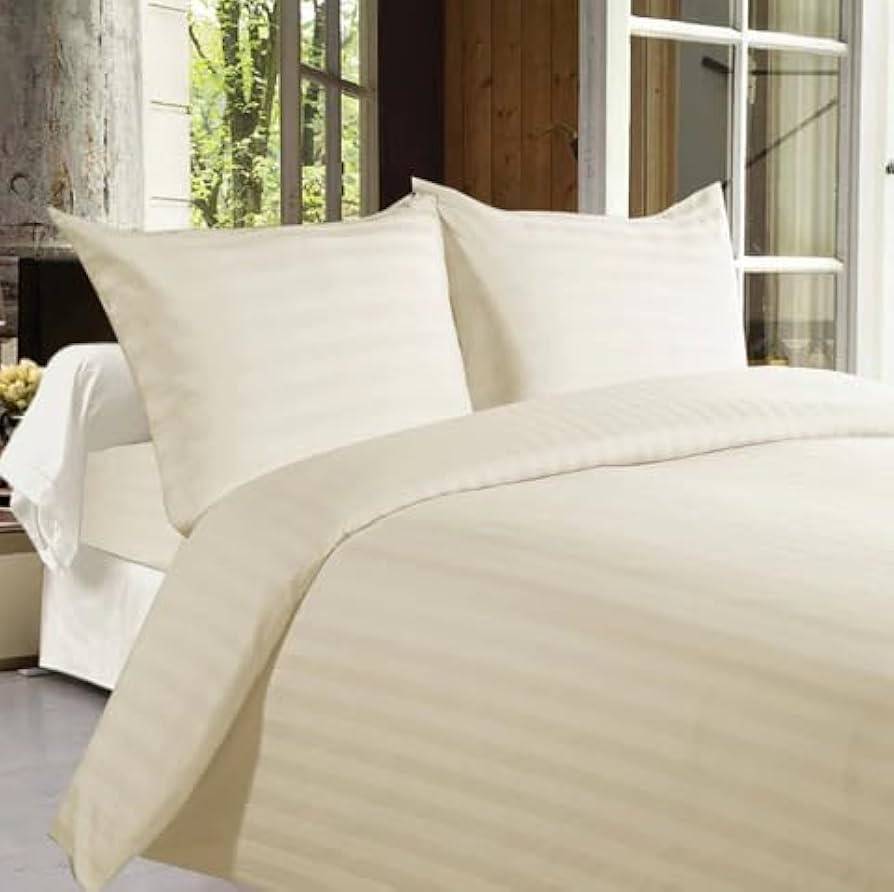
Bedroom Furniture: Beds, wardrobes, dressers, nightstands, and mirrors.
-
Dining Room Furniture: Dining tables, chairs, sideboards, and bar stools.
-
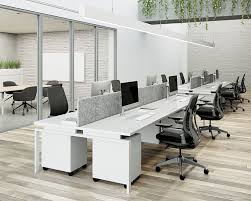
Office Furniture: Desks, office chairs, filing cabinets, and storage units.
-
Outdoor Furniture: Patio chairs, garden tables, hammocks, and loungers.
Each category serves a specific function, but all pieces must complement one another to create a balanced, harmonious space.
1.2. Materials Used in Furniture
Furniture materials affect its appearance, durability, and maintenance. Common materials include:
-
Wood: Classic and durable; popular options include teak, oak, mahogany, and pine.
-
Metal: Sleek and sturdy; often used for modern and industrial designs.
-
Plastic: Lightweight, affordable, and available in various colors.
-
Glass: Adds elegance and openness to spaces; often used in tabletops and shelves.
-
Upholstery: Fabrics, leather, and faux leather used for chairs, sofas, and headboards.
Combining materials, such as wood and metal, is a popular trend that brings warmth and modernity to interior design.
2. The Growing Importance of Kids’ Furniture
Children’s rooms require a different approach compared to adult spaces. Kids’ furniture must balance functionality, safety, and creativity. It should provide children with comfort while promoting play, learning, and independence.
2.1. What Makes Kids’ Furniture Unique
Kids’ furniture is specifically designed for younger users. The proportions are smaller, edges are rounded for safety, and the materials are often non-toxic and easy to clean. Bright colors and fun designs make children feel comfortable in their own space, encouraging imagination and self-expression.
2.2. Essential Pieces of Kids’ Furniture
Some of the most popular and useful items in children’s rooms include:
-
Kids’ Beds: Available in various styles such as bunk beds, loft beds, or themed beds (cars, castles, etc.).
-
Study Tables and Chairs: Encourage focus and organization during study time.
-
Toy Storage Units: Help children learn tidiness and responsibility.
-
Bookshelves: Promote reading habits and easy access to learning materials.
-
Wardrobes and Dressers: Sized appropriately for kids to reach and manage their own clothes.
2.3. Safety Considerations
Safety is the top priority when choosing kids’ furniture. Key factors include:
-
Non-toxic materials and finishes: Paints and varnishes should be free from harmful chemicals.
-
Rounded edges: To prevent injuries from sharp corners.
-
Stable construction: Furniture should not tip over easily.
-
Anti-tip brackets: Especially important for tall furniture like wardrobes and bookshelves.
-
Soft-close mechanisms: Prevent fingers from getting caught in drawers or lids.
3. Design Trends in Furniture and Kids’ Furniture
The world of furniture design is constantly evolving, influenced by lifestyle changes, technology, and sustainability trends. Let’s look at some of the most popular design movements shaping modern homes.
3.1. Minimalist Design
Minimalism focuses on simplicity, clean lines, and functional beauty. The “less is more” approach highlights quality over quantity. Neutral tones like white, beige, and gray dominate minimalist interiors, creating calm and clutter-free environments.
3.2. Multifunctional Furniture
With smaller homes and apartments becoming more common, multifunctional furniture is gaining popularity. Examples include sofa beds, extendable dining tables, and storage ottomans. For children’s rooms, a loft bed with built-in storage and a study desk is a great space-saving solution.
3.3. Sustainable Furniture
Eco-friendly furniture made from recycled materials, reclaimed wood, or bamboo is in demand. Sustainability is also about durability—choosing pieces that last longer reduces waste and supports environmental conservation.
3.4. Smart Furniture
Technology is transforming the furniture industry. Smart desks with adjustable heights, wireless charging tables, and LED-lit wardrobes are becoming mainstream. For kids, adjustable study desks and ergonomic chairs help promote healthy posture as they grow.
3.5. Themed Kids’ Furniture
Children love themed furniture inspired by their favorite cartoons, animals, or adventure stories. From car-shaped beds to fairy-tale dressers, themed furniture turns a child’s room into an imaginative play area.
4. Choosing the Right Furniture for Your Home
Selecting furniture involves more than just picking attractive pieces. It requires understanding your space, needs, and lifestyle.
4.1. Assessing Your Space
Measure the dimensions of your rooms before purchasing any furniture. Consider how each piece will fit and how much walking space remains. Overcrowding can make a room feel smaller and less functional.
4.2. Defining Your Style
Your furniture should reflect your personality. Whether you prefer modern minimalism, rustic charm, or classic elegance, consistency in color, texture, and design helps create visual harmony.
4.3. Quality Over Quantity
High-quality furniture may cost more initially but offers better durability and comfort. Check for sturdy construction, quality materials, and smooth finishes.
4.4. Comfort and Ergonomics
Comfort is crucial, especially for frequently used items like sofas, chairs, and beds. Ergonomic designs support posture and reduce fatigue—an important consideration for both adults and children.
4.5. Maintenance and Durability
Choose materials that are easy to clean and maintain. For families with young children, stain-resistant fabrics and scratch-proof surfaces are practical options.
5. Designing Kids’ Spaces with Furniture
A child’s room is more than just a sleeping area—it’s a place to play, study, and grow. Furniture plays a key role in organizing and defining these spaces.
5.1. Creating Zones
Divide the room into zones for different activities: sleeping, studying, and playing. Use rugs, shelves, or furniture placement to define these areas visually.
5.2. Space-Saving Ideas
If space is limited, choose furniture that serves multiple purposes. Examples include:
-
Bunk Beds: Great for siblings sharing a room.
-
Storage Benches: Combine seating and storage.
-
Foldable Desks: Ideal for small study corners.
5.3. Colors and Themes
Colors influence mood and behavior. Soft tones like blue, green, and yellow promote calmness and focus, while vibrant hues like red and orange can inspire creativity. Themed décor can reflect your child’s interests and make the room feel special.
5.4. Involving Kids in the Process
Allowing children to choose some elements of their room gives them a sense of ownership. They are more likely to keep the room organized and appreciate their personal space.
6. Furniture Maintenance Tips
Proper care extends the life of your furniture. Here are some maintenance practices to follow:
-
Dust Regularly: Use soft cloths or vacuum attachments to prevent buildup.
-
Avoid Direct Sunlight: Prolonged exposure can fade fabric and wood finishes.
-
Use Coasters and Mats: Protect surfaces from spills and heat.
-
Tighten Screws and Hinges: Check furniture joints periodically.
-
Follow Manufacturer Instructions: Each material requires specific cleaning methods.
For kids’ furniture, periodic inspection is essential to ensure all components remain secure and safe for use.
7. Future of Furniture Design
The furniture industry continues to evolve, influenced by sustainability, technology, and lifestyle trends. Some emerging innovations include:
-
Modular Furniture: Flexible pieces that can be rearranged or expanded.
-
3D-Printed Furniture: Custom designs made with precision and minimal waste.
-
Augmented Reality Shopping: Allows buyers to visualize furniture in their homes before purchase.
-
Smart Kids’ Furniture: Equipped with sensors to monitor posture or sleep patterns.
As urban living becomes denser, furniture that adapts to small spaces while maintaining comfort and style will continue to dominate.
9. The Role of Furniture in Enhancing Home Décor and Lifestyle
Furniture is more than a necessity—it is an expression of personal taste and lifestyle. The right pieces influence how a space feels, looks, and functions. In modern homes, furniture plays a central role in setting the tone for interior design, shaping how people interact with their surroundings.
9.1. Furniture as a Reflection of Personality
Every home tells a story, and furniture is one of its strongest storytellers. The furniture style you choose—be it contemporary, vintage, rustic, or minimalist—reveals aspects of your character and preferences. For example, someone drawn to Scandinavian furniture values simplicity, natural materials, and clean lines, while lovers of classic furniture often appreciate rich textures, ornate details, and a sense of timeless elegance.
In kids’ furniture, personality shines through vibrant colors and playful designs. Parents often select furniture that matches their child’s interests—whether it’s a princess-themed bed for a young girl or a race-car bed for a boy who loves speed. These thoughtful choices make children feel understood and valued.
9.2. Furniture Layout and Space Planning
Good interior design depends on how furniture is arranged. The placement of each item affects traffic flow, balance, and functionality. In small apartments, intelligent space planning can make a compact area feel open and organized. Modular furniture and built-in storage solutions are ideal for such spaces.
In children’s rooms, layout planning ensures safety and convenience. The bed should be placed away from windows or electrical outlets, while play areas need open space free of sharp-edged furniture. Study tables should receive ample natural light to support healthy reading habits.
9.3. Furniture and Well-Being
Research shows that the design and layout of furniture can influence mental and physical well-being. Ergonomic furniture supports posture, reduces fatigue, and improves productivity. Comfortable sofas and supportive chairs encourage relaxation, while clutter-free arrangements promote calmness and focus.
In kids’ furniture, ergonomic designs are equally vital. Adjustable desks and chairs allow children to maintain correct posture as they grow, preventing back and neck strain. Soft, rounded furniture edges reduce accidents and create a safe, stress-free environment.
10. Sustainable Choices in Modern Furniture Design
Sustainability has become a key priority for furniture designers and consumers alike. As awareness of environmental issues grows, people are turning to eco-friendly furniture that balances aesthetics with responsibility.
10.1. Eco-Friendly Materials
Modern furniture manufacturers increasingly use sustainable materials such as bamboo, rattan, cork, and reclaimed wood. These renewable resources reduce deforestation and minimize carbon footprints. In addition, eco-friendly furniture often features natural finishes and non-toxic paints that are safer for both humans and the environment.
Kids’ furniture brands are particularly focusing on sustainable production. Using water-based paints, biodegradable materials, and recyclable packaging helps reduce environmental impact while ensuring safety for children.
10.2. Durability and Reusability
One of the simplest ways to promote sustainability is to choose durable furniture that lasts. Quality craftsmanship ensures furniture pieces withstand wear and tear for years. Instead of replacing items frequently, reusing and repurposing furniture contributes to waste reduction.
For instance, a wooden baby crib can later be converted into a toddler bed or a study table. Such multifunctional designs extend the life of furniture while adapting to a child’s changing needs.
10.3. The Rise of Local Craftsmanship
Buying locally made furniture not only supports small businesses but also reduces transportation emissions. Artisans often use traditional methods that preserve cultural heritage while creating unique, handmade pieces. Whether it’s a carved wooden chair or a handwoven rattan basket, local craftsmanship adds authenticity and warmth to a home.
11. Blending Functionality and Aesthetics in Furniture Design
Modern consumers demand furniture that is both practical and visually appealing. A beautiful piece is valuable only if it serves its purpose efficiently. Designers now strive to merge these two aspects seamlessly.
11.1. Functional Beauty
Every item in the home should serve a function, but that doesn’t mean it can’t be attractive. Furniture design today focuses on blending usability with elegance. A sleek bookshelf can double as a decorative room divider. An ottoman can store toys while offering comfortable seating.
In children’s furniture, functional beauty often appears in clever design details. A study desk with built-in shelves saves space and encourages organization. A toy chest with soft-close lids ensures safety while maintaining a neat appearance.
11.2. The Influence of Colors and Textures
Colors and textures greatly influence how furniture feels within a room. Earthy tones such as beige, brown, and olive create warmth, while cool shades like blue and gray add calmness. Texture—whether from smooth leather, soft fabric, or rough wood grain—adds depth and interest.
For kids’ furniture, color psychology plays an important role. Soft pastels help create a soothing sleep environment, while brighter colors inspire playfulness and creativity. Combining textures—like wooden frames with fabric cushions—adds tactile stimulation that children enjoy.
11.3. Customization and Personalization
Customization has become a major trend in the furniture industry. Homeowners now seek furniture that reflects their exact tastes, needs, and lifestyle. Custom designs allow for specific dimensions, materials, and finishes that perfectly fit a room’s layout.
In kids’ furniture, personalization adds emotional value. Parents can include a child’s name, favorite color, or theme on furniture pieces, turning them into meaningful keepsakes. Personalized study desks or beds not only look unique but also make children feel special.
12. Smart Furniture and Technology Integration
Technology has made its way into every part of modern life, and furniture design is no exception. Smart furniture combines innovative design with advanced features to improve convenience, efficiency, and comfort.
12.1. Smart Home Integration
In smart homes, furniture can now connect with devices like lighting systems, thermostats, and speakers. For example, a smart nightstand may include wireless charging pads, built-in Bluetooth speakers, and motion-activated lighting. Such integration simplifies daily life while maintaining a sleek aesthetic.
12.2. Adjustable and Ergonomic Designs
Adjustable-height desks and motorized recliners are becoming increasingly common. These innovations allow users to modify furniture to suit their comfort levels and posture. For children, height-adjustable desks and chairs promote ergonomic sitting habits, preventing physical strain during study hours.
12.3. Technology for Kids’ Safety and Development
Some kids’ furniture now includes safety sensors or educational tech features. Smart cribs can monitor a baby’s sleep patterns, while interactive desks can include LED lights and digital organizers to help older children manage their study schedules.
While technology adds convenience, it’s crucial to ensure that electronic components in kids’ furniture are well-insulated and safe for use.
13. Cultural Influences on Furniture Design
Furniture styles around the world reflect unique cultural identities. Traditional designs often carry centuries of craftsmanship and symbolism, influencing modern trends.
13.1. European Influence
European furniture styles, particularly from France and Italy, are known for elegance, detailed carving, and luxurious materials. These designs often inspire classic and vintage furniture pieces used in formal living rooms and dining spaces.
13.2. Asian Aesthetics
Asian furniture design emphasizes balance, simplicity, and harmony. Japanese minimalism, for example, focuses on natural wood, clean lines, and neutral tones. Chinese furniture, on the other hand, often showcases intricate joinery and lacquered finishes.
In kids’ furniture, Scandinavian influences are highly popular. Clean lines, bright colors, and space-efficient designs make Scandinavian-style children’s rooms both practical and aesthetically pleasing.
13.3. Fusion of Styles
Globalization has led to a fusion of furniture styles. Mixing rustic wooden tables with contemporary metal chairs or pairing vintage dressers with modern lighting creates visually dynamic spaces. For kids, themed furniture often blends global aesthetics—like a jungle-themed room with Scandinavian simplicity.
14. Psychological Impact of Furniture on Children
Furniture not only provides comfort and organization—it also affects how children think, behave, and feel within their environment.
14.1. Encouraging Independence
Appropriately sized kids’ furniture teaches children independence. When wardrobes, drawers, and beds are within easy reach, kids learn to dress themselves, organize their toys, and maintain cleanliness. Such autonomy builds confidence and responsibility.
14.2. Boosting Creativity
Colorful and engaging furniture stimulates imagination. A creatively designed bed or a themed study area encourages children to play, read, and explore new ideas. Having their own personalized space inspires creativity and emotional security.
14.3. Supporting Learning and Focus
A well-organized study corner with ergonomic furniture helps improve concentration. The right desk height and chair support proper posture, while good lighting reduces eye strain. Kids who have a dedicated study space are more likely to develop disciplined learning habits.
14.4. Promoting Rest and Relaxation
Comfortable kids’ furniture promotes healthy sleep and relaxation. A good-quality mattress and supportive bed frame ensure restful nights, while cozy reading corners provide a peaceful retreat during the day.
15. Furniture Shopping Tips for Families
Buying furniture, especially for children, requires careful planning and research. Here are some practical tips to make the process easier.
15.1. Plan Before You Purchase
Create a floor plan and list your needs before shopping. Measure available space to avoid overcrowding. Think about future needs—children grow quickly, so adjustable furniture can save money in the long run.
15.2. Prioritize Safety and Comfort
Always check for safety certifications, especially for kids’ furniture. Avoid sharp corners, ensure stability, and verify that materials are free from harmful chemicals. Comfort should never be compromised for aesthetics.
15.3. Consider Functionality
Select furniture that serves multiple purposes. Storage beds, convertible cribs, and foldable desks are ideal for maximizing small spaces while keeping rooms tidy and practical.
15.4. Match with Existing Décor
New furniture should blend with your existing home décor. Choose colors, materials, and finishes that complement your walls, flooring, and lighting.
15.5. Set a Budget Wisely
Quality furniture is an investment. Compare options and choose durable materials that offer long-term value rather than opting for the cheapest items available. This approach ensures safety and satisfaction over time.
16. The Emotional Value of Furniture in Family Life
Beyond design and function, furniture carries emotional significance. It becomes part of family memories—shared meals around a dining table, bedtime stories in a child’s favorite bed, or quiet evenings on a living room sofa. These pieces witness daily moments of connection and growth.
Kids’ furniture, in particular, often holds sentimental value. The crib that once held a newborn may later be passed down to siblings, symbolizing continuity and love. Such emotional connections make furniture more than a physical possession—it becomes a meaningful part of family history.
Conclusion
Furniture is more than just decoration—it defines how we live, work, and relax. Every piece has a purpose, from the cozy sofa in the living room to the sturdy study desk in your child’s bedroom. Well-chosen furniture enhances both functionality and aesthetics, making a house truly feel like home.
When it comes to kids’ furniture, the stakes are even higher. It must be safe, durable, and designed to grow with the child. From adjustable study tables to creative storage solutions, investing in quality children’s furniture supports learning, play, and healthy development.
Whether you’re furnishing a new home or upgrading your current one, prioritize comfort, safety, sustainability, and timeless design. These elements will ensure your furniture not only serves today’s needs but also stands the test of time—creating spaces that nurture family life and reflect your unique personality.