The hyacinth flower is widely recognised for its rich fragrance, compact shape, and strong spring presence. In gardens across the UK and USA, hyacinths are valued as early bloomers that bring colour and scent when winter is just ending. Whether grown in outdoor beds, containers, or indoor pots, the hyacinth plant fits easily into traditional and modern landscapes.
Botanically known as Hyacinthus orientalis, the hyacinth belongs to the asparagus family and originates from the eastern Mediterranean region. Over centuries of cultivation, this plant has been bred into many colours and forms, with the blue hyacinth remaining one of the most popular choices. Its deep blue to violet shades are often associated with calmness, renewal, and spring freshness.
This article explores hyacinth flowers, their characteristics, growth habits, planting needs, and long-term hyacinth care, using clear language and practical explanations suitable for gardeners in temperate climates.
Understanding the Hyacinth Plant
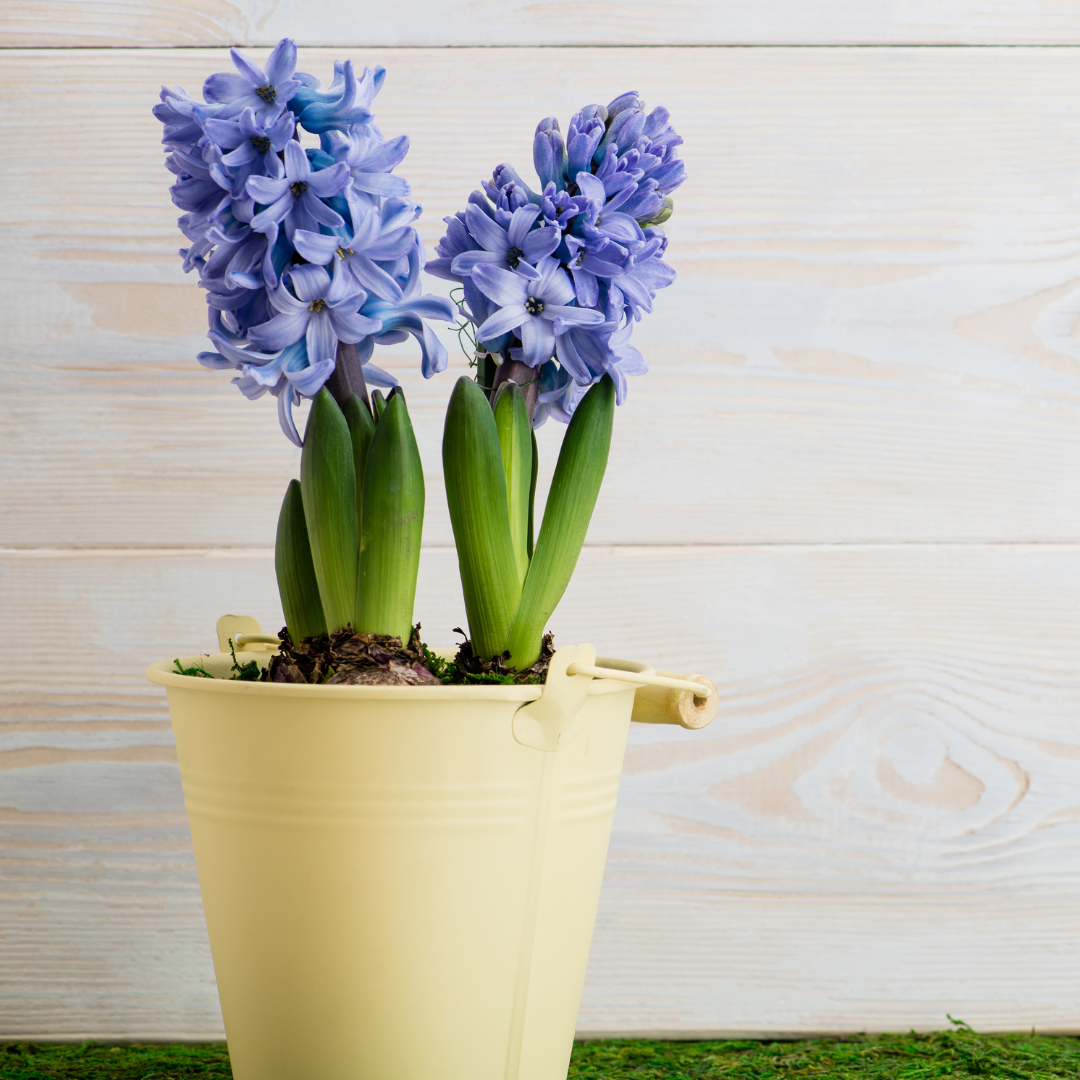
The hyacinth is a bulbous perennial, meaning it grows from an underground bulb and returns year after year when conditions are right. Each bulb produces a cluster of narrow, upright green leaves and a central flower spike. This spike carries dozens of small, star-shaped blossoms packed closely together, giving the flower its signature dense appearance.
Hyacinths typically grow between 6 and 12 inches tall. Their compact size makes them suitable for borders, edging paths, window boxes, and mixed spring displays. Because they bloom early, hyacinths pair well with daffodils, crocuses, and early tulips.
One of the defining features of hyacinth flowers is their strong scent. Even a few plants can perfume an entire garden corner or indoor space, making fragrance a key reason for their continued popularity.
The Appeal of Blue Hyacinth
Among all colour variations, the blue hyacinth stands out as a classic choice. Its tones range from pale sky blue to deep indigo, depending on the variety and growing conditions. Blue hyacinths are often planted in clusters to create a bold visual impact, especially in spring borders.
In both UK and US gardens, blue hyacinths are frequently used in formal designs, cottage gardens, and naturalised areas. Their colour works well alongside white hyacinths for contrast or with yellow daffodils for a vibrant seasonal display.
Beyond appearance, blue hyacinths generally perform reliably in cooler climates, making them a practical as well as aesthetic option.
Seasonal Growth Cycle of Hyacinths
Understanding the growth cycle helps with effective hyacinth plant care. The plant follows a clear seasonal pattern:
-
Autumn: Bulbs are planted while soil temperatures are cooling.
-
Winter: Roots develop underground while top growth remains dormant.
-
Early spring: Leaves emerge, followed by flower spikes.
-
Late spring: Flowers fade, but leaves continue growing to store energy.
-
Summer: Leaves die back, and the bulb enters dormancy.
This cycle explains why post-flowering care is essential. Even after blooms fade, the plant is still active below the surface.
Planting Hyacinth Bulbs Successfully
Soil Requirements
Proper soil preparation is central to planting hyacinth bulbs. Hyacinths prefer well-drained soil, as excess moisture can cause bulb rot. Sandy or loamy soil types are ideal, but heavier soils can be improved with organic matter or horticultural grit.
A neutral to slightly acidic soil pH works best. In raised beds or containers, good drainage holes are essential.
Planting Depth and Spacing
Hyacinth bulbs are usually planted 4 to 6 inches deep, measured from the base of the bulb. Spacing of about 3 to 5 inches allows enough room for root development while still creating a full display.
Plant bulbs with the pointed end facing upwards. Once planted, gently firm the soil and water lightly to settle it.
Timing for UK and USA Climates
In the UK, hyacinth bulbs are typically planted from September to November. In most parts of the USA, planting takes place from October through December, depending on local frost dates. The goal is to plant before the ground freezes, allowing roots to establish.
Hyacinths Care During Growth
Watering Needs
Moderate watering is key to effective hyacinths care. During active growth and flowering, soil should be kept slightly moist but never waterlogged. Overwatering is one of the most common causes of poor performance.
Once flowering ends and leaves begin to yellow, watering should be reduced gradually.
Light Requirements
Hyacinths thrive in full sun to partial shade. At least six hours of sunlight per day encourages strong stems and vibrant flowers. In warmer regions of the USA, light afternoon shade can help prevent stress.
Indoor-grown hyacinths should be placed in bright, indirect light to prevent weak, floppy growth.
Temperature and Climate Tolerance
Hyacinths are well suited to temperate climates. They require a period of cold to trigger flowering, which is why they perform so well in UK gardens and northern US states. In warmer climates, pre-chilled bulbs are often used.
Care of Hyacinth After Flowering
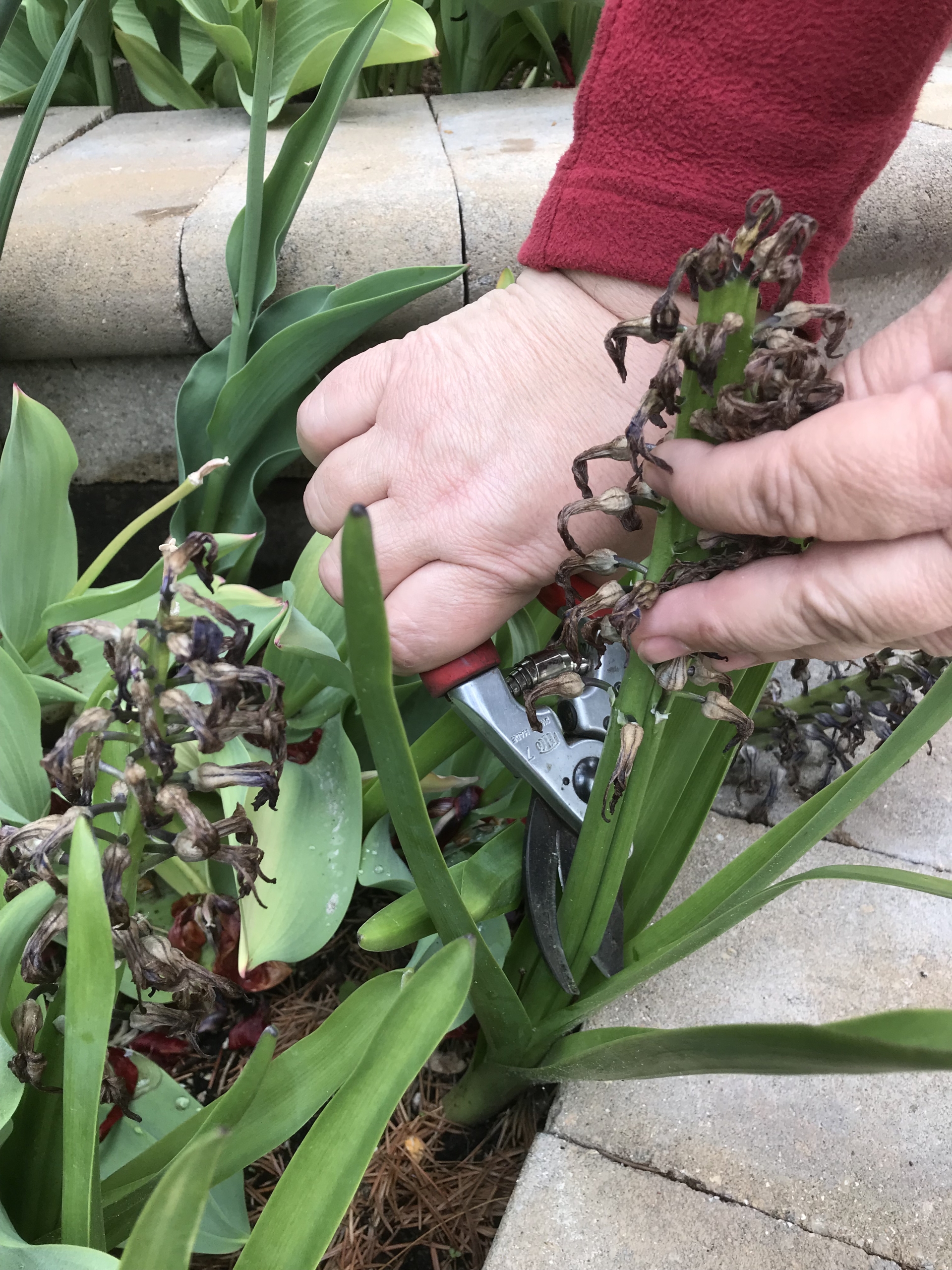
Post-bloom care is often overlooked but is critical for future flowering. Once blooms fade:
-
Remove the spent flower stalk to prevent seed formation.
-
Leave the leaves intact until they turn yellow naturally.
-
Continue light watering during this period.
The leaves photosynthesise and store energy in the bulb for the next season. Cutting them back too early can weaken the plant and reduce future blooms.
After leaves die back, bulbs can remain in the ground or be lifted and stored in a cool, dry place, depending on soil conditions and garden design.
Fertilising Hyacinths
Hyacinths benefit from light feeding, especially in poor soils. A balanced, slow-release fertiliser applied at planting time supports root development. In spring, a low-nitrogen fertiliser can be applied as shoots emerge.
Avoid excessive feeding, as this can lead to lush leaf growth at the expense of flowers.
Hyacinth Plant Care in Containers
Container-grown hyacinths are popular in patios, balconies, and indoor displays. When growing hyacinths in pots:
-
Use high-quality, free-draining compost.
-
Ensure containers have adequate drainage holes.
-
Avoid overcrowding bulbs.
Containers dry out faster than garden beds, so regular monitoring is important. However, the same rule applies: consistent moisture without saturation.
After flowering, container-grown bulbs can be transplanted into the garden or allowed to complete their growth cycle in the pot.

Common Issues in Hyacinth Care
Weak or Drooping Stems
This issue often results from insufficient light or overly warm indoor conditions. Providing brighter light and cooler temperatures helps maintain strong stems.
Poor Flowering
Poor blooms may be caused by:
-
Bulbs planted too shallow
-
Lack of chilling
-
Early removal of leaves in the previous season
Addressing these factors improves flowering in future years.
Bulb Rot
Bulb rot is usually linked to poor drainage. Improving soil structure and reducing watering frequency can prevent this problem.
Longevity and Naturalising Hyacinths
While hyacinths are technically perennials, many gardeners notice reduced flowering after the first year. This is normal, as modern hybrids are bred for strong initial displays.
In naturalised settings, hyacinths can still return for several years, especially if conditions are favourable. Allowing foliage to die back naturally and avoiding disturbance increases longevity.
Some gardeners choose to replant fresh bulbs every few years to maintain visual impact.
Fragrance and Indoor Use
The fragrance of hyacinth flowers makes them popular for indoor growing. Bulbs can be forced to bloom indoors by providing a cold period followed by warmth and light.
Indoor hyacinths should be placed away from direct heat sources and rotated regularly to encourage even growth. While beautiful, their scent can be intense in small spaces, so ventilation is important.
Hyacinths in Garden Design
Hyacinths are versatile plants that fit many garden styles:
-
Formal gardens: Used in symmetrical beds and borders.
-
Cottage gardens: Mixed with other spring perennials for a natural look.
-
Urban spaces: Grown in containers and window boxes.
Their early bloom time fills a gap between winter and late spring, making them valuable in seasonal planning.
Environmental Considerations
Hyacinths are generally low-maintenance and do not require chemical treatments when grown in suitable conditions. Using organic soil amendments and encouraging natural drainage supports healthy growth.
Because they bloom early, hyacinths also provide an early nectar source for pollinators emerging in spring.
Hyacinth Flowers Across the Seasons
Although their flowering period is relatively short, hyacinth flowers leave a lasting impression. Their bold colours, distinctive shape, and fragrance make them memorable additions to any landscape.
By understanding hyacinth care, planting hyacinth correctly, and providing suitable post-flowering attention, gardeners in the UK and USA can enjoy reliable spring displays year after year.
Conclusion
The hyacinth flower remains a timeless spring plant valued for its colour, scent, and structure. From the classic blue hyacinth to softer pastel shades, hyacinths offer versatility and seasonal interest. With well-drained soil, appropriate planting depth, and thoughtful care of hyacinth plants throughout the year, these bulbs continue to reward gardeners with early beauty and fragrance.
Whether grown in garden beds, containers, or indoor pots, hyacinths reflect the balance between simplicity and impact, making them an enduring choice in temperate gardens.