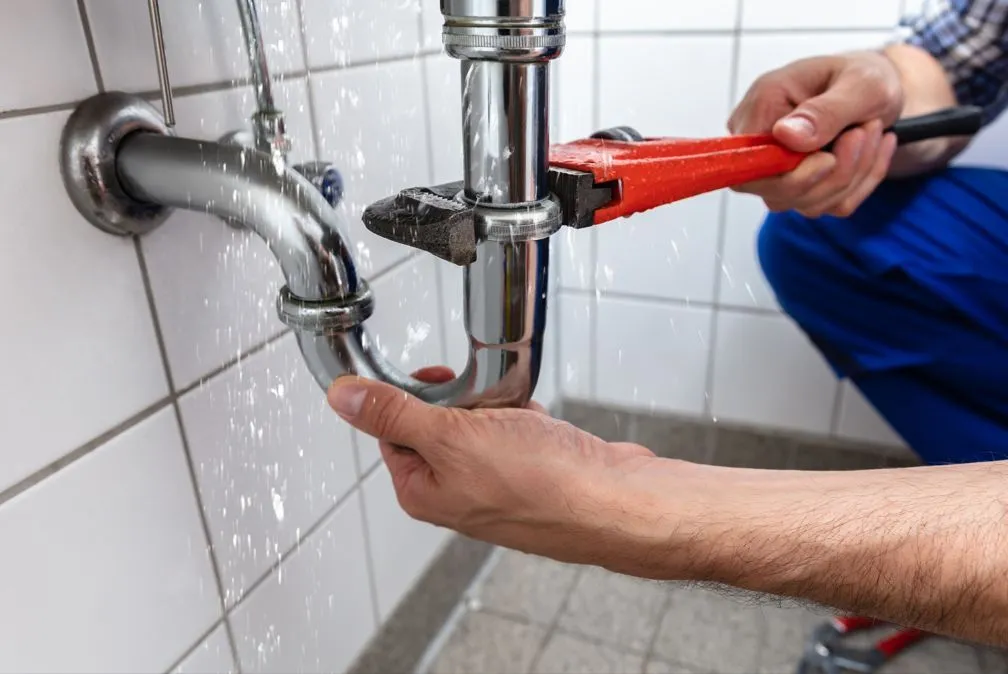
PVC plumbing systems are widely used across the United States for residential and commercial construction. From irrigation lines in California to drain, waste, and vent systems in Texas and Florida, polyvinyl chloride (PVC) pipe remains one of the most common materials in modern plumbing.
Table of Contents
ToggleMany homeowners and contractors search for information such as:
-
PVC pipe how to glue
-
How to connect PVC pipe
-
Prime and glue PVC
-
How to glue PVC to PVC
-
Cementing PVC pipe
-
How to use PVC glue
-
Gluing plastic pipe
Understanding the correct method for gluing PVC pipes is critical because improper installation can lead to leaks, pressure loss, or pipe failure. This article explains the technical process behind solvent welding, proper surface preparation, and safe cementing practices in accordance with common U.S. plumbing standards.
What Is PVC Pipe and Why It’s Used in Plumbing


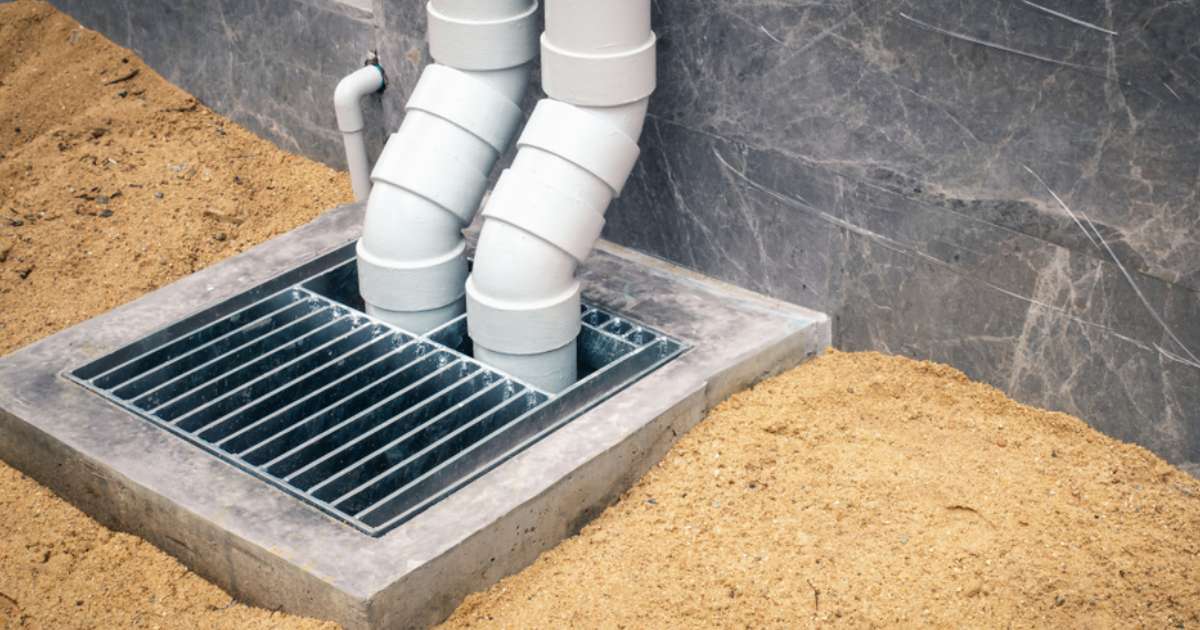
PVC (polyvinyl chloride) is a durable plastic material used for:
-
Drain, waste, and vent (DWV) systems
-
Irrigation lines
-
Cold water supply lines
-
Pool plumbing
-
Underground drainage
PVC is lightweight, corrosion-resistant, and easy to install compared to copper or cast iron.
Most residential plumbing codes in the United States reference standards established by organizations such as International Code Council, which regulate proper pipe joining methods.
Understanding Solvent Welding: How PVC Glue Actually Works
Many people believe PVC glue functions like standard adhesive. In reality, PVC cement creates a chemical bond called solvent welding.
When asking “how to glue PVC to PVC,” the answer involves:
-
Softening the outer surface of both pipe and fitting
-
Fusing the materials together
-
Creating a single, solid joint after curing
PVC cement temporarily dissolves the plastic surface, allowing molecular fusion between pieces.
Tools and Materials Required for Gluing PVC Pipes
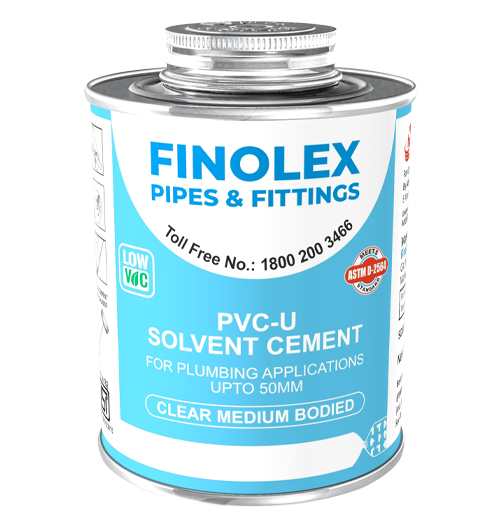


Before cementing PVC pipe, gather:
-
PVC primer
-
PVC cement (appropriate type for pipe size and pressure rating)
-
Clean rag
-
PVC pipe cutter or saw
-
Deburring tool or utility knife
-
Measuring tape
In most U.S. states, plumbing codes require primer before cementing, especially for pressure systems.
Step-by-Step: PVC Pipe How to Glue Properly
Step 1: Measure and Cut the Pipe
Use a pipe cutter for a straight, clean cut. Angled cuts may cause poor sealing.
Step 2: Deburr and Clean
Remove burrs from inside and outside edges. Clean surfaces to remove dirt or moisture.
Step 3: Dry Fit First
Before applying cement, assemble the pipe and fitting without glue to confirm proper alignment.
Step 4: Prime and Glue PVC


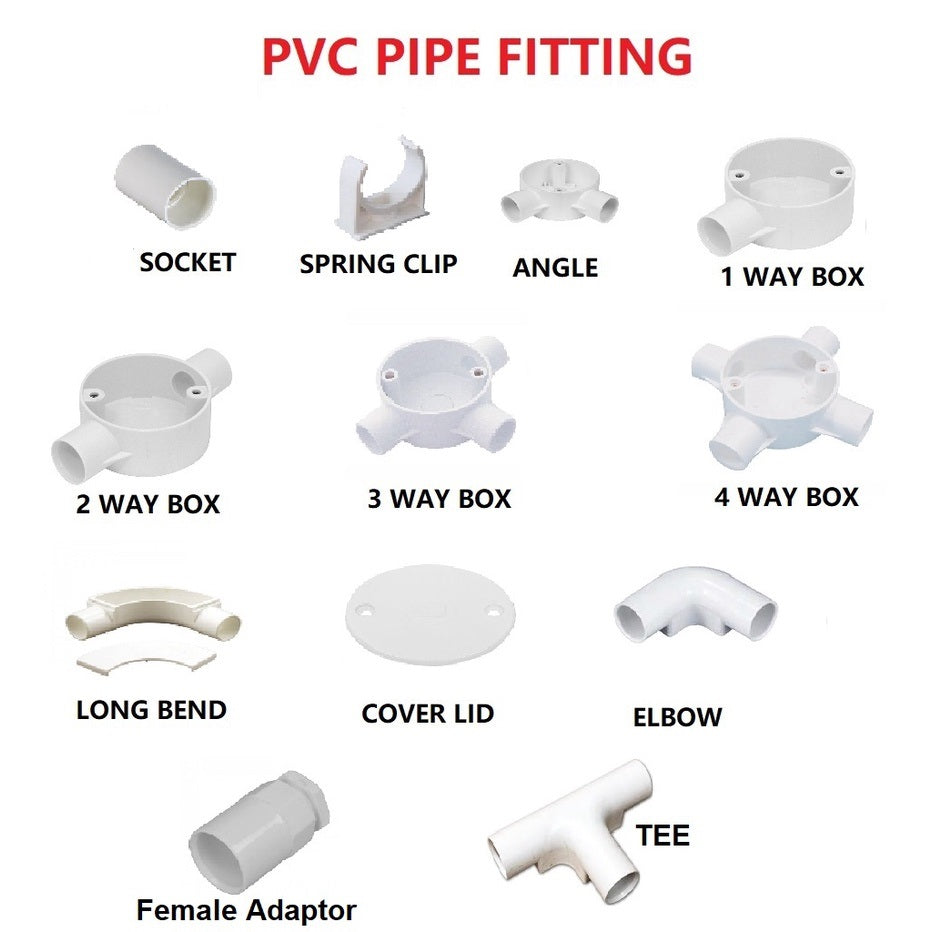
Apply primer to:
-
The outside of the pipe
-
The inside of the fitting
Primer cleans and softens the plastic surface.
Then apply PVC cement evenly to both surfaces.
Step 5: Insert and Twist
Immediately insert the pipe fully into the fitting while twisting a quarter turn. This ensures even cement distribution.
Step 6: Hold in Place
Hold the joint firmly for 20–30 seconds to prevent push-out.
How to Use PVC Glue Safely
PVC cement contains strong solvents and should be used:
-
In well-ventilated areas
-
Away from open flames
-
With protective gloves
The Occupational Safety and Health Administration recommends proper ventilation when working with solvent-based materials.
How to Connect PVC Pipe in Different Applications
PVC pipe connections vary depending on system type.
1. Drain Systems (Non-Pressurized)
Used for sink drains, shower drains, and vent stacks.
Requires primer and cement but does not operate under pressure.
2. Pressure Systems
Used for irrigation or water supply.
Requires proper curing time before pressurizing.
3. Underground Installations
Must account for soil movement and proper bedding.
In irrigation-heavy states like Arizona, correct solvent welding ensures leak-free performance under pressure.
Cementing PVC Pipe: Cure Times and Drying
Curing time depends on:
-
Pipe diameter
-
Temperature
-
Humidity
-
Type of cement
In warmer climates like Nevada, curing may occur faster than in colder regions such as Minnesota.
Typical guidelines:
-
Wait at least 15 minutes before handling.
-
Wait 2–24 hours before full pressure use (depending on pipe size).
Always follow manufacturer instructions.
Common Mistakes When Gluing PVC Pipes
1. Skipping Primer
Without primer, bonding strength decreases significantly.
2. Applying Too Much Cement
Excess cement can weaken pipe walls.
3. Twisting Too Much After Joining
Excess movement may break the initial bond.
4. Not Holding the Joint
Push-out can create gaps in the seal.
Gluing Plastic Pipe in Cold Weather
Cold temperatures affect solvent welding.
In colder states such as Michigan:
-
Store cement indoors before use.
-
Allow longer cure times.
-
Avoid installation below manufacturer’s minimum temperature.
Cold PVC is more rigid and less forgiving during assembly.
PVC Plumbing: Indoor vs Outdoor Installations
Indoor PVC Plumbing
Typically used for drain systems and vent stacks.
Requires careful alignment to prevent leaks inside walls.
Outdoor PVC Plumbing
Common in irrigation systems and pool plumbing.
Must account for UV exposure and soil movement.
Proper support spacing is essential to prevent sagging.
Different Types of PVC Cement
Not all PVC glue is the same.
Regular Clear Cement
Used for smaller diameter pipes.
Medium-Body Cement
Suitable for larger pipes.
Heavy-Body Cement
Used for industrial or large-diameter systems.
Transition Cement
Used for joining PVC to ABS plastic.
Choosing correct cement ensures structural integrity.
How to Glue PVC to PVC After a Repair Cut

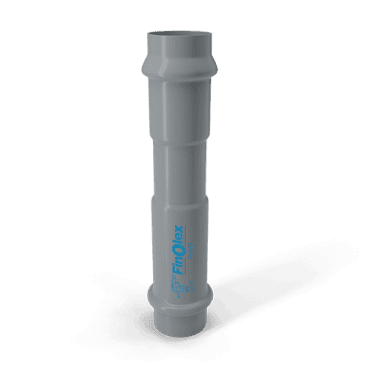
When repairing damaged sections:
-
Cut out the damaged pipe.
-
Deburr edges.
-
Install a coupling or repair sleeve.
-
Prime and glue as normal.
Repair couplings simplify tight-space installations.
Testing the Joint After Cementing
Once cured:
-
Check visually for gaps.
-
Gently tug to ensure firm connection.
-
Test with low water pressure first.
Leaks often result from misalignment or incomplete insertion.
PVC Pipe in Building Codes
Most residential plumbing in the United States must comply with state-adopted plumbing codes based on standards from the International Code Council.
These codes specify:
-
Approved joining methods
-
Pipe support spacing
-
Pressure testing requirements
Always verify local code compliance before major plumbing projects.
Long-Term Durability of Properly Glued PVC
When correctly installed:
-
Joints can last decades
-
Resistant to corrosion
-
Suitable for underground burial
Improperly glued joints, however, may fail prematurely.
Environmental Considerations
PVC cement contains volatile organic compounds (VOCs). Use in ventilated spaces and dispose of containers responsibly according to local regulations.
Final Perspective on Gluing PVC Pipes in the USA
Understanding PVC pipe how to glue procedures is essential for safe and durable plumbing installations. Whether connecting drain systems, cementing PVC pipe for irrigation, or performing small home repairs, proper primer application and solvent welding technique ensure long-lasting joints.
Knowing how to connect PVC pipe correctly reduces the risk of leaks and structural failures. Prime and glue PVC surfaces carefully, allow adequate curing time, and follow code requirements.
From residential plumbing in suburban homes to agricultural irrigation systems across the United States, gluing plastic pipe remains a foundational skill in modern construction and maintenance.
When performed correctly, solvent welding creates a permanent bond stronger than the pipe itself—providing reliability and performance for years to come.