A roof leak is one of the most common and potentially damaging issues faced by homeowners in the UK and the USA. Even a small, slow leak can lead to significant problems if left unaddressed, including structural damage, mould growth, insulation failure, and interior water staining. For this reason, repair roof leak concerns are not simply cosmetic issues but matters of long-term building integrity.
Table of Contents
ToggleRoof leaking repair involves understanding where water enters the structure, how roofing systems are designed to shed moisture, and why failures occur over time. Whether the task involves fixing roof leaks caused by ageing materials or repairing storm-related damage, the underlying principles remain the same. This article examines roof leaks in detail, focusing on causes, identification, repair of roofing systems, and broader considerations for residential properties in the UK and USA.
How Roofing Systems Are Designed to Prevent Leaks
A roof functions as a layered system rather than a single surface. Its primary role is to direct water away from the building while allowing the structure to breathe and adapt to temperature changes. When all components work together, water intrusion is prevented even during heavy rainfall or snowmelt.
Key roofing elements include:
-
Roof covering (tiles, shingles, or sheets)
-
Underlayment that provides secondary protection
-
Flashing around joints and penetrations
-
Gutters and drainage systems
When one or more of these components fails, the need to fix leak in roof conditions arises. Understanding this layered design helps explain why leaks often appear far from their actual source.
Common Causes of Roof Leaks
Roof leaks develop for several reasons, many of which are linked to age, weather exposure, or installation quality. Identifying the cause is a critical step before attempting to fix leaky roof problems.
Weather-Related Damage
In the UK, prolonged rainfall and wind-driven rain are frequent contributors to roof leaks. In the USA, damage may also result from hail, hurricanes, or snow accumulation. Over time, repeated exposure weakens roofing materials and creates entry points for water.
Material Deterioration
Roofing materials naturally degrade. Asphalt shingles lose granules, tiles crack, and metal roofs may corrode at joints. As materials age, the likelihood of requiring roof repairs increases.
Flashing Failure
Flashing seals areas where the roof meets chimneys, vents, skylights, and walls. Improperly installed or deteriorated flashing is a leading cause of fixing a leaky roof scenarios, as these joints are especially vulnerable to water penetration.
Blocked Drainage Systems
Clogged gutters and downpipes prevent water from draining effectively. When water backs up, it can seep under roofing materials, creating leaks even when the roof covering itself appears intact.
Signs That Indicate a Roof Leak
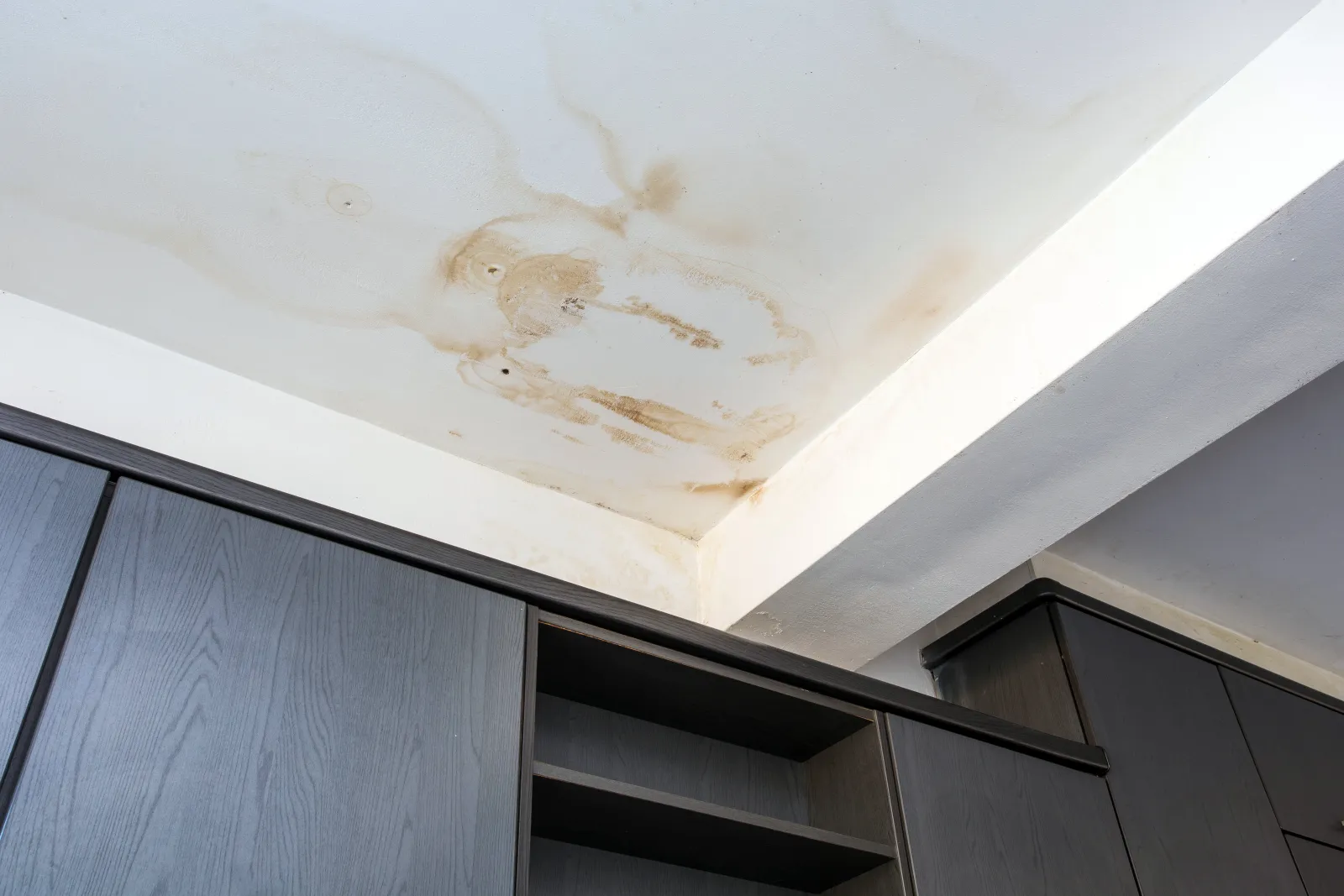
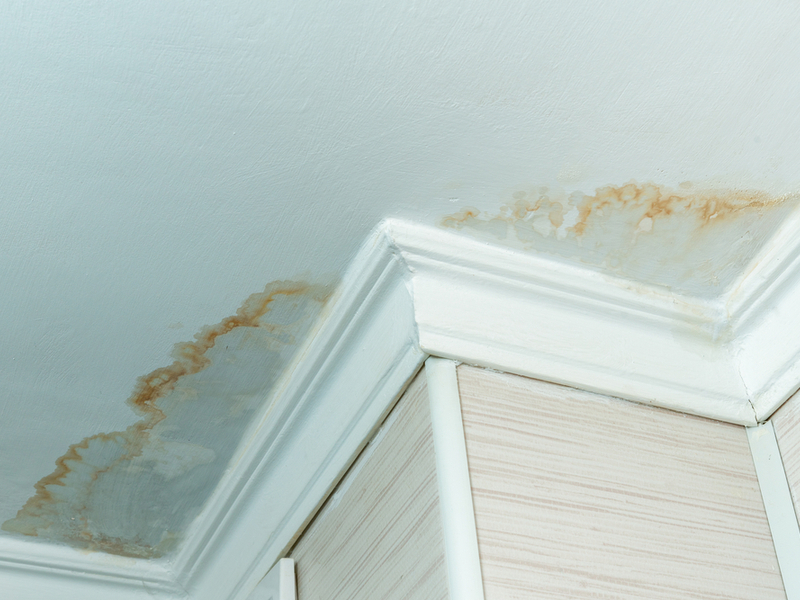

Roof leaks are not always immediately visible. In many cases, water travels along structural elements before appearing inside the home. Recognising early warning signs helps prevent more extensive damage.
Common indicators include:
-
Water stains on ceilings or walls
-
Peeling paint or bubbling plaster
-
Damp insulation in loft or attic spaces
-
Mould growth near rooflines
-
Dripping sounds during rainfall
When these signs appear, prompt roof leaking repair reduces the risk of secondary damage to the building interior.
Locating the Source of a Roof Leak
One of the most challenging aspects of fixing roof leaks is locating the true entry point. Water does not always drip directly below the damaged area, especially on pitched roofs.
Roof inspections typically involve:
-
Examining the roof covering for visible damage
-
Checking flashing around penetrations
-
Inspecting valleys where roof sections meet
-
Reviewing attic spaces for moisture trails
In both the UK and USA, professional inspections often follow safety guidance issued by organisations such as Occupational Safety and Health Administration or standards outlined in UK Health and Safety Executive to minimise fall risks during roof access.Fix Roof Leak Issues in Different Roofing Types
Roof leaks present differently depending on the roofing system in place. Understanding these differences is essential when planning repair of roofing structures.
Pitched Tile Roofs
Common in the UK, pitched tile roofs may develop leaks due to cracked tiles, slipped tiles, or damaged underlay. Water may enter beneath the tiles even if only one tile is compromised.
Asphalt Shingle Roofs
Widely used in the USA, asphalt shingles can fail due to granule loss, lifting edges, or nail penetration. Fix leaky roof issues often involve replacing damaged shingles and resealing surrounding areas.
Flat Roof Systems
Flat roofs rely heavily on membrane integrity and drainage. Ponding water, membrane splits, or joint failures are frequent causes of leaks. Fixing a leaky roof on flat structures often requires careful inspection of seams and outlets.
Temporary Measures Versus Permanent Roof Repairs
When a roof leak occurs during heavy weather, temporary measures may be used to limit interior damage. These steps are not substitutes for proper repair but can help manage immediate risks.
Temporary actions may include:
-
Placing protective coverings over damaged areas
-
Redirecting water using temporary channels
-
Collecting interior drips to prevent floor damage
Permanent roof repairs address the underlying cause rather than the symptoms. Whether repairing flashing, replacing materials, or improving drainage, lasting solutions ensure the roof continues to perform as intended.
Repair Roof Leak and Structural Considerations
Roof leaking repair is not only about stopping water intrusion but also about preserving structural integrity. Prolonged exposure to moisture can weaken timber framing, corrode metal fasteners, and reduce insulation effectiveness.
In older properties, particularly in the UK, roof repairs must also consider the building’s original construction methods. Traditional materials may behave differently from modern systems, requiring compatible repair techniques.
In the USA, building codes often reference standards such as the International Residential Code to ensure repairs meet safety and durability requirements.
Fixing Roof Leaks Around Chimneys and Vents
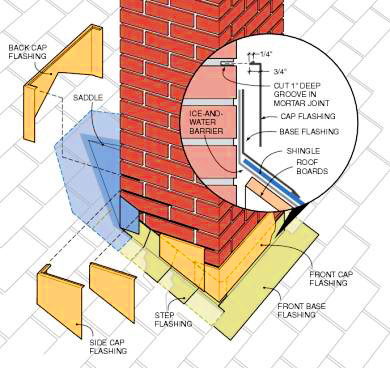
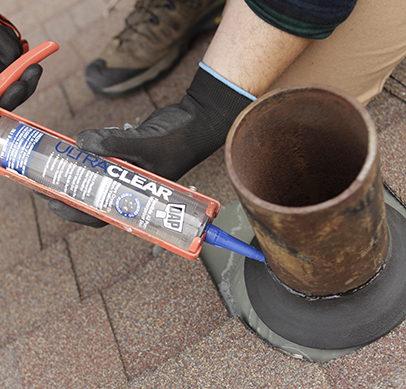
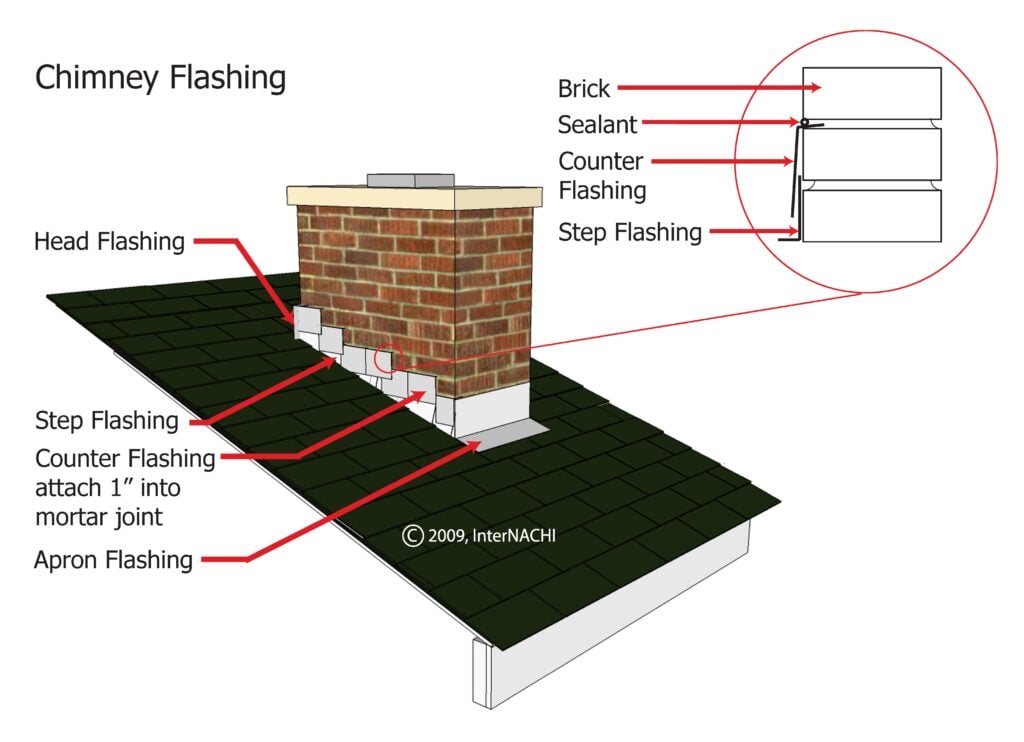
Chimneys and vents are among the most common locations for roof leaks. These penetrations interrupt the continuous roof surface, creating potential weak points.
Leaks in these areas are often caused by:
-
Cracked or loose flashing
-
Deteriorated sealants
-
Movement between roof and structure
Repair a leaking roof around penetrations typically involves replacing flashing and ensuring proper overlap with surrounding roofing materials.
Interior Damage Resulting From Roof Leaks
The effects of roof leaks extend beyond the roof itself. Water intrusion can damage ceilings, walls, flooring, and electrical systems. In severe cases, mould growth poses health concerns.
Organisations such as Centers for Disease Control and Prevention highlight the risks associated with indoor mould exposure, reinforcing the importance of timely roof repairs.
In the UK, environmental health guidelines similarly emphasise moisture control as a key factor in maintaining healthy living conditions.
Seasonal Factors Influencing Roof Leak Repairs
Seasonal conditions influence both the likelihood of leaks and the approach to repairs.
-
Winter: Snow, ice, and freeze-thaw cycles can widen existing cracks.
-
Spring: Heavy rainfall often reveals hidden issues.
-
Summer: Heat can cause material expansion and contraction.
-
Autumn: Falling debris may block drainage systems.
Understanding seasonal impacts helps prioritise roof repairs and reduce unexpected failures.
Fix Leak in Roof and Preventative Maintenance
Preventative maintenance reduces the need for emergency repairs. Regular inspections identify minor issues before they escalate into serious leaks.
Maintenance activities include:
-
Clearing gutters and downpipes
-
Checking flashing and seals
-
Replacing damaged roofing elements
-
Monitoring attic ventilation
In both the UK and USA, routine roof maintenance is recognised as a cost-effective way to extend roof lifespan.
Repair of Roofing and Building Regulations
Roof repairs are often subject to local regulations, particularly when significant work is involved. In the UK, UK Building Regulations may apply, especially if repairs affect structural elements or insulation.
In the USA, local building departments enforce compliance with residential codes to ensure safety and performance. While minor repairs may not require permits, larger roof repairs often do.
Understanding regulatory frameworks ensures that roof repairs are both effective and compliant.
When Roof Repairs Become Roof Replacement Decisions
Repeated roof leaking repair efforts may eventually indicate that a roof has reached the end of its service life. Frequent leaks, widespread material deterioration, and structural concerns often signal that ongoing repairs are no longer sufficient.
At this stage, broader evaluation of the roofing system helps determine whether targeted repairs or more comprehensive solutions are appropriate. This assessment balances cost, performance, and long-term reliability.
Safety Considerations During Roof Leak Repairs
Roof work carries inherent risks, particularly falls. Safety considerations are essential whether repairs are minor or extensive.
Key safety principles include:
-
Avoiding roof access during wet or icy conditions
-
Using appropriate ladders and fall protection
-
Ensuring stable footing
Guidance from organisations such as UK Health and Safety Executive and Occupational Safety and Health Administration underscores the importance of risk awareness.
Long-Term Impact of Unrepaired Roof Leaks
Ignoring roof leaks can lead to cumulative damage. Structural timber may rot, insulation may lose effectiveness, and interior finishes may require replacement. Over time, repair costs increase significantly compared to early intervention.
In climates with high humidity or frequent rainfall, such as many parts of the UK and coastal USA, moisture-related damage progresses more rapidly. This reality reinforces the value of prompt roof leaking repair.
Conclusion
Repair roof leak issues are among the most critical maintenance tasks in residential buildings. Whether the need arises to fix roof leak damage caused by weather, material ageing, or flashing failure, timely attention helps preserve both structural integrity and interior comfort.
From fixing roof leaks around chimneys to addressing widespread wear across roofing systems, the repair of roofing demands careful inspection, informed decision-making, and adherence to safety and regulatory standards. By understanding how roofs function and why leaks develop, homeowners in the UK and the USA can approach roof repairs with greater confidence and clarity.
Ultimately, fixing a leaky roof is not just about stopping water—it is about protecting the long-term health, safety, and value of the home.