The toilet is one of the most essential fixtures in homes and public buildings across the United States. Despite its everyday use, many people have never stopped to think about how does a toilet work or how do toilets work. From flushing away waste to maintaining proper sanitation, toilets use a clever combination of water, gravity, and mechanical components to perform their job efficiently.
Understanding toilet how works and the internal components of a toilet can help homeowners troubleshoot common problems, recognize when repairs are needed, and even make informed decisions when replacing fixtures. This article explores the mechanisms behind modern toilets, explains the function of each component, and provides diagrams and descriptions for better understanding.
The Basic Principle of a Toilet
At its core, a toilet functions by using water to remove waste from the bowl and carry it through the plumbing system to the sewer or septic system. The process may seem simple, but it involves careful engineering to ensure that the flush is powerful enough to clear the bowl without wasting excessive water.
Key principles of how a toilet works include:
-
Gravity-assisted flush – Most toilets rely on gravity to move waste from the bowl into the trapway and into the drain.
-
Water seal – The water in the toilet bowl acts as a barrier to prevent sewer gases from entering the bathroom.
-
Controlled water release – The tank stores water and releases it in a controlled manner to generate enough force for flushing.
These principles are common to both standard gravity toilets and more advanced designs like dual-flush or pressure-assisted toilets.
Main Components of a Toilet
Understanding how a toilet flush works begins with identifying its major components.
1. Toilet Bowl
The toilet bowl is the lower part of the fixture that holds water and waste. It is designed with a curved trapway that guides waste into the drain. The bowl also maintains a small amount of water at the bottom to act as a seal against sewer gases.
2. Toilet Tank
The tank sits behind the bowl and stores water for flushing. When the toilet handle is activated, water is released from the tank into the bowl.
3. Flush Valve
The flush valve is a mechanism inside the tank that opens to allow water to flow into the bowl during a flush. When closed, it prevents water from flowing until the next flush.
4. Fill Valve
The fill valve, sometimes called a ballcock, refills the tank after a flush. It regulates the water entering the tank to reach the proper level.
5. Flapper
A flapper is a rubber or plastic valve at the bottom of the tank that lifts when the handle is pressed, allowing water to flow into the bowl. After the flush, the flapper closes, allowing the tank to refill.
6. Overflow Tube
The overflow tube prevents water from spilling over if the fill valve fails. Excess water flows directly into the bowl through this tube.
7. Handle and Lift Chain
The handle is connected to a lift chain or rod that raises the flapper during a flush. The chain ensures smooth operation and proper sealing when the flush is complete.
How a Toilet Flush Works
The flushing process is a sequence of carefully timed actions:
-
Activation – Pressing the handle lifts the flapper valve, releasing water from the tank.
-
Water Flow – Water rapidly enters the bowl, increasing the water level and creating a siphon effect in the trapway.
-
Siphoning – The curved trapway creates suction that pulls waste from the bowl into the drain.
-
Flapper Closes – After the tank empties, the flapper falls back into place, sealing the tank.
-
Refill – The fill valve opens to refill the tank and the bowl’s water level.
The siphoning effect is critical for efficient flushing. Without it, water would simply flow into the bowl without clearing waste.
Toilet Bowl and Trapway Design
The design of the toilet bowl and trapway plays a key role in flushing efficiency. Modern toilets are engineered to minimize water use while maintaining effective waste removal.
Siphon Jet Toilets
Some toilets feature a siphon jet or hole at the bottom of the bowl that directs water into the trapway, accelerating the siphon effect. This design improves flushing performance while using less water.
Trapway Shape
The trapway is an S-shaped passage inside the bowl that guides waste to the drain. Smooth, unobstructed trapways help prevent clogs and ensure a complete flush.
Water Level
The water in the bowl acts as a barrier to prevent odors and bacteria from escaping. Proper water level also aids in initiating the siphon during flushing.
Diagram of a Toilet

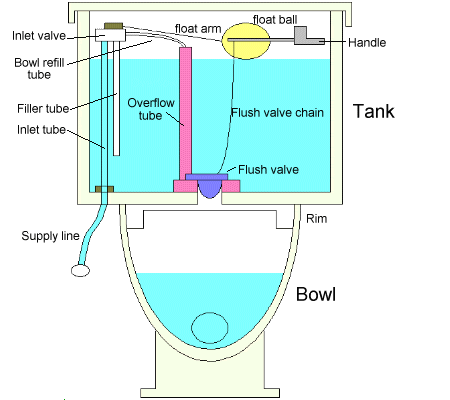
A typical toilet bowl diagram labels the following:
-
Tank
-
Flush valve
-
Fill valve
-
Flapper
-
Handle and lift chain
-
Overflow tube
-
Toilet bowl
-
Trapway
Visualizing these components makes it easier to understand how a toilet works and why each part is important.
Types of Toilet Flush Mechanisms
Different toilets use slightly different methods to move water and waste:
Gravity-Flush Toilets
The most common type in residential homes, gravity-flush toilets rely solely on gravity to move water and create the siphoning effect. These are simple, reliable, and cost-effective.
Pressure-Assisted Toilets
Pressure-assisted toilets use compressed air inside the tank to force water into the bowl, creating a more powerful flush. They are common in commercial settings and high-traffic bathrooms.
Dual-Flush Toilets
Dual-flush toilets allow users to select a partial or full flush, reducing water usage while still effectively clearing waste.
Common Toilet Problems and How the Mechanism Plays a Role
Understanding how toilets work helps diagnose problems:
Constantly Running Toilet
Often caused by a flapper that does not seal properly or a fill valve malfunction.
Weak Flush
Can be due to a low water level, clogged siphon jet, or a partially obstructed trapway.
Clogs
Usually occur in the trapway or drain. Using a plunger or auger can help, but proper flushing design reduces the likelihood.
Overflow
If the fill valve or overflow tube malfunctions, excess water can spill, which is why the overflow tube is essential for safety.
How Modern Toilets Conserve Water
In the United States, low-flow toilets are required in many regions to conserve water. They use roughly 1.28 gallons per flush compared with older models that use 3.5 to 7 gallons.
To maintain effectiveness with less water:
-
Trapway designs have improved
-
Siphon jets increase flush power
-
Dual-flush mechanisms allow selective water use
These innovations maintain efficiency without compromising cleanliness or sanitation.
Maintenance Tips for a Toilet
Regular maintenance keeps toilets functioning properly:
-
Inspect and replace worn flappers
-
Check fill valve operation
-
Clean siphon jets and bowl for mineral buildup
-
Ensure water level is at the recommended height
-
Tighten loose bolts on tank and bowl
Understanding how a toilet flush works ensures that maintenance is targeted and effective.
The Science Behind the Siphon
A key principle in toilet operation is the siphon effect:
-
As water rushes into the bowl, it fills the trapway and begins to pull waste along.
-
Once the trapway empties, air breaks the siphon, allowing a small amount of water to remain in the bowl as a seal.
This simple yet ingenious mechanism is the foundation of every effective flush.
Conclusion
From the basic gravity flush to advanced pressure-assisted or dual-flush toilets, understanding how a toilet works reveals the engineering behind one of the most essential household fixtures. The combination of the tank, flapper, fill valve, trapway, and siphon jet ensures that toilets can efficiently remove waste while preventing sewer gases from entering living spaces.
Whether troubleshooting a weak flush, replacing a flapper, or considering a low-flow replacement, knowledge of the toilet’s components and function is invaluable. With proper maintenance and understanding of the mechanics, toilets continue to provide safe, efficient, and reliable sanitation in homes and commercial buildings throughout the United States.