Mold in house environments is a common concern across the United States, especially in regions with high humidity, heavy rainfall, or frequent flooding. States such as Florida, Louisiana, Texas, and Washington often experience moisture conditions that support fungal growth indoors.
Table of Contents
ToggleMany homeowners ask:
-
How can you check for mold in your house?
-
How do you check for mold in your house safely?
-
What are mold tests, and are they reliable?
-
How to test for black mold?
-
Should I search for mold inspectors near me?
Understanding how mold develops, how testing for mold works, and when to contact mold testing companies near me helps homeowners respond effectively without unnecessary panic.
What Is Mold and Why Does It Grow Indoors?


Mold is a type of fungus that spreads through microscopic spores. These spores exist naturally in outdoor air. When they enter a home and land on damp surfaces, they can begin to grow.
Common indoor mold growth areas include:
-
Bathrooms with poor ventilation
-
Basements and crawl spaces
-
Attics with roof leaks
-
Around windows with condensation
-
Under sinks or behind appliances
Moisture is the primary factor. Without consistent dampness, mold cannot thrive.
Signs of Mold in House Environments
Before testing for mold, it is important to recognize common warning signs.
Visible Growth
-
Black, green, white, or gray patches
-
Fuzzy or slimy texture
-
Irregular spotting on drywall or wood
Musty Odor
A persistent earthy smell may indicate hidden mold behind walls or under flooring.
Water Damage History
Past flooding, plumbing leaks, or roof damage increase mold risk.
Health Symptoms
While not always directly linked, some individuals report:
-
Sneezing
-
Coughing
-
Irritated eyes
-
Worsened asthma
The Centers for Disease Control and Prevention explains that mold exposure may affect sensitive individuals differently.
How Can You Check for Mold in Your House?
Checking for mold involves both visual inspection and, in some cases, testing methods.
Step 1: Conduct a Visual Inspection
Walk through areas prone to moisture:
-
Bathrooms
-
Laundry rooms
-
Basements
-
HVAC systems
Use a flashlight to inspect corners, baseboards, and behind stored items.
Step 2: Check for Moisture Sources
Look for:
-
Leaking pipes
-
Roof stains
-
Peeling paint
-
Warped drywall
If moisture remains unaddressed, mold growth may continue.
Mold Tests: Understanding Your Options

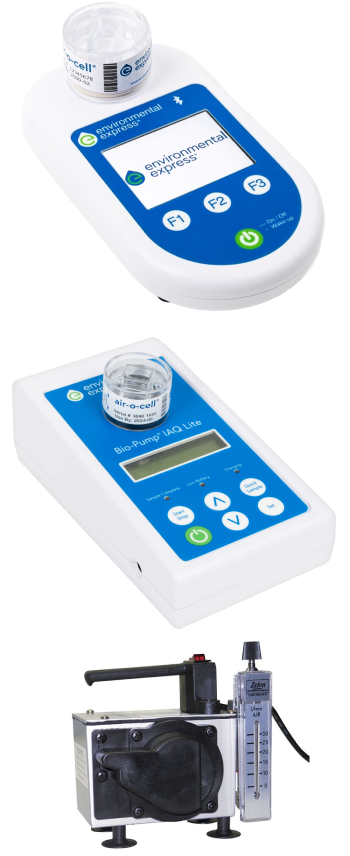

When visible inspection is not enough, mold tests can help determine spore levels or identify specific species.
There are two main approaches:
1. DIY Mold Test Kits
Available at hardware stores, these kits typically include:
-
Petri dishes for air sampling
-
Swabs for surface collection
-
Mail-in lab analysis options
DIY kits may indicate presence but often lack detailed interpretation.
2. Professional Testing for Mold
Licensed mold inspectors use:
-
Air sampling pumps
-
Surface tape lifts
-
Moisture meters
-
Infrared cameras
Professional mold testing companies near me typically provide written reports and recommendations.
How to Check for Black Mold

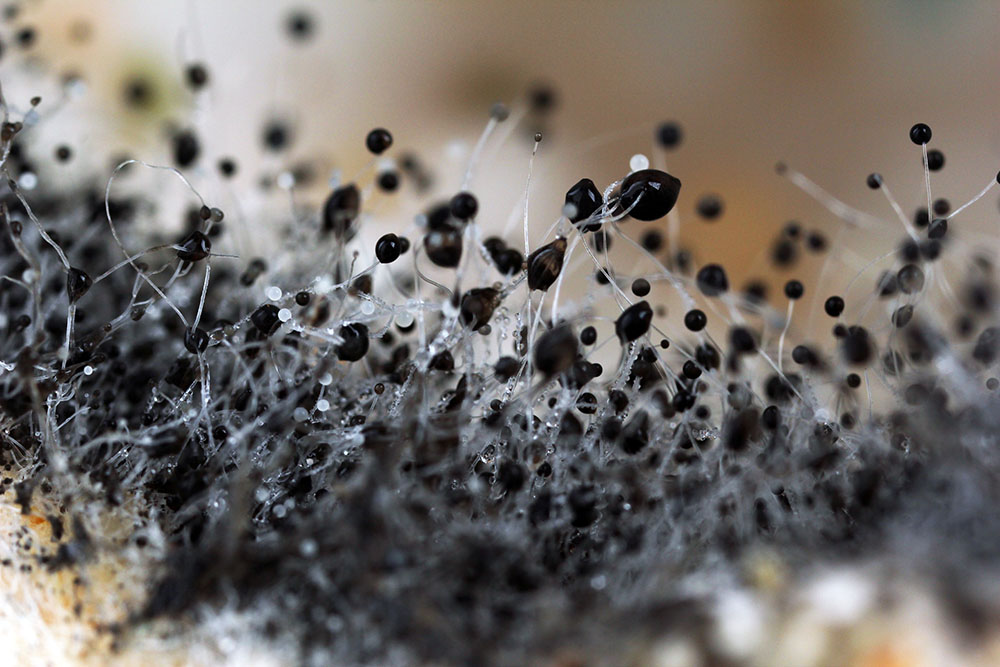

Many homeowners are specifically concerned about black mold, often associated with Stachybotrys chartarum.
Visual Indicators
-
Dark green or black slimy patches
-
Growth in water-damaged areas
-
Often found on drywall or ceiling tiles
However, not all black-colored mold is toxic. Laboratory testing is required to confirm species type.
When asking how to test for black mold, keep in mind:
-
Visual inspection alone cannot confirm toxicity.
-
Lab analysis is needed for accurate identification.
The Environmental Protection Agency notes that visible mold of any kind should be addressed, regardless of species.
How Do You Check for Mold in Your House Using Air Sampling?
Air testing measures airborne spore concentration.
Air Sample Testing Process
-
Air pump collects samples from indoor air.
-
Outdoor air sample is collected for comparison.
-
Lab analyzes spore count differences.
Higher indoor spore counts compared to outdoor levels may indicate active mold growth.
Air sampling is often used when mold is suspected behind walls or inside HVAC systems.
When to Search for Mold Inspectors Near Me
Professional inspection is recommended when:
-
Mold covers more than 10 square feet
-
There is hidden mold suspected inside walls
-
Health concerns are present
-
A home sale requires environmental inspection
Certified inspectors follow guidelines often aligned with standards from organizations such as American Industrial Hygiene Association.
Testing for Mold After Water Damage

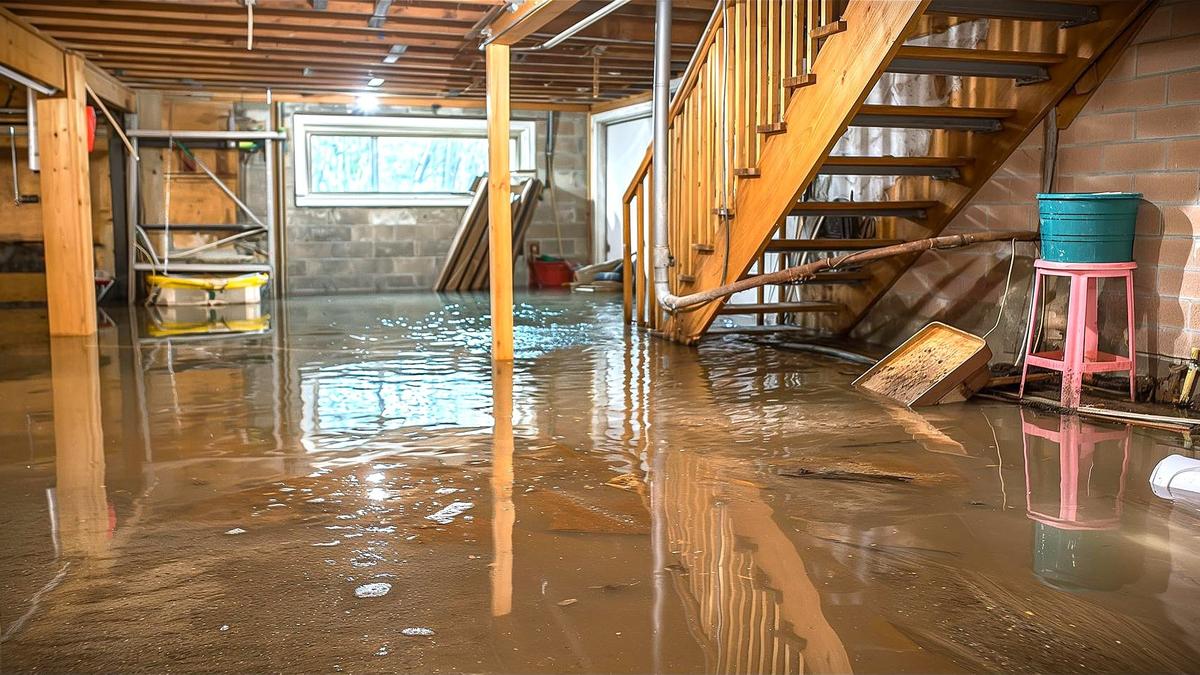
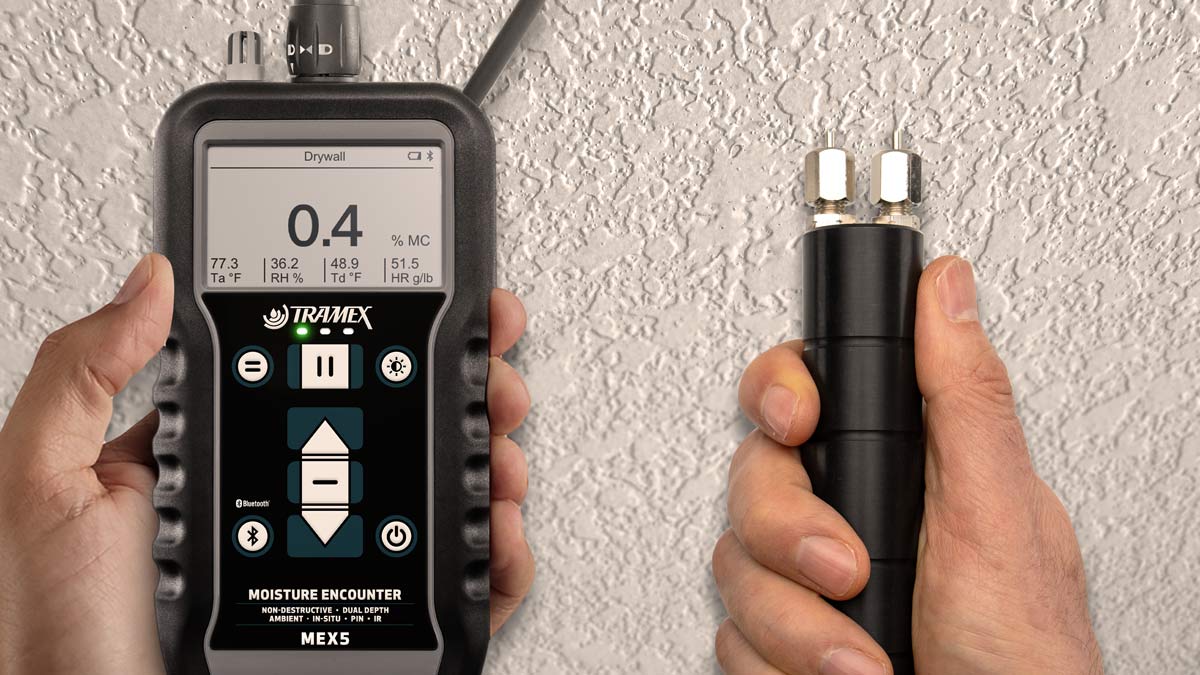
After hurricanes or heavy storms in states like North Carolina or New Jersey, water intrusion may lead to hidden mold growth.
Post-flood testing may include:
-
Moisture measurement
-
Thermal imaging
-
Air quality sampling
Early testing reduces the risk of structural damage.
Mold in House HVAC Systems
Air conditioning systems can distribute spores if mold grows inside ductwork.
Signs include:
-
Musty odor from vents
-
Visible growth around air handler
-
Excess humidity indoors
Professional HVAC inspection may be required to determine whether air conditioning repair or duct cleaning is necessary.
How Accurate Are Mold Tests?
Mold tests provide data but require interpretation.
Important considerations:
-
Mold spores exist in all indoor environments.
-
Presence alone does not equal a serious problem.
-
Moisture source identification is critical.
The EPA emphasizes that fixing water problems is more important than focusing solely on testing numbers.
Surface Testing vs. Air Testing
Surface Testing
Identifies mold type directly on a material.
Air Testing
Measures airborne concentration levels.
Both methods may be used together for a comprehensive assessment.
Common Indoor Mold Types in the USA
Although laboratory confirmation is required, common genera include:
-
Aspergillus
-
Cladosporium
-
Penicillium
-
Stachybotrys
Most are not dangerous in small amounts but indicate moisture imbalance.
How to Prevent Mold Growth After Testing
Once testing for mold confirms growth, prevention focuses on moisture control.
Moisture Reduction Strategies
-
Fix plumbing leaks promptly
-
Improve ventilation in bathrooms
-
Use dehumidifiers in humid climates
-
Maintain indoor humidity below 60%
Homes in humid southern states benefit from consistent HVAC operation and humidity management.
Mold Remediation vs. Mold Testing
Testing identifies presence. Remediation removes contamination.
Professional remediation may involve:
-
Removing contaminated drywall
-
HEPA vacuuming
-
Antimicrobial treatment
-
Containment barriers
Testing alone does not solve the issue.
Cost Considerations for Mold Inspection
Inspection costs vary based on:
-
Home size
-
Number of samples taken
-
Geographic location
-
Lab fees
In large metro areas such as Atlanta or Los Angeles, inspection fees may be higher than in smaller towns.
Should You Always Test Before Cleaning?
If mold is clearly visible and limited in area, professional guidelines often recommend cleaning and fixing moisture rather than extensive testing.
Testing is most valuable when:
-
Mold source is hidden
-
Legal or insurance documentation is needed
-
Health concerns are significant
Long-Term Monitoring and Home Maintenance
Regular home maintenance reduces mold risk.
Key Practices
-
Inspect roof annually
-
Maintain gutters
-
Seal windows
-
Monitor crawl spaces
Homes with basements should be checked regularly for humidity levels.
Final Perspective on Checking for Mold in Your House
Mold in house environments is primarily a moisture issue. Whether asking how can you check for mold in your house or how do you check for black mold, the answer begins with identifying water intrusion and visible growth.
Mold tests can provide useful information, especially when contamination is hidden. Searching for mold inspectors near me or mold testing companies near me may be appropriate in cases involving extensive damage or health concerns.
However, eliminating the moisture source remains the most effective long-term solution. Addressing leaks, improving ventilation, and maintaining consistent humidity levels protect indoor air quality and structural integrity.
Understanding how to test for black mold, when to conduct professional air sampling, and how to interpret mold tests allows homeowners across the United States to manage indoor environmental health with informed decisions rather than uncertainty.