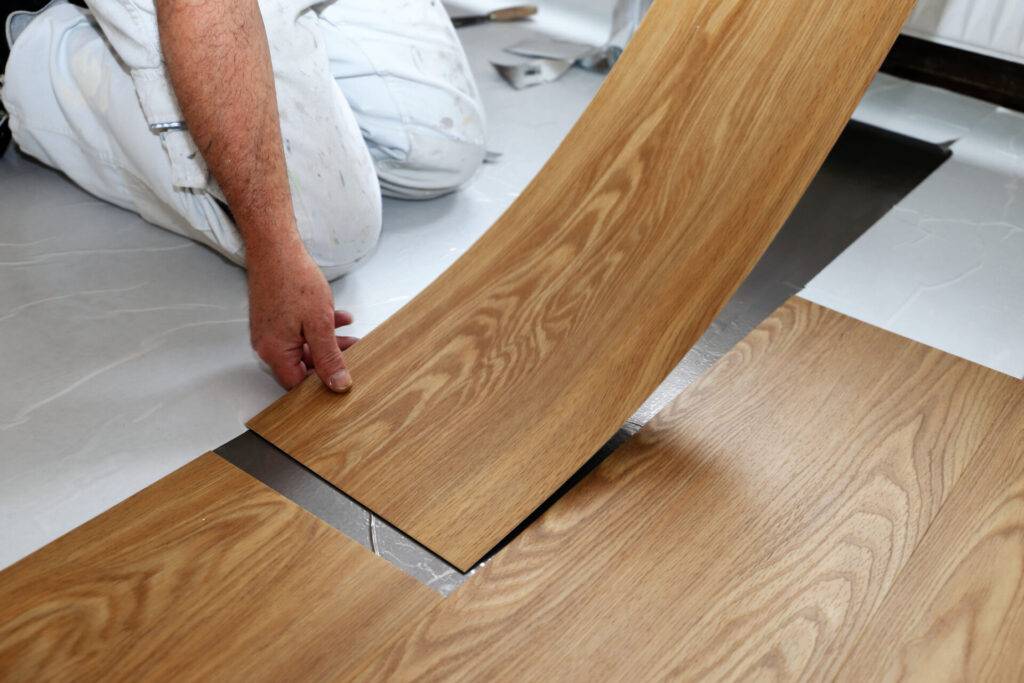
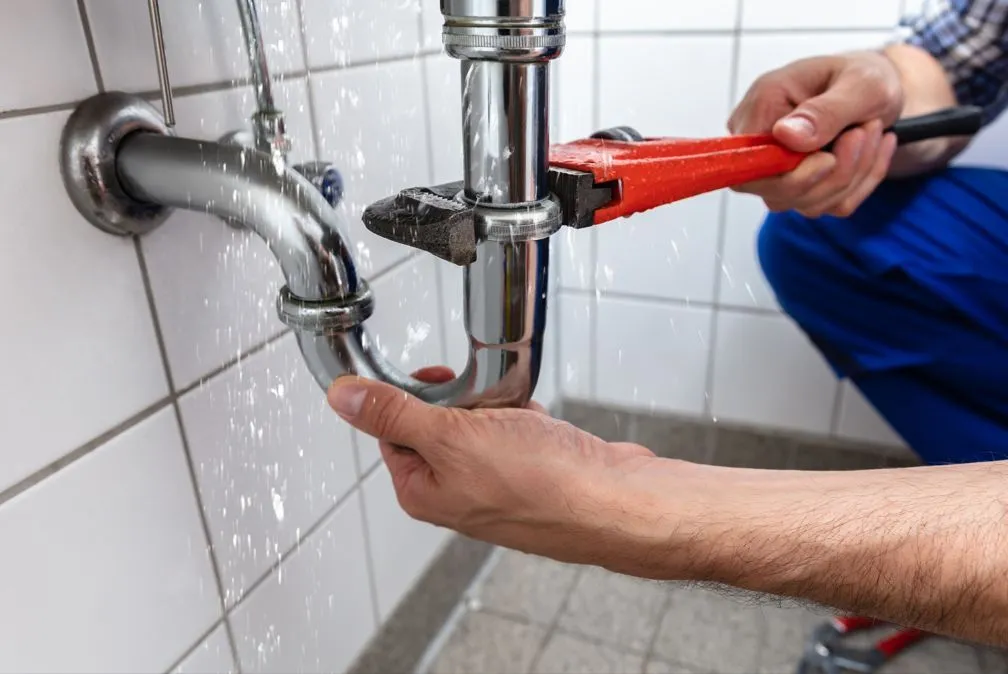
Home improvement is an ongoing process in every household. Whether it involves repairing damaged fixtures, upgrading spaces, constructing new features, or performing general maintenance, having the right tools and equipment is essential. Tools form the backbone of all DIY tasks and professional construction work, making home projects easier, faster, and more accurate. From basic hand tools to specialized power equipment, each tool plays a vital role in completing projects with precision and safety.
This comprehensive blog explores the importance of tools and equipment in home improvement, the different categories available, their uses, safety considerations, storage tips, and how the right tools contribute to efficient and reliable home repairs. Written in easy language and a professional tone, this article helps homeowners, DIY enthusiasts, and beginners understand what tools they need and how to use them responsibly.
1. Why Tools and Equipment Matter in Home Improvement
Tools are essential for all types of home improvement tasks—from minor repairs to major renovations. They make it possible to cut, drill, measure, fasten, lift, smooth, and assemble materials safely and effectively.
Benefits of using proper tools
-
Improved accuracy in cutting, measuring, drilling, and fastening
-
Higher efficiency, completing tasks more quickly
-
Enhanced safety through controlled operation
-
Better results, leading to durable and long-lasting repairs
-
Reduced labor costs, especially for DIY projects
-
Empowerment for homeowners who want control over their space
Without the correct equipment, tasks may become unsafe, time-consuming, and less effective.
2. Basic Hand Tools Every Homeowner Should Have
Hand tools form the foundation of any home improvement toolbox. They do not require electricity, making them reliable, portable, and easy to use.
1. Screwdrivers
Available in Phillips, flat-head, Torx, and multi-bit versions.
Used for assembling furniture, tightening fixtures, and general repairs.
2. Hammers
Claw hammers, sledgehammers, and mallets are used for driving nails, demolition, and shaping materials.
3. Wrenches
Adjustable wrenches, socket wrenches, and combination wrenches help with plumbing and mechanical tasks.
4. Pliers
Types include slip-joint, needle-nose, locking, and cutting pliers.
Used for gripping, pulling, twisting wires, and tightening small parts.
5. Utility Knife
Useful for cutting drywall, insulation, cardboard, and packaging.
6. Measuring Tape
Accurate measurements determine the success of construction, repairs, and installations.
7. Hand Saw
Used for cutting wood or trimming small sections without power tools.
8. Levels
Ensures shelves, frames, and furniture are perfectly aligned.
9. Chisels
Carving, scraping, or shaping wood and removing old materials.
Basic tools cover a wide range of essential tasks around the home.
3. Power Tools for Advanced Home Improvement
Power tools enhance precision and reduce manual effort, especially for larger or more complex projects.
1. Drill and Impact Driver
Drills handle boring holes and driving screws. Impact drivers add extra force for tougher materials.
2. Circular Saw
Cuts wood, plywood, and certain plastics quickly and accurately.
3. Jigsaw
Ideal for curved or intricate cuts in wood, metal, and plastic.
4. Power Sander
Smooths rough surfaces and helps with painting preparation.
5. Angle Grinder
Useful for grinding, cutting metal, tile, concrete, and sharpening tools.
6. Reciprocating Saw
Excellent for demolition, cutting PVC, trimming metal pipes, and removing old fixtures.
7. Air Compressor Tools
Can power nail guns, staplers, spray guns, and inflators.
8. Heat Gun
Used for stripping paint, shrinking plastic wrap, or loosening adhesives.
Power tools significantly speed up home improvement tasks and elevate precision.
4. Specialized Equipment for Specific Projects
Depending on the nature of a project, specialized tools may be required.
Carpentry Tools
-
Planers
-
Routers
-
Clamps
-
Workbenches
Plumbing Tools
-
Pipe wrenches
-
Plumber’s tape
-
Basin wrench
-
Pipe cutter
Electrical Tools
-
Voltage testers
-
Wire strippers
-
Circuit finders
-
Insulated screwdrivers
Painting Equipment
-
Paint rollers
-
Sprayers
-
Drop cloths
-
Sanding blocks
Masonry Tools
-
Trowels
-
Concrete mixers
-
Brick hammers
-
Masonry drill bits
Specialized equipment makes the job faster, cleaner, and more accurate for category-specific work.
5. Safety Gear in Home Improvement Tools and Equipment
Safety should always be a priority in any home improvement task.
Essential safety equipment includes:
-
Safety goggles
-
Work gloves
-
Ear protection
-
Dust masks or respirators
-
Steel-toe boots
-
Hard hats
-
Protective clothing
-
Knee pads
Why safety gear matters
-
Prevents injuries
-
Reduces exposure to dust, debris, and chemicals
-
Improves grip and handling of tools
-
Ensures compliance with recommended safety practices
Proper safety gear allows tools and equipment to be used with confidence and reduced risk.
6. Tool Materials and Build Quality
The durability and performance of tools depend heavily on the materials used to make them.
Common materials include:
-
High-carbon steel: Strong, durable, ideal for cutting tools
-
Chrome vanadium steel: Rust-resistant, used for sockets and wrenches
-
Aluminum: Lightweight, used for ladders and certain power tools
-
Fiberglass: Shock-absorbing handles for hammers and axes
Understanding materials ensures homeowners choose tools that last longer and perform better.
7. Home Improvement Tasks That Require Tools and Equipment
Tools are needed for a wide range of improvement tasks, including:
General Repairs
-
Fixing doors and windows
-
Repairing loose shelves
-
Replacing broken tiles
-
Tightening or replacing hardware
Interior Upgrades
-
Installing lights
-
Painting walls
-
Hanging mirrors and artwork
-
Building storage units
Outdoor Projects
-
Gardening and landscaping
-
Deck and fence repair
-
Installing outdoor lighting
-
Fixing gates
Construction and Renovation
-
Flooring installation
-
Drywall replacement
-
Kitchen and bathroom remodeling
-
Carpentry work
Tools empower homeowners to maintain, repair, and enhance their property responsibly.
8. Measuring and Marking Tools for Accuracy
Accuracy is critical in home improvement, and measuring tools help ensure precision.
Key measuring tools:
-
Tape measure
-
Speed square
-
Carpenter’s pencil
-
Laser level
-
Folding ruler
-
Chalk line
These tools prevent mistakes, material waste, and misaligned structures.
9. Lifting and Moving Equipment
Projects often require moving heavy items or lifting materials.
Common lifting equipment:
-
Hand trucks
-
Furniture sliders
-
Lifting straps
-
Work gloves
-
Dollies
-
Portable cranes or hoists
Such equipment reduces the risk of injury and makes heavy tasks much more manageable.
10. Fastening Tools and Equipment
Fastening tools help secure materials together.
Common fastening tools:
-
Nail guns
-
Screwdrivers
-
Impact drivers
-
Staple guns
-
Rivet tools
-
Wrenches and ratchets
Each tool serves a unique purpose in securing wood, metal, or plastic components effectively.
11. Cutting Tools for Various Materials
Cutting tools support trimming wood, metal, drywall, plastic, and even masonry.
Popular cutting tools:
-
Hand saws
-
Hacksaws
-
Box cutters
-
Circular saws
-
Tile cutters
-
Metal snips
Different materials require specific blades and cutting techniques for efficient work.
12. Surface Preparation Tools
Before painting, repairing, or finishing surfaces, proper preparation is essential.
Tools used for preparation:
-
Scrapers
-
Wire brushes
-
Sanding machines
-
Putty knives
-
Surface smoothers
Preparation tools help ensure surfaces are ready for long-lasting finishing work.
13. Outdoor Equipment for Home Improvement
Outdoor home improvement involves tools designed to withstand rougher environments.
Essential outdoor equipment includes:
-
Lawn mowers
-
Hedge trimmers
-
Leaf blowers
-
Chainsaws
-
Pressure washers
-
Garden trowels
-
Soil rakes
Maintaining outdoor spaces improves curb appeal and overall home value.
14. Storage and Organization of Tools
Proper organization keeps tools accessible, clean, and safe.
Common storage solutions:
-
Toolboxes
-
Pegboards
-
Shelving units
-
Rolling tool carts
-
Wall-mounted racks
-
Drawer organizers
Organized tools improve workflow and prevent costly replacements.
15. Maintenance and Care of Tools and Equipment
Taking care of tools prolongs their life and ensures optimal performance.
Maintenance tips:
-
Clean after every use
-
Oil metal parts to prevent rust
-
Keep blades sharp
-
Recharge batteries properly
-
Store tools in dry conditions
Regular care reduces wear and enhances safety.
16. Buying vs. Renting Tools
Some tools are used frequently, while others are only needed occasionally.
Buy tools when:
-
You need them for multiple tasks
-
They are essential for regular maintenance
-
Quality and longevity matter
Rent tools when:
-
A tool is expensive and used rarely
-
It is needed for a one-time project
-
You lack storage space
This approach saves money and helps manage home improvement more efficiently.
17. Digital Tools and Smart Equipment for Modern Home Improvement
Technology is transforming home improvement.
Key digital tools include:
-
Laser distance meters
-
Smart levels
-
Bluetooth-enabled measuring devices
-
3D visualization apps
-
Smart stud finders
Smart technology improves accuracy and simplifies complex tasks.
18. Eco-Friendly Tools and Practices
Eco-conscious home improvement is becoming increasingly valuable.
Green practices include:
-
Using battery-efficient tools
-
Choosing low-energy equipment
-
Recycling construction waste
-
Selecting sustainable materials
These practices reduce environmental impact without compromising quality.
19. Common Mistakes Homeowners Make with Tools
Avoiding mistakes ensures safety and better results.
Common errors:
-
Using the wrong tool for a task
-
Ignoring safety gear
-
Improper measurements
-
Forcing tools beyond their capacity
-
Neglecting maintenance
-
Failure to read instructions
Correcting these issues improves project outcomes and safety.
20. Selecting the Right Tool for Each Home Improvement Task
Every home improvement project requires a specific set of tools. Choosing the right one determines efficiency, accuracy, and overall results. Using the wrong tool can damage materials, cause injuries, or compromise the quality of the project.
Understanding the Task Requirements
Before starting any repair or construction work, assess the nature of the task. Consider:
-
The material you are working with
-
The size and scale of the job
-
The precision required
-
The environment (indoor or outdoor)
-
The tools you already have vs. what needs to be added
Matching Tools to Materials
-
Wood: saws, chisels, drills, sanders
-
Metal: angle grinders, metal-cutting saws, tin snips
-
Drywall: utility knives, screw guns, sanding blocks
-
Concrete and masonry: hammer drills, chisels, masonry bits
-
Plastic and PVC: hacksaws, pipe cutters, heat guns
Choosing the correct tool reduces effort and improves project durability.
21. Home Improvement Tools for Electrical Work
Electrical tasks require specialized equipment to ensure safety and precision. Even basic electrical repairs should always be handled carefully.
Essential Electrical Tools
-
Voltage Tester: Identifies live wires before working.
-
Multimeter: Measures voltage, current, and resistance.
-
Wire Strippers: Remove insulation cleanly without damaging internal wires.
-
Fish Tape: Helps pull wire through conduits.
-
Circuit Finder: Locates individual circuits in a panel.
-
Insulated Screwdrivers: Reduce electrical shock risk.
Safety with Electrical Equipment
-
Always switch off power at the circuit breaker.
-
Use tools with insulated handles.
-
Avoid working in wet conditions.
-
Ensure all electrical components are rated for specific loads.
Proper electrical tools contribute to safe and efficient home repairs.
22. Tools for Plumbing and Household Water System Repairs
Home improvement frequently involves plumbing maintenance. Leaky faucets, clogged drains, running toilets, and pipe fitting are common issues that require the right plumbing equipment.
Essential Plumbing Tools
-
Pipe Wrench: Grips round pipes securely.
-
Basin Wrench: Reaches tight spaces under sinks.
-
Plunger and Drain Snake: Clears blockages.
-
Pipe Cutter: Cuts metal or PVC pipes cleanly.
-
Plumber’s Tape: Seals threaded connections to prevent leaks.
-
Channel-Lock Pliers: Useful for multiple plumbing applications.
Plumbing Safety Tips
-
Turn off the main water supply before repairs.
-
Use proper pipe sealing techniques.
-
Ensure all fittings match pipe sizes and materials.
Knowing how to use plumbing tools helps prevent water damage and costly repairs.
23. Outdoor Tools and Equipment for Home Improvement Projects
Outdoor home improvement tasks require sturdy, weather-resistant tools designed for lawn, garden, and exterior construction.
Common Outdoor Tools
-
Shovels and Spades: Digging, planting, mixing materials.
-
Hedge Trimmers: Shaping shrubs and bushes.
-
Pressure Washers: Cleaning driveways, decks, and siding.
-
Lawn Mowers: Maintaining grassy areas.
-
Chainsaws: Cutting branches, trimming logs, clearing land.
-
Post Hole Diggers: Installing fences or signposts.
-
Leaf Blowers: Clearing debris from outdoor areas.
Outdoor tools require more maintenance due to exposure to moisture and dirt.
24. Workshop Setup: Creating an Efficient Tool Workspace
A well-organized workshop makes home improvement projects safer and more efficient. The workspace should accommodate tools, equipment, storage, and sufficient lighting.
Workspace Essentials
-
Sturdy Workbench: Provides a solid surface for cutting, assembling, and repairing.
-
Proper Lighting: Overhead lights and task lamps ensure visibility.
-
Ventilation: Important when using paints, adhesives, or power tools.
-
Electrical Outlets: Multiple power points for tools.
-
Safety Stations: Fire extinguisher, first-aid kit, and safety gear storage.
Storage Tips for Workshops
-
Use wall-mounted pegboards for easy tool access.
-
Organize fasteners in labeled bins.
-
Place frequently used tools within arm’s reach.
-
Use magnetic strips for metal tools.
A well-designed workshop improves workflow and prevents accidents.
25. Durability and Lifespan of Tools: What Affects Them?
The durability of tools and equipment depends on their build quality, usage, and maintenance.
Factors That Affect Tool Longevity
-
Material Quality: Hard steel, reinforced plastic, and durable metals last longer.
-
Usage Frequency: Heavily used tools wear faster.
-
Environmental Conditions: Humidity and moisture encourage rust.
-
Storage Conditions: Tools stored loosely or exposed to elements degrade quicker.
-
Cleaning Practices: Dirt, oil, and debris reduce effectiveness.
Investing in proper care significantly extends tool lifespan.
26. Preventive Maintenance for Tools and Equipment
Preventive maintenance ensures tools remain safe and efficient.
Tips for Maintaining Hand Tools
-
Keep tools dry to prevent rust.
-
Clean surfaces after each use.
-
Sharpen blades regularly.
-
Tighten loose handles and joints.
Tips for Maintaining Power Tools
-
Check cords for fraying or damage.
-
Replace worn-out components promptly.
-
Lubricate moving parts.
-
Clean or replace filters.
Tips for Maintaining Outdoor Tools
-
Oil metal surfaces to prevent corrosion.
-
Store tools under cover or indoors.
-
Remove debris after each use.
Routine care boosts tool performance and safety.
27. Home Improvement Tasks Made Easier with the Right Equipment
Tools make difficult tasks manageable and safe.
Examples of Tool-Assisted Improvements
-
Installing shelving: Using levels, drills, stud finders.
-
Painting rooms: Using rollers, drop cloths, sanding blocks.
-
Replacing tiles: Using tile cutters, grout tools, rubber mallets.
-
Fixing doors: Using screwdrivers, chisels, drills.
-
Hanging TVs: Using mounts, wall anchors, wrenches.
The right tool speeds up work and ensures polished, professional-quality outcomes.
28. Power Tool Safety and Usage Guidelines
Power tools offer strength but must be used responsibly to avoid injuries.
Safety Guidelines
-
Always disconnect tools before changing attachments.
-
Keep hands away from moving blades.
-
Use clamps to secure materials.
-
Wear goggles and ear protection.
-
Maintain a stable stance during operation.
Common Power Tool Mistakes
-
Using worn-out blades
-
Overheating motors
-
Using tools in wet environments
-
Ignoring manufacturer instructions
Safe handling of power tools prevents accidents and ensures precise results.
29. The Role of Measuring Tools in Home Improvement Accuracy
Every home project requires accurate measurement to avoid errors.
Specialized Measuring Tools
-
Laser Distance Meters: Fast and highly accurate.
-
Digital Calipers: Precise measurement of small materials.
-
Stud Finders: Identify wall framing.
-
Angle Finders: Measure corners and angles for flooring or molding.
Why Accuracy Matters
-
Prevents costly mistakes
-
Reduces material waste
-
Ensures structural integrity
-
Improves alignment and aesthetics
Measurement tools are essential for both beginner and advanced DIY users.
30. How Technology Is Transforming Home Improvement Tools
Innovation continues to shape tools and equipment.
Tech Advancements in Tools
-
Smart drills with torque control
-
Digital levels with laser guidance
-
3D planning apps for visualizing projects
-
Bluetooth-enabled tools for measurement logs
-
Cordless power tools with fast-charging batteries
Benefits of Smart Tools
-
Enhanced precision
-
Time-saving features
-
Reduced human error
-
Increased safety
Technology makes home improvement more accessible to everyone.