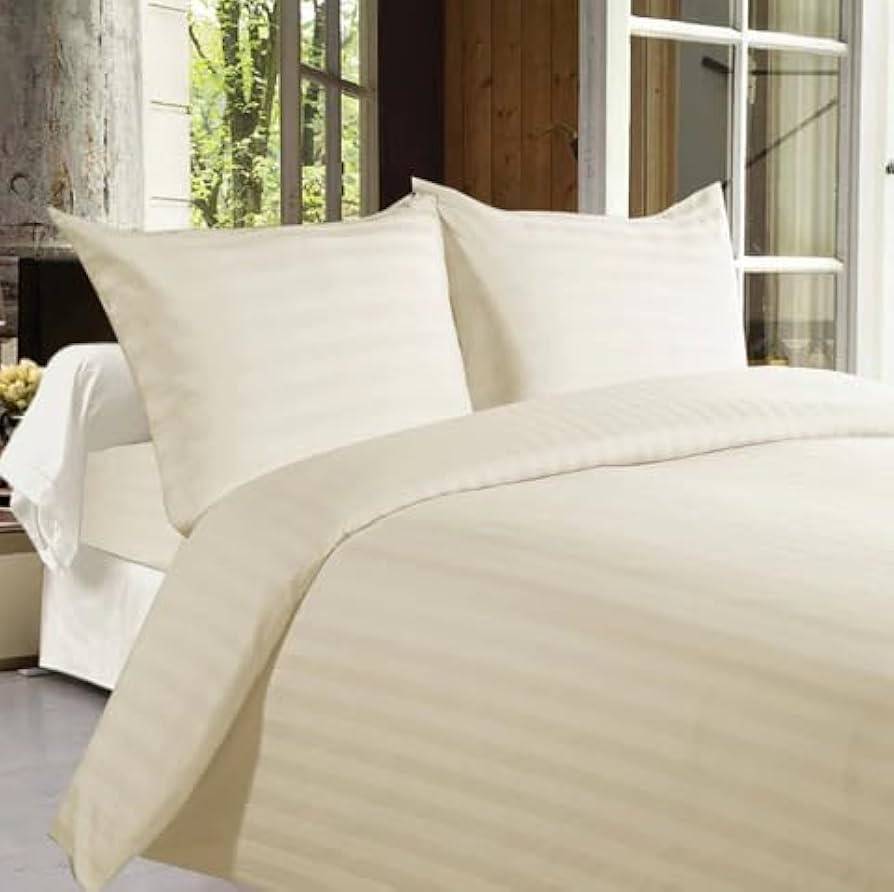
Furnishing a home is one of the most rewarding parts of creating a comfortable and welcoming living space. Furniture is more than just a collection of objects—it shapes how we live, relax, and connect with others. From the bedroom to the dining room, the furniture we choose defines the atmosphere, functionality, and personality of our homes.
In this detailed guide, we will explore the different types of furniture, focusing on bedroom furniture and dining room furniture. We’ll also discuss materials, design styles, and practical tips for choosing the best pieces for your lifestyle.
Understanding the Importance of Furniture in Modern Homes
Furniture plays a central role in interior design. It provides comfort, supports our daily activities, and enhances the aesthetic value of a space. Beyond function, furniture expresses individuality and personal taste.
Modern homes often balance style and practicality—furniture must not only look appealing but also serve a purpose. As living spaces become smaller, especially in urban areas, multi-functional furniture such as sofa beds, extendable dining tables, and modular wardrobes are gaining popularity.
The Functional and Aesthetic Role of Furniture
Every piece of furniture serves both functional and decorative purposes. A well-designed sofa provides comfort and defines the living area, while a stylish dining table creates a focal point for family meals. Similarly, bedroom furniture transforms a private space into a personal retreat.
Aesthetically, furniture ties together color schemes, textures, and architectural features. Choosing furniture that complements the overall design theme can create a sense of harmony and balance in a home.
Bedroom Furniture: Creating a Comfortable and Peaceful Retreat
The bedroom is one of the most personal areas in any home. It’s where we rest, recharge, and start and end each day. The right bedroom furniture can significantly impact not just comfort, but also the quality of sleep and the functionality of the space.
Essential Pieces of Bedroom Furniture
When planning a bedroom layout, several key furniture pieces should be prioritized:
-
Bed: The centerpiece of every bedroom. The type, size, and design of the bed should reflect both comfort and style. Common types include platform beds, upholstered beds, canopy beds, and storage beds.
-
Wardrobe or Closet: Storage is crucial for maintaining an organized bedroom. Depending on the room size, you can opt for built-in wardrobes, freestanding closets, or sliding door wardrobes.
-
Nightstands: Often placed on either side of the bed, nightstands provide convenient storage for essentials like lamps, alarm clocks, and books.
-
Dresser or Chest of Drawers: Useful for organizing clothes, accessories, and personal items. Dressers also serve as a surface for mirrors, decor, or vanity setups.
-
Seating: A small armchair or bench at the foot of the bed adds functionality and a touch of luxury.
Choosing the Right Bed for Your Needs
Selecting the right bed is perhaps the most important decision in furnishing a bedroom. The mattress size, frame design, and headboard style all contribute to comfort and appearance.
-
King-size beds are ideal for spacious rooms, offering maximum comfort.
-
Queen-size beds are a balanced choice for most modern bedrooms.
-
Double or twin beds suit smaller spaces or guest rooms.
When choosing a bed frame, consider materials like solid wood, metal, or upholstered designs for different looks. Wooden frames give a warm, classic touch, while upholstered ones add softness and elegance.
Storage Solutions for Bedrooms
Modern bedrooms often face space challenges. To keep the room organized, storage-friendly furniture is key.
-
Storage beds come with built-in drawers or lift-up mechanisms for bedding and seasonal clothes.
-
Wardrobes with compartments help organize garments efficiently.
-
Under-bed storage boxes or ottomans can further maximize space.
Lighting and Accessories
Bedroom lighting should create a calm and soothing atmosphere. Use a mix of ambient, task, and accent lighting—ceiling lights, bedside lamps, and soft wall sconces—to set the mood. Complement the furniture with accessories such as rugs, mirrors, and artwork to add warmth and personality.
Dining Room Furniture: Blending Functionality with Style
The dining room is often the heart of the home—a place where families share meals, celebrate occasions, and enjoy conversations. The right dining room furniture enhances this experience, combining practicality with visual appeal.
Essential Dining Room Furniture Pieces
A typical dining room setup includes the following pieces:
-
Dining Table: The central element that defines the room’s layout and function.
-
Dining Chairs: Should offer comfort while matching the table’s design.
-
Sideboard or Buffet: Provides storage for dishes, tableware, and linens.
-
Display Cabinets or China Hutches: Showcase decorative pieces or heirloom crockery.
-
Bar Units or Console Tables: Optional additions for serving drinks or adding decor.
Choosing the Right Dining Table
The dining table is more than a functional surface—it’s a gathering point for family and guests. When choosing a dining table, consider:
-
Size: Proportionate to the room’s dimensions. Leave enough space for movement and chairs.
-
Shape: Rectangular tables are versatile, round tables promote conversation, and square tables work well in smaller rooms.
-
Material: Wood, glass, metal, and marble each create a different ambiance. Solid wood tables offer warmth and longevity, while glass tops add modern elegance.
Dining Chairs and Seating Options
Dining chairs should balance comfort, style, and durability. Upholstered chairs provide comfort for long meals, while wooden or metal designs suit minimalist or industrial themes. Mixing chair styles—like pairing benches with traditional chairs—can create a unique and casual look.
Storage and Display Furniture
A sideboard or buffet serves as both a functional and decorative piece. It offers storage for utensils, glassware, and dining linens while doubling as a serving area during gatherings. For homes with open-plan dining areas, a sleek buffet can act as a subtle room divider.
Display cabinets or hutches add character and allow homeowners to showcase fine china, collectibles, or decorative accents. For smaller spaces, wall-mounted shelves or compact bar carts offer storage without cluttering the room.
Lighting and Ambiance in the Dining Area
Lighting sets the mood for dining experiences. A statement chandelier or pendant light above the dining table becomes a focal point. Adjustable lighting allows you to switch between bright family meals and intimate dinners. Complement with candles or wall sconces for added warmth.
Materials and Finishes: Choosing Furniture That Lasts
When investing in furniture, material quality matters. Different materials bring unique aesthetics, durability, and maintenance needs.
Common Materials Used in Furniture
-
Wood: Timeless and durable. Solid wood varieties like oak, walnut, and teak add warmth and richness. Engineered woods like MDF and plywood are affordable and stable.
-
Metal: Popular for modern and industrial-style furniture. Metals like steel and iron offer strength and sleek lines.
-
Glass: Adds openness and lightness, often used for tabletops and display cabinets.
-
Upholstery: Fabrics like cotton, linen, velvet, or leather add comfort and style to chairs, sofas, and beds.
-
Stone and Marble: Luxurious options for tabletops and accents.
Finishes and Textures
The finish determines the overall look of furniture. Matte finishes suit contemporary interiors, while glossy ones reflect elegance. Textured finishes such as distressed wood or brushed metal can add character and depth.
Furniture Styles: Matching Design with Personality
Home furniture reflects individual style preferences. Some popular design trends include:
-
Modern Furniture: Clean lines, minimal decoration, and neutral tones.
-
Contemporary Style: A mix of current trends and simplicity.
-
Traditional Furniture: Detailed craftsmanship, rich wood tones, and ornate patterns.
-
Rustic Design: Emphasizes natural materials, raw textures, and a cozy feel.
-
Scandinavian Furniture: Functional, light-toned, and inspired by nature.
-
Industrial Style: Combines wood and metal for an urban, unfinished look.
-
Bohemian Decor: Eclectic and colorful, full of patterns and personality.
When choosing a style, consistency is key. Coordinating the furniture in the bedroom and dining room creates visual continuity across the home.
Sustainability and Eco-Friendly Furniture Choices
With growing environmental awareness, many homeowners are prioritizing sustainable furniture. Eco-friendly materials, ethical sourcing, and durable construction contribute to responsible living.
Look for:
-
FSC-certified wood from responsibly managed forests.
-
Recycled materials like reclaimed wood or metal.
-
Non-toxic finishes that reduce indoor pollutants.
-
Locally made furniture to minimize carbon footprint.
Sustainable furniture not only benefits the environment but often features timeless designs that outlast fast trends.
Tips for Buying Furniture Wisely
Investing in furniture is a long-term decision. Here are some smart tips for making the right choices:
-
Measure Your Space: Always note room dimensions before buying large furniture.
-
Prioritize Quality Over Quantity: It’s better to invest in fewer high-quality pieces than many inexpensive ones that wear out quickly.
-
Think About Functionality: Choose furniture that supports your lifestyle—storage beds, extendable dining tables, or multi-purpose units.
-
Match Colors and Textures: Harmonize the furniture with your wall colors, flooring, and decor for a cohesive look.
-
Test Comfort: Especially for seating and beds, always consider comfort before design.
-
Plan for Longevity: Select timeless designs that won’t go out of style quickly.
Maintaining Your Furniture
Proper care extends the life of furniture and preserves its beauty.
-
Dust regularly to prevent buildup.
-
Use coasters and mats to protect surfaces from heat or spills.
-
Avoid direct sunlight on wooden and upholstered items to prevent fading.
-
Polish or oil wood occasionally to maintain its shine and durability.
-
Clean upholstery with fabric-safe cleaners or have it professionally treated when necessary.
The Future of Furniture Design
The furniture industry continues to evolve with technology and lifestyle changes. Smart furniture—like adjustable desks, recliners with charging ports, and modular systems—caters to modern needs. Sustainable materials, minimalist designs, and multifunctional furniture are shaping the future of interior design.
As homes increasingly serve multiple purposes—living, working, and entertaining—furniture design is adapting to be flexible, comfortable, and aesthetically pleasing.
How to Coordinate Furniture Across Different Rooms
When decorating a home, one common challenge is maintaining a consistent look between rooms. While each area serves a distinct purpose, the overall design should feel unified. Choosing the right furniture that complements other spaces helps achieve visual harmony throughout the home.
Establishing a Central Theme
Start by defining an overall design theme. Whether it’s modern, rustic, traditional, or Scandinavian, having a unifying concept makes selection easier. For example, if your living room features clean lines and minimalist furniture, carry that simplicity into the bedroom furniture and dining room furniture as well.
Neutral color palettes can serve as a bridge between rooms, allowing for flexibility with accents. If the living area includes warm wooden tones, consider similar wood finishes for the dining table or the bed frame. This creates a smooth transition as you move from one room to another.
Balancing Variety and Consistency
While coordination is key, each room should also have its own character. The bedroom might focus on comfort and calm, while the dining room emphasizes sociability and style. A good strategy is to keep one design element consistent—such as color, texture, or material—and vary others.
For instance, a walnut wood theme can tie the furniture together, even if the dining chairs are upholstered and the bed has a leather headboard. Subtle variations prevent monotony while keeping the home visually cohesive.
The Impact of Color and Texture in Furniture Design
Colors and textures significantly influence how a space feels. The same furniture style can appear completely different depending on its finish, fabric, or tone.
Color Psychology in Furniture Selection
Colors affect emotions and energy levels. For bedroom furniture, soothing shades like beige, gray, or pastel blue promote relaxation. In contrast, dining room furniture often benefits from richer hues—warm browns, deep greens, or even dark wood stains—that enhance appetite and conversation.
Neutral colors remain timeless and pair easily with changing decor trends. However, accent furniture—like a statement dining chair or an upholstered bench—can introduce bold tones without overwhelming the room.
Textural Elements and Visual Depth
Texture adds depth and tactile comfort to interiors. Combining smooth and rough surfaces creates visual interest. Pairing a sleek glass dining table with textured fabric chairs or a wooden bed frame with a soft upholstered headboard brings balance and richness to the space.
Layering materials—wood, fabric, metal, and stone—creates contrast and sophistication. This blend of textures ensures that furniture doesn’t appear flat or monotonous.
Maximizing Space with Smart Furniture Design
With urban living spaces getting smaller, maximizing functionality has become a priority. Smart furniture allows homeowners to make the most of limited square footage without compromising on aesthetics.
Multi-Functional Bedroom Furniture
Modern bedroom furniture often combines multiple purposes. Storage beds with drawers or lift-up compartments are ideal for small apartments. Foldable or modular wardrobes allow customization according to space requirements.
Wall-mounted shelves, floating nightstands, and compact dressers keep the floor area open and airy. Murphy beds or sofa beds can transform a single room into a multifunctional space—serving as a sleeping area by night and a study or lounge during the day.
Space-Saving Dining Room Furniture
For dining areas, extendable tables and stackable chairs offer flexibility. A drop-leaf dining table can accommodate both intimate meals and large gatherings. Benches instead of individual chairs provide extra seating without cluttering the room.
Built-in banquettes, corner seating, and wall-mounted tables are perfect for small homes or studio apartments. The key is to choose pieces that adapt to different needs while maintaining design harmony.
Lighting and Layout: Enhancing Furniture Appeal
Furniture and lighting go hand in hand in defining the mood of a room. Proper lighting accentuates the design, material, and color of furniture pieces, making the entire space feel balanced and inviting.
Bedroom Lighting Tips
For bedroom furniture, lighting should create a soothing and restful ambiance. Layer your lighting with ambient ceiling fixtures, bedside lamps, and subtle accent lighting around wardrobes or mirrors.
Soft, warm light tones make wooden furniture appear richer and cozier. Dimmable lights give control over brightness, helping to transition the space from a reading zone to a peaceful sleep environment.
Dining Room Lighting Ideas
In dining spaces, lighting can dramatically transform the dining experience. A pendant light or chandelier above the dining table creates a focal point. Choose fixtures that complement the table’s material—metal lighting with wooden furniture creates an appealing industrial vibe, while glass or crystal chandeliers suit classic interiors.
Additionally, adjustable lighting allows versatility. Bright light for family meals and soft, warm tones for intimate dinners help create different moods within the same room.
The Role of Accessories in Complementing Furniture
Furniture forms the foundation of a room, but accessories bring it to life. Accessories add personality, soften hard lines, and tie the design elements together.
Bedroom Accessories
In bedrooms, rugs, curtains, mirrors, and artwork enhance the look of bedroom furniture. A plush rug beside the bed adds comfort, while layered bedding with varied textures makes the bed the centerpiece.
Decorative pillows, throw blankets, and accent lamps allow homeowners to refresh the look seasonally without replacing major furniture pieces.
Dining Room Accessories
For the dining room, consider accessories that combine form and function. Table runners, centerpieces, and elegant dishware complement the dining room furniture. A large mirror or artwork above a buffet adds visual interest and makes the room appear larger.
Plants and greenery can also enhance the dining environment, introducing a natural, refreshing element that balances the formality of dining sets.
Custom and Handmade Furniture: The Value of Personalization
In an era of mass production, custom-made or handcrafted furniture offers uniqueness and quality. Personalized designs ensure every piece aligns with the homeowner’s preferences and space requirements.
Benefits of Custom Furniture
Custom furniture allows complete control over size, material, color, and functionality. For bedrooms with awkward layouts, a custom-built wardrobe or headboard can optimize space. In the dining area, a made-to-order table ensures perfect proportions and unique character.
Craftsmanship in handmade furniture also results in better durability and attention to detail. Each piece tells a story, making the home feel more authentic and personal.
Blending Custom and Store-Bought Pieces
A balanced home doesn’t have to feature entirely custom or entirely store-bought furniture. Mixing both creates a curated look. A handcrafted dining table can stand out against mass-produced chairs, or a custom headboard can enhance a simple bed frame. This combination adds layers of personality and texture to a space.
Seasonal Furniture Styling and Maintenance
Updating your furniture with the seasons can keep interiors feeling fresh and dynamic without major renovations.
Seasonal Refresh for Bedrooms
Small updates can make a big difference. Swap heavy bedding for lightweight fabrics in summer, and introduce warm tones and cozy textures in winter. Adding seasonal decor—such as floral prints, cushions, or throw blankets—can give bedroom furniture a refreshed appearance without major investment.
Proper maintenance is also crucial. Rotate mattresses periodically, polish wooden surfaces, and check for any loose joints to ensure longevity.
Seasonal Refresh for Dining Rooms
Similarly, dining room furniture benefits from seasonal changes. In warmer months, lighter tablecloths, bright dishware, and fresh flowers create an airy vibe. During winter, candles, layered textures, and deep colors make the space feel inviting.
To maintain dining furniture, protect wooden tables from heat and moisture. Use placemats and coasters regularly and polish the surfaces with appropriate wood care products.
Incorporating Technology into Modern Furniture
Technology has become a major influence in contemporary furniture design. Smart furniture integrates digital convenience into traditional functionality.
Smart Bedroom Furniture
In bedrooms, technology enhances comfort and efficiency. Adjustable beds with remote controls, built-in charging stations in nightstands, and motion-sensor lighting improve usability. Smart wardrobes with internal lighting or digital organization systems are becoming increasingly common in modern homes.
Smart Dining Room Solutions
In the dining room, smart furniture solutions include extendable dining tables with mechanical features, wireless charging built into tabletops, and even integrated temperature control for wine storage cabinets. These innovations blend convenience with elegance, aligning perfectly with today’s tech-driven lifestyles.
How Furniture Reflects Lifestyle and Personality
Every choice in furniture design reflects lifestyle preferences and personality. A minimalist homeowner might opt for sleek and functional designs, while someone who values tradition may prefer ornate wooden pieces.
Bedroom as a Personal Reflection
The bedroom is the most intimate space in the house. Your choice of bedroom furniture—from the bed frame to the wardrobe—reveals how you value comfort and privacy. A well-designed room can encourage better sleep, boost mood, and support daily routines.
Dining Room as a Social Space
The dining room, on the other hand, represents connection and hospitality. The choice of dining room furniture—table shape, chair comfort, and layout—impacts how people interact. A spacious table promotes togetherness, while carefully chosen seating invites conversation and comfort during shared meals.
Budget Planning and Long-Term Value in Furniture Investment
While furniture can be a significant investment, strategic planning ensures lasting value.
Setting Priorities
Start by identifying essential pieces: a durable bed, a solid dining table, and comfortable seating. These form the core of home furnishing. Then, gradually add secondary items such as accent chairs, side tables, and decorative pieces.
Balancing Cost and Quality
Not all expensive furniture guarantees quality. Evaluate material, craftsmanship, and warranty. Solid wood, sturdy joints, and premium finishes ensure that the furniture lasts longer. Meanwhile, consider modular or multifunctional options to get more utility for the price.
When to Upgrade
Furniture ages with use. Replace worn-out or uncomfortable items that affect daily comfort. Instead of overhauling everything, upgrade selectively—such as replacing dining chairs or adding a new headboard—to refresh the overall look while keeping costs manageable.
Furniture Trends Shaping Modern Homes
Design trends evolve, but timeless comfort and quality remain essential. Some of the latest trends influencing furniture, bedroom furniture, and dining room furniture include:
-
Minimalist Designs: Emphasizing simplicity, open spaces, and clutter-free layouts.
-
Natural Materials: Use of rattan, bamboo, and untreated wood for organic aesthetics.
-
Muted Color Palettes: Earthy tones and neutral shades dominate modern interiors.
-
Modular Furniture: Adaptable designs that fit changing needs.
-
Sustainability: Eco-friendly materials and long-lasting craftsmanship gaining importance.
-
Vintage Revival: Mixing antique furniture with modern pieces for character.
Staying updated with these trends helps create homes that feel contemporary yet comfortable.
Conclusion
Furniture is the backbone of every home’s design and comfort. Whether you are furnishing a cozy bedroom or designing a welcoming dining area, the right choices reflect your style and meet your practical needs.
Bedroom furniture transforms your personal space into a peaceful retreat, balancing comfort with organization. Dining room furniture fosters togetherness and enhances the joy of shared meals. Both spaces deserve thoughtful planning and high-quality, durable pieces.
By understanding materials, styles, and functional needs, you can create a home that feels cohesive, comfortable, and timeless. Furniture isn’t just about filling a room—it’s about creating spaces that reflect who you are and how you live.