Electrical safety is a serious concern in American homes. Moisture, damaged wiring, and outdated outlets increase the risk of electrical shock and fire. One of the most important safety upgrades homeowners can make is installing a GFCI outlet. Whether you are replacing a GFCI outlet, adding GFCI outlets to older rooms, or planning a complete GFCI outlet replacement, understanding how these devices work is essential.
Ground fault circuit interrupter outlets are designed to protect people from electric shock. They are commonly required in bathrooms, kitchens, garages, basements, laundry rooms, and outdoor spaces. Modern building standards in the United States follow guidelines from the National Electrical Code, which outlines where GFCI protection is mandatory.
This article explains GFCI outlet installation, wiring basics, replacement considerations, and safety practices in clear and professional language for U.S. homeowners.
What Is a GFCI Outlet?

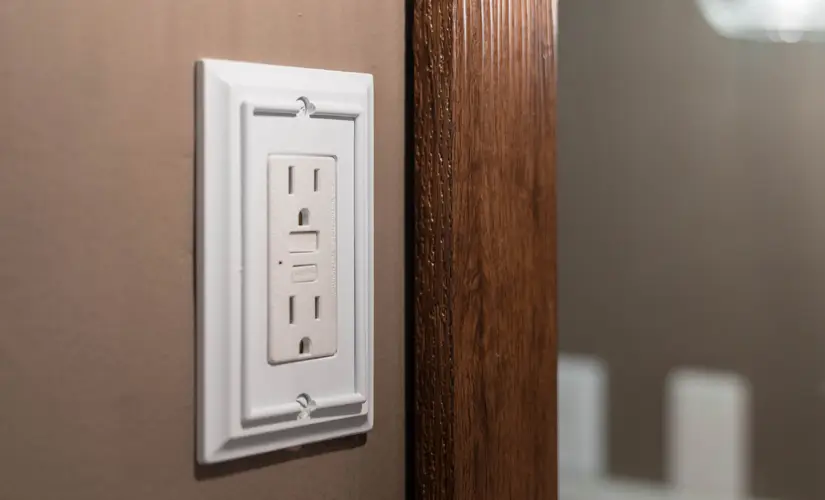

A GFCI outlet (Ground Fault Circuit Interrupter) is a specialized electrical receptacle that monitors the flow of electricity. If it detects an imbalance between the hot and neutral wires—indicating electricity may be leaking through water or a person—it shuts off power in milliseconds.
Unlike a standard outlet, a GFCI outlet includes:
-
A “Test” button
-
A “Reset” button
-
Internal sensors that monitor electrical current
These outlets are designed to reduce the risk of severe electric shock, especially in areas where water and electricity are present together.
Why Installing Ground Fault Circuit Interrupter Outlets Matters
Water increases conductivity, which increases shock risk. That is why electrical codes in states like Florida, Texas, California, and New York require GFCI protection in moisture-prone locations.
GFCI outlet installation improves safety in:
-
Bathrooms
-
Kitchen countertops
-
Garage work areas
-
Outdoor patios and decks
-
Crawl spaces and unfinished basements
-
Laundry rooms
Homes built before the 1970s often lack GFCI protection. Upgrading these outlets is a common electrical improvement.
How a GFCI Outlet Works
A GFCI outlet constantly compares the electrical current flowing through the hot wire with the current returning through the neutral wire.
If the difference exceeds about 4–6 milliamps, the device assumes a ground fault and immediately disconnects power.
This rapid shutoff reduces the chance of serious injury. Standard circuit breakers do not provide this level of protection against ground faults.
Signs You May Need GFCI Outlet Replacement
Replacing a GFCI outlet may be necessary if:
-
The outlet will not reset
-
Power cuts out frequently without cause
-
The Test button does not trip the outlet
-
The outlet feels loose or damaged
-
You notice discoloration or burning marks
GFCI outlets typically last 10–15 years. Over time, internal components can wear out.
Adding a GFCI Outlet to an Existing Circuit
Adding a GFCI outlet is a common upgrade in older homes. Instead of replacing every outlet in a circuit, one properly wired GFCI can protect downstream outlets.
There are two main wiring methods:
1. Single-Location Protection
The GFCI protects only itself.
2. Downstream Protection
The GFCI protects other outlets connected to its load terminals.
Understanding GFCI outlet wiring is important because incorrect wiring can prevent protection from functioning properly.
Basic GFCI Outlet Wiring Overview

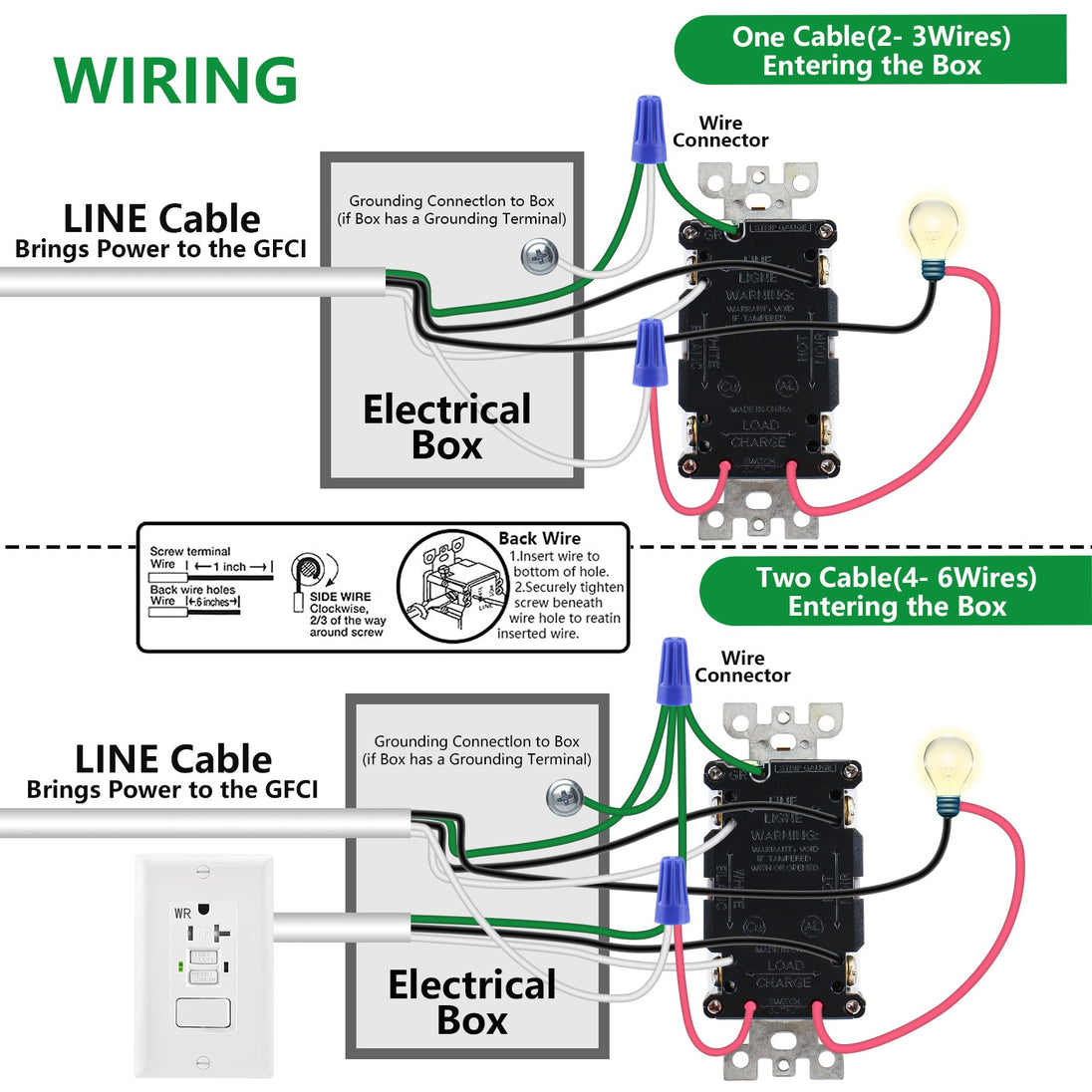

When installing a GFCI outlet, you will see two sets of terminals:
-
Line terminals – Power coming from the breaker panel
-
Load terminals – Power going to other outlets
Correct wiring is critical.
Basic steps include:
-
Turn off power at the breaker panel.
-
Confirm power is off using a voltage tester.
-
Remove the old outlet.
-
Identify line and load wires.
-
Connect hot (black) and neutral (white) wires to line terminals.
-
Attach the ground wire (green or bare copper).
-
Secure the outlet and replace the cover plate.
After installation, press the Test and Reset buttons to confirm proper operation.
Replacing a GFCI Outlet
GFCI outlet replacement is typically straightforward if wiring remains unchanged.
Steps for replacing a GFCI outlet:
-
Turn off the circuit breaker.
-
Remove the faceplate and mounting screws.
-
Carefully pull the outlet from the box.
-
Label wires before disconnecting.
-
Connect wires to the new outlet in the same configuration.
-
Secure and test the outlet.
If wires are damaged or corroded, they may need trimming and re-stripping.
Changing a Standard Outlet to GFCI
Changing an outlet to GFCI is one of the most common safety upgrades.
When you change outlet to GFCI, ensure:
-
The electrical box has enough space.
-
Grounding is present (or follow code for ungrounded systems).
-
The circuit is not overloaded.
Some older homes may not have ground wires. GFCI outlets can still provide protection in ungrounded systems if properly labeled “No Equipment Ground,” according to guidelines from the National Fire Protection Association.
Electrical Code Considerations in the United States
The National Electrical Code (NEC) sets minimum safety standards adopted by most states and municipalities.
Current code requires GFCI protection in:
-
Bathroom receptacles
-
Kitchen countertop outlets
-
Garage outlets
-
Outdoor outlets
-
Crawl spaces
-
Within 6 feet of sinks
Local codes may have additional requirements, so always check municipal regulations.
Common Mistakes During GFCI Installation
Improper installation can defeat the safety purpose of the device.
Common errors include:
-
Reversing line and load wires
-
Failing to connect ground wires
-
Overcrowding electrical boxes
-
Using damaged wire insulation
-
Forgetting to test after installation
If unsure about wiring, consulting a licensed electrician is recommended.
Cost of Installing GFCI Outlets in the USA
Costs vary depending on region and labor rates.
Typical price ranges:
-
GFCI outlet: $15–$30 per unit
-
Professional installation: $100–$250 per outlet
-
Whole-room upgrades: $300–$800 depending on complexity
Urban areas like Los Angeles or Chicago may have higher labor costs compared to smaller towns.
DIY installation can reduce labor expenses, but electrical work must be performed safely.
Adding GFCI Outlets During Renovation
Home remodeling projects often include upgrading electrical safety.
When renovating kitchens or bathrooms, adding GFCI outlets ensures compliance with modern standards. Electrical inspections during renovations often require proof of updated protection systems.
In real estate transactions, upgraded GFCI outlets can improve inspection outcomes.
GFCI vs AFCI: Understanding the Difference
While GFCI protects against ground faults and electric shock, AFCI (Arc Fault Circuit Interrupter) protects against electrical fires caused by arcing wires.
Newer homes may use combination breakers providing both protections.
GFCI focuses on shock prevention. AFCI focuses on fire prevention.
Outdoor and Weather-Resistant GFCI Outlets
Outdoor installations require weather-resistant (WR) GFCI outlets and protective covers.
These outlets are designed to handle:
-
Rain
-
Snow
-
Humidity
-
Temperature fluctuations
In coastal states like North Carolina and South Carolina, corrosion resistance is especially important.
Testing and Maintaining GFCI Outlets
Monthly testing is recommended.
To test:
-
Press the “Test” button.
-
Confirm power shuts off.
-
Press “Reset” to restore power.
If the outlet does not trip or reset properly, replacement may be necessary.
Routine inspection ensures ongoing safety.
Safety Tips for Homeowners
-
Always shut off breakers before working on outlets.
-
Use insulated tools.
-
Verify power is off with a tester.
-
Do not attempt installation if unfamiliar with wiring.
-
Follow local building codes.
Electrical safety is not an area for shortcuts.
When to Hire a Licensed Electrician
Professional installation is recommended when:
-
You cannot identify line and load wires.
-
Wiring appears outdated or damaged.
-
You are adding multiple GFCI outlets.
-
The breaker panel requires upgrades.
-
Aluminum wiring is present.
Licensed electricians ensure installations meet NEC standards and local inspection requirements.
Long-Term Benefits of GFCI Outlet Installation
Installing ground fault circuit interrupter outlets provides long-term safety benefits:
-
Reduced risk of electrical shock
-
Improved compliance with building codes
-
Increased home value
-
Enhanced protection for children and pets
-
Greater peace of mind
Modern electrical safety devices are small investments compared to the cost of injury or property damage.
Final Thoughts on GFCI Outlet Installation and Replacement
GFCI outlet installation is one of the most important electrical safety improvements homeowners in the United States can make. Whether you are adding a GFCI outlet in a bathroom, replacing a worn device in the kitchen, or upgrading an entire circuit, proper wiring and code compliance are essential.
Understanding GFCI outlet wiring, recognizing when replacement is necessary, and following NEC guidelines ensures safe and reliable operation.
Electrical systems are foundational to daily life—from powering appliances to charging devices. Maintaining safe outlets, especially in moisture-prone areas, protects both people and property. Thoughtful upgrades today can prevent serious electrical hazards tomorrow.