A garden is more than a patch of land; it is a living, breathing ecosystem that brings peace, color, and vitality into our surroundings. Whether it’s a small balcony garden or a sprawling backyard, gardening connects people to nature and fosters patience, mindfulness, and sustainability.
However, maintaining a beautiful and healthy garden requires more than just enthusiasm. It demands the right gardening tools and accessories—the essential companions that make planting, pruning, and nurturing easier and more efficient.
From simple hand trowels to advanced irrigation systems, gardening tools have evolved to serve every type of gardener—from beginners planting their first seeds to professionals designing landscapes. This article explores the importance of gardens, the essential gardening tools and accessories, their functions, and practical tips to make gardening both rewarding and sustainable.
1. The Significance of a Garden
1.1. Gardens as Living Spaces
Gardens are extensions of living areas, providing beauty, relaxation, and purpose. They are sanctuaries that allow us to reconnect with nature, breathe cleaner air, and enjoy greenery amidst modern lifestyles.
Whether used for growing flowers, vegetables, or ornamental plants, gardens contribute to physical and mental well-being. They also enhance property value and curb appeal, turning ordinary outdoor spaces into natural retreats.
1.2. Environmental Importance
Gardens play a vital ecological role. They:
-
Support pollinators like bees and butterflies.
-
Reduce carbon dioxide by absorbing greenhouse gases.
-
Prevent soil erosion through ground cover plants.
-
Moderate temperature and humidity in their surroundings.
A well-maintained garden is not only an aesthetic asset but also a small step toward environmental balance.
2. Understanding Gardening Tools
2.1. Why Tools Matter in Gardening
Gardening tools make work more efficient, precise, and safe. They reduce strain, improve productivity, and help achieve professional results. Using the right tools ensures that plants are handled properly, soil is aerated, and tasks like pruning and watering are done effectively.
2.2. Categories of Gardening Tools
Gardening tools can be classified into several groups based on their functions:
-
Soil Preparation Tools – used for digging, tilling, and aerating.
-
Planting Tools – used for sowing seeds and transplanting saplings.
-
Watering Tools – used for irrigating and maintaining soil moisture.
-
Pruning and Trimming Tools – used for shaping plants and removing dead parts.
-
Maintenance Tools – used for cleaning, weeding, and general upkeep.
Each category contributes to a smooth and effective gardening routine.
3. Essential Gardening Tools and Their Uses
3.1. Hand Trowel
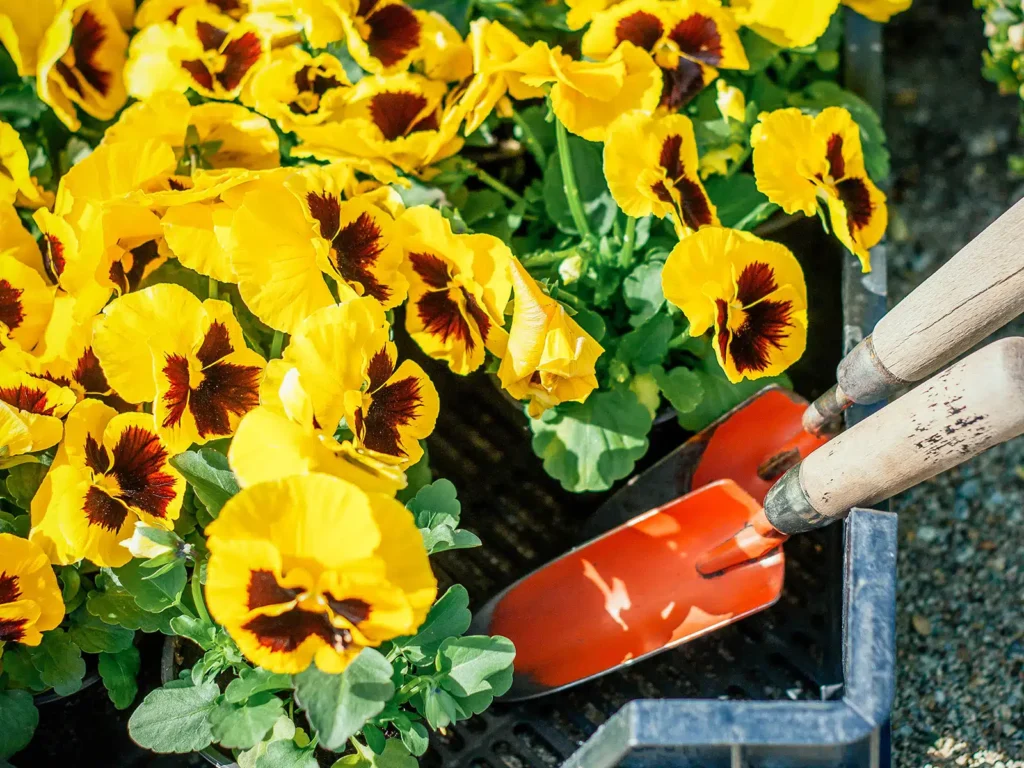
A hand trowel is one of the most versatile garden tools. It’s used for digging small holes, transplanting seedlings, and mixing soil or compost. A sturdy trowel with a comfortable grip is indispensable for every gardener.
3.2. Garden Fork
Used to loosen, lift, and turn soil, the garden fork improves aeration and drainage. It’s especially useful for breaking up compacted soil or mixing organic matter evenly.
3.3. Spade and Shovel
Spades have flat blades for edging and slicing through soil, while shovels feature curved blades for moving soil, compost, or gravel. Both are fundamental for planting trees and preparing garden beds.
3.4. Pruning Shears (Secateurs)
Pruning shears are essential for trimming dead branches, shaping shrubs, and maintaining plant health. Sharp blades ensure clean cuts that minimize plant damage.
3.5. Garden Hoe
A hoe helps in weeding and cultivating the soil. It is perfect for breaking up the ground and preparing planting rows, making it a must-have for vegetable gardening.
3.6. Rake
Rakes are used to level soil, remove debris, and gather fallen leaves. Lightweight leaf rakes and heavy-duty garden rakes serve different purposes depending on the task.
3.7. Wheelbarrow
A wheelbarrow makes moving soil, mulch, or tools across the garden effortless. It’s a time-saving tool that reduces physical strain.
3.8. Watering Can and Hose
Water is life for plants. A watering can is ideal for gentle watering of potted plants, while hoses or sprinkler systems are used for larger gardens.
3.9. Gloves
Protective gloves shield hands from thorns, blisters, and chemicals. Made from materials like leather, rubber, or cotton, they ensure safety while maintaining dexterity.
3.10. Garden Scissors and Loppers
For thicker branches or dense shrubs, loppers provide better leverage and precision. Garden scissors are perfect for cutting herbs, flowers, or delicate stems.
4. Advanced Gardening Tools for Modern Gardeners
4.1. Lawn Mower
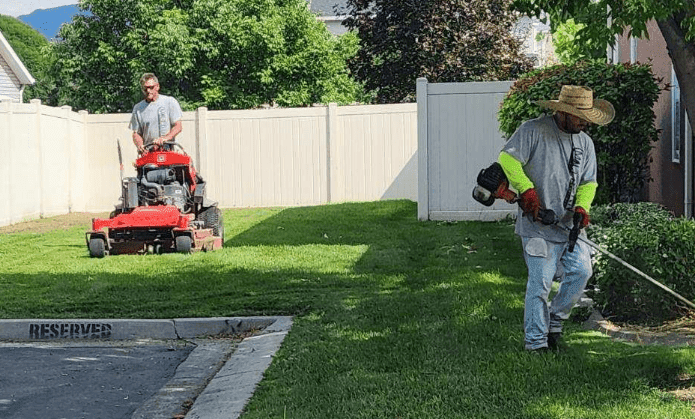
A lawn mower keeps the grass evenly trimmed and healthy. Electric and battery-operated models are now replacing manual push mowers for ease of use.
4.2. String Trimmer and Hedge Cutter
These tools maintain garden borders, edges, and hedges with precision, giving the garden a neat and polished look.
4.3. Irrigation Systems
Automatic irrigation systems, such as drip irrigation and sprinklers, save time and water. They ensure consistent watering and prevent overhydration or dryness.
4.4. Soil Testing Kit
Knowing your soil’s pH and nutrient content helps choose suitable plants and fertilizers. Soil testing kits make it easy to maintain optimal soil health.
4.5. Compost Bin
A compost bin turns organic waste into nutrient-rich compost—nature’s best fertilizer. It supports sustainable gardening by reducing waste and improving soil fertility.
5. Gardening Accessories that Enhance Efficiency
5.1. Plant Pots and Containers
Containers allow gardening in compact spaces like balconies or terraces. They come in clay, ceramic, metal, or plastic, each offering unique aesthetic and practical benefits.
5.2. Garden Kneelers and Benches
These accessories make gardening more comfortable, especially for long hours of planting or weeding. Many designs come with built-in storage for small tools.
5.3. Trellises and Supports
Trellises, stakes, and plant supports guide vines, climbers, and tall flowers. They help prevent damage and maintain a tidy, structured appearance.
5.4. Garden Labels and Markers
Labels help track plant varieties and planting dates—particularly useful for large gardens or vegetable patches.
5.5. Protective Covers and Netting
Covers and nets shield plants from harsh sunlight, frost, and pests. They are essential for maintaining healthy growth across changing seasons.
6. Garden Maintenance and Care
6.1. Regular Pruning
Pruning not only improves appearance but also encourages new growth and prevents diseases. Regular trimming ensures plants remain vibrant and balanced.
6.2. Soil Health
Healthy soil is the foundation of a thriving garden. Periodic addition of compost, mulch, or organic fertilizers replenishes nutrients and supports root development.
6.3. Water Management
Overwatering is as harmful as underwatering. Monitoring soil moisture and using appropriate watering techniques keep plants healthy and resource use efficient.
6.4. Pest Control
Natural methods like neem oil, companion planting, and organic pesticides help control pests without harming the environment.
6.5. Seasonal Care
Gardens require specific care through the seasons:
-
Spring: Time for planting and fertilizing.
-
Summer: Regular watering and pest management.
-
Autumn: Pruning and composting.
-
Winter: Protecting plants from frost and harsh winds.
7. Safety and Ergonomics in Gardening
7.1. Proper Tool Handling
Using the right technique prevents strain and injury. Always bend knees while lifting and use tools with ergonomic handles to reduce wrist fatigue.
7.2. Maintenance of Tools
Regular cleaning and sharpening extend the life of gardening tools. Oiling metal parts prevents rust, ensuring longevity and performance.
7.3. Protective Gear
In addition to gloves, gardeners should consider hats, knee pads, and UV-protective clothing for long hours outdoors.
8. Sustainable and Eco-Friendly Gardening
8.1. Composting and Recycling
Reusing garden waste like leaves, grass clippings, and vegetable scraps reduces waste and enriches soil naturally.
8.2. Water Conservation
Installing rain barrels and using drip irrigation systems save water while maintaining adequate moisture levels.
8.3. Organic Gardening Practices
Avoid chemical fertilizers and pesticides; instead, use organic compost, natural pest repellents, and crop rotation techniques.
8.4. Using Eco-Friendly Tools
Many brands now manufacture gardening tools made from recycled or biodegradable materials—promoting sustainability without compromising quality.
9. Indoor and Urban Gardening Tools
With limited outdoor spaces, urban gardeners rely on compact tools like mini trowels, pruning shears, and watering misters.
Indoor gardening accessories—such as grow lights, self-watering pots, and hydroponic systems—help maintain greenery even in apartments.
Vertical gardens, balcony planters, and hanging pots add life to small areas, making city gardening accessible to everyone.
10. The Role of Technology in Modern Gardening
10.1. Smart Gardening Tools
Smart sprinklers, soil moisture sensors, and app-controlled lighting systems simplify garden care by automating daily tasks.
10.2. Digital Garden Planners
Apps and online tools help design garden layouts, track plant growth, and provide tailored care reminders.
10.3. Sustainable Innovation
Solar-powered lighting, automatic composters, and biodegradable pots represent the fusion of technology with eco-conscious gardening.
11. Aesthetic Accessories for Garden Design
11.1. Garden Furniture
Benches, swings, and hammocks turn gardens into relaxing retreats. Durable, weather-resistant materials like teak or rattan maintain beauty through the seasons.
11.2. Decorative Lighting
Solar garden lamps and string lights add charm to outdoor spaces, creating inviting atmospheres for evening gatherings.
11.3. Statues, Stones, and Fountains
Ornamental features such as fountains or stepping stones bring balance and movement, enhancing the sensory appeal of gardens.
12. Gardening as Therapy
Gardening has therapeutic effects, offering physical exercise, stress relief, and mindfulness. The repetitive nature of gardening tasks fosters focus, patience, and emotional well-being.
Engaging with soil and plants has been linked to improved mood and reduced anxiety—proving that gardens nurture not only plants but also people.
13. The Future of Gardening
The future of gardening lies in sustainability, innovation, and inclusivity. From smart irrigation systems to eco-friendly tools, gardeners today have more options than ever.
As urbanization continues, compact gardens, rooftop farming, and vertical plant walls will redefine green living. The use of renewable energy, organic methods, and biodiversity-focused designs ensures that the next generation of gardens will be both beautiful and responsible.
Conclusion
A garden is not just a space—it is a partnership with nature. With the right gardening tools and accessories, anyone can cultivate this relationship effectively. From digging and planting to trimming and watering, every tool serves a purpose that brings harmony between human effort and natural growth.
Whether you’re a beginner nurturing potted herbs or a seasoned gardener managing landscapes, investing time and care into your garden yields more than greenery—it nurtures mindfulness, beauty, and balance.
By choosing the right tools, maintaining them well, and embracing sustainable practices, your garden can become a thriving, vibrant reflection of nature’s resilience and your own creativity.