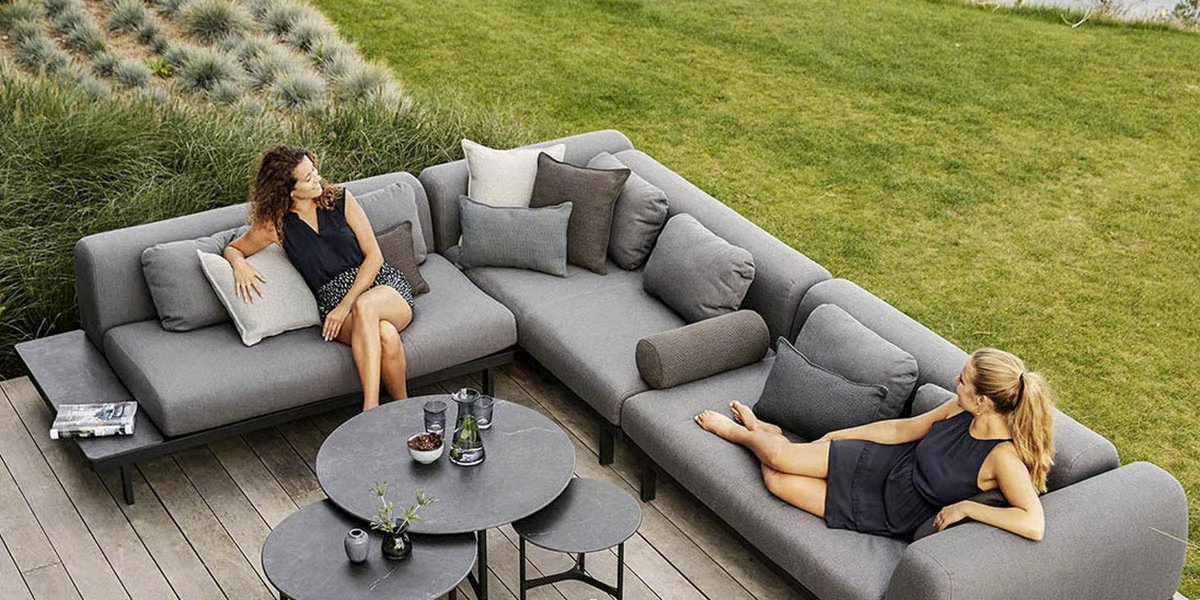
Outdoor spaces have become an essential extension of modern homes. Whether large or small, a well-designed garden and outdoor living area can provide relaxation, connection with nature, and space for social gatherings. Beyond aesthetics, outdoor areas reflect lifestyle — offering comfort, calm, and a breath of fresh air from the fast pace of daily life.
Within this setting, two crucial elements define functionality and appeal: garden furniture & seating and outdoor lighting. Together, they shape how outdoor environments are used, experienced, and enjoyed throughout the seasons.
This in-depth guide explores how furniture, seating, and lighting work together to transform outdoor areas into inviting, practical, and visually harmonious spaces.
1. Understanding Garden & Outdoor Living
The concept of outdoor living has evolved far beyond simple gardening. Today, patios, terraces, and backyards serve as open-air lounges, dining zones, and relaxation corners.
Garden and outdoor living design focuses on three main principles:
-
Functionality: How the space supports different activities — lounging, dining, reading, or entertaining.
-
Aesthetics: The visual appeal achieved through color, texture, and materials.
-
Comfort: The degree of ease and relaxation offered through thoughtful design and furniture selection.
A balanced outdoor space blends these principles while harmonizing with the home’s architectural character and surrounding landscape.
2. The Role of Garden Furniture & Seating in Outdoor Spaces
Furniture is the foundation of any outdoor setting. Beyond function, it defines style, sets the tone, and establishes comfort.
Purpose of Outdoor Furniture
-
Comfort and Relaxation:
A place to unwind, read, or enjoy meals outdoors. -
Social Interaction:
Encourages gatherings and shared experiences in nature. -
Aesthetic Continuity:
Connects the interior style of the home with the outdoor environment. -
Durability:
Built to withstand weather, sunlight, and temperature changes.
Common Types of Garden Furniture & Seating
1. Outdoor Dining Sets
-
Include tables and chairs suitable for alfresco meals.
-
Materials: teak, wrought iron, aluminum, or weather-resistant wicker.
-
Often paired with umbrellas or shade covers for comfort.
2. Lounge Seating
-
Sofas, sectionals, or chaise lounges designed for leisure.
-
Cushions with UV-resistant and water-repellent fabrics.
-
Ideal for patios, decks, or poolside areas.
3. Benches and Swing Seats
-
Add charm and intimacy to gardens.
-
Often placed near plants or water features.
-
Materials range from classic wood to powder-coated metal.
4. Folding and Stackable Chairs
-
Offer flexibility for smaller spaces or seasonal storage.
5. Hammocks and Daybeds
-
Provide relaxation in shaded areas, blending comfort with style.
Materials Used in Outdoor Furniture
The performance and longevity of outdoor furniture depend largely on materials.
-
Wood:
-
Teak, eucalyptus, acacia — durable, natural, and weather-resistant.
-
Requires regular oiling to preserve color.
-
-
Metal:
-
Aluminum, stainless steel, wrought iron.
-
Sturdy, rust-resistant, and easy to maintain.
-
-
Rattan and Wicker:
-
Lightweight, aesthetic, and commonly synthetic for durability.
-
-
Plastic and Resin:
-
Affordable and weather-tolerant options.
-
-
Concrete and Stone:
-
For modern, heavy-duty designs that withstand outdoor exposure.
-
Design Styles and Trends
Outdoor furniture mirrors interior design trends but adapts to open-air living.
-
Modern Minimalism: Sleek lines, neutral tones, and functional simplicity.
-
Rustic Charm: Wooden textures, woven materials, and earthy hues.
-
Coastal Theme: Light blues, whites, and natural fabrics.
-
Bohemian Vibes: Colorful cushions, layered textiles, and informal layouts.
-
Sustainable Design: Recycled or eco-conscious materials.
These styles reflect growing awareness of environmental responsibility and personal expression in home design.
3. Comfort and Function: Balancing Seating Arrangements
Effective seating arrangements define how an outdoor area feels and functions. Placement impacts both flow and comfort.
Designing for Comfort:
-
Combine different seating types — lounges, benches, and stools.
-
Incorporate outdoor cushions with weather-resistant covers.
-
Use modular seating for flexibility in layout.
-
Ensure ergonomic support for long-term comfort.
Functional Layout Tips:
-
Create Zones: Separate areas for dining, lounging, or conversation.
-
Maintain Space: Allow movement between furniture pieces.
-
Consider Orientation: Position seating to capture light, shade, or scenic views.
-
Add Shade Elements: Pergolas, umbrellas, or shade sails enhance usability.
4. The Importance of Outdoor Lighting
While furniture defines the day experience, outdoor lighting extends usability into the night and enhances safety and atmosphere.
Lighting transforms gardens, patios, and walkways into inviting spaces even after sunset.
Functions of Outdoor Lighting
-
Visibility and Safety:
Prevents accidents and guides movement after dark. -
Security:
Illuminated areas deter intruders. -
Aesthetic Appeal:
Highlights architectural features, plants, or pathways. -
Ambiance:
Creates mood and atmosphere for evening relaxation or socializing.
5. Types of Outdoor Lighting
Different lighting categories serve specific roles in garden and outdoor design.
1. Pathway and Landscape Lighting
-
Low-level lights along walkways or flowerbeds.
-
Often solar-powered for sustainability.
-
Adds safety while accentuating garden edges.
2. Wall and Sconce Lights
-
Mounted on walls or pillars to provide directional lighting.
-
Available in modern, rustic, or industrial styles.
3. String and Fairy Lights
-
Decorative and festive.
-
Perfect for patios, balconies, and pergolas.
4. Spotlights and Uplights
-
Highlight trees, sculptures, or architectural details.
5. Lanterns and Portable Lamps
-
Movable light sources that offer flexibility and aesthetic charm.
6. Smart and LED Lighting
-
Energy-efficient and customizable.
-
Can be controlled via apps or voice commands.
6. Choosing the Right Outdoor Lighting
Selecting suitable lighting depends on purpose, layout, and energy efficiency.
Key Considerations:
-
Purpose:
Task lighting for function; ambient lighting for mood. -
Energy Source:
Solar, wired electric, or rechargeable battery. -
Brightness Level:
Match intensity to the setting — soft for ambiance, bright for pathways. -
Durability:
Weatherproof and rust-resistant fixtures for longevity. -
Placement:
Strategic positioning enhances visual depth and usability.
Lighting Temperature Options:
-
Warm White (2700–3000K): Creates cozy ambiance.
-
Cool White (4000–5000K): Suitable for modern, crisp illumination.
-
Daylight (5000K+): Enhances visibility for outdoor tasks.
7. Sustainable and Smart Lighting Solutions
As technology advances, outdoor lighting now integrates sustainability and automation.
Solar Lighting:
-
Harnesses sunlight via photovoltaic panels.
-
Ideal for pathways, gardens, or fence lights.
LED Lighting:
-
Long lifespan, low energy consumption.
-
Available in various colors and intensities.
Smart Lighting Systems:
-
Wi-Fi or Bluetooth-enabled controls.
-
Adjustable brightness, color, and scheduling.
-
Integrates with smart home assistants.
8. Design Integration: Furniture Meets Lighting
The harmony between furniture and lighting defines the success of outdoor design.
Integration Ideas:
-
Place table lamps or lanterns near seating for reading and ambiance.
-
Use string lights above dining sets for a festive tone.
-
Combine under-seat LED strips with lounge furniture for subtle glow.
-
Illuminate pathways leading to furniture zones for functionality.
Color and Material Coordination:
-
Match metal finishes between light fixtures and furniture frames.
-
Use warm light tones with wooden furniture to enhance natural warmth.
-
Incorporate neutral or muted hues for a timeless aesthetic.
This combination of thoughtful seating and lighting creates an outdoor area that feels cohesive, safe, and visually balanced.
9. Maintenance and Care
Proper maintenance ensures longevity and appearance for both furniture and lighting systems.
Furniture Care Tips:
-
Clean surfaces regularly with mild soap and water.
-
Cover or store furniture during harsh weather.
-
Reapply protective coatings (e.g., oil for wood, paint for metal).
Lighting Maintenance:
-
Check connections and replace burnt-out bulbs.
-
Clean lenses and solar panels for optimal brightness.
-
Store portable lights indoors when not in use.
Routine upkeep preserves both the look and function of your outdoor environment.
10. The Role of Nature in Outdoor Design
Plants, greenery, and natural materials are essential to garden and outdoor living.
Integrating nature with design elements ensures balance and comfort.
Design Principles:
-
Use plants to soften hard edges and furniture lines.
-
Surround seating with planters for intimacy.
-
Illuminate trees or shrubs to highlight textures at night.
-
Choose natural materials — wood, rattan, or stone — for furniture harmony.
11. Trends in Garden & Outdoor Living
Current trends reflect the intersection of comfort, sustainability, and technology.
Popular Directions:
-
Sustainable Materials:
Bamboo, recycled plastic, and reclaimed wood. -
Indoor-Outdoor Fusion:
Furniture styles that blur boundaries between indoor and outdoor spaces. -
Minimalist Design:
Clean lines and clutter-free layouts. -
Smart Lighting Integration:
App-controlled brightness and color options. -
Eco Landscapes:
Drought-tolerant plants and water-saving systems.
These trends emphasize environmental awareness while prioritizing human comfort.
12. Seasonal Adaptation: Year-Round Outdoor Comfort
Outdoor spaces should adapt to changing seasons.
-
Spring/Summer: Lightweight seating, shade solutions, and bright lighting.
-
Autumn/Winter: Add cushions, throws, and warmer lighting hues.
-
All-Year Options: Install pergolas, canopies, or fire pits for extended use.
Adapting décor seasonally enhances comfort and prolongs furniture lifespan.
13. The Psychological Impact of Outdoor Living
Studies show that spending time outdoors reduces stress, improves mood, and enhances creativity.
Comfortable furniture and soft lighting encourage longer stays in open air, supporting emotional well-being.
14. Creating Harmony Between Indoor and Outdoor Spaces
Cohesion between interiors and exteriors enhances spatial flow.
-
Use matching color schemes across both areas.
-
Choose similar materials or patterns for furniture and accessories.
-
Incorporate lighting styles that transition naturally from inside to outside.
This design continuity creates an atmosphere of unity and sophistication.
15. Final Thoughts: The Art of Outdoor Living
Garden and outdoor living reflect the growing importance of comfort, connection, and sustainability in home design.
Garden furniture and seating provide the foundation of comfort, while outdoor lighting shapes mood, safety, and visual depth. Together, they create spaces that feel alive both day and night.
Designing an outdoor area is not just about aesthetics — it’s about lifestyle. With thoughtful choices in materials, placement, and lighting, even the simplest garden can become a serene retreat and a true extension of home.