Tomatoes are among the most widely grown vegetables in home gardens across the United States and the United Kingdom. From compact patio containers in urban flats to large backyard vegetable plots in suburban landscapes, tomatoes remain a staple crop. Yet one of the most misunderstood aspects of tomato cultivation is the difference between determinate and indeterminate tomatoes.
Table of Contents
ToggleGardeners frequently search for terms like determinate vs indeterminate, determinate versus indeterminate tomatoes, or tomatoes indeterminate vs determinate because plant labels often include these classifications without explanation. Understanding this distinction is critical. It affects plant size, pruning needs, harvest timing, yield patterns, staking requirements, and even disease management.
This article explores indeterminate tomatoes in depth while clearly explaining determinate vs indeterminate tomatoes, using simple language but grounded in horticultural accuracy.
What Are Indeterminate Tomatoes?
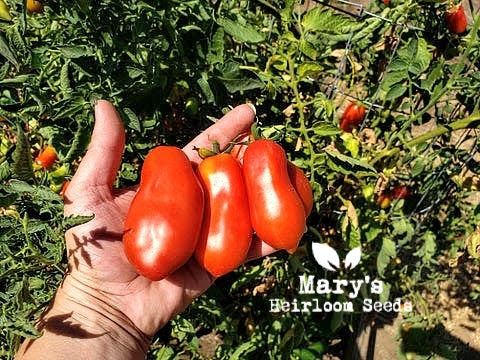


An indeterminate tomato is a variety that continues growing, flowering, and producing fruit throughout the growing season. Rather than reaching a fixed height and stopping, indeterminate tomato plants behave like vines. They can grow 6 to 12 feet tall under optimal conditions.
Botanically, tomato plants are classified as Solanum lycopersicum. Indeterminate types maintain active apical meristems, meaning the growing tip does not terminate in a flower cluster. Instead, the plant continues vegetative growth while simultaneously producing fruit clusters along the stem.
Key Characteristics of Indeterminate Tomato Plants
-
Continuous vertical growth
-
Ongoing fruit production until frost
-
Requires staking, cages, or trellises
-
Benefits from regular pruning
-
Typically larger overall yields over time
For gardeners in states like California or Texas with long growing seasons, indeterminate tomatoes can produce for many months. In the UK, especially southern regions of England, greenhouse cultivation often extends production well into autumn.
What Are Determinate Tomatoes?


A determinate tomato plant grows to a genetically predetermined height, usually 3 to 4 feet, then stops growing. Its main stem ends in a flower cluster, which limits further vertical extension.
Tomatoes determinate varieties are sometimes called bush tomatoes because of their compact growth habit.
Key Characteristics of Determinate Tomatoes
-
Compact, bushy growth
-
Fruit ripens over a short period
-
Minimal pruning required
-
Ideal for containers and small gardens
-
Suitable for canning and bulk processing
Because they produce most of their fruit within a concentrated window, determinate varieties are favored for commercial processing. In regions like Florida, determinate tomatoes are commonly grown for large-scale harvesting.
Determinate vs Indeterminate Tomatoes: Structural Differences
Understanding determinate vs indeterminate tomatoes begins with plant architecture.
Growth Pattern
-
Indeterminate tomato plants grow continuously from the central stem.
-
Determinate tomato plants terminate growth at a specific height.
Flowering Habit
-
Indeterminate: flowers appear along side shoots while the main stem continues upward.
-
Determinate: flowering occurs at the terminal point, stopping further vertical growth.
Harvest Timing
-
Indeterminate: staggered harvest throughout season.
-
Determinate: concentrated harvest over 2–3 weeks.
These distinctions influence gardening strategy significantly.
Determinate Versus Indeterminate Tomatoes in Home Gardens
When choosing between determinate versus indeterminate tomatoes, gardeners must evaluate several factors:
1. Space Availability
Indeterminate tomato plants require vertical support systems such as:
-
Sturdy cages
-
Wooden stakes
-
Metal trellises
-
String training systems in greenhouses
Determinate tomato plants, on the other hand, require less vertical infrastructure and are well-suited to container gardening on patios or balconies.
2. Harvest Goals
If a gardener wants fresh tomatoes continuously for salads and sandwiches, indeterminate varieties are ideal. If the goal is to make sauces or canned tomatoes in bulk, determinate varieties provide a large simultaneous harvest.
3. Climate Considerations
In the northern US states such as Minnesota or in Scotland within the United Kingdom, shorter growing seasons may favor determinate varieties unless greenhouse conditions are available.
Tomatoes Indeterminate vs Determinate: Maintenance Requirements
Pruning
Indeterminate tomatoes benefit from pruning suckers (side shoots that grow between the stem and branches). Removing excess suckers:
-
Improves airflow
-
Reduces fungal disease risk
-
Directs energy toward fruit production
Determinate tomato plants typically do not require aggressive pruning. Excess pruning can reduce yield since fruit develops on terminal clusters.
Staking and Support
Indeterminate and determinate tomatoes differ significantly in structural needs.
Indeterminate varieties require strong support systems because fruit load becomes heavy over time. Without support, stems can break, and fruit may touch the soil, increasing disease risk.
Determinate varieties may need light staking but often remain stable due to their bush structure.
Yield Patterns and Production Cycles
Indeterminate Tomato Yield
Indeterminate tomato plants produce fruit continuously until frost. In warm climates like Arizona, the harvest window can extend several months.
Advantages:
-
Higher total yield per plant
-
Extended fresh supply
-
Ideal for fresh eating
Disadvantages:
-
Requires consistent maintenance
-
More susceptible to late-season disease
Determinate Tomato Yield
Determinate varieties produce most fruit within a limited timeframe.
Advantages:
-
Predictable harvest
-
Efficient for preservation
-
Lower maintenance
Disadvantages:
-
Shorter production window
-
Once harvest ends, plant productivity declines rapidly
Popular Indeterminate Tomato Varieties


Common indeterminate tomato plants include:
-
Beefsteak tomatoes
-
Cherry tomatoes
-
Grape tomatoes
-
Heirloom varieties
Many heritage cultivars grown across the United States and the United Kingdom are indeterminate. These varieties are prized for flavor complexity and extended production.
Popular Determinate Tomato Varieties


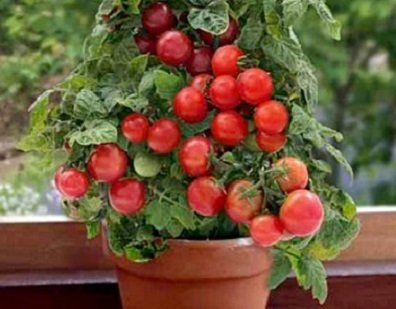
Examples of determinate tomato plant varieties include:
-
Roma tomatoes
-
San Marzano types
-
Patio tomatoes
-
Bush Early Girl varieties
These are commonly used for sauces, paste, and processing due to their dense flesh and uniform ripening.
Disease Management Differences
Because indeterminate tomato plants grow throughout the season, they face prolonged exposure to fungal diseases such as:
-
Early blight
-
Late blight
-
Septoria leaf spot
In humid regions like Georgia, disease pressure can intensify late in the season. Determinate varieties often finish fruiting before severe late-season infections develop.
Crop rotation, proper spacing, mulching, and drip irrigation systems are recommended regardless of plant type.
Soil and Nutrient Needs
Both determinate and indeterminate tomatoes require:
-
Well-drained soil
-
pH between 6.0 and 6.8
-
Organic matter enrichment
-
Balanced fertilization
However, indeterminate tomato plants may require additional feeding during the season due to continuous fruit production.
In many UK gardens, compost-rich loamy soil supports healthy tomato growth, while in parts of the US Midwest, raised beds are frequently used to improve drainage and soil structure.
Container Gardening: Which Type Works Best?
For container cultivation:
-
Determinate tomato plants are generally better suited.
-
Indeterminate tomatoes can be grown in containers but require large pots (at least 10–15 gallons) and strong staking.
Urban gardeners in cities like London or New York City often choose compact determinate varieties for balcony gardens.
Indeterminate and Determinate Tomatoes in Commercial Production
Commercial tomato farming systems often select determinate varieties for mechanical harvesting efficiency. Processing plants require synchronized ripening.
However, greenhouse producers frequently grow indeterminate tomatoes vertically in controlled environments to maximize yield per square metre.
Hydroponic systems commonly use indeterminate tomato plants due to their long productive cycle.
Flavor and Fruit Size Considerations
Flavor is influenced by genetics, soil health, ripening stage, and growing conditions rather than solely by growth type. However:
-
Many heirloom indeterminate varieties are known for complex flavor.
-
Determinate varieties are often bred for uniformity and firmness.
Cherry and grape tomatoes are typically indeterminate, offering prolonged snacking harvests.
Economic and Practical Considerations
From a cost-efficiency perspective:
-
Indeterminate tomato plants may provide higher total yield per plant.
-
Determinate plants may require less labor input.
For home gardeners managing limited time, determinate options can be more manageable.
Choosing Between Determinate vs Indeterminate Tomatoes
When deciding between determinate vs indeterminate tomatoes, consider:
-
Available space
-
Growing season length
-
Intended use (fresh vs preservation)
-
Willingness to prune and stake
-
Disease risk in local climate
In northern climates with early frost risk, determinate tomatoes may ensure a complete harvest before weather damage. In long-season regions, indeterminate tomato plants maximize continuous production.
Summary of Differences
| Feature | Indeterminate Tomato | Determinate Tomato Plant |
|---|---|---|
| Growth habit | Continuous vine | Compact bush |
| Height | 6–12 feet | 3–4 feet |
| Harvest | Ongoing | Concentrated |
| Pruning | Recommended | Minimal |
| Support | Required | Light support |
| Best for | Fresh supply | Canning/processing |
Final Perspective on Determinate Versus Indeterminate Tomatoes
Understanding determinate and indeterminate tomatoes is fundamental to successful cultivation. These classifications are not merely labels but indicators of growth pattern, harvest rhythm, and maintenance demands.
Indeterminate tomato plants suit gardeners seeking continuous harvest and willing to invest time in pruning and structural support. Determinate tomato plant varieties serve those needing compact growth and predictable yields.
Across the United States and the United Kingdom, both types play essential roles in home gardening and commercial production. Selecting the appropriate variety ensures better crop planning, reduced disease risk, and improved harvest satisfaction.
By recognizing the biological and practical differences in tomatoes indeterminate vs determinate, gardeners can align plant selection with climate conditions, available space, and culinary goals.
A clear understanding of determinate vs indeterminate tomatoes ultimately leads to healthier plants and more efficient food production—whether in a rural garden plot, suburban backyard, or urban balcony container system.