Flowers have fascinated humanity for centuries. From vibrant tulips in spring to delicate orchids that symbolize love and refinement, flowers and beautiful plants are nature’s way of expressing color, life, and renewal. Whether you’re creating a backyard garden, decorating your home, or simply admiring blooms in nature, understanding the different types of flowers helps you appreciate their diversity and beauty.
This comprehensive guide explores beautiful flowers, pretty plants, and cute blooms found across gardens and landscapes worldwide. You’ll learn about their classifications, unique characteristics, and tips on how to choose the right varieties for your own garden.
1. The Importance of Flowers in Nature and Daily Life
Flowers are much more than decorative elements — they play a vital role in ecosystems, culture, and emotional well-being.
1.1. Ecological Value
Flowers are essential for pollination. Bees, butterflies, and birds depend on their nectar, while plants rely on these pollinators to reproduce. A diverse selection of flower types supports biodiversity and promotes a healthy environment.
1.2. Emotional and Aesthetic Appeal
From pretty flowers adorning weddings to beautiful plants enhancing home interiors, blooms symbolize love, purity, and joy. The variety of colors, shapes, and fragrances allows every person to find a flower that speaks to their emotions.
1.3. Cultural Significance
Flowers appear in art, literature, and rituals around the world. The lotus symbolizes purity in Asia, roses represent romance in Western cultures, and marigolds are used in Indian festivals for celebration and remembrance.
2. Major Categories and Types of Flowers
Flowers can be classified in several ways — by season, structure, growth pattern, or usage. Here are the main categories you’ll find in gardens and floral arrangements.
2.1. Annual Flowers
Annual plants complete their life cycle within one growing season, producing vibrant blooms for months. They are ideal for adding quick color to a garden.
Examples: Marigolds, Petunias, Zinnias, and Sunflowers.
2.2. Perennial Flowers
Perennials return year after year, making them cost-effective and sustainable. These plants develop stronger roots over time and often bloom at the same period annually.
Examples: Roses, Lavender, Peonies, and Daylilies.
2.3. Biennial Flowers
Biennials grow foliage in the first year and bloom in the second year before dying off.
Examples: Foxglove, Sweet William, and Hollyhock.
2.4. Bulbous Flowers
These bulb-based flowers store nutrients in their bulbs, allowing them to survive dormant seasons.
Examples: Tulips, Daffodils, Lilies, and Crocuses.
2.5. Wildflowers
Wildflowers grow naturally without human cultivation. They’re low maintenance and attract pollinators.
Examples: Bluebells, Poppies, Cornflowers, and Daisies.
3. The Most Beautiful Flowers in the World
Beauty is subjective, but some flowers are universally admired for their shape, color, and symbolism. Here’s a list of some of the most beautiful flowers admired globally.
3.1. Rose – The Timeless Symbol of Love
Roses are perhaps the most recognized flowers in the world. With over 300 species, they come in shades of red, white, pink, yellow, and even black.
-
Symbolism: Love, passion, and admiration
-
Ideal for: Formal gardens, bouquets, and hedges
3.2. Orchid – The Elegant Exotic
Orchids represent refinement and luxury. Their delicate, symmetrical petals make them one of the prettiest flowers for both indoor and outdoor displays.
-
Symbolism: Beauty, elegance, and strength
-
Popular types: Phalaenopsis, Dendrobium, and Cattleya
3.3. Lily – The Symbol of Purity
Lilies are known for their large, trumpet-shaped blooms and sweet fragrance.
-
Symbolism: Renewal and purity
-
Popular varieties: Asiatic lilies, Oriental lilies, and Calla lilies
3.4. Tulip – The Spring Beauty
A classic symbol of springtime, tulips offer an endless variety of colors.
-
Symbolism: Perfect love and rebirth
-
Interesting fact: Originated in Central Asia and became a symbol of Dutch horticulture
3.5. Sunflower – The Cheerful Giant
Sunflowers follow the sun across the sky, symbolizing positivity and happiness. Their bright yellow petals make them one of the most recognizable and beautiful plants.
3.6. Cherry Blossom – The Ephemeral Wonder
The cherry blossom, or Sakura in Japan, represents the fleeting nature of life. Each spring, millions of people gather to admire these delicate pink blooms.
3.7. Hydrangea – The Garden Cluster
Known for their large, globe-shaped blooms, hydrangeas add texture and volume to any garden.
-
Symbolism: Gratitude and grace
-
Color fact: Soil pH determines their bloom color — acidic soils yield blue flowers, while alkaline soils produce pink ones.
3.8. Jasmine – The Fragrant Night Bloom
Jasmine flowers are small but highly aromatic. They thrive in warm climates and often climb trellises or garden walls.
4. Pretty Flowers That Add Charm to Any Garden
Not all beautiful flowers are bold or large — some pretty plants and cute flowers captivate with their simplicity and delicacy.
4.1. Daisies
Symbolizing innocence, daisies brighten gardens with their cheerful white petals and yellow centers.
4.2. Pansies
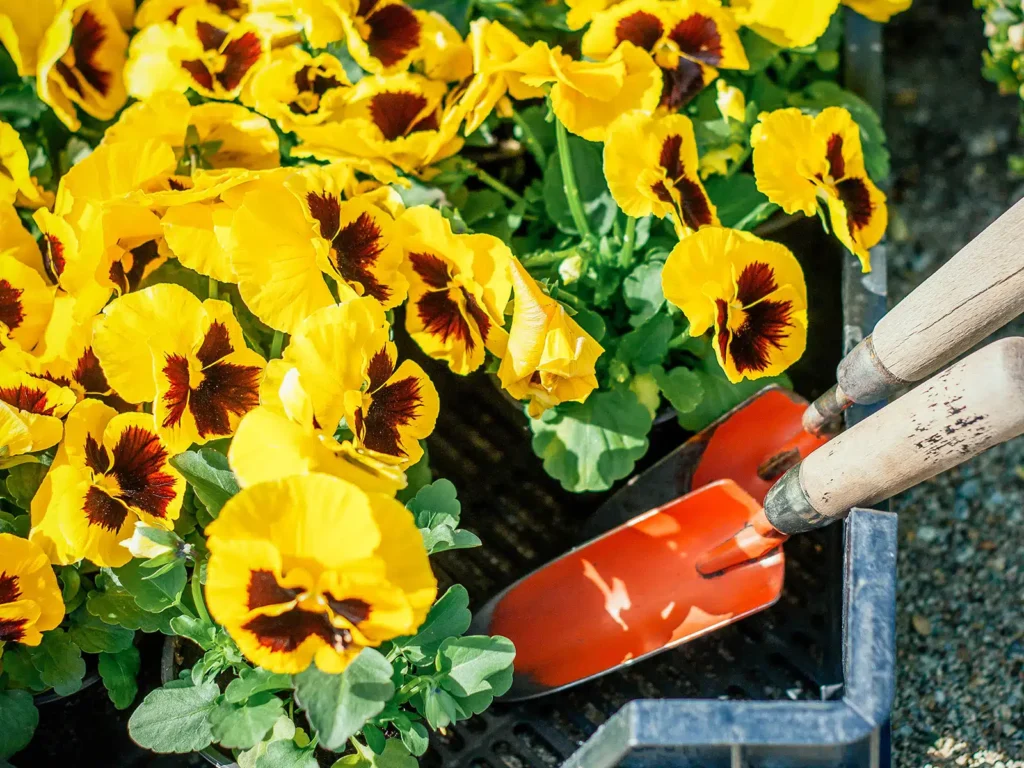
These cute plants are perfect for borders and containers, with petals that look like smiling faces.
4.3. Lavender
Known for its soothing fragrance, lavender attracts pollinators while adding a lovely purple hue to the landscape.
4.4. Forget-Me-Nots
Small but symbolic, forget-me-nots represent remembrance and eternal love.
4.5. Baby’s Breath
A staple in bouquets, this delicate flower complements larger blooms and enhances floral arrangements with its airy appearance.
5. Types of Flowers by Season
Knowing which flowers bloom in each season helps you plan a colorful, year-round garden.
5.1. Spring Flowers
Tulips, Daffodils, Hyacinths, and Irises awaken gardens after winter.
5.2. Summer Flowers
Roses, Lilies, Sunflowers, and Geraniums dominate summer gardens with their rich colors.
5.3. Autumn Flowers
Chrysanthemums, Marigolds, and Dahlias bloom in warm tones of orange, gold, and red.
5.4. Winter Flowers
Camellias, Pansies, and Hellebores add life even in the cold months.
6. Beautiful Plants That Complement Flower Gardens
A flower garden feels incomplete without lush plants and greenery that provide contrast and texture.
6.1. Ferns
Ferns thrive in shaded areas and bring soft, feathery foliage to garden corners.
6.2. Hostas
Known for their broad, patterned leaves, hostas balance colorful flowers with structural greenery.
6.3. Succulents
Cute plants like echeveria or aloe vera add unique shapes and require minimal care.
6.4. Grasses and Groundcovers
Ornamental grasses like pampas grass or creeping thyme enhance visual layers and fill gaps between flowerbeds.
7. Choosing the Right Flowers for Your Garden
Selecting the perfect flowers involves understanding your climate, soil type, and sunlight availability.
-
Sunny gardens: Opt for sun-loving blooms like lavender, marigold, or coneflower.
-
Shaded areas: Try impatiens, begonias, or ferns.
-
Moist soil: Hydrangeas, irises, and astilbes thrive here.
-
Dry regions: Go for succulents, cacti, or drought-resistant perennials like sage.
By mixing flower types strategically, you can maintain year-round color and texture.
8. The Science Behind Flower Colors and Shapes
The color and form of a flower are not just for beauty — they’re adaptations for pollination and survival.
-
Bright colors attract bees and butterflies.
-
Tubular shapes are suited for hummingbirds.
-
Night-blooming flowers like jasmine rely on fragrance instead of color.
Understanding these traits helps gardeners choose combinations that encourage biodiversity.
9. Cute Plants and Miniature Gardens
If space is limited, miniature plants and indoor flower pots offer the same joy on a smaller scale.
9.1. Mini Roses and African Violets
Compact, low-maintenance, and visually charming.
9.2. Succulent Gardens
Combining succulents of varying shapes and hues creates a cute plant collection perfect for balconies or windowsills.
9.3. Terrariums
Glass-enclosed mini gardens featuring mosses, small ferns, and decorative pebbles bring nature indoors beautifully.
10. Using Flowers in Landscaping and Design
A well-planned garden balances color, height, and bloom time to create year-round interest.
-
Borders: Use low-growing flowers like alyssum and pansies.
-
Centerpieces: Feature tall, striking blooms such as delphiniums or hollyhocks.
-
Pathways: Line with lavender or daisies for a welcoming effect.
-
Containers: Mix flowering plants with green foliage for layered arrangements.
By blending beautiful flowers with pretty plants, you can achieve a garden that looks harmonious and inviting.
11. Flower Photography and Appreciation
Capturing flowers pictures is an art in itself. The play of sunlight on petals, dew drops at dawn, and vibrant contrasts make flowers a favorite subject for photographers.
-
Tip: Photograph early in the morning or after rain for the best natural lighting and freshness.
-
Bonus: Flowers like roses, sunflowers, and orchids are universally recognized symbols of beauty, making them ideal subjects.
12. Sustainable Gardening and Flower Care
Modern gardeners increasingly focus on sustainability.
-
Use native plants that adapt naturally to your region.
-
Reduce water waste with drip irrigation systems.
-
Compost organic waste to nourish soil naturally.
-
Avoid chemical pesticides — rely on natural pest control like ladybugs or neem oil.
By nurturing your beautiful flowers responsibly, you protect both your garden and the planet.
Conclusion
Flowers are nature’s poetry — each bloom tells a story through color, scent, and form. From roses and lilies to succulents and ferns, the diversity of flower types makes every garden unique. Whether you’re drawn to pretty plants, cute flowers, or grand floral displays, there’s always a species that can transform your space into a living masterpiece.
The next time you walk through a garden, take a moment to admire the artistry behind each petal. These beautiful flowers not only enrich our surroundings but remind us of nature’s timeless beauty and balance.