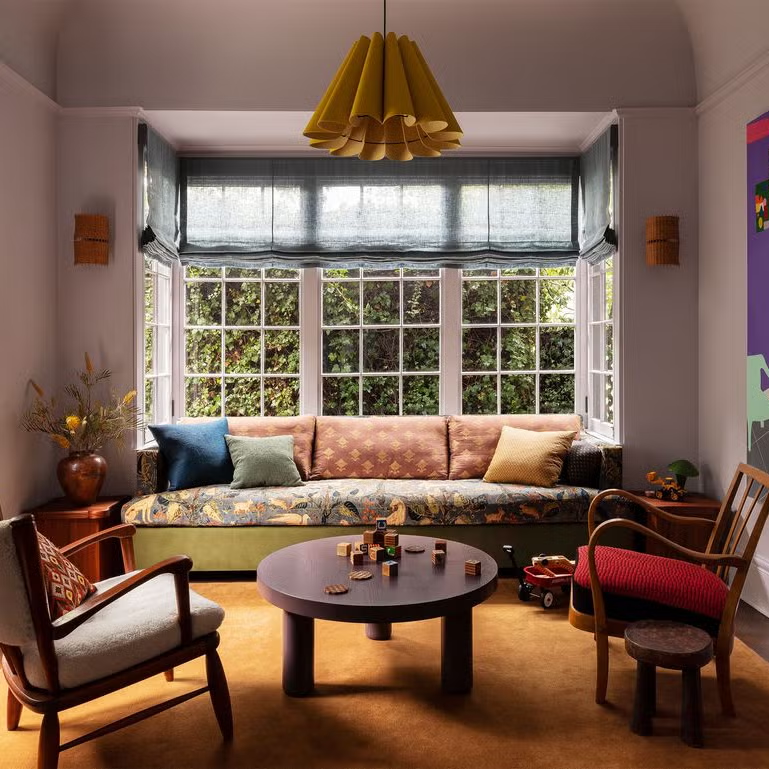
Cushions are one of the simplest yet most effective ways to enhance the beauty and comfort of any living space. They bring together both function and fashion, offering softness, support, and aesthetic charm. Whether used on a sofa, bed, armchair, or even on the floor, cushions can transform a plain room into a cozy, inviting environment.
Beyond their obvious purpose of providing comfort, cushions play an important role in interior design. They can add color, texture, and personality to your décor, allowing homeowners to express their style effortlessly. With a wide variety of shapes, fabrics, patterns, and fillings available, cushions have evolved from simple accessories into key elements of modern home décor.
The Importance of Cushions in Home Décor
Cushions are much more than decorative pieces. They serve several important functions that make them indispensable in home interiors.
-
Comfort and Support: Cushions make furniture more comfortable by providing extra padding and back support. They help relieve pressure on the spine and muscles when sitting or lying down.
-
Visual Balance: Well-chosen cushions can balance the overall color scheme of a room. They create harmony by tying together furniture, rugs, and curtains.
-
Versatility: Cushions are easy to change and rearrange. They allow homeowners to refresh the look of their rooms without investing in new furniture.
-
Personal Expression: Cushions reflect individual taste and creativity. From bold prints to subtle tones, they can showcase personality and style preferences.
-
Seasonal Decor: Changing cushion covers according to the season — bright colors for summer, warm tones for winter — helps maintain a dynamic and lively atmosphere.
Types of Cushions
Cushions come in different types, each designed for a specific purpose. Here’s a breakdown of the most common kinds used in homes.
1. Sofa Cushions
These are the most popular and widely used cushions. Designed for comfort and decoration, sofa cushions are often placed on couches and chairs. They come in various shapes like square, rectangular, or round. Sofa cushions add both coziness and visual appeal to living rooms.
2. Floor Cushions
Floor cushions or poufs are great for informal seating. They are perfect for relaxing, reading, or socializing on the floor. Often larger and thicker than standard cushions, they add a relaxed, bohemian touch to any space.
3. Bed Cushions
Bed cushions are used to create layers and depth on a bed. They can include pillows, bolsters, and decorative cushions that enhance bedroom aesthetics while offering additional support when reading or lounging.
4. Outdoor Cushions
Designed to withstand outdoor conditions, these cushions are made from weather-resistant materials like polyester or acrylic. They’re perfect for patio furniture, garden benches, or balconies, providing both comfort and durability.
5. Seat Cushions
Seat cushions provide extra comfort on dining chairs, benches, or office seats. They can be tied to the furniture or have non-slip bases to stay in place. Many seat cushions are ergonomically designed to improve posture.
6. Bolster Cushions
Bolster cushions are long, cylindrical pillows often used for decorative or support purposes. They are placed on beds, sofas, or daybeds and can enhance both comfort and style.
7. Lumbar Cushions
Lumbar cushions support the lower back, promoting healthy posture and preventing strain. They are often used in living rooms, offices, or cars for ergonomic benefits.
Shapes and Sizes of Cushions
Cushions come in various shapes and sizes to suit different design needs and furniture styles:
-
Square Cushions: The most common and versatile, ideal for sofas and beds.
-
Rectangular Cushions: Often used as lumbar or accent cushions.
-
Round Cushions: Add softness and contrast to straight furniture lines.
-
Bolster Cushions: Cylindrical shapes that provide both decorative flair and functional support.
-
Custom Shapes: Heart, star, or geometric designs for children’s rooms or unique interior themes.
The size of cushions can vary from small accent cushions (30×30 cm) to large floor cushions (70×70 cm or more). Choosing the right size helps maintain proportion and balance in the room.
Popular Cushion Materials
The comfort, appearance, and durability of cushions depend greatly on the materials used. Both fabric covers and inner fillings play a significant role in their quality.
Fabric Types:
-
Cotton: Breathable, soft, and easy to clean — perfect for casual, everyday use.
-
Linen: Lightweight, natural, and elegant, ideal for a relaxed or rustic décor.
-
Velvet: Luxurious and smooth, adds richness and texture to interiors.
-
Silk: Elegant and shiny, best suited for formal or decorative settings.
-
Polyester: Durable, affordable, and available in many prints and colors.
-
Leather and Faux Leather: Give a modern and sophisticated look, suitable for contemporary homes.
-
Jute and Canvas: Perfect for earthy, bohemian, or coastal themes.
Filling Materials:
-
Foam: Provides firm support and retains shape well.
-
Feather or Down: Extremely soft and plush, offering luxurious comfort.
-
Polyester Fiber: Lightweight and affordable, suitable for everyday cushions.
-
Memory Foam: Adapts to body shape and offers orthopedic benefits.
-
Microbeads or Beans: Used in specialty cushions for ergonomic comfort.
Choosing the Right Cushions for Your Home
Selecting the perfect cushions involves a combination of comfort, style, and practicality. Here are a few factors to consider:
1. Color and Pattern
Cushion colors should complement the existing palette of your room. For neutral furniture, bright or patterned cushions can add life. For colorful furniture, solid or pastel tones create balance. Mixing patterns like stripes, florals, and geometric prints can add interest without looking chaotic.
2. Texture
Combining different textures—such as velvet with linen or cotton with silk—adds depth and character to your décor. Textured cushions create a tactile experience and make spaces look more dynamic.
3. Arrangement
The way cushions are arranged affects the overall look of the room. For a modern vibe, use fewer, larger cushions with clean lines. For a cozy or traditional setting, mix multiple cushions in varying sizes and shapes.
4. Functionality
If you have young children or pets, choose cushions with removable, washable covers. For outdoor use, ensure that materials are UV-resistant and waterproof.
5. Theme and Style
Cushions can enhance specific décor themes:
-
Minimalist: Stick to solid colors and simple designs.
-
Bohemian: Use vibrant, patterned, and mismatched cushions.
-
Scandinavian: Go for muted tones and natural fabrics.
-
Classic: Choose elegant fabrics like silk or velvet in neutral hues.
-
Modern: Bold contrasts and geometric prints work best.
Trends in Cushion Design
Cushion designs evolve along with home décor trends. Here are some current styles and trends:
-
Sustainable Fabrics: Eco-friendly materials like organic cotton, hemp, or recycled polyester are gaining popularity.
-
Handcrafted Designs: Embroidered, knitted, or handwoven cushions add artisanal charm.
-
Textured Surfaces: Quilted, tufted, and fringed designs are trending in modern interiors.
-
Bold Prints: Floral, tropical, abstract, and geometric patterns make cushions stand out.
-
Layering and Mix-Match: Mixing cushions of different shapes and textures creates a relaxed, stylish effect.
-
Neutral Tones: Soft beiges, grays, and whites continue to dominate minimalist décor.
-
Statement Cushions: Oversized or uniquely shaped cushions are used as focal points in living spaces.
How to Style Cushions in Different Rooms
Cushions can be used in nearly every room in the house, each serving a unique decorative and functional purpose.
Living Room
The living room is the heart of home décor, and cushions can instantly refresh its look. Combine cushions of various sizes, colors, and textures to create a warm and inviting seating area. Layer solid cushions with patterned ones for visual interest.
Bedroom
In bedrooms, cushions create a cozy and luxurious atmosphere. Use larger pillows at the back and smaller decorative cushions in front for a layered look. Soft fabrics like linen, velvet, or silk add an elegant touch.
Outdoor Areas
Outdoor cushions should be both durable and stylish. Choose fabrics that resist moisture and fading. Bright colors and tropical prints complement outdoor environments beautifully.
Dining Area
Seat cushions can make dining chairs more comfortable and attractive. Choose washable fabrics and secure them with ties or non-slip backing.
Kids’ Room
Cushions in children’s rooms can be fun and playful. Use bold colors, cartoon prints, or unique shapes like stars, animals, or clouds.
Cushion Care and Maintenance
To keep your cushions looking fresh and clean, regular maintenance is essential:
-
Fluff Regularly: Fluffing helps maintain shape and prevents clumping.
-
Wash Covers: Always follow the care label instructions for washing or dry cleaning.
-
Sun Exposure: Air cushions occasionally to prevent odors but avoid prolonged exposure to sunlight, which can fade colors.
-
Spot Clean: For small stains, use mild detergent or fabric cleaner.
-
Vacuum: Use a vacuum cleaner with a soft brush attachment to remove dust.
-
Rotate: If you use cushions daily, rotate them occasionally to ensure even wear.
Eco-Friendly Cushion Choices
As sustainability becomes a growing concern, eco-friendly cushions are an excellent choice for environmentally conscious homeowners. Look for:
-
Natural Fillings: Wool, organic cotton, or kapok.
-
Sustainable Fabrics: Linen, hemp, and bamboo fabrics.
-
Recycled Materials: Cushions made from upcycled fabrics or PET fibers.
-
Ethically Produced Items: Brands that follow fair-trade and low-impact dyeing processes.
These options not only reduce your carbon footprint but also contribute to a healthier indoor environment.
Common Mistakes to Avoid When Decorating with Cushions
Even though cushions are small accessories, improper use can affect the harmony of a room. Avoid these mistakes:
-
Overcrowding: Too many cushions can make furniture uncomfortable.
-
Ignoring Proportion: Small cushions on large sofas look awkward and vice versa.
-
Clashing Colors: Always ensure your cushion colors complement the rest of your décor.
-
Neglecting Functionality: Choose cushion materials that match your lifestyle.
-
Lack of Variation: Mix sizes, patterns, and textures for visual interest.
Benefits of Using Cushions in Home Interiors
-
Improved Comfort: Cushions provide added softness for better sitting and lounging.
-
Enhanced Aesthetics: They instantly uplift the look of a room.
-
Affordability: Cushions are cost-effective accessories that can transform a space.
-
Flexibility: Easy to replace or rearrange for a quick makeover.
-
Support: Ergonomic cushions help improve posture and relieve pressure points.
Conclusion
Cushions may seem like small accessories, but they have a big impact on the comfort and style of a home. From enhancing aesthetics to improving relaxation, these versatile pieces are essential components of home décor. With countless designs, fabrics, and shapes available, there’s a cushion to suit every taste and interior theme.
When selecting cushions, consider color harmony, texture variety, and functional needs. Whether you prefer a minimalist setup or a vibrant mix of patterns, cushions can breathe life into your living space. They offer a simple yet effective way to refresh your décor without major renovations.
Ultimately, cushions embody the perfect balance between beauty and comfort — making your home not just a place to live, but a space to enjoy and relax in.