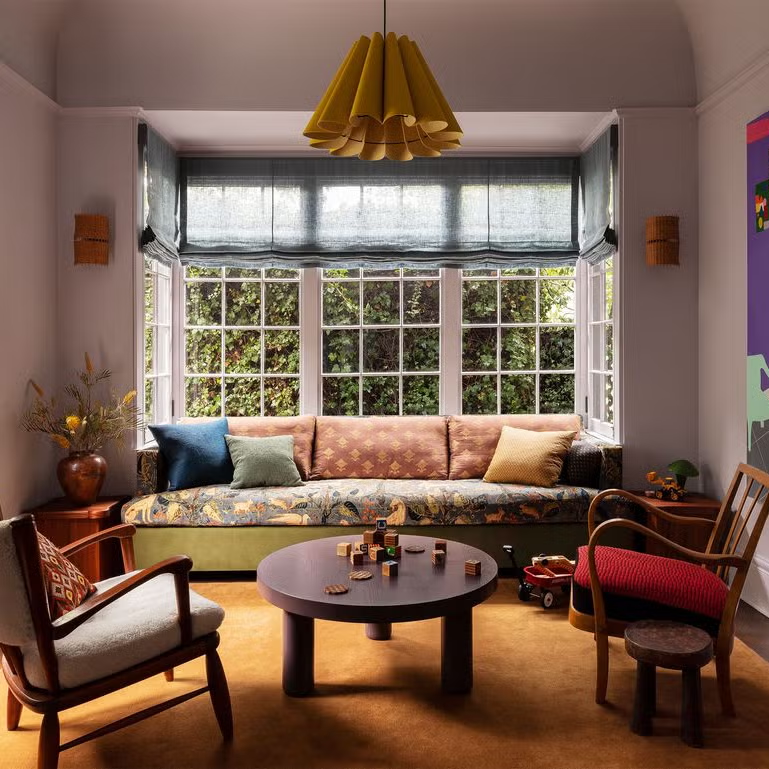
Home décor plays a fundamental role in shaping the atmosphere, style, and comfort of every living space. While furniture, paint colors, and accessories influence a room’s appearance, curtains and blinds have an equally powerful effect on both aesthetics and practicality. These window treatments transform the overall mood of a space by controlling light, improving privacy, and adding personality through patterns, textures, and materials.
Understanding various types of curtains and blinds, along with their benefits, design roles, and installation considerations, helps homeowners make informed decisions that enhance the beauty and function of their interiors. This detailed guide explores everything you need to know about integrating curtains and blinds into modern home décor.
1. The Role of Curtains and Blinds in Home Décor
Curtains and blinds are not merely accessories; they are essential components of interior styling. Their purpose extends beyond blocking sunlight—they influence the room’s visual balance, energy efficiency, privacy, and temperature control.
How Curtains and Blinds Impact Interior Styling
-
Light Control: Regulate natural light entering the room.
-
Privacy: Create comfortable living spaces by shielding interiors from outside view.
-
Thermal Regulation: Reduce heat loss in winter and heat gain in summer.
-
Aesthetic Appeal: Add color, texture, and depth to walls and windows.
-
Acoustic Benefits: Thick curtains help reduce outside noise.
Whether someone prefers a minimalist design or a more elaborate interior scheme, the right window covering enhances harmony and comfort.
2. Types of Curtains Used in Home Décor
Curtains come in numerous styles, fabrics, and lengths. Each type serves different functional and decorative purposes. Understanding curtain varieties helps select the right option for every room.
1. Panel Curtains
Panel curtains are the most common type. They hang from a rod and slide easily, making them suitable for living rooms, bedrooms, and lounge areas.
2. Sheer Curtains
Sheers are lightweight, translucent curtains that allow natural light to filter through. They add softness to a space while maintaining a sense of openness.
Best for: Living rooms, dining rooms, sunrooms.
3. Blackout Curtains
Designed to block nearly all light, blackout curtains are ideal for bedrooms and entertainment rooms.
Benefits:
-
Improved sleep quality
-
Energy efficiency
-
Noise reduction
4. Thermal Curtains
Made with insulating materials, thermal curtains regulate indoor temperature by blocking heat transfer.
Best for: Homes in extreme climates.
5. Eyelet Curtains
Eyelet or grommet curtains feature metal rings along the top. They slide smoothly on rods and offer a modern, clean look.
6. Pleated Curtains
Available in pinch pleat, box pleat, and pencil pleat styles, these curtains add structure and sophistication.
Commonly used in: Formal living rooms, offices, hotels.
7. Tab-Top Curtains
These feature loops of fabric at the top, creating a relaxed, casual appearance ideal for cottage-style homes.
8. Café Curtains
Short curtains typically placed on kitchen or bathroom windows to allow light while maintaining privacy.
3. Popular Types of Blinds for Modern Interiors
Blinds provide a clean, structured look. Their styles vary widely, giving homeowners multiple ways to regulate light and privacy.
1. Roller Blinds
Simple and functional, roller blinds roll up and down using a mechanism. They are available in blackout, sunscreen, and translucent variants.
2. Venetian Blinds
Featuring horizontal slats made of wood, metal, or PVC, Venetian blinds offer excellent control over light and airflow.
3. Vertical Blinds
Vertical slats rotate to open or close. They are perfect for large windows or sliding doors.
4. Roman Blinds
Roman blinds fold neatly into pleats when raised. They provide the softness of fabric with the structure of blinds.
5. Honeycomb / Cellular Blinds
These energy-efficient blinds trap air within their cellular structure, improving insulation.
6. Wooden Blinds
Wooden blinds bring a natural, warm, and elegant feel to interiors, suitable for both contemporary and traditional décors.
7. Bamboo Blinds
Eco-friendly and stylish, bamboo blinds add earthy tones and texture to the décor.
4. Comparing Curtains and Blinds: Which Is Right for Your Home?
Choosing between curtains and blinds depends on room conditions, interior style, and functional needs.
Curtains Are Best For:
-
Large windows
-
Bedrooms requiring insulation or sound absorption
-
Formal living rooms
-
Spaces needing softness and warmth
Blinds Are Best For:
-
Small or compact rooms
-
Kitchens or bathrooms
-
Minimalist or modern interiors
-
Windows requiring precise light control
Some homeowners combine both curtains and blinds for layered, dynamic window treatments.
5. Choosing the Right Materials for Curtains and Blinds
Material selection influences both aesthetics and functionality.
Curtain Fabrics
Cotton
Versatile, breathable, and easy to maintain.
Linen
Light, airy, and ideal for calm, natural-inspired décor.
Velvet
Adds elegance and richness; excellent for formal or high-end interiors.
Polyester
Durable, affordable, and widely available.
Silk
Luxurious and shiny but requires delicate care.
Blind Materials
Wood
Provides warmth and texture; ideal for classic or rustic styles.
Metal
Gives a sleek and modern look; durable and easy to clean.
PVC or Faux Wood
Resistant to moisture and ideal for bathrooms or kitchens.
Fabric
Used in Roman, roller, and vertical blinds for softness and color variety.
6. How to Choose Curtains and Blinds Based on Room Type
Every room has unique requirements. Window treatments must match both purpose and décor.
Living Room
Needs softness, visual appeal, and balanced lighting.
Ideal options: Sheer curtains, layered curtains, Roman blinds, wooden blinds.
Bedroom
Requires privacy, darkness, and insulation.
Ideal options: Blackout curtains, thermal curtains, roller blackout blinds.
Kitchen
Needs materials resistant to heat, moisture, and stains.
Ideal options: PVC blinds, aluminum blinds, café curtains.
Bathroom
Privacy and moisture resistance are priorities.
Ideal options: Vinyl blinds, waterproof roller blinds, frosted blinds.
Office or Study Room
Focus and concentration are essential.
Ideal options: Venetian blinds, roller blinds, pleated blinds.
7. Home Décor Trends in Curtains and Blinds
Interior design evolves with new fashions and lifestyle needs. Current trends reflect simplicity, sustainability, and technology.
1. Neutral and Earthy Tones
Beige, cream, gray, olive, and natural wood tones dominate modern window treatments.
2. Minimalist Designs
Clean lines, subtle textures, and clutter-free styles are increasingly popular.
3. Smart Blinds
Motorized blinds controlled via smartphone or voice assistants offer convenience and modern comfort.
4. Eco-Friendly Materials
Bamboo blinds, organic cotton curtains, and recycled fabrics support sustainable home décor.
5. Layered Looks
Combining sheer curtains with blackout drapes or pairing Roman blinds with flowing curtains creates depth and visual interest.
8. Installation and Measurement Tips
Proper installation ensures curtains and blinds function effectively and look aesthetically pleasing.
Measuring Tips
-
Measure window width and height precisely.
-
Add extra width for curtains to allow elegant folds.
-
Consider mounting blinds inside or outside the window frame.
-
Hang curtains higher than the window to make ceilings appear taller.
Installation Tips
-
Use sturdy rods and brackets.
-
Ensure blinds move smoothly without obstruction.
-
Always match hardware with décor style.
9. Maintenance and Cleaning of Curtains and Blinds
Regular maintenance extends the life and appearance of window treatments.
Curtain Maintenance
-
Vacuum or shake regularly to remove dust.
-
Wash fabric according to care instructions.
-
Dry clean delicate fabrics like silk or velvet.
-
Steam curtains to remove wrinkles.
Blind Maintenance
-
Wipe slats with a microfiber cloth.
-
Use mild detergents for PVC or metal blinds.
-
Vacuum fabric blinds gently.
-
Avoid excessive water on wooden blinds.
10. Layering Curtains and Blinds for Enhanced Home Décor
Layering provides texture, functionality, and sophistication.
Benefits of Layering
-
Better control of natural light
-
More privacy options
-
Enhanced visual harmony
-
Added insulation
-
Greater design flexibility
Popular combinations include sheer curtains with blackout drapes or Roman blinds with decorative side panels.
11. How Curtains and Blinds Influence Room Atmosphere
Window treatments dramatically alter the mood of a room.
Bright and Airy Feel
Achieved with sheer curtains, light fabrics, and soft colors.
Warm and Cozy Atmosphere
Created using thick fabrics like velvet, dark tones, and layered treatments.
Modern and Minimal Look
Attained with roller blinds, Venetian blinds, or simple linen curtains.
Elegant and Sophisticated Style
Added using pleated drapes, embroidered fabrics, or Roman blinds.
12. Budget Considerations When Choosing Curtains and Blinds
Costs vary based on material, size, customization, and installation.
Budget-Friendly Options
-
Polyester curtains
-
PVC blinds
-
Simple roller blinds
Mid-Range Options
-
Linen curtains
-
Wooden blinds
-
Roman fabric blinds
Premium Options
-
Silk curtains
-
Designer drapery
-
Motorized blinds
Understanding budget helps homeowners balance quality and design.
13. Common Mistakes to Avoid
Homeowners often overlook certain details when choosing curtains or blinds.
Avoid:
-
Choosing colors that clash with the décor
-
Installing blinds too low
-
Using materials unsuitable for the room (e.g., fabric blinds in humid bathrooms)
-
Ignoring natural lighting needs
-
Skipping measurements
Careful planning prevents long-term dissatisfaction.
14. Understanding Color Psychology in Curtains and Blinds
Color selection plays a powerful role in home décor because different shades influence mood, perception, and emotional responses. When choosing curtains or blinds, color psychology becomes an essential consideration.
Warm Colors
Shades like red, orange, rust, and gold add vibrancy and warmth to interiors. They create an energetic atmosphere, making them suitable for dining areas or living rooms where people gather and interact.
Cool Colors
Blues, greens, and purples bring calmness and relaxation. These colors work well in bedrooms, bathrooms, and reading corners where a serene environment is preferred.
Neutral Colors
Beige, cream, gray, taupe, and white offer timeless elegance. Neutrals blend seamlessly with most furniture styles and give spaces a clean, modern, and airy look. Neutral curtains and blinds also allow other décor elements to stand out.
Dark Colors
Charcoal, navy, and deep browns create depth and sophistication. These shades help anchor large rooms and give them a grounded, cozy atmosphere.
Patterns and Prints
Geometric shapes, florals, stripes, or textured patterns add personality. They can transform simple windows into artistic focal points, especially in minimalist spaces.
Understanding color psychology helps homeowners match curtains and blinds with the emotional tone they want to achieve in each room.
15. How Curtains and Blinds Improve Home Energy Efficiency
Window treatments are often overlooked as energy-saving tools, yet they significantly affect indoor temperature and energy usage.
Thermal Regulation
Thick curtains and insulated blinds reduce heat transfer, keeping rooms warm during winter and cool during summer. This reduces reliance on heating or air conditioning.
UV Protection
Blinds like sunscreen roller blinds or coated Venetian blinds block harsh UV rays, protecting furniture, carpets, and artwork from fading.
Temperature Control
-
Blackout curtains keep bedrooms cool by blocking sunlight.
-
Cellular blinds trap air in their honeycomb structure for insulation.
-
Heavy drapes prevent drafts around old windows.
Homes with properly selected curtains and blinds can maintain comfortable temperatures more efficiently and sustainably.
16. Custom Curtains and Blinds: Benefits and Considerations
Many homeowners choose custom-made window treatments tailored to their unique spaces.
Benefits of Custom Options
-
Perfect fit for non-standard window sizes
-
High-quality fabrics and stitching
-
Personalized design choices
-
Enhanced longevity
-
Better alignment with décor themes
Considerations
-
Higher cost compared to ready-made options
-
Longer production time
-
Requires accurate measurements
-
Professional installation may be needed
Custom window treatments elevate the overall home décor by offering unique, tailored aesthetics.
17. Motorized Curtains and Smart Blinds in Modern Home Décor
With the rise of smart homes, motorized curtains and smart blinds are becoming integral to contemporary interior design.
How Smart Window Treatments Work
These systems operate using:
-
Remote controls
-
Smartphone apps
-
Voice assistants like Alexa, Siri, or Google Assistant
-
Automated timers
Advantages
-
Convenience and hands-free operation
-
Improved energy efficiency
-
Enhanced safety for children and pets (no cords)
-
Modern, streamlined appearance
Suitable Rooms
Smart blinds fit well in living rooms, home theaters, and bedrooms where controlled ambiance is essential.
18. The Influence of Texture and Fabric Weight on Interior Atmosphere
Texture is an often-overlooked element in home décor, but it plays a big role in shaping a room’s atmosphere.
Lightweight Fabrics
Sheer materials like voile, gauze, or lightweight linen offer softness and movement. They create an airy, bright, and gentle ambiance suitable for open-concept living rooms.
Medium-Weight Fabrics
Cotton blends and light wool provide structure without overwhelming the space. They are suitable for everyday use and complement most home décor styles.
Heavy Fabrics
Velvet, brocade, and thick thermal fabrics add luxury and drama. They provide excellent light blocking and insulation, making them ideal for bedrooms or formal sitting areas.
Choosing the right fabric weight ensures balance between functionality and style.
19. Layered Lighting and Curtain-Blind Combinations
Layering curtains and blinds does not only improve visual depth but also enhances lighting control.
Popular Layering Techniques
Blinds + Sheer Curtains
Perfect for living rooms. Blinds provide privacy, while sheers soften the incoming light.
Blackout Curtains + Roller Blinds
Ideal for bedrooms or media rooms where darkness is essential.
Roman Blinds + Side Drapes
Offers a classic, elegant look suitable for dining rooms or offices.
Benefits of Layering
-
More options for filtering light
-
Better privacy during day and night
-
Enhanced insulation
-
A richer and more sophisticated décor style
Homeowners often use layering as a simple yet effective home décor strategy to elevate their interiors.
20. Incorporating Curtains and Blinds into Small Space Home Décor
Small rooms require strategic window treatments to avoid making spaces feel cramped.
Tips for Small Spaces
-
Choose light-colored curtains to make rooms feel larger.
-
Opt for blinds if wall space is limited.
-
Hang curtains high to create the illusion of taller ceilings.
-
Use sheer curtains to allow natural light to brighten the area.
-
Avoid heavy fabrics that visually weigh down the room.
Minimalist blinds or airy curtains enhance spatial perception and keep small homes functional and stylish.
21. Mixing and Matching Curtains with Home Décor Themes
Your window treatments should complement your chosen interior style. Here are common décor themes and suitable curtain/blind options:
Modern Style
-
Roller blinds
-
Linen curtains
-
Monochromatic color palettes
-
Sleek metal rods
Traditional Style
-
Pleated drapes
-
Wooden blinds
-
Rich fabrics like velvet
-
Decorative curtain rods
Bohemian Style
-
Patterned curtains
-
Layered fabrics
-
Natural bamboo blinds
Scandinavian Style
-
Light cotton or linen drapes
-
Neutral tones
-
Simple wooden blinds
Industrial Style
-
Dark blinds
-
Raw textures
-
Black metal hardware
Matching window treatments to décor themes ensures a cohesive and visually balanced environment.
22. Safety Considerations for Curtains and Blinds
Safety is a major concern, especially in homes with children or pets.
Cordless Blinds
Reduce choking hazards and enhance safety.
Flame-Resistant Fabrics
Certain curtain materials offer improved fire safety, ideal for kitchens or commercial spaces.
Secure Mounting
Ensure rods and brackets are strong enough to support heavy drapes.
Pet-Friendly Options
Avoid long drapes that collect fur or attract playful behavior; instead, choose blinds or shorter curtains.
Safety-aware window treatment choices contribute to a secure and comfortable home environment.
23. Eco-Friendly and Sustainable Window Treatment Choices
Many people today prioritize sustainability when designing their homes.
Eco-Friendly Curtain Materials
-
Organic cotton
-
Bamboo fabrics
-
Linen
-
Hemp
Eco-Friendly Blind Materials
-
Bamboo blinds
-
Recycled wood
-
Natural fibers
-
Solar-screen blinds
Recycling and Reusability
Old curtains can be repurposed into cushion covers, bags, or craft materials. Wooden blinds can be refinished and reused in new areas of the home.
Eco-conscious choices reduce environmental impact while maintaining beautiful home décor.
24. Window Treatment Ideas for Special Spaces
Some spaces require more specific curtain or blind choices.
Home Offices
Blinds with adjustable slats help control glare on computer screens.
Home Theaters
Heavy blackout curtains or motorized blackout blinds are essential for creating a cinema-like environment.
Sunrooms
Sheer curtains, sunscreen roller blinds, or cellular blinds help control intense sunlight.
Entryways
Decorative curtains or bamboo blinds add charm while preserving privacy.
Focusing on the unique function of each space ensures the most efficient and stylish home décor solution.
25. Future Trends in Curtains and Blinds
The evolution of home décor continues to influence window treatment trends.
Emerging Trends
-
Digital Prints: Custom prints and artistic patterns becoming more common.
-
Automated Smart Curtains: Expanded compatibility with smart home systems.
-
Eco-Fabrics: Increased use of recycled textiles.
-
Hybrid Window Coverings: Designs that combine the benefits of blinds and curtains.
-
Minimalist Rods and Hardware: Slimmer profiles with sleek finishes.
The future of curtains and blinds blends technology, sustainability, and minimalist design principles.
Conclusion
Curtains and blinds are essential elements of home décor, influencing aesthetics, comfort, and functionality. With numerous styles, materials, and designs available, every homeowner can find window treatments suited to their needs, whether aiming for elegance, simplicity, warmth, or modernity. By understanding types, materials, trends, and installation methods, it becomes easier to create a balanced and beautiful living environment. Thoughtful choices in curtains and blinds not only enhance interior design but also improve daily comfort, privacy, and energy efficiency—making them key components of any well-decorated home.