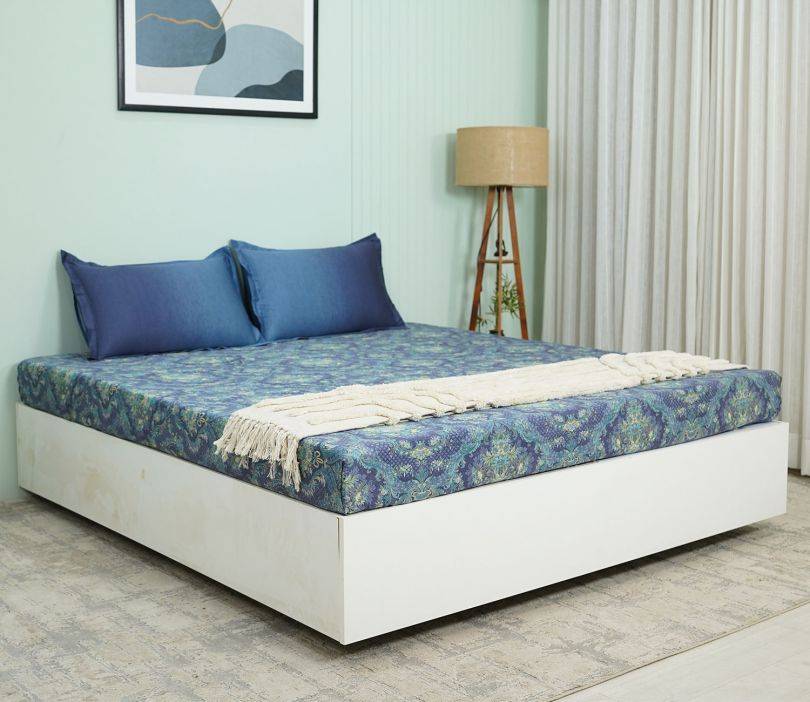
A good night’s sleep is one of the most essential elements of a healthy lifestyle. It affects mood, productivity, and overall well-being. And at the heart of restful sleep lies one crucial component — bedding. The quality, texture, and design of your bedding directly influence comfort and sleep quality. Among all bedding essentials, the comforter stands out as a cozy, functional, and aesthetic piece that defines how you experience your bed.
From soft cotton sheets to plush comforters filled with natural or synthetic materials, every element of bedding contributes to relaxation and warmth. This guide explores the world of bedding and comforters, diving into their types, materials, maintenance, design trends, and practical considerations for choosing the right set for your home.
Understanding Bedding: The Foundation of Comfort
What Is Bedding?
Bedding refers to the collection of fabrics and accessories used to cover, protect, and enhance a mattress for sleeping. It includes essentials such as bed sheets, pillowcases, blankets, comforters, duvets, quilts, and mattress covers. The right combination of bedding not only enhances sleep quality but also reflects the style and personality of your room.
The Role of Bedding in Sleep Quality
-
Comfort and Texture: Soft, breathable fabrics like cotton, linen, or bamboo help regulate body temperature and promote relaxation.
-
Hygiene: Bedding acts as a barrier between your body and the mattress, preventing dirt buildup and allergens.
-
Aesthetic Appeal: The design, color, and layering of bedding elevate a bedroom’s visual appeal, making it feel inviting and cozy.
-
Temperature Regulation: Seasonal bedding adjustments — such as lightweight sheets in summer and thicker comforters in winter — ensure year-round comfort.
Components of Bedding
Bedding typically includes several layers and accessories, each serving a specific purpose:
1. Bed Sheets
Placed directly on the mattress, bed sheets provide a smooth surface for sleeping. They come in two main types — fitted sheets, which have elastic edges, and flat sheets, which are used as a top layer.
2. Pillowcases and Shams
These cover pillows to protect them from oils and dust. Decorative shams add an elegant finishing touch to the bed.
3. Blankets
Used for warmth, blankets can be made from cotton, wool, fleece, or synthetic fibers.
4. Quilts
A quilt consists of three layers — a top fabric, a middle layer of padding, and a backing fabric — stitched together in patterns. Quilts are lightweight and decorative.
5. Duvets and Duvet Covers
A duvet is similar to a comforter but typically plainer and encased in a removable cover for easy washing.
6. Comforters
A comforter is a thick, fluffy bedding layer filled with insulating materials like down, feather, or synthetic fibers. It’s often used as the topmost covering on a bed.
Comforters: The Centerpiece of Cozy Bedding
A comforter is not just a blanket; it’s the heart of a comfortable bed setup. Designed to provide warmth and softness, comforters combine practical insulation with visual appeal. They can transform an ordinary bed into a luxurious retreat.
1. What Is a Comforter?
A comforter is a quilted blanket filled with natural or synthetic materials, designed to retain warmth. It usually has an outer fabric shell (often cotton, microfiber, or polyester) that encloses the filling. Unlike a duvet, a comforter is typically used without a separate cover and is part of a coordinated bedding set.
Types of Comforters
Different comforters cater to diverse needs based on material, climate, and personal preference.
1. Down Comforters
Filled with the soft under-feathers (down) of ducks or geese, these comforters are lightweight yet exceptionally warm. They are ideal for colder climates but may require specific care and allergen precautions.
2. Down Alternative Comforters
Made with synthetic fibers that mimic natural down, these are hypoallergenic, affordable, and easier to maintain. Suitable for people with allergies.
3. Cotton Comforters
Breathable, soft, and natural, cotton comforters are excellent for year-round use, offering comfort without excessive heat.
4. Wool Comforters
Known for their natural insulation and moisture-wicking properties, wool comforters regulate temperature well, keeping sleepers warm in winter and cool in summer.
5. Silk Comforters
Luxurious and lightweight, silk comforters are smooth, breathable, and ideal for sensitive skin.
6. Microfiber or Polyester Comforters
Durable and cost-effective, these comforters resist wrinkles and are easy to wash, making them perfect for busy households.
Choosing the Right Comforter for Your Bedroom
Selecting a comforter requires balancing warmth, comfort, material, and design preferences.
1. Climate Consideration
Choose light-fill comforters for warm climates and heavier options for colder environments. Many brands also offer all-season comforters suitable for year-round use.
2. Fill Power
For down comforters, fill power measures insulation efficiency — the higher the number (usually between 400 and 800), the warmer and fluffier the comforter.
3. Fabric Material
-
Cotton shells are breathable and soft.
-
Microfiber shells are smooth and affordable.
-
Percale and sateen weaves provide different textures — percale feels crisp, while sateen offers a silky finish.
4. Size and Fit
Ensure the comforter matches your bed size — Twin, Queen, King, or California King — with enough drape for a balanced look.
5. Stitching Style
-
Box Stitching: Keeps filling evenly distributed.
-
Baffle Box: Adds dimension and prevents clumping.
-
Channel Stitching: Creates a streamlined design.
6. Allergies and Sensitivities
Opt for hypoallergenic comforters made with synthetic or treated natural materials to prevent irritation or allergic reactions.
Bedding Materials and Their Impact on Comfort
Different fabrics provide unique textures, durability, and breathability. Understanding these helps create a comfortable and practical bedding setup.
1. Cotton
Soft, breathable, and natural. Ideal for year-round use and easy to maintain.
2. Linen
Durable and moisture-absorbent, linen bedding has a relaxed, textured appearance that gets softer with each wash.
3. Silk
Luxurious, smooth, and hypoallergenic. Excellent for sensitive skin and a premium feel.
4. Bamboo
Eco-friendly and breathable, bamboo fabric regulates temperature and resists odors.
5. Microfiber
Synthetic, smooth, and wrinkle-resistant. Budget-friendly but less breathable than natural fibers.
Bedding Aesthetics: Coordinating Comforters with Style
A well-designed bedroom harmonizes comfort and visual appeal. Your bedding — especially the comforter — often sets the color scheme and tone for the entire space.
1. Color and Pattern
-
Neutral tones (white, beige, gray) create a calm, timeless look.
-
Bold colors or prints add personality and energy.
-
Layering textures (like pairing a soft comforter with a woven throw) adds depth.
2. Matching Bedding Sets
Coordinated bedding sets featuring matching sheets, pillow shams, and comforters provide a clean, cohesive appearance.
3. Seasonal Décor
Switching bedding seasonally refreshes your space — lighter hues and fabrics for summer, richer textures and warm tones for winter.
Caring for Bedding and Comforters
Proper maintenance extends the lifespan of your bedding and keeps it hygienic.
1. Washing and Cleaning
-
Check labels: Follow manufacturer instructions for washing temperature and detergent type.
-
Use mild detergents: Avoid harsh chemicals that damage fibers.
-
Dry properly: Air-dry or use low heat to preserve fluffiness.
-
Professional cleaning: Recommended for down or silk comforters.
2. Storage
Store comforters in breathable cotton bags to prevent moisture buildup. Avoid vacuum-sealed storage for long durations, as it can flatten the fill.
3. Regular Rotation
Rotate bedding sets seasonally to minimize wear and maintain freshness.
The Science of Sleep: How Bedding Affects Health
Your choice of bedding impacts sleep patterns, temperature regulation, and even skin health.
-
Temperature Control: The right comforter prevents overheating, promoting deep sleep.
-
Allergen Control: Hypoallergenic bedding minimizes dust mites and respiratory irritation.
-
Pressure Relief: Soft bedding layers reduce strain on joints and muscles.
-
Hygiene: Clean bedding reduces acne, allergies, and odors.
Sustainability and Eco-Friendly Bedding
As consumers become more environmentally conscious, sustainable bedding materials are gaining popularity.
1. Organic Cotton and Bamboo
Cultivated without pesticides, these natural fibers are biodegradable and breathable.
2. Recycled Fillings
Comforters filled with recycled polyester or eco-down offer warmth with minimal environmental impact.
3. Ethical Manufacturing
Brands adopting fair trade and eco-certifications ensure responsible sourcing and labor practices.
Current Trends in Bedding and Comforter Design
1. Minimalist and Neutral Tones
Clean lines and calming colors dominate modern bedding design, focusing on simplicity and serenity.
2. Layered Textures
Combining linen, cotton, and knitted throws creates visual depth and tactile comfort.
3. Sustainable Fabrics
Eco-conscious consumers prefer organic, recycled, or low-impact materials.
4. Hotel-Inspired Luxury
Crisp white bedding and plush comforters replicate the indulgent feel of high-end hotels.
5. Smart Bedding
Technology-driven bedding innovations, like temperature-regulating fabrics and washable smart comforters, are emerging trends.
How to Choose Bedding for Different Seasons
Comfort requirements change with temperature, making seasonal bedding rotation essential.
-
Spring/Summer: Lightweight cotton or linen sheets with breathable comforters.
-
Autumn/Winter: Layered bedding with thicker quilts, wool throws, and down comforters.
-
Transitional Seasons: All-weather comforters provide flexible warmth.
Bedding and Interior Design Harmony
Bedding is central to bedroom design. It complements wall colors, furniture styles, and lighting.
-
Scandinavian Design: Simple white bedding with gray or beige comforters.
-
Bohemian Style: Mix of vibrant patterns and textures.
-
Modern Minimalist: Clean lines, solid hues, and uncluttered layers.
-
Traditional: Floral prints, ornate patterns, and heavy fabrics.
Maintaining Bedding Hygiene
Clean bedding contributes to a healthy home environment.
-
Wash sheets weekly and comforters every few months.
-
Use mattress and pillow protectors to prevent dust accumulation.
-
Air out bedding regularly to remove trapped moisture.
-
Avoid eating in bed to maintain cleanliness.
The Future of Bedding
Advancements in materials and design are redefining comfort:
-
Smart textiles that regulate temperature and monitor sleep patterns.
-
Antimicrobial fabrics preventing odor and bacteria buildup.
-
Customizable comforters allowing fill adjustment for personalized warmth.
-
Sustainable production with recycled or organic components.
These innovations combine technology, comfort, and sustainability, shaping the future of modern bedding.
Conclusion
Bedding is more than just fabric — it’s an integral part of daily well-being. From soft sheets to plush comforters, every element contributes to relaxation, warmth, and personal style. Choosing the right bedding involves understanding materials, climate, and aesthetic preferences while considering long-term comfort and care.
A thoughtfully selected comforter can turn your bedroom into a haven of peace and warmth, ensuring every night’s rest feels like a gentle embrace. With growing awareness around sustainable materials and innovative designs, today’s bedding options combine luxury, practicality, and responsibility — making bedtime not just restful, but truly rejuvenating.