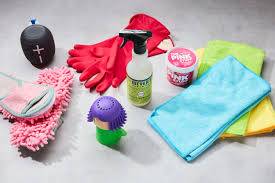
Keeping a home organized, hygienic, and comfortable depends greatly on two fundamental tasks — laundry and ironing. Both play a crucial role in maintaining personal hygiene, prolonging the life of clothing, and contributing to the overall cleanliness and comfort of the home environment.
While often seen as routine chores, laundry and ironing are integral parts of modern cleaning and household management. With thoughtful methods, suitable tools, and efficient habits, these tasks can become easier, more sustainable, and more effective.
This guide explores every essential aspect of laundry care and ironing — from fabric handling to eco-friendly cleaning practices — providing insights for homeowners, renters, and professionals aiming to maintain an organized living space.
1. Understanding Cleaning & Household Management
A clean home is more than an aesthetic choice — it reflects a healthy, organized, and sustainable lifestyle.
Cleaning and household management encompass daily, weekly, and seasonal tasks that maintain hygiene, prevent clutter, and create a comfortable living environment.
Core Areas of Household Cleaning Include:
-
Laundry: Washing, drying, folding, and storing clothes and linens.
-
Ironing: Removing wrinkles and maintaining garment structure.
-
Surface Cleaning: Dusting, vacuuming, and disinfecting.
-
Organizing: Managing spaces for functionality and comfort.
An effective cleaning routine helps prevent odor buildup, bacteria growth, and fabric wear while promoting efficiency and peace of mind.
2. Laundry: The Foundation of Fabric Care
Laundry is one of the most essential household tasks. It involves cleaning clothes, linens, towels, and other textiles to remove dirt, odors, and stains.
2.1 The Importance of Proper Laundry Care
Laundry does more than clean — it preserves fabric integrity, prevents discoloration, and maintains freshness. Regular washing removes allergens, sweat, and oils, ensuring hygiene and comfort.
3. Types of Laundry
Laundry can be categorized based on the type of fabric, purpose, or washing technique.
3.1 Everyday Laundry
Includes daily wear such as shirts, trousers, undergarments, and socks. These require mild detergents and regular washing.
3.2 Heavy Laundry
Refers to items like towels, bedsheets, curtains, and blankets that need deeper cleaning and higher water temperature.
3.3 Delicate Laundry
Fabrics like silk, lace, or wool demand special care — gentle cycles, cold water, and sometimes hand washing.
3.4 Dry Cleaning
Used for garments that cannot be washed with water, such as formal wear, blazers, and certain upholstery covers.
4. The Laundry Process: Step-by-Step
To achieve efficient and hygienic laundry results, a structured process is key.
4.1 Sorting Clothes
Separate clothes by:
-
Color: Whites, darks, and brights to avoid bleeding.
-
Fabric Type: Delicate vs. heavy materials.
-
Washing Requirement: Hand wash, machine wash, or dry clean.
4.2 Pre-Treatment
Apply stain removers or mild detergent to areas with visible stains before washing.
4.3 Washing
-
Choose the correct water temperature (hot for whites, cold for colors).
-
Select appropriate detergent type — powder, liquid, or pods.
-
Opt for eco-friendly detergents to reduce chemical waste.
4.4 Drying
Air drying is ideal for maintaining fabric integrity, while tumble drying suits convenience. Always check garment care labels.
4.5 Folding and Storage
Fold or hang clothes neatly after drying to prevent wrinkles and odor buildup.
5. Choosing the Right Detergent
Detergent selection greatly impacts laundry quality and fabric longevity.
5.1 Detergent Types
-
Powder Detergents: Effective for removing tough stains.
-
Liquid Detergents: Best for pre-treatment and quick dissolving.
-
Pods or Capsules: Convenient and pre-measured for consistent cleaning.
-
Eco-Friendly Detergents: Made with biodegradable ingredients and minimal chemicals.
5.2 Additives
-
Fabric Softeners: Reduce stiffness and static.
-
Bleach: Used sparingly for whitening fabrics.
-
Enzyme Cleaners: Break down protein-based stains.
Always use the right dosage to prevent residue and protect the washing machine.
6. Laundry Equipment and Tools
A well-equipped laundry area improves efficiency and organization.
6.1 Essential Tools:
-
Washing Machine: Front-load or top-load based on preference.
-
Dryer or Clothesline: For drying different fabric types.
-
Ironing Board: Provides stability during pressing.
-
Laundry Basket: For sorting and transporting clothes.
-
Lint Roller: Removes lint or pet hair.
6.2 Smart Laundry Appliances
Modern homes incorporate smart washing machines with programmable cycles, water sensors, and smartphone connectivity for efficiency.
7. Ironing: Restoring Sharpness and Structure
After washing, ironing restores fabric smoothness and eliminates wrinkles, making clothes look fresh, neat, and professional.
7.1 The Purpose of Ironing
Ironing does more than improve appearance — it sanitizes fabric by killing bacteria and dust mites with heat, promoting hygiene and comfort.
8. Types of Irons and Their Functions
8.1 Dry Irons
Simple design, suitable for cotton and linen fabrics.
8.2 Steam Irons
Use water vapor to relax fibers, ideal for removing deep creases.
8.3 Steam Generators
Provide high-pressure steam for professional-grade results, used for curtains or large loads.
8.4 Garment Steamers
Portable and gentle on delicate fabrics such as silk and chiffon.
9. Ironing Techniques and Safety
9.1 Preparation
-
Ensure clothes are slightly damp for easier ironing.
-
Sort fabrics by temperature requirement.
9.2 Technique
-
Move the iron smoothly in straight strokes.
-
Avoid circular movements that can stretch fabric.
-
Use pressing cloth for delicate materials to prevent shine or damage.
9.3 Safety Tips
-
Always unplug the iron after use.
-
Keep away from children and flammable materials.
-
Store in an upright position once cool.
10. Ironing Different Fabrics
Each fabric type demands specific heat and steam settings:
| Fabric Type | Temperature Setting | Steam | Notes |
|---|---|---|---|
| Cotton & Linen | High | Yes | Use damp cloth |
| Silk & Satin | Low | No | Iron inside out |
| Wool | Medium | Light | Use pressing cloth |
| Polyester | Low | Optional | Quick, gentle strokes |
| Denim | High | Yes | Iron inside out |
Proper handling preserves the quality and longevity of garments.
11. Modern Ironing Equipment
Innovations have simplified ironing for modern households.
-
Smart Irons: Auto shut-off, anti-drip technology, and digital temperature control.
-
Ironing Stations: Combine large water tanks with advanced steam systems.
-
Heat-Resistant Mats: Replace traditional boards for convenience.
-
Automatic Garment Steamers: Use sensors for wrinkle removal with minimal effort.
These tools improve energy efficiency and safety, aligning with sustainable living goals.
12. Laundry and Ironing Room Setup
Designing a functional laundry and ironing space enhances workflow and efficiency.
Essentials of a Good Setup:
-
Ventilation: Prevents moisture buildup.
-
Storage Solutions: Shelves for detergents, baskets, and folded clothes.
-
Counter Space: For sorting and folding.
-
Lighting: Adequate illumination for stain spotting and ironing precision.
An organized area reduces time spent on chores and encourages consistency.
13. Sustainable Laundry Practices
Eco-friendly laundry methods help save water, energy, and reduce pollution.
Tips for Sustainable Laundry:
-
Use Cold Water: Saves energy and protects colors.
-
Wash Full Loads: Maximizes efficiency.
-
Avoid Over-Drying: Prevents energy waste and fabric damage.
-
Air Dry Whenever Possible: Reduces carbon footprint.
-
Eco Detergents: Choose biodegradable or plant-based options.
14. Ironing Alternatives and Innovations
Not every fabric requires traditional ironing.
Alternatives Include:
-
Steamers: Quick wrinkle removal without direct heat.
-
Wrinkle-Release Sprays: Useful for light fabrics.
-
Dryer De-Wrinkle Cycles: Refresh clothes in minutes.
-
Folding Techniques: Prevent creases and maintain garment shape.
These alternatives save time while ensuring garments remain presentable.
15. Laundry Stain Removal and Fabric Care
Common Stains and Remedies:
-
Grease: Use dish soap and warm water.
-
Ink: Dab with alcohol or vinegar.
-
Wine: Apply salt immediately and rinse cold.
-
Sweat: Mix baking soda paste for treatment.
Proper pre-treatment prevents permanent damage and keeps garments looking new.
16. Health and Hygiene Benefits of Laundry and Ironing
Clean clothes directly influence hygiene, comfort, and confidence.
Ironing eliminates bacteria and dust mites, reducing skin irritation and allergies.
Frequent washing prevents odor-causing bacteria and keeps indoor air fresh.
17. Laundry Safety and Maintenance
Routine maintenance ensures both clothes and appliances last longer.
Safety Guidelines:
-
Clean lint filters regularly.
-
Inspect electrical cords on irons.
-
Avoid mixing bleach with ammonia-based cleaners.
-
Store detergents securely away from children.
Adhering to safety standards prevents accidents and improves household reliability.
18. Ironing and Professional Attire
For workwear and uniforms, ironing ensures a polished appearance. Pressed clothing communicates professionalism, discipline, and care for detail — important in office, hospitality, and healthcare environments.
19. Technology and Smart Cleaning Systems
Technological innovation has revolutionized cleaning and household management:
-
Smart Washers: Auto-detect load weight and detergent needs.
-
App-Controlled Irons: Allow remote temperature settings.
-
Self-Cleaning Appliances: Reduce maintenance efforts.
-
AI-Based Laundry Management: Suggest optimal cycles for fabrics.
Such advancements save time and resources, creating a smarter and more sustainable home ecosystem.
20. Creating a Balanced Laundry Routine
Consistency is key to maintaining clean and organized living spaces.
Weekly Routine Example:
-
Monday: Light clothing wash.
-
Wednesday: Towels and linens.
-
Friday: Delicates and uniforms.
-
Sunday: Ironing and wardrobe organization.
A simple, planned approach avoids laundry pile-ups and maintains household efficiency.
21. Environmental and Social Impact of Cleaning Practices
Responsible cleaning contributes to a sustainable world. Reducing detergent waste, recycling water, and supporting eco-friendly products minimize harm to the environment and encourage community well-being.
Conclusion: The Role of Laundry and Ironing in Modern Home Care
Laundry and ironing remain timeless components of cleaning and household care. Beyond clean clothes, these routines foster organization, hygiene, and confidence in everyday life.
From choosing the right detergent to using smart appliances, small decisions can significantly impact sustainability and comfort. Maintaining garments thoughtfully not only extends their lifespan but also supports a cleaner home and planet.
A well-managed household doesn’t rely on luxury — it thrives on consistency, care, and mindful living. By integrating efficient laundry and ironing practices, every home can stay fresh, comfortable, and ready for daily life.