The chlorophytum spider plant is one of the most widely grown houseplants in homes and offices across the UK and the USA. Known for its arching leaves and trailing offshoots, this plant has earned a reputation for being visually appealing, adaptable, and long-lasting. Often referred to as the airplane plant or spider fern, it fits easily into modern interiors as well as more traditional living spaces.
Botanically identified as Chlorophytum comosum, the spider plant belongs to the Asparagaceae family. Its popularity is not based on appearance alone. The plant’s tolerance of varied indoor conditions makes it a dependable choice for people with different levels of experience in plant care. Over time, it has become a staple spider plant houseplant, valued for both its decorative qualities and its ability to adapt to everyday environments.
This article explores spider plant care in a clear and practical way, focusing on growth habits, environmental needs, common issues such as spider plant brown tips, and the overall role of spider plant plants in indoor settings.
Origins and Botanical Background of the Spider Plant
The spider plant originates from southern Africa, where it grows naturally in warm, moderately humid conditions. Its scientific classification as Chlorophytum comosum reflects its perennial nature and evergreen foliage. Over time, the plant has been introduced to many regions worldwide and adapted well to indoor cultivation.
The common names “airplane plant” and “spider fern” come from the plant’s growth pattern. Mature plants produce long stems that carry small plantlets, often called spiderettes. These offshoots resemble tiny spiders suspended in midair, creating a distinctive cascading effect when grown in hanging baskets or elevated containers.
Despite being referred to as a fern, the spider plant is not a true fern. The term “spider fern” is a descriptive nickname rather than a botanical classification. Its leaves are strap-shaped, flexible, and typically green with white or cream stripes, depending on the variety.
Growth Habit and General Characteristics
Spider plant plants form clumps of narrow, arching leaves that can reach 30 to 45 centimetres in length. Their growth habit is compact at the base, with foliage spreading outward in a fountain-like shape. This structure allows the plant to work equally well on shelves, tabletops, or in hanging planters.
During the active growing season, usually spring through early autumn in the UK and USA, the plant produces slender flower stalks. Small, star-shaped white flowers may appear, followed by the development of spiderettes. These plantlets are a defining feature of the airplane plant and contribute to its reputation as an easy-to-share houseplant.
As an indoor plant, the spider plant maintains steady growth rather than rapid expansion. This controlled growth makes it suitable for smaller homes, flats, and office environments where space may be limited.
Light Preferences and Indoor Placement
Light plays a significant role in spider plant care. While the plant is adaptable, it performs best in bright, indirect light. Near a window with filtered sunlight is often ideal. In the UK, south- or east-facing windows provide suitable conditions, while in the USA, placement may vary depending on regional sunlight intensity.
Direct, harsh sunlight can scorch the leaves, leading to faded colour or dry edges. On the other hand, low light conditions may slow growth and reduce the development of spiderettes. Variegated varieties, in particular, benefit from brighter light to maintain their distinctive striping.
One of the reasons the spider plant houseplant remains popular is its tolerance of less-than-perfect light. It can survive in moderate shade, making it a practical option for offices, hallways, and rooms with limited natural light.
Watering Practices and Moisture Balance
Proper watering is central to chlorophytum spider plant care. The plant prefers evenly moist soil but does not tolerate waterlogged conditions. Allowing the top layer of soil to dry slightly between watering sessions helps prevent root-related issues.
In warmer months, spider plants typically require more frequent watering as growth increases. During winter, especially in cooler UK homes, watering should be reduced to match slower growth rates. Overwatering is a more common issue than underwatering and can lead to soft, discoloured leaves.
Water quality also affects plant health. Spider plant brown tips are often linked to fluoride or chlorine found in tap water. Using rainwater or letting tap water sit for several hours before use can reduce the risk of mineral buildup and improve overall leaf appearance.
Soil and Container Considerations
The spider plant grows best in well-draining potting soil that retains some moisture without becoming compacted. Standard indoor plant compost, often used across the UK and USA, is generally sufficient. Adding perlite or coarse sand improves drainage and reduces the risk of excess moisture around the roots.
Container choice matters as well. Pots with drainage holes allow excess water to escape, supporting healthier root systems. While spider plants tolerate being slightly root-bound, repotting every one to two years encourages fresh growth and provides room for expanding roots.
As a spider plant matures, its root system can become dense and fleshy. This characteristic helps the plant store water, contributing to its resilience during short dry periods.
Temperature and Humidity Requirements
Spider plants are well suited to typical indoor temperatures. They thrive in conditions between 18°C and 24°C, which aligns with most residential and office environments in the UK and USA. Temperatures below 10°C can slow growth and cause leaf damage, so the plant should be kept away from draughty windows or unheated rooms in winter.
Humidity levels influence leaf quality. While the spider plant tolerates average indoor humidity, very dry air may contribute to spider plant brown tips. This is more common during winter months when heating systems reduce moisture in the air.
Occasional misting or placing the plant near other houseplants can help maintain balanced humidity. However, excessive moisture on the leaves should be avoided to prevent fungal problems.
Nutrition and Feeding Patterns
Spider plant care includes moderate feeding during the growing season. A balanced, water-soluble fertiliser applied once a month from spring to late summer supports healthy foliage and the production of spiderettes. Overfeeding can lead to salt buildup in the soil, which may damage roots and leaf tips.
During autumn and winter, feeding is usually unnecessary, as growth naturally slows. In the UK, reduced daylight hours signal dormancy, while in the USA, indoor heating and artificial light may slightly extend the growing period.
Signs of nutrient imbalance include pale leaves, reduced growth, or fewer offshoots. Adjusting feeding schedules rather than increasing fertiliser strength is often the best approach.
Spider Plant Brown Tips and Common Issues

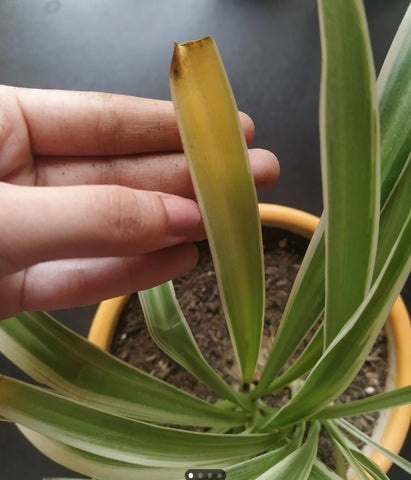
Spider plant brown tips are among the most frequently discussed concerns associated with this houseplant. While visually noticeable, they rarely indicate serious health problems. Common causes include inconsistent watering, low humidity, mineral buildup from tap water, and excessive fertiliser use.
Trimming brown tips with clean scissors improves appearance without harming the plant. Addressing the underlying cause, such as adjusting watering habits or switching water sources, prevents recurrence.
Other occasional issues include yellowing leaves, which may result from overwatering, and slow growth due to insufficient light. Pest problems are relatively rare, though spider mites and aphids can appear in dry indoor conditions, particularly in warmer regions of the USA.
Propagation Through Spiderettes
One of the defining features of the airplane plant is its ease of propagation. Spiderettes form naturally on mature plants and can be rooted to create new spider plant plants. This characteristic has contributed to the plant’s widespread presence in homes and shared indoor collections.
Spiderettes can be left attached to the parent plant until roots develop, then separated and potted individually. This process requires minimal equipment and aligns with the plant’s reputation for low-effort care.
Propagation also helps manage the size of mature plants, preventing overcrowding and maintaining a balanced appearance. In shared living or office spaces, propagated plants often become gifts, further extending the plant’s cultural presence.
Varieties and Visual Differences
Several cultivated varieties of Chlorophytum comosum are commonly grown as houseplants. Differences are primarily seen in leaf colour and striping patterns. Some varieties feature green leaves with white margins, while others display white centres bordered by green edges.
These variations influence light requirements slightly, with highly variegated plants benefiting from brighter conditions. In interior design, different varieties are often chosen to complement colour schemes and furniture styles.
Despite visual differences, overall spider plant care remains consistent across varieties, making them interchangeable in terms of maintenance.
Role of the Spider Plant in Indoor Environments
The spider plant houseplant plays a practical role beyond decoration. Its dense foliage softens indoor spaces, adds natural texture, and creates a sense of calm. In open-plan homes and offices, spider plants are often used to visually divide areas without blocking light.
In the USA and UK, spider plants are frequently included in workplace environments due to their tolerance of artificial lighting and fluctuating temperatures. Their long lifespan and minimal care needs align with modern preferences for sustainable, low-maintenance greenery.
Hanging displays highlight the plant’s cascading growth, while tabletop arrangements showcase its symmetrical leaf structure. This versatility supports its continued relevance in changing interior trends.
Longevity and Long-Term Maintenance
With consistent care, spider plants can live for many years. Mature specimens often develop a woody base and extensive root system, reflecting their perennial nature. Periodic repotting and division support long-term health and prevent decline.
Seasonal adjustments in watering and light exposure ensure the plant remains resilient throughout the year. In both the UK and USA, indoor climate control influences growth patterns, making observation an important part of spider plant care.
Unlike more demanding houseplants, the spider plant responds well to minor care adjustments, reinforcing its reputation as a dependable indoor companion.
Conclusion
The chlorophytum spider plant continues to be one of the most reliable and adaptable indoor plants available to growers in the UK and the USA. As a spider plant houseplant, it offers a balance of visual appeal, manageable growth, and straightforward care requirements. Its ability to thrive under varied conditions makes it suitable for homes, offices, and shared spaces.
From its origins as Chlorophytum comosum to its widespread use as an airplane plant and spider fern, this species has earned its place in modern indoor horticulture. Understanding spider plant care, including light preferences, watering practices, and the causes of spider plant brown tips, supports healthier growth and longer plant life.
Whether displayed as a single specimen or multiplied through propagation, spider plant plants remain a practical and enduring choice. Their continued popularity reflects a broader appreciation for plants that combine resilience, adaptability, and understated beauty in everyday living environments