Choosing the right toilet height is an important decision when remodeling a bathroom or replacing an old fixture. Many homeowners in the United States compare commode standard height models with chair height toilets to determine which option provides better comfort, accessibility, and long-term usability.
Table of Contents
ToggleToilet height affects posture, ease of sitting and standing, and compliance with accessibility standards. Whether you are upgrading a master bathroom, remodeling a guest bath, or designing a new home, understanding the difference between chair height vs standard height toilet models helps you make an informed decision.
This detailed overview explains standard toilet height, chair height toilet dimensions, tall toilet options, WC seat height measurements, and key factors to consider for American households.
What Is Standard Toilet Height?


A standard toilet height—also called regular height or commode standard height—typically measures:
-
14 to 15 inches from floor to bowl rim
-
About 15 to 16 inches from floor to top of the seat (with seat installed)
This measurement has been common in American homes for decades. Many older houses built before the 1990s feature standard-height toilets.
Manufacturers such as Kohler Co., American Standard Brands, and TOTO Ltd. offer both standard and chair-height models.
Standard toilets are often preferred in households with young children because the lower height allows easier use without assistance.
What Is a Chair Height Toilet?
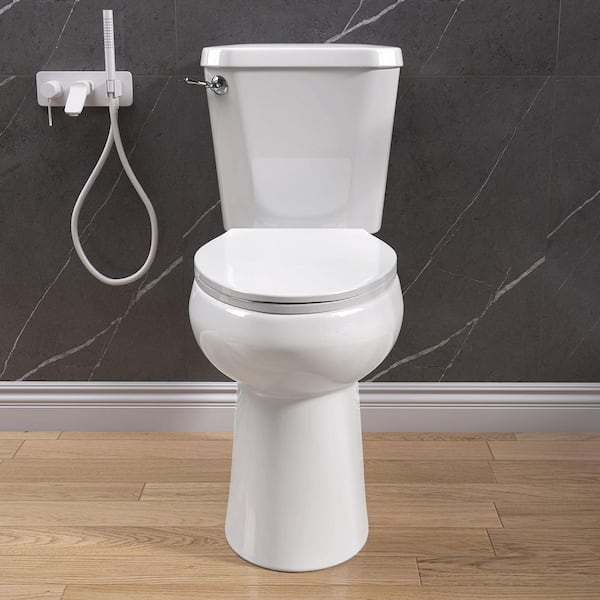
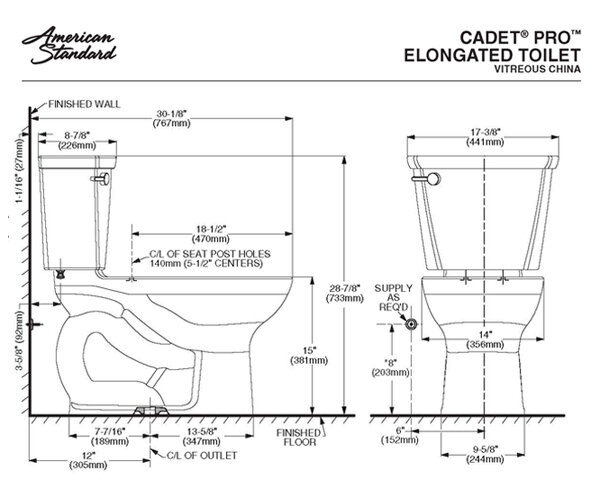
A chair height toilet—sometimes called comfort height or tall toilet—usually measures:
-
17 to 19 inches from floor to bowl rim
-
About 17 to 19 inches from floor to top of the seat
This height is similar to the seat height of a standard dining chair, which is where the term “chair height” originates.
Chair height toilets are often labeled as “ADA-compliant” if they meet accessibility requirements set by the Americans with Disabilities Act. ADA guidelines generally require toilet seats to be between 17 and 19 inches from the finished floor.
Chair Height Toilet vs Standard: Key Differences
Understanding chair height toilet vs standard height differences helps clarify which model fits your needs.
1. Sitting and Standing Comfort
-
Standard height toilet: Requires deeper bending of knees and hips.
-
Chair height toilet: Easier to sit down and stand up, especially for adults, seniors, or people with joint issues.
2. Accessibility
-
Standard height may not meet ADA recommendations.
-
Chair height models often comply with accessibility standards.
3. Child-Friendliness
-
Standard toilets are easier for small children.
-
Tall toilets may require a step stool for younger users.
4. Bathroom Design
Both heights are available in modern and traditional designs. Height does not significantly impact style options.
Toilet Standard Height vs Chair Height: Measurement Breakdown
Here is a simplified comparison:
| Feature | Standard Toilet Height | Chair Height Toilet |
|---|---|---|
| Bowl Height | 14–15 inches | 17–19 inches |
| Seat Height | 15–16 inches | 17–19 inches |
| ADA Compliance | Usually No | Often Yes |
| Best For | Families with children | Adults & seniors |
When comparing toilet standard vs chair height, the difference may seem small—only 2 to 4 inches—but that difference can significantly affect comfort.
Why Chair Height Toilets Are Growing in Popularity
Over the last decade, chair height toilets have become more common in new residential construction across the United States.
Several factors contribute to this trend:
-
Aging population
-
Increased focus on accessibility
-
Universal design principles
-
Greater consumer awareness
In states like Florida and Arizona, where many retirees relocate, comfort-height toilets are frequently chosen for ease of use.
WC Seat Height and Ergonomics
WC seat height affects body alignment. A higher seat:
-
Reduces knee strain
-
Minimizes hip flexion
-
Supports individuals with arthritis or mobility challenges
However, for shorter individuals, a tall toilet may cause feet to dangle slightly, which can affect posture and comfort.
Foot support is important for proper ergonomics. Some people use a small footrest to improve positioning.
Tall Toilet: Who Benefits Most?
A tall toilet can benefit:
-
Seniors
-
People recovering from surgery
-
Individuals with knee or hip pain
-
Taller adults
For individuals over 6 feet tall, chair height toilets often feel more natural.
However, for households with young children, installing at least one standard-height toilet may be more practical.
Plumbing and Installation Considerations
Switching from standard toilet height to chair height does not usually require plumbing modifications.
Both options typically use:
-
Standard 12-inch rough-in measurement
-
Similar tank and bowl configurations
-
Comparable water supply connections
The primary difference lies in bowl height.
When replacing a toilet, always measure the rough-in distance (from wall to center of drain bolts) to ensure compatibility.
Water Efficiency and Modern Toilet Design
Height does not affect water efficiency. Both standard and chair height toilets can meet federal water conservation requirements set by the Environmental Protection Agency under the WaterSense program.
Modern toilets typically use:
-
1.28 gallons per flush (GPF)
-
1.6 gallons per flush (older standard)
High-efficiency toilets (HETs) are available in both height options.
Chair Height vs Standard Height Toilet for Aging in Place
“Aging in place” refers to designing homes to accommodate residents as they grow older.
Installing a chair height toilet supports:
-
Long-term mobility
-
Reduced need for future modifications
-
Greater independence
Universal design concepts encourage features that work for all ages and abilities.
Bathroom Layout and Space Considerations
Toilet height does not usually change the required floor space. However, when installing an ADA-compliant chair height toilet, additional clearance around the toilet may be required in certain settings.
Standard residential bathrooms typically accommodate either option without layout changes.
Children and Standard Toilet Height
For families with small children, standard toilet height offers practical advantages:
-
Easier access
-
Fewer step stools needed
-
More stability for independent use
Some families compromise by installing a chair height toilet in the primary bathroom and a standard model in children’s bathrooms.
Health and Posture Considerations
There is ongoing discussion about optimal toilet posture. Some research suggests that a lower sitting position may promote more natural bowel movements.
However, comfort and mobility needs often outweigh minor posture differences. Personal preference plays a significant role.
Cost Differences Between Standard and Chair Height Toilets
Pricing is generally similar.
Average costs in the U.S.:
-
Basic standard toilet: $120–$300
-
Chair height toilet: $150–$400
-
Professional installation: $150–$350
Luxury models or smart toilets cost significantly more regardless of height.
Comparing Major Manufacturers
Several well-known brands offer both height options:
-
Kohler Co. – Offers comfort height models labeled as “Comfort Height.”
-
American Standard Brands – Provides both standard and right-height toilets.
-
TOTO Ltd. – Known for universal height designs and advanced features.
When reviewing specifications, manufacturers clearly list bowl height measurements.
Resale Value and Buyer Preferences
In many U.S. housing markets, chair height toilets are viewed as a modern upgrade.
Real estate professionals often note that comfort-height fixtures:
-
Appeal to older buyers
-
Suggest updated bathroom design
-
Improve accessibility perception
However, this feature alone does not significantly increase property value.
Accessibility and Building Codes
Public buildings and commercial properties must follow ADA standards. Residential homes are not legally required to install ADA-compliant toilets unless specified by local regulations.
Homeowners planning long-term occupancy often choose chair height toilets to align with accessibility guidelines.
Toilet Standard vs Chair Height: Making the Right Choice
Choosing between toilet standard height vs chair height depends on:
-
Household demographics
-
Personal comfort preference
-
Long-term mobility considerations
-
Child accessibility needs
-
Bathroom remodeling goals
There is no universal “best” option. The right height depends on who uses the bathroom most frequently.
Frequently Asked Questions
Is a chair height toilet too tall?
For most adults, no. However, children and shorter individuals may find it less comfortable.
Can I replace a standard toilet with a tall toilet easily?
Yes. As long as rough-in measurements match, installation is straightforward.
Are chair height toilets more expensive?
They may cost slightly more but are generally comparable in price.
What is the most common toilet height today?
Chair height toilets are increasingly common in new construction across the United States.
Final Thoughts on Commode Standard Height vs Chair Height Toilets
The difference between commode standard height and chair height toilets may seem minor, but it significantly affects comfort and accessibility.
Standard toilet height remains practical for families with children. Chair height toilets provide easier sitting and standing for adults, seniors, and individuals with mobility challenges.
When comparing chair height toilet vs standard height models, consider who will use the bathroom daily and whether long-term accessibility is a priority.
Bathroom fixtures are long-term investments. Selecting the appropriate WC seat height ensures comfort, usability, and satisfaction for years to come.