
Throws
Home Décor

Throws: Comfort, Style, and Warmth for Every Home

In home décor, few accessories strike the perfect balance between comfort and style like a throw. Soft, lightweight, and versatile, throws add a touch of warmth and elegance to any living space. Whether draped over a sofa, folded neatly at

Read More »
Cushions: Adding Comfort and Style to Your Home Décor
Home Décor

Cushions: Adding Comfort and Style to Your Home Décor

Cushions are one of the simplest yet most effective ways to enhance the beauty and comfort of any living space. They bring together both function and fashion, offering softness, support, and aesthetic charm. Whether used on a sofa, bed, armchair,

Read More »
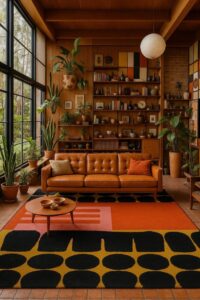
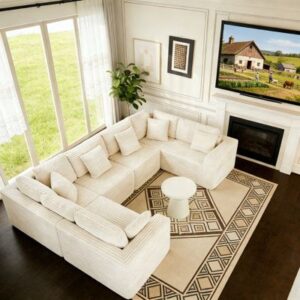
Home décor is more than just styling a room—it’s about creating an environment that reflects personal taste, comfort, and harmony. Every home tells a story through its interiors, colors, textures, and design elements. Among the many components that contribute to a well-decorated space, rugs play an essential role. A rug is not merely a floor covering; it’s a design statement that enhances the ambiance, adds warmth, and connects various elements of interior design. In this comprehensive guide, we will explore the significance of rugs in home décor, their history, types, materials, colors, patterns, and modern trends. Whether you’re designing a cozy living room, an elegant dining area, or a calm bedroom retreat, the right rug can transform your space from ordinary to extraordinary. The Role of Rugs in Home Décor A rug is often considered the foundation of a room’s design. It sets the tone for the space, defines zones in open-plan layouts, and brings comfort underfoot. The importance of rugs in interior design lies in both their aesthetic and practical value. 1. Defining Spaces In modern homes where open-plan living is common, rugs help create visual boundaries. A large rug can define a living area, dining zone, or workspace within the same open space, providing structure without walls. 2. Adding Warmth and Comfort Rugs contribute to a cozy atmosphere. Soft textures add warmth to hard flooring like tiles or wood, making a space more inviting. In colder regions, rugs also help insulate the room, retaining heat and providing comfort. 3. Enhancing Aesthetic Appeal Rugs come in various colors, patterns, and designs, allowing homeowners to express creativity. A bold rug can become a focal point, while a neutral-toned rug can tie together existing furniture and décor elements. 4. Improving Acoustics Hard floors often cause echoes or noise reverberation. Rugs absorb sound, improving the acoustics of living rooms, bedrooms, and offices. 5. Protecting Floors Besides their aesthetic purpose, rugs protect floors from scratches, stains, and wear—especially in high-traffic areas like hallways or entrances. A Brief History of Rugs and Their Cultural Significance The use of rugs dates back thousands of years, originating from nomadic tribes who used woven mats for warmth and comfort. Over time, rug-making evolved into a cultural art form across continents. Persian Rugs: Originating from Iran, Persian rugs are known for intricate floral patterns and fine craftsmanship. Turkish Rugs: Renowned for geometric motifs and bright colors, Turkish rugs often feature symbolic designs. Oriental Rugs: Produced across regions like China, India, and Afghanistan, these rugs display regional artistry and traditional techniques. European Carpets: In the 17th and 18th centuries, European countries like France and England developed their own weaving traditions influenced by Eastern designs. Rug weaving became not just a domestic craft but also a cultural heritage passed down through generations, blending artistry with functionality. Types of Rugs for Every Home Rugs come in numerous styles, sizes, and materials, each suited for different rooms and purposes. Understanding their categories helps in selecting the perfect one for your home décor. 1. Area Rugs These large rugs cover significant portions of the floor, ideal for living rooms, bedrooms, and dining areas. They anchor furniture and unify color schemes. 2. Runner Rugs Long and narrow, runner rugs are perfect for hallways, corridors, and staircases. They guide movement while adding elegance and protection to high-traffic paths. 3. Accent Rugs Smaller in size, accent rugs highlight specific areas such as beside the bed, under coffee tables, or near entryways. They add a touch of color and texture. 4. Outdoor Rugs Made from durable, weather-resistant materials, outdoor rugs enhance patios, balconies, and garden spaces. They resist moisture and fading from sunlight. 5. Shag Rugs Known for their thick, plush pile, shag rugs offer a luxurious feel. They’re best suited for bedrooms or cozy lounges. 6. Flatweave Rugs Flatweave rugs like Kilims or Dhurries are lightweight and reversible. Their woven construction makes them easy to clean and ideal for casual spaces. 7. Traditional Rugs These rugs feature classic motifs inspired by Persian, Oriental, or Indian art. Their timeless patterns complement both vintage and modern décor. 8. Modern and Contemporary Rugs Modern rugs focus on abstract patterns, bold shapes, and minimal designs, fitting perfectly in contemporary interiors. Materials Used in Rug Making The material of a rug influences its texture, durability, and maintenance needs. Here are some commonly used materials: 1. Wool Wool is a natural fiber known for its softness, durability, and warmth. It’s stain-resistant and retains color well, making it ideal for living and dining rooms. 2. Cotton Cotton rugs are lightweight, breathable, and easy to clean. They’re perfect for casual settings or children’s rooms. 3. Silk Silk rugs are luxurious with a smooth, lustrous texture. They’re best suited for low-traffic areas like bedrooms or decorative corners. 4. Jute and Sisal These natural fibers create rustic, eco-friendly rugs. Their earthy tones and coarse texture make them ideal for bohemian or coastal décor. 5. Synthetic Fibers Materials like nylon, polyester, and polypropylene are durable, stain-resistant, and affordable. They mimic natural fibers while offering easy maintenance. 6. Blended Rugs Blended rugs combine materials like wool and silk or cotton and jute, achieving a balance between comfort, style, and cost. Choosing the Right Rug for Your Home Selecting the perfect rug depends on various factors—room type, décor theme, color palette, and functionality. 1. Room Function Each room requires a specific type of rug: Living Room: Choose a large area rug that fits under furniture, anchoring the seating arrangement. Bedroom: Soft, warm rugs enhance comfort near the bed. Dining Room: Opt for a rug that extends beyond the table edges for easy chair movement. Hallway: Durable runner rugs handle foot traffic efficiently. 2. Size and Proportion A rug should be proportionate to the room. A small rug in a large space may look out of place, while an oversized rug can overwhelm the décor. 3. Color and Pattern Colors influence mood. Warm tones (red, orange) add energy, while cool shades (blue, green) create calmness. Patterns can make small spaces appear larger or help conceal stains in high-use areas. 4. Texture and Layering Combining different textures—like layering a soft wool rug over a flat jute base—adds depth and dimension to interiors. 5. Maintenance Choose rugs that match your lifestyle. For homes with pets or children, opt for easy-to-clean, stain-resistant materials. Rugs and Interior Design Styles Rugs can complement any interior design theme when chosen thoughtfully. 1. Modern Style Modern interiors favor neutral tones and geometric patterns. Minimalist rugs in solid colors or subtle gradients work best. 2. Bohemian Style Boho décor embraces color, pattern, and texture. Layering multiple rugs with diverse prints creates a cozy, eclectic look. 3. Traditional Style Classic Oriental or Persian rugs with intricate motifs enhance traditional spaces rich in wooden furniture and warm tones. 4. Scandinavian Style Scandinavian interiors prefer simplicity and natural materials. Wool or jute rugs in muted shades of white, beige, or gray add understated charm. 5. Industrial Style Rugs in earthy or monochrome colors soften the raw edges of concrete or metal finishes typical of industrial design. 6. Coastal Style Light-colored, breezy rugs made of natural fibers like jute or cotton blend seamlessly into beach-inspired homes. The Psychology of Color in Rugs Colors significantly impact emotions and energy levels within a room. Blue: Calming and serene, suitable for bedrooms. Red: Energizing and bold, ideal for living spaces. Green: Refreshing and balanced, good for dining rooms. Beige and Gray: Neutral tones that complement diverse décor styles. Yellow: Inviting and cheerful, perfect for kitchens or play areas. Black and White: Adds contrast and sophistication to modern interiors. Choosing rug colors based on emotional appeal can create harmony and enhance overall well-being. Sustainable and Eco-Friendly Rug Options With rising environmental awareness, many homeowners are turning toward sustainable home décor choices. 1. Natural Fibers Rugs made from jute, wool, bamboo, or cotton are biodegradable and renewable. 2. Ethical Production Handwoven rugs crafted by artisans using traditional techniques support local communities and sustainable craftsmanship. 3. Non-Toxic Dyes Eco-friendly rugs use vegetable-based dyes, reducing chemical exposure in indoor environments. 4. Recycled Materials Some modern rugs are made from recycled plastic bottles or upcycled textiles, combining sustainability with creativity. Maintenance and Care Tips for Rugs Proper rug maintenance extends its lifespan and keeps it looking vibrant. Vacuum Regularly: Removes dust and dirt particles that accumulate in the fibers. Rotate Periodically: Prevents uneven fading and wear. Avoid Direct Sunlight: Continuous exposure can cause color fading. Spot Clean Immediately: Address spills with mild detergent or white vinegar. Use Rug Pads: Prevents slipping and adds cushioning. Professional Cleaning: Deep cleaning once a year preserves texture and hygiene. The Influence of Rugs in Modern Home Décor Trends 1. Layering Rugs Designers increasingly use layered rugs to add dimension. Combining patterns and textures creates visual interest and depth. 2. Statement Rugs Large, bold-patterned rugs act as art pieces for the floor, setting the tone for the entire room. 3. Vintage Revival Antique and distressed rugs add character and authenticity, blending history with modern aesthetics. 4. Customized Rugs Homeowners are now seeking bespoke rugs tailored to their space, color preferences, and materials. 5. Smart Rugs Technological innovation has led to smart rugs with stain resistance, heating features, and even built-in sensors. The Global Rug Industry: Craftsmanship and Innovation The global rug industry continues to thrive through a mix of traditional craftsmanship and modern technology. Countries like India, Iran, Turkey, and Nepal remain leading producers of handwoven rugs. At the same time, modern factories are incorporating eco-friendly manufacturing processes, machine weaving, and sustainable materials. Digital design tools allow custom patterns and color combinations, while artisans preserve traditional weaving methods passed down through generations. This blend of heritage and innovation ensures that rugs remain timeless décor elements. How Rugs Influence Room Atmosphere and Lifestyle Rugs have the power to change the entire mood of a room. A plush, soft rug can make a minimalist room feel warm and welcoming, while a patterned rug can add character to plain interiors. Rugs also encourage barefoot living, promoting comfort and relaxation—qualities essential in modern lifestyles focused on well-being. Conclusion Home décor is an evolving expression of comfort, creativity, and culture. Within this art, rugs hold a unique position. They not only enhance the visual appeal of a space but also improve comfort, acoustics, and warmth. Whether it’s a handwoven Persian rug rich in history or a minimalist Scandinavian design, the right rug brings harmony to your home. As we move toward sustainable and personalized living, rugs continue to bridge tradition and modernity—making every home a more beautiful, functional, and meaningful space.
Home Décor

The Art of Home Décor: Transforming Spaces with Rugs

Home décor is more than just styling a room—it’s about creating an environment that reflects personal taste, comfort, and harmony. Every home tells a story through its interiors, colors, textures, and design elements. Among the many components that contribute to

Read More »
Scroll to Top