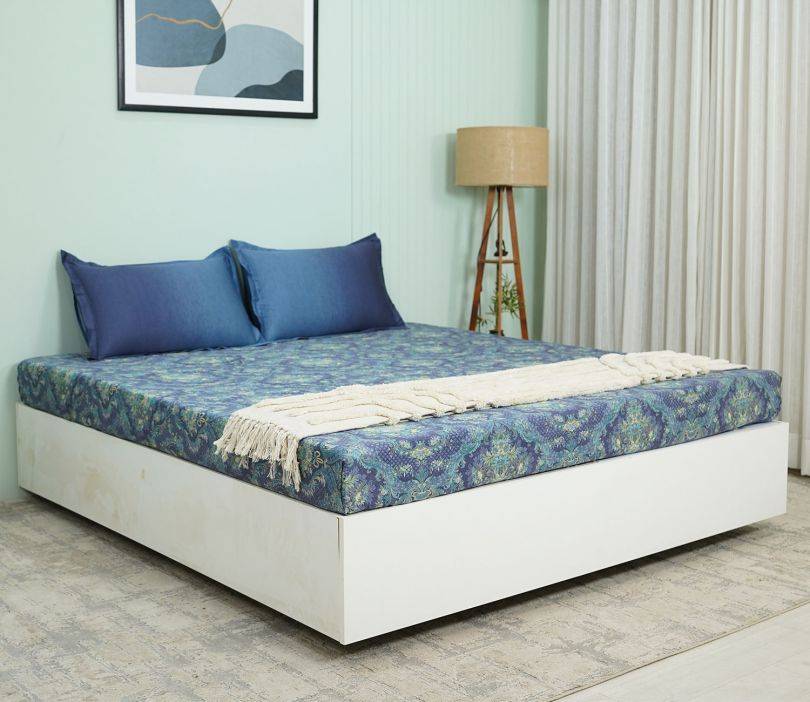
Quality sleep is one of the most important aspects of a healthy lifestyle. While many people focus on mattresses when improving their sleep environment, bedding and especially pillows play an equally essential role. The right pillow supports the neck, aligns the spine, reduces tension, and enhances overall comfort. Bedding materials, fabrics, and designs also influence sleep quality by regulating temperature, preventing allergies, and creating a cozy sleeping environment.
This comprehensive guide explores everything related to bedding and pillows—from types and materials to sleeping positions, care techniques, and modern trends. Written in simple language and a professional tone, it helps readers make informed decisions about selecting the best pillows and bedding for health, comfort, and long-term use.
1. Why Bedding and Pillows Are Essential for Healthy Sleep
Sleep experts emphasize that bedding and pillows impact multiple aspects of sleep quality, posture, and physical well-being.
How Bedding and Pillows Influence Sleep
-
Support and alignment: Proper pillow support helps maintain natural spinal alignment.
-
Comfort: The right bedding makes the sleeping environment soft, warm, and inviting.
-
Temperature control: Breathable materials reduce overheating.
-
Hygiene: Good bedding protects against dust, allergens, and moisture.
-
Muscle relaxation: Soft pillows and quality covers help ease tension in the neck and shoulders.
The perfect sleeping environment is a combination of mattress, bedding layers, and pillows that complement each other.
2. Types of Pillows Commonly Used in Bedrooms
Pillows come in various shapes, fillings, and designs, each offering specific benefits.
1. Memory Foam Pillows
Made from viscoelastic foam, memory foam pillows adapt to the shape of your head and neck.
Benefits:
-
Excellent neck support
-
Reduces pressure points
-
Maintains shape
2. Latex Pillows
Latex pillows are durable, breathable, and naturally hypoallergenic.
Benefits:
-
Keeps sleepers cool
-
Resistant to dust mites
-
Long-lasting
3. Down Pillows
Made from the soft feathers of ducks and geese, down pillows feel luxurious and plush.
Benefits:
-
Soft, cloud-like feel
-
Highly moldable
-
Lightweight
4. Feather Pillows
Filled with bird feathers, these pillows are softer than synthetic ones but firmer than down.
5. Microfiber Pillows
Filled with fine synthetic fibers, microfiber pillows are inexpensive and easy to maintain.
6. Orthopedic Pillows
Designed for medical support, these pillows help people with neck, back, or shoulder issues.
7. Body Pillows
Long pillows used for whole-body support, often helpful during pregnancy or for side sleepers.
Each type caters to different comfort needs and sleeping preferences.
3. Matching Pillows to Sleeping Positions
Not everyone sleeps the same way, which makes pillow selection highly individual.
Side Sleepers
-
Need a firm, supportive pillow
-
Ideal height: medium to high loft
-
Memory foam or thick latex works best
Back Sleepers
-
Need medium support
-
Medium-loft pillows maintain alignment
-
Cervical pillows help reduce neck strain
Stomach Sleepers
-
Need soft, low-loft pillows
-
Thin microfiber or soft down is ideal
Combination Sleepers
-
Need adaptable pillows that reshape easily
Selecting a pillow based on sleeping position prevents discomfort and enhances long-term spinal health.
4. Bedding Essentials That Complement Pillows
A comfortable bed is more than just a mattress. Bedding layers contribute to warmth, breathability, and sleep quality.
1. Bed Sheets
Available in cotton, bamboo, linen, microfiber, and blends.
2. Pillowcases
Protect the pillow and improve hygiene. Materials influence feel and temperature.
3. Blankets and Quilts
Used for warmth and comfort. Options include cotton quilts, wool blankets, microfiber comforters, and fleece blankets.
4. Duvets and Duvet Covers
Duvets offer lightweight warmth and can be paired with washable covers.
5. Mattress Protectors
Protect against moisture, allergens, and stains.
6. Throws and Decorative Bedding
Adds style and additional warmth when needed.
Each bedding element works together to create a cozy and healthy sleep setup.
5. Materials Used in Pillows and Bedding
Choosing the right materials ensures comfort, durability, and hygiene.
Pillow Fill Materials
-
Memory foam: Supportive and pressure-relieving
-
Latex: Breathable and resilient
-
Down: Soft and luxurious
-
Feather: Firm yet pliable
-
Polyester fiberfill: Affordable and lightweight
-
Buckwheat hulls: Natural, breathable, supportive
Bedding Fabric Options
-
Cotton: Soft, breathable, suitable for all climates
-
Linen: Cool, airy, excellent for hot sleepers
-
Bamboo: Hypoallergenic and eco-friendly
-
Microfiber: Lightweight, affordable
-
Silk: Smooth and luxurious, gentle on skin
Material choice affects body temperature, comfort, and overall sleep experience.
6. The Importance of Pillow Loft and Firmness
Pillow loft refers to height or thickness.
Low Loft (2–3 inches)
Suitable for stomach sleepers or those needing minimal support.
Medium Loft (3–5 inches)
Ideal for back sleepers and combination sleepers.
High Loft (5–7 inches)
Best for side sleepers needing additional neck support.
Pillow firmness also affects comfort:
-
Soft pillows adapt easily
-
Medium pillows balance support and softness
-
Firm pillows provide maximum stability
Understanding loft and firmness helps match each pillow to your body and sleeping position.
7. Bedding for Seasonal Comfort
Different seasons require different bedding layers and pillow types.
Summer Bedding
-
Lightweight cotton sheets
-
Breathable bamboo pillowcases
-
Cooling gel pillows or latex pillows
Winter Bedding
-
Flannel sheets
-
Thick quilts or comforters
-
Memory foam pillows for warmth
Transitional Bedding
-
Layered blankets
-
Medium-weight duvets
Seasonally-appropriate bedding helps regulate body temperature for uninterrupted sleep.
8. Hypoallergenic Bedding and Pillows
Many people suffer from allergies related to dust mites, pet dander, or mold.
Best Hypoallergenic Options
-
Bamboo pillows
-
Latex pillows
-
Microfiber duvets
-
Allergen-proof pillow covers
-
Washable polyester pillows
Hypoallergenic bedding reduces irritation and improves respiratory comfort.
9. How Bedding Design Influences Bedroom Aesthetics
Bedding contributes to interior décor as much as it contributes to comfort.
Color Choices
Soft neutrals create calmness, while bold colors add personality.
Texture and Patterns
Quilted textures, embroidered designs, and geometric patterns enhance visual interest.
Layering
Layering pillows, throws, and blankets adds depth and comfort.
Bedding acts as a major design component in bedroom décor.
10. The Lifespan of Different Pillows and Bedding Items
Pillows and bedding wear out over time due to sweat, oils, and daily use.
Average Lifespan
-
Memory foam pillows: 2–3 years
-
Latex pillows: 3–5 years
-
Down pillows: 2–3 years
-
Polyester pillows: 1–2 years
-
Bed sheets: 1–3 years
-
Comforters: 5–10 years
Replacing bedding regularly ensures a hygienic and comfortable sleep environment.
11. Cleaning and Caring for Pillows
Proper maintenance extends pillow life.
Care Tips
-
Wash pillowcases weekly
-
Air out pillows in sunlight
-
Wash synthetic pillows every 2–3 months
-
Spot-clean memory foam and latex
-
Use protective covers to minimize wear
Taking care of pillows prevents dust buildup and improves sleep quality.
12. Using Pillows for Medical and Orthopedic Support
Pillows can also help improve posture and reduce pain.
Types of Support Pillows
-
Cervical pillows for neck pain
-
Wedge pillows for acid reflux
-
Knee pillows for side sleepers
-
Lumbar pillows for lower back support
Choosing the right shape and height depends on individual health needs.
13. Bedding and Pillow Trends in Modern Homes
Trends continually evolve based on lifestyle changes and design preferences.
Current Trends
-
Lightweight, breathable bedding
-
Eco-friendly materials like bamboo
-
Minimalist pillow arrangements
-
Warm neutral color palettes
-
Hybrid pillows combining multiple materials
Modern bedding trends focus on comfort, sustainability, and simplicity.
14. Layering Pillows for Comfort and Style
Pillow arrangements can be functional or decorative.
Functional Layering
-
One supportive pillow
-
One soft pillow
-
A body pillow or lumbar pillow
Decorative Layering
-
Euro pillows
-
Standard pillows
-
Throw pillows
Layering adds comfort and visual interest to the bed.
15. Understanding Pillow Shapes and Their Specific Uses
Pillows come in various shapes, each serving a specific purpose. Choosing the appropriate shape improves comfort, sleep posture, and wellness.
Standard Pillows
The most common type, suitable for most sleepers.
Best for: everyday use, simple bedding arrangements, decorative layering.
Contour Pillows
Shaped with a curve to support the neck.
Ideal for: chronic neck pain, side sleepers, back sleepers.
Cervical Pillows
Designed to maintain the natural curve of the cervical spine.
Used for: neck strain, stiffness, headaches, posture correction.
Wedge Pillows
Triangular-shaped pillows used for elevated sleeping positions.
Common benefits: reducing acid reflux, easing snoring, supporting the back while reading.
Bolster Pillows
Long cylindrical pillows.
Purpose: decorative enhancement, back support, arm support, yoga or relaxation exercises.
Euro Pillows
Large square pillows often placed behind standard pillows.
Role: support while sitting, adding height and volume to bedding décor.
Understanding pillow shapes helps users choose options that improve comfort and functionality based on individual needs.
16. Exploring Pillow Covers and Their Role in Hygiene and Comfort
Pillow covers act as a protective barrier and important bedding component. They directly influence comfort, temperature, and cleanliness.
Cotton Pillow Covers
Breathable, soft, and suitable for all seasons.
Benefits: hypoallergenic, moisture-absorbent, easy to wash.
Satin and Silk Covers
Smooth and gentle on skin and hair.
Benefits: reduce hair breakage, minimize wrinkles, ideal for sensitive skin.
Bamboo Pillow Covers
Eco-friendly and naturally antibacterial.
Benefits: temperature-regulating, moisture-wicking, ideal for hot sleepers.
Microfiber Covers
Lightweight and budget-friendly.
Benefits: wrinkle-resistant, dries quickly.
Quilted Covers
Provide an additional layer of softness.
Benefits: extra comfort, thicker insulation, enhanced durability.
Choosing the right pillow cover enhances sleep hygiene and extends the pillow’s lifespan.
17. Bedding Layers and Their impact on Sleep Quality
Bedding includes several layers, each contributing to comfort, temperature control, and aesthetics.
Fitted Sheet
Stretches over the mattress to create a smooth sleeping surface.
Keeps the bed clean and comfortable.
Flat Sheet
Placed between the sleeper and the blanket.
Purpose: adds warmth, protects top layers, enhances hygiene.
Blankets
Available in wool, cotton, fleece, and synthetic blends.
Benefit: provide warmth and breathability depending on material.
Comforters
Thick, quilted bedding filled with fiber or down.
Used for: winter warmth, year-round softness.
Duvets
Soft coverings filled with feathers or synthetic materials.
Partnered with: duvet covers for easy washing.
Throws
Light blankets used for layering.
Enhance room décor and give a cozy feel.
Each layer works together to create a restful and supportive sleeping environment.
18. Temperature Regulation and the Role of Bedding Materials
Temperature regulation is essential for restful sleep. Bedding materials can either trap heat or promote airflow.
Cooling Materials
-
Linen
-
Bamboo
-
Cotton percale
-
Latex pillows
-
Gel-enhanced memory foam pillows
Benefits: prevent overheating, promote sweat evaporation, maintain airflow.
Warm Materials
-
Fleece
-
Flannel
-
Down pillows
-
Cotton sateen sheets
These materials trap warmth and insulate the sleeper during colder months.
Understanding how bedding affects body temperature helps individuals create a seasonally adjustable sleep setup.
19. The Relationship Between Bedding and Skin Health
The quality of bedding affects skin condition, especially for those with sensitive skin.
Potential Skin Benefits of Proper Bedding
-
Reduced irritation
-
Fewer breakouts
-
Less friction on facial skin
-
Cooler sleeping conditions prevent sweating
Best Bedding for Skin Health
-
Silk pillowcases: reduce friction and wrinkles
-
Bamboo bedding: naturally antibacterial
-
Cotton sheets: breathable and hypoallergenic
Clean, breathable bedding supports skin wellness and overall comfort.
20. The Importance of Pillow Support for Neck and Spine Alignment
Spinal alignment plays a crucial role in preventing pain and ensuring restful sleep.
How Pillows Support the Spine
-
Keep the neck aligned with the rest of the body
-
Reduce pressure on muscles and joints
-
Support natural curvature of the cervical spine
-
Minimize tossing and turning
Poor Support Leads To
-
Morning stiffness
-
Shoulder or neck pain
-
Headaches
-
Poor sleep quality
Selecting a pillow based on body shape, sleeping style, and height ensures proper alignment.
21. Choosing Bedding for Children and Babies
Pillows and bedding for children require extra care.
For Babies
-
Avoid pillows for infants under 1 year
-
Use breathable cotton sheets
-
Choose lightweight blankets only when necessary
For Toddlers
-
Small, low-loft pillows
-
Hypoallergenic materials
-
Soft blankets suitable for temperature
For Older Children
-
Medium-firm pillows
-
Durable bedding
-
Fun designs to encourage good sleep habits
Safety and comfort are top priorities when selecting bedding for kids.
22. Understanding Thread Count and Fabric Quality in Bedding
Thread count is often misunderstood in bedding selection.
What Thread Count Means
It refers to the number of threads woven into one square inch of fabric.
Quality Indicators Beyond Thread Count
-
Type of cotton (Egyptian, Pima, organic)
-
Weave (percale or sateen)
-
Yarn quality
-
Finishing process
Ideal Thread Count Range
-
200–400 for breathable comfort
-
400–600 for luxury feel
Higher thread count doesn’t always mean better quality; fabric type matters more.
23. The Benefits of Layered Bedding for Comfort and Temperature Control
Layering bedding allows sleepers to adjust warmth according to changing conditions.
Layering Benefits
-
Easier temperature control
-
Adds softness and structure
-
Enhances décor
-
Makes beds appear inviting
Typical Bedding Layer Order
-
Mattress protector
-
Fitted sheet
-
Flat sheet
-
Blanket or quilt
-
Duvet or comforter
-
Decorative throws and pillows
Layering improves comfort throughout changing seasons and climates.
24. Sustainable Bedding and Pillows
Eco-conscious consumers increasingly choose bedding and pillows made from sustainable materials.
Sustainable Material Options
-
Organic cotton
-
Bamboo fibers
-
Recycled polyester fillings
-
Natural latex
-
Hemp fabrics
Advantages
-
Reduced environmental impact
-
Healthier sleeping conditions
-
Long-lasting quality
Sustainable bedding supports both comfort and planet-friendly lifestyles.
25. Bedroom Aesthetics and Pillow Arrangement Ideas
Pillow arrangement adds personality and sophistication to bedroom décor.
Common Pillow Arrangement Styles
Minimalist Style
-
2 standard pillows
-
1 lumbar pillow
Simple and clean.
Classic Style
-
2 standard pillows
-
2 euro pillows
-
1 decorative throw pillow
Luxury Hotel Style
-
2–4 standard pillows
-
2–3 euro pillows
-
1–2 accent pillows
Casual Style
-
Mixed shapes and textures
-
Layered throws and relaxed arrangements
Pillow arrangements enhance bedroom aesthetics without sacrificing comfort.
26. Seasonal Pillow and Bedding Adjustments
Making seasonal adjustments improves sleep comfort.
Summer Bedding Setup
-
Cooling pillows (gel, latex)
-
Lightweight sheets
-
Breathable cotton or bamboo covers
Winter Bedding Setup
-
Heavier comforters
-
Memory foam pillows
-
Warm blankets and flannel sheets
Seasonal transitions ensure year-round comfort.
27. How Often Bedding and Pillows Should Be Cleaned
Regular cleaning improves hygiene and extends product life.
Cleaning Frequency Guidelines
-
Pillowcases: weekly
-
Bed sheets: every 1–2 weeks
-
Blankets: monthly
-
Comforters: every 3–6 months
-
Pillows: every 3–4 months (depending on material)
Proper cleaning prevents buildup of sweat, dust, and bacteria.
28. Signs It’s Time to Replace Your Pillows or Bedding
Even high-quality bedding wears out.
Signs Your Pillow Needs Replacing
-
Loses shape
-
Causes neck pain
-
Has lumps
-
Looks yellowed
-
Makes you feel stiff upon waking
Signs Bedding Needs Replacing
-
Fabric thinning
-
Persistent odors
-
Staining
-
Reduced softness
Replacing old bedding ensures consistent comfort and hygiene.