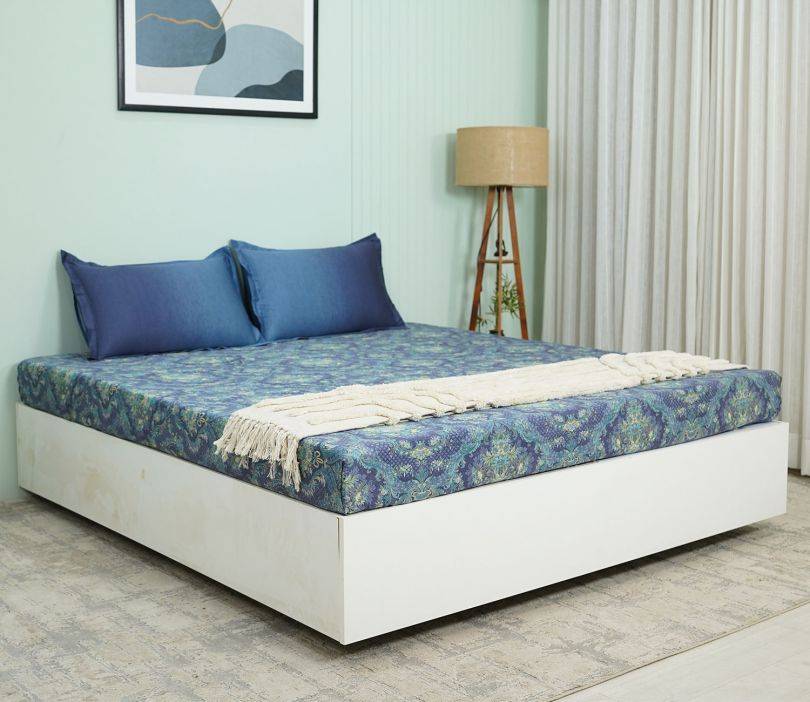
Creating a home that feels comfortable and inviting depends on more than just design and aesthetics. It’s about how your spaces function and how they make you feel. Two areas that significantly influence our sense of comfort are the bathroom and the bedroom — both personal sanctuaries for relaxation and rejuvenation.
Within these spaces, a few essentials define our daily comfort: soft bath linens and cozy duvets. The bath represents freshness and self-care, while the duvet symbolizes warmth and rest. Both play vital roles in enhancing the overall home experience, influencing physical comfort and emotional well-being.
This article explores the significance of bath accessories and duvets, their materials, types, care, and the impact they have on health and lifestyle.
Understanding the Importance of Bath Essentials
The bathroom is often described as the most private and functional area in a home, yet it holds enormous potential for comfort and style. Modern bathrooms are designed as wellness spaces, blending practicality with luxury.
1. The Role of Bath Linens
Bath linens — including towels, bath mats, robes, and washcloths — form the foundation of post-shower comfort. High-quality materials such as Egyptian cotton, Turkish cotton, and bamboo fibers ensure absorbency, durability, and softness.
Clean, soft, and fluffy towels make daily routines feel like spa experiences. Beyond their tactile benefits, bath linens also contribute to hygiene, moisture control, and aesthetic appeal.
2. Enhancing Bathroom Aesthetics
Thoughtfully chosen bath textiles elevate the bathroom’s décor. Matching color palettes, patterns, and textures create a cohesive design. For example, neutral-toned towels add serenity, while bold hues bring vibrancy and personality.
3. The Connection Between Bath Comfort and Well-being
A warm bath or shower followed by wrapping yourself in a plush towel triggers relaxation and stress relief. The physical sensation of softness promotes mindfulness and calmness, reinforcing the connection between body care and mental health.
Introduction to Duvets: The Centerpiece of Bedroom Comfort
What Is a Duvet?
A duvet is a soft, flat bag filled with materials such as down, feathers, wool, microfiber, or synthetic fibers, designed to provide warmth and comfort during sleep. It’s typically encased in a duvet cover, which can be removed and washed easily.
Unlike traditional blankets, duvets are lightweight yet highly insulating. Their design allows them to trap air efficiently, maintaining a comfortable sleeping temperature throughout the night.
The Role of Duvets in Home Comfort
The duvet has become an essential bedding item worldwide, valued for its ability to combine luxury, warmth, and practicality. It not only influences sleep quality but also enhances the bedroom’s appearance.
Whether in cold winter months or mild summer nights, a well-chosen duvet ensures uninterrupted sleep by maintaining optimal body temperature and comfort.
Types of Duvets Based on Filling
Choosing the right duvet depends largely on the type of filling, as it determines warmth, weight, and maintenance.
1. Down Duvets
Down duvets are filled with the soft under-feathers of ducks or geese. They are lightweight, breathable, and provide excellent insulation. Goose down duvets are often considered premium due to their superior fluffiness and warmth.
Pros: Luxurious, long-lasting, and excellent at temperature regulation.
Cons: Can be expensive and may trigger allergies in sensitive users.
2. Feather Duvets
Feather duvets use larger feathers instead of down clusters. They are heavier and less insulating than down duvets but still comfortable and affordable.
Pros: Affordable and supportive.
Cons: Heavier and less soft compared to pure down.
3. Microfiber or Synthetic Duvets
Filled with polyester or microfiber, these duvets mimic the feel of natural down but are hypoallergenic and easier to clean.
Pros: Suitable for allergy sufferers, machine-washable, and budget-friendly.
Cons: Less breathable and may retain heat.
4. Wool Duvets
Wool-filled duvets are natural, breathable, and ideal for year-round use. They regulate temperature effectively and wick away moisture.
Pros: Eco-friendly, moisture-wicking, and temperature regulating.
Cons: Heavier and costlier than synthetic options.
5. Cotton Duvets
Cotton duvets are lightweight and suitable for warm climates. They provide moderate warmth and are easy to maintain.
Pros: Breathable and natural.
Cons: Less insulating in cold conditions.
Understanding Duvet Tog Ratings
The tog rating measures a duvet’s thermal insulation — essentially, how warm it keeps you.
-
4.5 tog: Ideal for summer or warm climates.
-
7.5 – 10.5 tog: Suitable for spring and autumn.
-
12 – 15 tog: Best for winter or colder environments.
Some duvets come with an all-season design, combining two duvets (e.g., 4.5 and 9 tog) that can be attached or detached depending on the season.
Duvet Covers: The Unsung Heroes of Bedding
A duvet cover is not merely a protective layer — it’s a decorative and functional element of home décor.
Functions of Duvet Covers
-
Protection: Keeps the duvet clean, extending its lifespan.
-
Hygiene: Easier to wash frequently compared to the duvet itself.
-
Aesthetic Appeal: Adds color, pattern, and texture to the bedroom.
-
Customization: Allows seasonal or mood-based styling changes without buying a new duvet.
Popular Fabrics for Duvet Covers
-
Cotton: Soft, breathable, and suitable for all seasons.
-
Linen: Durable, moisture-absorbing, and ideal for summer.
-
Silk: Luxurious and temperature regulating, though high maintenance.
-
Microfiber: Wrinkle-resistant and budget-friendly.
-
Bamboo Fabric: Eco-friendly, hypoallergenic, and breathable.
The Relationship Between Bath and Bedroom Comfort
Though the bathroom and bedroom serve different purposes, they share one common goal — comfort and rejuvenation.
After a relaxing bath, retreating into a warm bed with a soft duvet completes the cycle of rest and self-care. Together, these two spaces represent the essence of a home’s comfort zone.
The Bath-to-Bed Routine
-
A soothing shower or bath refreshes the body.
-
Soft towels absorb moisture gently, preventing skin irritation.
-
Clean, cozy bedding — especially a plush duvet — helps transition into restorative sleep.
This bath-to-bed connection enhances both physical and mental relaxation, crucial for a healthy lifestyle.
Materials and Sustainability in Bath and Bedding Products
As sustainability becomes a core value in modern households, consumers increasingly prefer eco-friendly materials in both bath and bedding essentials.
1. Organic Cotton
Used in both towels and duvets, organic cotton is grown without pesticides, making it gentle on the skin and the planet.
2. Bamboo Fibers
Bamboo textiles are naturally antimicrobial and biodegradable, making them ideal for bath towels, robes, and duvet covers.
3. Recycled Fibers
Some manufacturers now use recycled polyester or blended fabrics to minimize waste and resource use.
4. Ethical Sourcing
Sustainably sourced down and feather fillings ensure animal welfare and environmentally responsible production practices.
By choosing sustainable bath and bedding materials, homeowners can reduce their environmental footprint while maintaining comfort and quality.
The Science of Sleep and the Role of Duvets
Sleep quality directly affects health, productivity, and mood. The right duvet contributes significantly to achieving deep, restorative sleep.
Temperature Regulation
A duvet that keeps you comfortably warm without overheating promotes uninterrupted rest. The ideal duvet maintains a balanced microclimate around your body.
Weight and Comfort
The weight of a duvet can also influence relaxation. Some individuals prefer weighted duvets, which exert gentle pressure and can help reduce anxiety and improve sleep.
Hypoallergenic Properties
Using duvets and covers made from anti-allergy materials prevents dust mites, mold, and bacteria, ensuring a cleaner sleep environment.
Maintenance and Care Tips
For Bath Linens
-
Wash Regularly: Towels should be washed after 3–4 uses to maintain hygiene.
-
Avoid Fabric Softeners: They can reduce absorbency.
-
Proper Drying: Ensure complete drying to prevent mildew.
-
Separate by Color: Keep white and colored towels separate to maintain brightness.
For Duvets and Covers
-
Air Out Frequently: Fluff your duvet daily and air it outdoors weekly.
-
Use a Cover: Always use a duvet cover to protect the filling.
-
Follow Care Labels: Some duvets require dry cleaning; others are machine washable.
-
Store Properly: When not in use, store duvets in breathable bags away from moisture.
Trends in Modern Bath and Bedding Design
1. Spa-Inspired Bathrooms
Contemporary bathrooms mimic spa environments with neutral color palettes, soft textiles, and minimalist décor. Natural materials like cotton and bamboo dominate.
2. Layered Bedding
Layering duvets with throws, quilts, and cushions adds visual depth and comfort. Neutral tones and organic fabrics are trending for their calming effect.
3. Smart Textiles
Technology-driven fabrics with temperature control, moisture management, and antibacterial properties are revolutionizing the bedding industry.
4. Eco-Conscious Choices
Sustainable materials and ethically sourced fibers are becoming the standard in both bath and bedding markets.
Choosing the Right Duvet for Your Climate and Lifestyle
Selecting a duvet should align with your sleeping habits, regional climate, and personal preferences.
| Climate | Ideal Filling | Recommended Tog | Key Feature |
|---|---|---|---|
| Warm/Summer | Cotton or Microfiber | 4.5 – 7.5 | Breathable and lightweight |
| Mild/All Season | Wool or Down Alternative | 9 – 10.5 | Temperature adaptive |
| Cold/Winter | Goose Down or Feather | 12 – 15 | Maximum insulation |
Consider allergies, maintenance needs, and weight preferences before purchasing.
The Role of Texture and Color in Comfort Design
In the Bathroom
Textures like soft terry towels, ribbed bath mats, and cotton robes create tactile comfort. Earthy and pastel tones evoke calmness, while darker shades add sophistication.
In the Bedroom
A mix of textures — crisp cotton sheets, plush duvets, and linen covers — enhances sensory comfort. Colors like beige, white, and grey promote relaxation, while muted blues and greens bring serenity.
The Psychological Benefits of a Cozy Bath and Bed Environment
Home is where the mind finds rest. A warm bath and comfortable bed are more than physical luxuries — they support mental restoration.
-
Reduced Stress: Warm baths and soft fabrics release tension and encourage mindfulness.
-
Better Sleep: Comfortable duvets and calming bedroom tones support melatonin production.
-
Improved Routine: A relaxing bath-to-bed ritual signals the body to unwind and rest.
Such environments contribute to emotional balance, reinforcing the home as a haven for recovery and peace.
Conclusion
In modern living, comfort is not a luxury — it’s a necessity. Both the bathroom and the bedroom serve as personal retreats where daily fatigue dissolves.
High-quality bath linens ensure cleanliness, comfort, and relaxation, while well-designed duvets provide warmth, aesthetic harmony, and restful sleep. Together, they represent the essence of home well-being — comfort through simplicity and thoughtful design.
By choosing the right materials, maintaining cleanliness, and aligning décor with personal needs, homeowners can create spaces that nurture both body and mind.
In the end, the perfect home isn’t defined by luxury or size but by how it feels — and nothing feels better than a soft towel after a bath and a warm duvet at the end of the day.