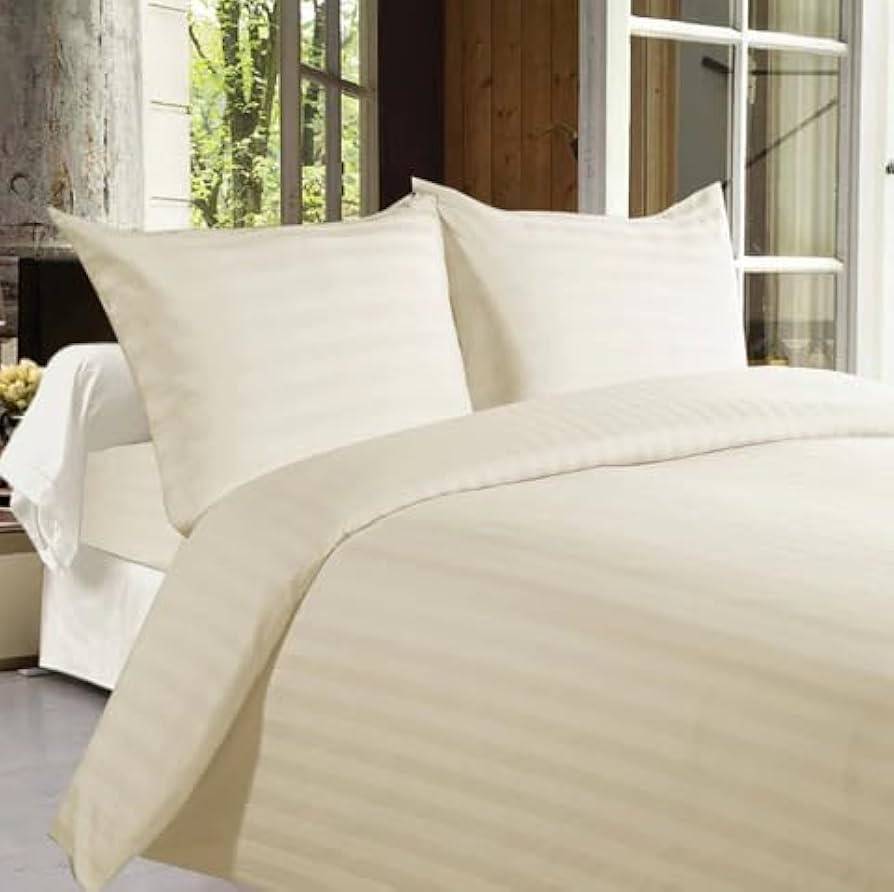
When it comes to furnishing a home, few pieces of furniture are as important as a mattress. While stylish sofas and elegant dining tables catch the eye, your mattress is where you spend nearly a third of your life. It affects not just your comfort but also your posture, mood, and long-term health.
The world of mattresses has evolved significantly over the years. From traditional spring designs to advanced memory foam and hybrid innovations, consumers now have more choices than ever. This guide explores the different types of mattresses, their features, materials, and benefits, and how to select the best one for your needs and budget.
1. The Importance of Choosing the Right Mattress
A good mattress is more than a place to sleep; it’s the foundation of good health. The right mattress supports your spine, promotes better posture, and improves sleep quality. Conversely, a poor-quality or unsuitable mattress can lead to back pain, poor circulation, and sleep disturbances.
1.1. Health Benefits of a Good Mattress
-
Spinal alignment: Proper support helps keep the spine in a neutral position, reducing back and neck pain.
-
Pressure relief: High-quality mattresses evenly distribute body weight, reducing pressure on joints and muscles.
-
Improved sleep quality: A comfortable sleeping surface promotes deeper sleep cycles.
-
Reduced allergies: Many modern mattresses use hypoallergenic materials that prevent dust mites and allergens.
1.2. The Role of a Mattress in Furniture Design
A mattress isn’t just a utility; it’s an integral part of bedroom furniture design. The right choice complements your bed frame, headboard, and overall décor, creating a balanced and cohesive look. Today’s mattress industry combines comfort, technology, and design, making them a central element of any modern bedroom setup.
2. Different Types of Mattresses
2.1. Innerspring Mattresses
Innerspring mattresses are the most traditional type, featuring steel coils that provide bounce and support. They are durable, breathable, and ideal for people who prefer a firmer feel.
Key features:
-
Great airflow for a cooler sleep.
-
Strong edge support.
-
Available in different coil types (Bonnell, pocketed, or offset).
Best for: Hot sleepers, people who prefer firm support, and traditional comfort lovers.
2.2. Memory Foam Mattresses
Memory foam mattresses have gained immense popularity for their ability to conform to body shape. Made from viscoelastic foam, these mattresses provide pressure relief and motion isolation.
Key features:
-
Excellent for side sleepers.
-
Minimizes partner movement.
-
Offers superior pressure relief for joints.
Best for: People with back or joint pain, and those seeking a plush, contouring feel.
2.3. Latex Mattresses
Latex mattresses are crafted from natural or synthetic latex, offering resilience and responsiveness. Natural latex is eco-friendly and long-lasting, making it a sustainable option for environmentally conscious buyers.
Key features:
-
Naturally hypoallergenic and antimicrobial.
-
Bouncy yet supportive.
-
Durable and resistant to sagging.
Best for: Eco-conscious consumers, allergy sufferers, and those who prefer a balanced firmness.
2.4. Hybrid Mattresses
Hybrid mattresses combine coils and foam layers to deliver the best of both worlds — the support of innersprings and the comfort of foam.
Key features:
-
Enhanced airflow and cooling.
-
Balanced firmness and comfort.
-
Ideal for all sleeping positions.
Best for: Couples, combination sleepers, and those who want customizable comfort.
2.5. Orthopedic Mattresses
Designed specifically to support the spine and joints, orthopedic mattresses are recommended by medical professionals for people with back or joint issues.
Key features:
-
Ergonomic support zones.
-
Firm, supportive surface.
-
Promotes healthy spinal posture.
Best for: Individuals with chronic pain, seniors, or anyone needing extra support.
2.6. Air and Adjustable Mattresses
Air mattresses and adjustable beds use air chambers to customize firmness. These are ideal for people with varying comfort preferences or mobility issues.
Key features:
-
Adjustable firmness levels.
-
Dual controls for couples.
-
Suitable for different body types.
Best for: Couples with different comfort needs, and users who want personalized sleep settings.
3. Mattress Materials and Their Impact
The choice of materials greatly influences a mattress’s comfort, lifespan, and performance.
3.1. Foam Layers
Modern mattresses use layers of polyurethane foam, memory foam, or gel-infused foam to provide contouring and support. Gel-infused foams enhance cooling, while high-density foams increase durability.
3.2. Natural Fibers
Premium mattresses often use natural materials like cotton, wool, bamboo, or silk. These materials improve breathability and are often hypoallergenic.
3.3. Coils and Springs
Coil count and gauge determine the firmness and support of an innerspring mattress. Pocket coils move independently, reducing motion transfer — an essential feature for couples.
3.4. Covers and Upholstery
High-quality mattresses feature breathable, removable, and washable covers. Organic cotton or bamboo covers enhance ventilation and resist allergens.
4. Factors to Consider When Buying a Mattress
4.1. Sleeping Position
-
Side sleepers: Need a softer surface for pressure relief on shoulders and hips.
-
Back sleepers: Benefit from medium-firm mattresses for spinal alignment.
-
Stomach sleepers: Require firm support to prevent sinking.
4.2. Firmness Level
Firmness is subjective, but a good rule is to choose a mattress that supports your natural body curves. Most mattresses are rated on a scale from soft (1–3) to firm (8–10).
4.3. Body Type and Weight
Heavier individuals may prefer firmer mattresses with better edge support, while lighter sleepers often find medium-soft models more comfortable.
4.4. Temperature Regulation
If you tend to sleep hot, look for cooling mattresses made with gel foam, open-cell latex, or breathable coil structures.
4.5. Durability and Longevity
The lifespan of a mattress depends on materials and build quality. On average, mattresses last 7–10 years, with latex and hybrid models lasting the longest.
4.6. Certifications
Certifications like CertiPUR-US®, OEKO-TEX®, or GOLS ensure that the mattress is made without harmful chemicals and meets safety standards.
5. Mattress Sizes and Dimensions
Choosing the right mattress size depends on room space, sleeping arrangements, and personal preference.
| Mattress Size | Dimensions (inches) | Ideal For |
|---|---|---|
| Twin | 38 x 75 | Children, small spaces |
| Twin XL | 38 x 80 | Teenagers, dorm rooms |
| Full / Double | 54 x 75 | Single adults |
| Queen | 60 x 80 | Couples, standard bedrooms |
| King | 76 x 80 | Master bedrooms |
| California King | 72 x 84 | Taller individuals |
5.1. Space and Bedroom Layout
When designing your bedroom, ensure that your mattress fits comfortably with other furniture items like nightstands, dressers, and wardrobes. A balanced layout promotes harmony and visual appeal.
6. Mattress Maintenance and Care Tips
Proper care extends the life of your mattress and ensures optimal hygiene.
6.1. Regular Rotation
Rotate your mattress every 3–6 months to prevent uneven wear and sagging.
6.2. Use a Mattress Protector
A waterproof and breathable mattress protector guards against spills, dust mites, and stains.
6.3. Clean the Surface
Vacuum the mattress regularly and air it out to keep it fresh and free from allergens.
6.4. Supportive Bed Frame
A sturdy bed frame prevents sagging and enhances mattress performance. For heavier models, a slatted or platform base is ideal.
7. Emerging Mattress Trends
The mattress industry is rapidly evolving with technological innovations and eco-conscious materials.
7.1. Smart Mattresses
Smart mattresses feature sleep tracking sensors, temperature control systems, and adjustable settings that sync with mobile apps.
7.2. Sustainable and Organic Options
Eco-friendly mattresses made from natural latex, organic cotton, and recycled materials are gaining popularity among sustainability-minded consumers.
7.3. Bed-in-a-Box Concept
Online mattress brands now offer compressed, vacuum-packed mattresses that are easy to ship and set up, changing how consumers buy furniture.
7.4. Hybrid Innovations
Manufacturers are combining materials like gel foam, micro coils, and latex layers to create customized comfort zones for better pressure relief and support.
8. How Mattresses Influence Interior Aesthetics
Your mattress plays a subtle but crucial role in the overall aesthetics of your bedroom. Choosing the right height, color, and design complements other furniture pieces and enhances comfort.
-
A low-profile mattress creates a modern, minimalist look.
-
A thicker, plush mattress adds luxury and grandeur.
-
Coordinating fabrics and colors with your headboard or bedding brings harmony to the space.
9. Common Mattress Myths Debunked
Myth 1: Firmer Mattresses Are Always Better
Not true. The best mattress depends on your body type and sleeping style, not just firmness.
Myth 2: You Don’t Need to Replace a Mattress for 20 Years
Most mattresses lose support and hygiene long before that. Replacing them every 8–10 years ensures optimal comfort.
Myth 3: Memory Foam Traps Heat
Modern foam mattresses use cooling gels and open-cell designs to improve airflow and temperature regulation.
10. Choosing a Mattress That Matches Your Lifestyle
Your mattress should align with your daily habits, health goals, and personal preferences. For example:
-
Active individuals benefit from orthopedic or hybrid models that support muscle recovery.
-
Eco-conscious consumers may prefer organic latex mattresses.
-
Couples can choose dual-firmness or motion-isolating models for undisturbed sleep.
11. Mattress Accessories and Enhancements
The comfort and longevity of your mattress can be greatly enhanced by the right bedroom accessories. Accessories not only extend the mattress’s lifespan but also improve sleep quality and hygiene.
11.1. Mattress Toppers
A mattress topper adds an extra comfort layer on top of your existing mattress. It can alter the firmness, provide additional cushioning, and protect the surface from wear and tear.
Types of mattress toppers include:
-
Memory foam toppers: Offer contouring support and reduce motion transfer.
-
Latex toppers: Naturally breathable and resilient.
-
Feather or down toppers: Deliver a plush, hotel-like softness.
-
Gel-infused foam toppers: Help regulate temperature for hot sleepers.
A mattress topper is a cost-effective way to rejuvenate an older mattress or fine-tune the comfort of a new one.
11.2. Mattress Protectors
Mattress protectors act as a barrier against spills, allergens, and dust mites. Waterproof varieties are ideal for families with children or pets. High-quality protectors are breathable, allowing air circulation without compromising comfort.
11.3. Bed Frames and Foundations
A bed frame supports your mattress structurally while adding style to the bedroom. Solid wood or metal frames ensure stability, while upholstered bases enhance aesthetic appeal.
A box spring or platform base also affects mattress performance. Hybrid and memory foam mattresses generally perform best on solid or slatted platforms, while innerspring types pair well with box springs for extra bounce.
11.4. Pillows and Bedding
No mattress is complete without the right pillows and bedding accessories. The right pillow supports spinal alignment, complementing your mattress’s comfort level.
-
Memory foam pillows suit back and side sleepers.
-
Latex pillows provide firm, responsive support.
-
Down or feather pillows offer plush softness.
Breathable cotton, linen, or bamboo sheets enhance airflow, while weighted blankets can promote deeper, more restful sleep.
12. The Science of Sleep and Mattresses
A comfortable mattress contributes directly to better sleep science — the study of how rest affects physical and mental health. Understanding this connection can help you make a more informed buying decision.
12.1. The Sleep Cycle
Your body goes through multiple sleep stages each night: light sleep, deep sleep, and REM (rapid eye movement) sleep. A high-quality mattress supports these transitions smoothly, minimizing interruptions.
12.2. Body Temperature Regulation
Temperature plays a crucial role in sleep quality. Materials like gel foam, latex, and natural fibers regulate body heat, keeping you cool throughout the night. Overheating can disrupt deep sleep phases, leading to restlessness.
12.3. Pressure Points and Circulation
A well-designed mattress reduces stress on pressure points — particularly around the hips, shoulders, and back. This improved circulation prevents stiffness and discomfort, allowing you to wake up refreshed.
12.4. Sleep and Mental Health
Consistent, restful sleep enhances mood, memory, and concentration. A supportive mattress ensures your body relaxes fully, promoting mental clarity and emotional well-being.
13. Eco-Friendly Mattress Manufacturing
As environmental awareness grows, the furniture and bedding industry is shifting toward sustainable practices. Eco-friendly mattresses are not just healthier for the planet but also for your indoor air quality.
13.1. Sustainable Materials
Manufacturers now use organic cotton, natural latex, bamboo fibers, and recycled steel coils. These materials are renewable, biodegradable, and free from harmful chemicals.
13.2. Reduced Carbon Footprint
Eco-conscious brands prioritize local sourcing and minimal packaging. Many companies use the bed-in-a-box model to reduce transport emissions.
13.3. Non-Toxic Certifications
Look for eco-certifications like:
-
GOTS (Global Organic Textile Standard) for organic fabrics.
-
GOLS (Global Organic Latex Standard) for natural latex.
-
CertiPUR-US® for low-VOC foam products.
These ensure that your mattress is free from ozone depleters, flame retardants, and heavy metals.
13.4. Recyclable and Modular Designs
Some modern mattresses are modular, allowing individual layers to be replaced instead of discarding the entire product. This design extends the mattress lifespan while reducing landfill waste.
14. Mattress Ergonomics and Spinal Health
Mattress ergonomics refers to how well a mattress supports the natural curves and alignment of your body. It plays a major role in maintaining spinal health and posture.
14.1. Zoned Support Systems
Many premium mattresses use zoned support, which offers varying firmness across different regions. For example, the lumbar zone is firmer for back support, while shoulder areas are softer for pressure relief.
14.2. Spinal Alignment Benefits
An ergonomic mattress keeps the spine aligned in its natural “S” shape. Proper alignment reduces muscle strain and prevents chronic back issues.
14.3. Choosing the Right Ergonomic Design
For back sleepers, medium-firm mattresses are ideal. Side sleepers may prefer a softer surface, while stomach sleepers need firmer support. Adjustable beds can help users fine-tune their posture and sleeping angle.
14.4. The Role of Pillows in Ergonomics
A pillow complements the ergonomic benefits of a mattress. The right pillow height aligns the head and neck with the spine, preventing tension headaches and neck pain.
15. Global Mattress Market Trends
The global mattress market reflects evolving consumer preferences and innovations in materials and technology.
15.1. Rise of Online Mattress Brands
E-commerce has transformed the furniture and bedding industry. Consumers can now order mattresses online, try them at home, and return them within a trial period. This convenience has revolutionized shopping habits.
15.2. Demand for Customization
Personalized sleep solutions, such as dual-firmness beds, adjustable bases, and modular designs, are increasingly popular. Consumers value flexibility and customization over one-size-fits-all options.
15.3. Smart Sleep Technology
Mattresses equipped with sleep sensors, smart alarms, and temperature control are on the rise. They connect with smartphones to track sleep quality and patterns, offering insights for better rest.
15.4. Growing Focus on Sustainability
Eco-friendly materials and ethical sourcing are major purchasing drivers. Many furniture brands now highlight their sustainable production processes as a core selling point.
16. Mattress Lifespan and Replacement Signs
Even the best mattress eventually wears out. Recognizing when to replace your mattress can prevent discomfort and health issues.
16.1. Average Lifespan by Type
-
Innerspring: 6–8 years
-
Memory foam: 8–10 years
-
Latex: 10–12 years
-
Hybrid: 8–10 years
16.2. Signs It’s Time to Replace
-
Visible sagging or lumps.
-
Increased allergies or dust accumulation.
-
Waking up with stiffness or back pain.
-
Uneven support or noise from springs.
Replacing your mattress at the right time ensures continuous comfort and hygiene.
17. Mattress Selection for Different Age Groups
Every life stage has different comfort and support needs. The ideal mattress varies for children, adults, and seniors.
17.1. Children and Teenagers
Kids need medium-firm mattresses that support growing bones and joints. Breathable materials like cotton and foam ensure cool, comfortable sleep. Twin or Twin XL sizes are most suitable for smaller rooms.
17.2. Adults
Adults typically prefer queen or king-sized mattresses for space and comfort. Hybrids and memory foam models offer a balance of contouring and support, ideal for busy lifestyles.
17.3. Seniors
Older adults benefit from orthopedic or adjustable beds. These improve blood flow, reduce joint pain, and make getting in and out of bed easier.
17.4. Couples
Couples should consider motion isolation and dual comfort options. Hybrid or foam mattresses minimize disturbance when one partner moves.
18. The Relationship Between Mattresses and Home Décor
Your mattress affects more than just comfort — it influences your bedroom’s overall style.
18.1. Coordinating with Bedroom Furniture
A mattress should harmonize with the bed frame, headboard, and nightstands. Neutral-toned fabrics pair well with modern décor, while upholstered designs complement luxury interiors.
18.2. Aesthetic Proportion
Mattress height influences room aesthetics. Low-profile mattresses create a sleek, contemporary look, while high-profile ones add depth and grandeur.
18.3. Textiles and Layering
Using throws, quilts, and textured bedding enhances visual appeal. Combining materials like linen and velvet creates a cozy, layered appearance.
19. Mattress Hygiene and Indoor Air Quality
Maintaining cleanliness isn’t just about appearance — it’s crucial for your health.
19.1. Allergen Control
Dust mites, pet dander, and pollen can accumulate over time. Using hypoallergenic covers and vacuuming regularly keeps allergens under control.
19.2. Moisture and Odor Prevention
To prevent mildew or odor, allow air circulation under the mattress. Using a dehumidifier or regular sun exposure helps eliminate trapped moisture.
19.3. Off-Gassing in New Mattresses
Some foam mattresses emit a faint odor when new — known as off-gassing. Choosing CertiPUR-US® certified products ensures low-VOC materials and minimal chemical emissions.
20. Mattress Shopping Tips: Making an Informed Decision
With so many options available, choosing the right mattress can feel overwhelming. These tips simplify the buying process.
20.1. Research and Compare
Read expert reviews, compare materials, and understand the pros and cons of each type before purchasing.
20.2. Try Before You Buy
If possible, test the mattress in person. Lie down in your usual sleeping position for at least 10 minutes to assess comfort and support.
20.3. Understand Warranty and Return Policies
Most reputable brands offer 10–15 year warranties and 100-night trial periods, allowing you to test comfort at home.
20.4. Budget Considerations
While luxury models offer enhanced comfort, even mid-range mattresses can provide exceptional value if chosen wisely. Focus on quality materials and certifications rather than just brand names.
20.5. Delivery and Setup
Online mattress brands simplify logistics with free shipping, easy setup, and hassle-free returns. Some offer old mattress removal for added convenience.
21. Future of Mattress Design
As technology continues to evolve, the mattress industry is entering a new era focused on customization, wellness, and sustainability.
21.1. AI-Integrated Sleep Systems
Artificial intelligence will soon enable real-time adjustment of firmness and temperature based on biometric data. These smart systems adapt to your sleep pattern for optimized rest.
21.2. Sustainable Innovation
Recyclable foams, biodegradable fabrics, and zero-waste manufacturing are becoming the norm. The future points toward fully sustainable bedroom furniture ecosystems.
21.3. Personalized Sleep Health
Integration with wearable devices will allow mattresses to provide personalized sleep reports and health recommendations, bridging the gap between comfort and wellness.
Conclusion
A mattress is one of the most essential pieces of furniture in any home — a silent partner in your daily wellness. The right choice can transform not just your bedroom but your overall quality of life. Whether you opt for memory foam, hybrid, or latex, the key lies in understanding your body’s needs, room design, and sleep preferences.
Investing in a good mattress means investing in better sleep, better health, and better living. So, take your time, compare options, and choose the one that offers the perfect balance of comfort, support, and longevity.