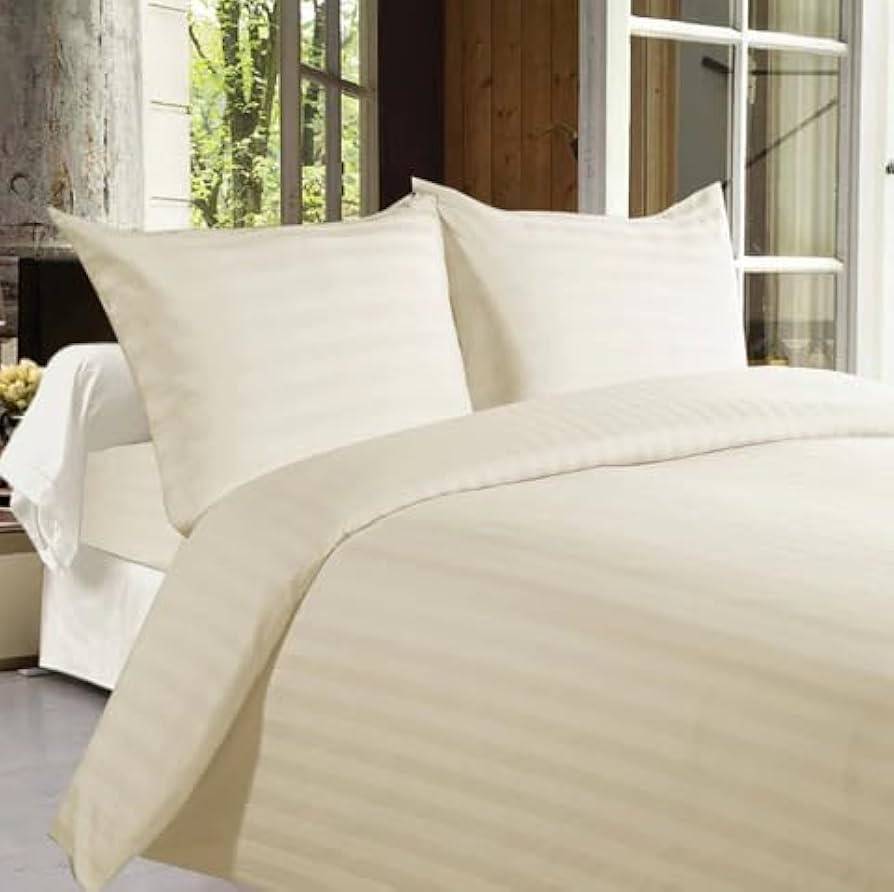
When we think of comfort, rest, and home, the first image that often comes to mind is a cozy bed. Beds are more than just a piece of furniture; they are a symbol of relaxation and well-being. They provide us with a place to rest after a long day and play a vital role in our overall health and lifestyle. In modern homes, beds are also an essential part of interior design, reflecting personal taste, functionality, and comfort.
From the materials used to the design styles available, choosing the right bed involves several considerations. Whether you’re redecorating your bedroom, moving into a new home, or simply upgrading your furniture, understanding the different types, features, and trends in beds can help you make an informed decision.
The Importance of a Good Bed
A bed is one of the most important investments you can make in your home. On average, a person spends about one-third of their life sleeping, which makes the quality of the bed a major factor in determining overall comfort and health. The right bed supports your spine, improves sleep quality, and enhances daily productivity.
A good bed also contributes to mental well-being. Studies have shown that proper sleep reduces stress, improves mood, and helps with memory and focus. In addition, beds influence the aesthetics of the room. The design, size, and placement of a bed can completely transform the ambiance of a bedroom.
Different Types of Beds
Beds come in a wide range of designs, sizes, and materials to suit different needs, styles, and spaces. Below are the most common types of beds you’ll find in today’s furniture market.
1. Platform Beds
Platform beds feature a low-profile frame with a solid or slatted base, eliminating the need for a box spring. They are modern, minimalist, and often made from wood or metal. This type of bed provides excellent support and suits a wide variety of interior styles, from contemporary to Scandinavian designs.
2. Storage Beds
Storage beds are ideal for smaller homes or apartments where maximizing space is essential. They include built-in drawers or hydraulic lifts that allow you to store items like linens, clothes, or extra bedding underneath the mattress. These beds are functional and stylish, making them perfect for compact living.
3. Upholstered Beds
Upholstered beds feature cushioned headboards and frames covered in materials like linen, velvet, or leather. They add a touch of luxury and softness to the room. Upholstered designs come in various colors and textures, offering both comfort and aesthetic appeal.
4. Canopy Beds
Canopy beds have four tall posts connected by rods at the top, allowing you to drape fabric for a romantic and elegant look. They are perfect for spacious bedrooms and give a royal, timeless touch to your interior.
5. Sleigh Beds
Sleigh beds are known for their curved headboards and footboards that resemble a sleigh. Usually made from solid wood, they offer a traditional and classic look. They are sturdy, stylish, and often serve as a statement piece in the bedroom.
6. Bunk Beds
Bunk beds are practical solutions for shared rooms or children’s bedrooms. They consist of two or more beds stacked vertically, maximizing floor space. Modern bunk beds often come with built-in desks, drawers, or play areas, making them multifunctional and space-efficient.
7. Adjustable Beds
Adjustable beds are becoming increasingly popular, especially among people seeking personalized comfort. The head and foot sections can be raised or lowered using an electric mechanism. They are great for people with medical conditions or those who enjoy reading or watching TV in bed.
Bed Sizes and Dimensions
Choosing the right bed size is essential for comfort and room balance. Below are the standard bed sizes commonly available:
-
Single/Twin Bed: Ideal for children, teens, or single adults. It measures around 39 inches by 75 inches.
-
Double/Full Bed: Suitable for solo sleepers who need extra space or for guest rooms. It measures approximately 54 inches by 75 inches.
-
Queen Bed: One of the most popular options for couples, measuring about 60 inches by 80 inches. It offers a balance between space and practicality.
-
King Bed: Provides generous space for two people, measuring around 76 inches by 80 inches. Ideal for larger bedrooms.
-
California King Bed: Slightly longer but narrower than a standard king, measuring about 72 inches by 84 inches. Perfect for tall individuals.
When selecting a bed size, consider the room dimensions, furniture layout, and personal sleeping habits.
Popular Bed Materials
Beds can be made from various materials, each offering different benefits, aesthetics, and price points.
Wooden Beds
Wood is the most traditional and timeless material used in bed construction. Options like oak, teak, walnut, and mahogany are durable and long-lasting. Wooden beds can fit into both modern and classic interiors. They provide warmth, stability, and natural beauty to any space.
Metal Beds
Metal beds are known for their strength and minimalist appeal. Made from materials such as iron, steel, or brass, these beds often feature sleek designs and intricate headboards. They are easy to maintain and work well in industrial or contemporary interiors.
Upholstered Beds
As mentioned earlier, upholstered beds use fabric-covered padding for added comfort. Materials like velvet, linen, and faux leather enhance the softness and appearance of the bed. They are available in various colors and patterns to match different decor themes.
Wrought Iron Beds
Wrought iron beds are strong and ornate, often seen in vintage or rustic-inspired homes. They are long-lasting and resistant to wear and tear. The metal framework can be designed in elegant curves or minimalist straight lines.
Engineered Wood Beds
Engineered wood, such as MDF or particleboard, is a cost-effective alternative to solid wood. These beds are lightweight and versatile, making them popular for budget-conscious buyers or renters who move frequently.
Choosing the Right Bed for Your Space
Selecting the perfect bed involves more than just picking a design you like. Here are key factors to consider:
1. Room Size
Measure your room dimensions carefully before choosing a bed. A king-size bed in a small room can make the space feel cramped, while a small bed in a large room may look out of place.
2. Comfort Level
Comfort depends on both the bed frame and the mattress. Ensure that your bed provides proper support to your back and neck. If possible, test the bed in-store before purchasing.
3. Design and Style
Your bed should complement the overall theme of your bedroom. Choose a style that reflects your personality — minimalist, rustic, modern, or traditional.
4. Functionality
If you have limited storage, opt for beds with drawers or hydraulic storage. For flexible sleeping arrangements, consider sofa beds or trundle beds.
5. Material Durability
Invest in high-quality materials that last. Solid wood or metal frames typically offer better longevity than cheaper alternatives.
Mattress Compatibility
A bed’s comfort depends greatly on the mattress you use. The right mattress should match your sleeping style, health needs, and bed frame. The most common types of mattresses include:
-
Memory Foam Mattresses – Known for contouring to your body shape.
-
Spring Mattresses – Provide firm support and good air circulation.
-
Hybrid Mattresses – Combine foam and coils for balanced comfort.
-
Latex Mattresses – Naturally hypoallergenic and durable.
-
Orthopedic Mattresses – Designed for spinal support and posture correction.
Always ensure your mattress fits your bed frame perfectly to avoid uneven support or premature wear.
Trends in Modern Bed Design
Interior design trends continue to influence how beds are styled and constructed. Some current trends include:
Minimalist Frames
Simple, clean-lined designs with neutral tones are trending. These beds emphasize function and comfort over ornamentation.
Sustainable Materials
Eco-conscious buyers prefer beds made from sustainably sourced wood or recycled materials. Natural finishes and non-toxic paints are increasingly popular.
Smart Beds
Technology integration has entered the bedroom through smart beds that can adjust firmness, track sleep patterns, and even control temperature.
Multifunctional Beds
With urban living spaces getting smaller, multifunctional beds with storage drawers, foldable designs, or convertible features are gaining traction.
Statement Headboards
Oversized, tufted, or uniquely shaped headboards serve as focal points in modern bedrooms, adding character and visual appeal.
Caring for Your Bed
Proper maintenance extends the life of your bed and keeps it looking new. Here are a few care tips:
-
Clean Regularly: Dust and vacuum the frame and headboard to prevent buildup.
-
Rotate Mattress: Flip or rotate your mattress every few months to ensure even wear.
-
Check Joints and Screws: Tighten loose bolts or screws periodically to maintain stability.
-
Avoid Overloading Storage: If you have a storage bed, avoid overfilling drawers to prevent strain on the mechanism.
-
Protect Upholstery: Use fabric cleaners and avoid harsh chemicals on upholstered surfaces.
Health Benefits of Choosing the Right Bed
A well-designed bed supports your health in numerous ways. It can alleviate back pain, improve posture, and reduce snoring or breathing issues. Beds with adjustable bases allow users to elevate specific body parts, improving circulation and reducing pressure points. Good sleep hygiene starts with a supportive bed that suits your physical needs and sleeping habits.
Sustainability and Eco-Friendly Choices
As environmental awareness grows, more consumers are seeking eco-friendly furniture. Beds made from sustainable materials such as bamboo, reclaimed wood, or FSC-certified timber are excellent options. Look for manufacturers who follow ethical production practices and use non-toxic finishes. Sustainable choices not only benefit the planet but also promote healthier indoor air quality.
The Role of Beds in Interior Design
Beyond comfort, beds are central to a bedroom’s visual composition. The color, shape, and texture of a bed influence the mood of the room. For instance, a wooden bed gives a warm, earthy feeling, while an upholstered bed adds a touch of luxury. Pairing your bed with the right bedside tables, lighting, and linens enhances harmony and style. Designers often treat the bed as the centerpiece that defines the entire layout of the room.
Budget and Affordability
Beds come in a wide range of prices depending on material, design, and brand. While luxury beds may offer advanced features or premium materials, affordable options can still provide excellent comfort and style. The key is to balance quality with your budget. Comparing warranties, customer reviews, and material specifications can help you make a smart purchase decision.
Conclusion
Beds are the cornerstone of comfort and design in every home. Whether you prefer a simple platform bed, a luxurious upholstered frame, or a space-saving storage solution, the right choice enhances both your living space and quality of life. A good bed supports restful sleep, aligns your posture, and adds a touch of elegance to your bedroom decor.
When selecting a bed, consider your needs, lifestyle, and room space. Prioritize comfort, durability, and aesthetics equally. With the vast variety available today — from classic wooden frames to modern smart beds — there’s something to suit every taste and budget.
Ultimately, a bed is not just where you sleep; it’s where you recharge, dream, and spend quiet moments of peace. Investing time and thought into choosing the right bed ensures comfort, style, and well-being for years to come.