Every successful home improvement project relies on strong foundations — not just structurally but also in the materials that hold everything together. Among these essentials, adhesives play a crucial role. They are the unseen force that bonds surfaces, seals gaps, and ensures that everything from floor tiles to wall panels stays firmly in place.
Whether you’re assembling furniture, repairing broken fixtures, laying flooring, or working on large-scale construction, adhesives are indispensable. Modern technology has transformed them from simple glues into advanced bonding solutions designed for durability, flexibility, and environmental safety.
This article explores the importance of adhesives in home improvement, their types, applications, composition, and the growing innovations that make them safer and more efficient than ever before.
The Importance of Adhesives in Home Improvement
1. The Backbone of Structural Integrity
Adhesives provide invisible strength to materials. They distribute stress evenly across joints, unlike nails or screws that concentrate pressure in one area. This leads to improved durability and longer-lasting finishes.
2. Versatility Across Materials
Adhesives bond wood, metal, glass, ceramic, plastic, concrete, and fabric, making them highly versatile for both DIY and professional applications.
3. Aesthetic Benefits
Because adhesives create seamless joints, they eliminate the need for visible fasteners like bolts or screws. This ensures a cleaner, more polished appearance in interior design and furniture construction.
4. Efficiency and Ease of Use
Modern adhesive products are easy to apply, reducing labor time and costs. Many come in ready-to-use formats such as tubes, cartridges, or tapes, allowing for quick installation and repairs.
5. Safety and Environmental Benefits
Advancements in chemical engineering have led to low-VOC (Volatile Organic Compound) adhesives that are safer for indoor use and less harmful to the environment.
Understanding What Adhesives Are
In simple terms, an adhesive is any substance capable of holding materials together through surface bonding. It can be natural or synthetic, temporary or permanent, depending on its chemical makeup and application.
Adhesives rely on two key mechanisms:
-
Adhesion: The bond between the adhesive and the surface.
-
Cohesion: The internal strength of the adhesive itself.
Together, these properties ensure lasting durability and resilience under various conditions.
Types of Adhesives Used in Home Improvement
Different adhesives serve different purposes depending on materials, environment, and load requirements.
1. PVA (Polyvinyl Acetate) Adhesives
Commonly known as white glue or wood glue, PVA is water-based and ideal for porous surfaces.
-
Uses: Woodwork, paper, and minor household repairs.
-
Advantages: Non-toxic, easy cleanup, and strong drying strength.
2. Epoxy Adhesives
Epoxy adhesives consist of two components — a resin and a hardener — that, when mixed, form an exceptionally strong and chemical-resistant bond.
-
Uses: Metal, concrete, ceramics, and heavy-duty repairs.
-
Advantages: Waterproof, heat-resistant, and long-lasting.
3. Polyurethane Adhesives
These adhesives provide excellent flexibility and moisture resistance. They can bond both porous and non-porous surfaces.
-
Uses: Flooring, construction joints, and outdoor furniture.
-
Advantages: Expands slightly during curing, filling gaps for tight seals.
4. Acrylic Adhesives
Known for fast bonding and weather resistance, acrylic adhesives are perfect for structural and decorative applications.
-
Uses: Glass, plastic, metals, and composites.
-
Advantages: Quick curing and high impact strength.
5. Silicone Adhesives and Sealants
Silicone is both an adhesive and a sealant, flexible even after curing.
-
Uses: Bathrooms, kitchens, windows, and outdoor joints.
-
Advantages: Waterproof, UV-resistant, and flexible under temperature changes.
6. Contact Adhesives
These adhesives bond on contact — both surfaces are coated and allowed to dry before pressing together.
-
Uses: Laminates, veneers, rubber, and leather.
-
Advantages: Instant bonding with strong tack.
7. Hot Melt Adhesives
Commonly used in industrial and DIY applications, these are thermoplastic glues applied with a heat gun or glue stick.
-
Uses: Craft projects, packaging, and light assembly work.
-
Advantages: Fast drying and easy application.
8. Construction Adhesives
Formulated for large projects, construction adhesives provide long-term strength for structural applications.
-
Uses: Wall panels, drywall, flooring, tiles, and masonry.
-
Advantages: High load-bearing capacity and resistance to vibration.
Composition of Adhesives
Adhesives are composed of three main elements:
-
Polymers or Resins: Provide cohesion and flexibility.
-
Additives: Enhance properties like water resistance, color, or curing speed.
-
Solvents or Carriers: Control viscosity and ease of application.
Depending on formulation, adhesives can be solvent-based, water-based, or reactive (chemical-curing) systems.
Applications of Adhesives in Home Improvement
1. Flooring Installation
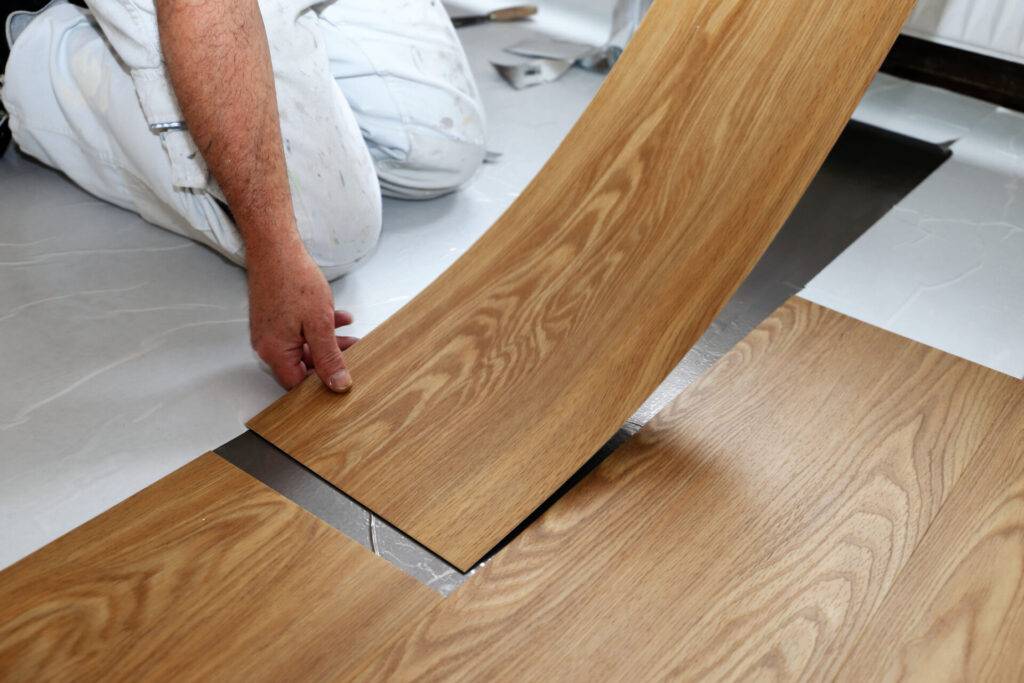
Adhesives are crucial in laying tiles, vinyl flooring, or carpets. Epoxy and polyurethane adhesives provide strong, moisture-resistant bonds that prevent lifting or gaps over time.
2. Wall Treatments and Panels
Instead of nails, adhesives are now commonly used for attaching wall claddings, panels, wallpapers, and tiles. This results in smoother surfaces and reduced structural damage.
3. Plumbing and Sanitary Fixes
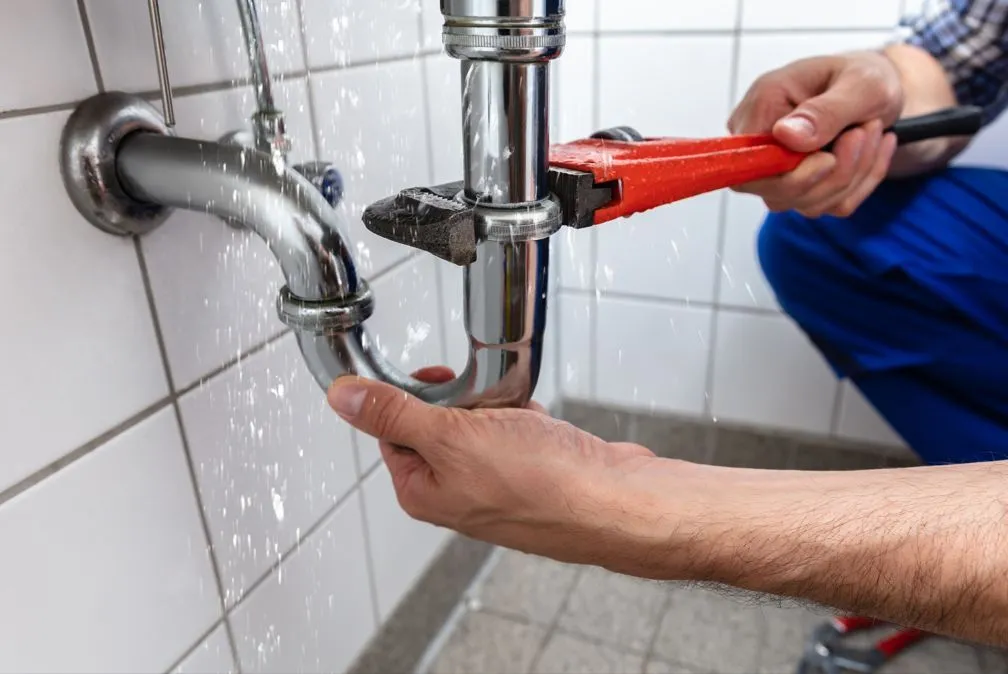
Silicone and epoxy adhesives seal joints and leaks in bathrooms and kitchens, offering flexibility under heat and moisture conditions.
4. Furniture Assembly
Wood glues, contact adhesives, and hot melt glues are used for furniture construction, repairs, and upholstery work.
5. Glass and Mirror Fixing
Acrylic and silicone adhesives create transparent, long-lasting bonds without damaging glass surfaces.
6. Electrical and Lighting Fixtures
Specialized adhesives provide insulation and vibration resistance for lighting installations and electronic components.
7. Roofing and Exterior Repairs
Construction sealants and polyurethane adhesives withstand outdoor weathering, ensuring leak-proof performance for roofs and façades.
Advantages of Using Adhesives in Construction and Home Design
| Advantage | Description |
|---|---|
| Uniform Stress Distribution | Prevents weak points and increases durability. |
| Reduced Weight | Eliminates mechanical fasteners, reducing material weight. |
| Improved Aesthetics | Creates seamless, screw-free finishes. |
| Noise and Vibration Dampening | Reduces rattling in joints and panels. |
| Corrosion Resistance | Prevents contact corrosion between different metals. |
| Energy Efficiency | Some adhesives provide insulation and thermal sealing. |
Environmental and Safety Considerations
1. Low-VOC Formulations
New adhesive technologies use water-based or solvent-free compositions that reduce indoor air pollution and meet green building standards.
2. Recyclable and Biodegradable Options
Some modern adhesives use natural materials like starch, lignin, or casein, which are biodegradable and eco-friendly.
3. Proper Ventilation and Storage
Always apply adhesives in ventilated areas and store them in sealed containers to maintain quality and safety.
4. Disposal Practices
Follow local environmental regulations for disposing of adhesive residues and empty packaging.
Common Problems with Adhesive Application
| Problem | Cause | Solution |
|---|---|---|
| Weak Bonding | Dusty or oily surfaces | Clean and prime the surface before application |
| Bubbling or Peeling | Trapped air or excess moisture | Apply thin, even layers and ensure proper drying |
| Slow Curing | Low temperature or humidity | Use heat or catalyst activators if recommended |
| Discoloration | Exposure to sunlight or chemicals | Choose UV-resistant adhesives for outdoor use |
| Cracking | Over-rigid adhesives on flexible materials | Use elastic or flexible adhesive types |
Proper surface preparation and product selection are key to long-lasting bonds.
How to Choose the Right Adhesive
-
Identify Material Type – Different materials (metal, plastic, wood, concrete) require specific adhesives.
-
Evaluate Environmental Conditions – Consider temperature, humidity, and sunlight exposure.
-
Determine Load Requirement – Heavy structural work demands stronger adhesives like epoxy or construction sealants.
-
Check for Flexibility Needs – For materials that expand or contract, use silicone or polyurethane adhesives.
-
Consider Drying Time – Fast-curing adhesives save time but may need quick, precise handling.
Innovations in Adhesive Technology
The adhesive industry has evolved to meet modern architectural and environmental challenges.
1. Nano-Adhesives
Engineered at the microscopic level, nano-adhesives offer superior strength and heat resistance.
2. Smart Adhesives
Responsive to temperature, pressure, or light, these adhesives can be removed or reactivated when required.
3. Bio-Based Adhesives
Derived from renewable resources, bio-adhesives minimize carbon footprint and toxic emissions.
4. Conductive Adhesives
Used in electrical and solar panel installations, they combine bonding and electrical conductivity.
5. Spray and Foam Adhesives
Provide uniform coverage over large surfaces and reduce material waste.
Adhesives vs. Mechanical Fasteners
| Feature | Adhesives | Nails/Screws |
|---|---|---|
| Aesthetics | Seamless, invisible joints | Visible marks |
| Weight Distribution | Even stress spread | Concentrated stress points |
| Flexibility | Absorbs vibration and expansion | Rigid and limited flexibility |
| Ease of Application | Quick, requires minimal tools | Requires drilling or hammering |
| Corrosion Risk | None | Possible rust or oxidation |
In many modern constructions, adhesives complement mechanical fasteners for hybrid strength and stability.
Safety Guidelines for Handling Adhesives
-
Wear gloves and goggles to prevent skin and eye contact.
-
Avoid inhaling fumes; work in ventilated areas.
-
Read product labels carefully for curing time and safety information.
-
Keep away from open flames, as some adhesives are flammable.
-
Clean tools immediately with appropriate solvents or warm water (for water-based types).
Adhesives and Interior Design
In interior spaces, adhesives enable artistic and architectural creativity.
-
Decorative Wall Panels: Lightweight panels bonded with construction adhesive create texture without nails.
-
Flooring and Carpets: Adhesives ensure smooth, bubble-free installations.
-
Mirrors and Glass Fixtures: Transparent glues provide strength without visible joints.
-
Acoustic Panels: Special adhesives reduce vibration and enhance soundproofing.
The flexibility of adhesives allows designers to experiment with materials once difficult to combine.
Adhesives in Exterior and Structural Applications
Exterior applications require weatherproof, UV-resistant, and temperature-tolerant adhesives.
-
Facade Cladding: Structural adhesives eliminate the need for visible metal joints.
-
Roof Waterproofing: Polyurethane and silicone sealants protect against leaks.
-
Tile and Stone Fixing: Epoxy adhesives provide superior adhesion in outdoor conditions.
Such products combine performance with aesthetic simplicity, reducing maintenance while enhancing design quality.
Future Trends in Home Adhesive Solutions
-
Green Building Compliance: Low-VOC and recyclable adhesives will dominate the market.
-
Hybrid Formulations: Combining mechanical strength of epoxy with flexibility of polyurethane.
-
Self-Healing Adhesives: Materials that repair micro-cracks automatically under heat or pressure.
-
Automation Compatibility: Adhesives designed for robotic or 3D-printing applications in smart homes.
-
Thermo-Reflective and Fire-Retardant Adhesives: Providing safety and energy efficiency simultaneously.
Maintenance and Longevity
-
Inspect joints and seals periodically, especially in moisture-prone areas.
-
Reapply sealants every 3–5 years for optimal waterproofing.
-
Store adhesives in airtight containers and avoid freezing conditions.
-
Clean residues immediately after application to maintain neat finishes.
Proper care ensures that adhesive bonds retain strength and flexibility for many years.
Environmental Impact and Recycling
The industry is moving toward sustainable chemistry, with:
-
Water-borne adhesives replacing solvent-based variants.
-
Eco-labels and certifications ensuring compliance with global green standards.
-
Recycling initiatives that reclaim cured adhesives and packaging materials.
Responsible use and disposal make adhesives an integral part of environmentally conscious home improvement.
Conclusion
In the realm of home improvement, adhesives are the silent enablers of strength, beauty, and innovation. They hold together walls, furniture, flooring, and countless household elements without being seen — yet their presence defines durability and design quality.
From simple white glues to advanced epoxy resins and eco-friendly sealants, modern adhesives have evolved to meet the demands of sustainability, aesthetics, and safety. Whether you’re fixing a cracked tile, sealing a window, or installing decorative panels, the right adhesive ensures long-lasting performance and flawless results.
Ultimately, adhesives exemplify how small components can make a big difference in building a safe, beautiful, and enduring home.