Furniture plays a vital role in shaping the way we live, work, and interact with our surroundings. From homes to offices, schools to cafes, every setting depends on well-designed furniture to create comfort, functionality, and aesthetic appeal. Among the many pieces of furniture we use daily, tables and desks hold a special place. They serve as the foundation for countless activities—whether it’s dining with family, studying for exams, completing office tasks, or simply placing decorative items.
In this blog, we’ll explore the fascinating world of furniture, focusing on tables and desks. We’ll understand their history, various types, materials used, modern trends, ergonomic importance, and tips for choosing the right ones for your space.
The Role of Furniture in Everyday Life
Furniture is more than just a collection of objects that fill a room. It reflects culture, design preferences, and evolving lifestyles. In modern society, furniture blends functionality with artistry. It helps organize spaces, promotes comfort, and improves productivity.
1. Functionality and Comfort
The primary purpose of furniture is to make our lives easier and more comfortable. A sturdy table supports meals, meetings, and crafts. A well-designed desk provides a dedicated workspace that promotes focus and efficiency. Good furniture design balances utility with comfort.
2. Aesthetic Value
Furniture shapes the personality of a room. Whether it’s a minimalist Scandinavian table or a vintage wooden desk, each piece adds character to a space. Designers often use furniture as a way to express identity and taste.
3. Space Optimization
Modern furniture often emphasizes versatility and space-saving designs. Foldable tables, compact desks, and modular furniture systems make the best use of limited living spaces, especially in urban homes and offices.
Tables: The Centerpiece of Functionality and Style
Tables are among the most versatile furniture pieces. They have been an integral part of human life for centuries, evolving from simple wooden planks to sophisticated designs crafted from glass, marble, metal, and sustainable materials.
1. A Brief History of Tables
The earliest tables date back to ancient Egypt, where stone slabs served as platforms for writing and eating. Over time, civilizations like the Greeks and Romans introduced decorative tables with ornate legs and intricate carvings. By the Middle Ages, tables became essential in households and gathering spaces.
Today, the concept of the table has expanded into numerous categories, each tailored to specific needs and environments.
2. Types of Tables
a. Dining Tables
Dining tables bring people together. They serve as the heart of every home—a place for meals, celebrations, and conversations. Popular styles include rectangular, round, and extendable tables. Materials range from solid wood and engineered wood to glass and metal.
b. Coffee Tables
Placed in living rooms, coffee tables combine aesthetics with utility. They hold books, beverages, décor items, or remote controls. Modern coffee tables often feature shelves or drawers for extra storage.
c. Console Tables
These narrow tables are perfect for hallways or behind sofas. Console tables provide a surface for lamps, vases, or keys while adding a decorative touch to the interior.
d. Side Tables
Compact yet functional, side tables serve as convenient surfaces beside sofas or beds. They are ideal for holding lamps, drinks, or phones.
e. Study and Work Tables
Study tables or workstations are designed for students and professionals. They often include storage options for books, stationery, and gadgets.
f. Outdoor Tables
Built for patios, gardens, or balconies, outdoor tables are made from weather-resistant materials like rattan, teak, or metal with anti-rust coatings.
Desks: The Heart of Productivity and Focus
A desk is a specialized type of table designed for tasks that require attention and organization, such as writing, studying, or computer work. The evolution of the desk mirrors changes in technology and work culture.
1. The Evolution of Desks
Historically, desks were used by scholars and clerks for writing and storing documents. The introduction of the typewriter and later computers transformed desk design. Today, ergonomic and minimalist desks dominate offices and homes, focusing on posture support and space efficiency.
2. Common Types of Desks
a. Writing Desks
Simple and elegant, writing desks feature a flat surface with minimal drawers. They’re ideal for reading, journaling, or laptop work.
b. Computer Desks
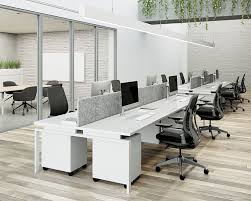
Computer desks come with cable management systems, keyboard trays, and monitor stands. They’re designed for comfort during long hours of computer use.
c. Executive Desks
These large and luxurious desks often feature rich wood finishes, ample drawers, and a professional appearance. Common in offices, they symbolize authority and organization.
d. Standing Desks
A modern innovation, standing desks allow users to alternate between sitting and standing positions, promoting better posture and reducing fatigue.
e. Corner Desks
Corner desks make efficient use of space, making them popular in small offices or study rooms. They provide plenty of workspace without occupying too much floor area.
f. Floating Desks
Mounted directly on walls, floating desks save space and offer a clean, contemporary look. They’re great for small apartments or minimalist setups.
Materials Used in Furniture, Tables, and Desks
The choice of material greatly influences the appearance, durability, and cost of furniture. Understanding the differences helps consumers make informed decisions.
1. Wood
Wood remains the most popular material for furniture due to its timeless appeal and strength. Hardwoods like oak, teak, and walnut are known for longevity, while softwoods like pine offer affordability and charm.
2. Metal
Metal furniture offers a sleek, modern look. It’s durable and easy to maintain, making it ideal for industrial and contemporary interiors.
3. Glass
Glass tables add a touch of elegance and openness to a room. They are commonly paired with metal or wooden frames for stability.
4. MDF and Particleboard
Medium-Density Fibreboard (MDF) and particleboard are budget-friendly alternatives to solid wood. They are often used in ready-to-assemble furniture and can be finished with laminates or veneers.
5. Plastic and Acrylic
Lightweight and easy to clean, plastic and acrylic furniture are popular for children’s rooms and outdoor use.
6. Stone and Marble
Marble and stone tables are luxurious choices that exude sophistication. Though heavy, they are durable and create a premium look.
Design Trends in Modern Furniture
The furniture industry constantly evolves with changes in technology, lifestyle, and design preferences. Here are some emerging trends in furniture, tables, and desks:
1. Minimalist and Scandinavian Design
Clean lines, neutral colors, and functional simplicity define the Scandinavian style. This design emphasizes practicality while maintaining elegance.
2. Sustainable and Eco-Friendly Furniture
With increasing environmental awareness, consumers are opting for furniture made from reclaimed wood, bamboo, and recycled materials. Manufacturers also focus on non-toxic finishes and sustainable production methods.
3. Smart Furniture
Technology integration has led to the rise of smart furniture. Desks with built-in charging ports, height-adjustable mechanisms, and cable organizers are becoming common.
4. Multi-Functional Furniture
Convertible tables and foldable desks cater to compact living spaces. A dining table might double as a workstation, while a coffee table could include hidden storage compartments.
5. Industrial and Rustic Styles
Exposed metal frames, distressed wood, and vintage aesthetics bring a rugged yet stylish feel to interiors.
6. Ergonomic Design
Especially for desks, ergonomics has become essential. Adjustable chairs, monitor risers, and proper desk height contribute to comfort and health during long work hours.
Ergonomics: The Science Behind Comfortable Furniture
Ergonomics focuses on designing furniture that supports human posture and reduces strain. Poorly designed tables and desks can cause back pain, eye strain, and fatigue.
1. Ideal Desk Height
A standard desk height ranges from 28 to 30 inches, ensuring that the user’s elbows rest comfortably at a 90-degree angle when typing or writing.
2. Chair and Desk Pairing
Choosing the right chair is as important as selecting the right desk. The combination should support the spine’s natural curve and allow feet to rest flat on the ground.
3. Monitor Placement
The top of the monitor should be at or slightly below eye level to reduce neck strain. Adjustable monitor stands or risers can help achieve this position.
4. Movement and Flexibility
Standing desks and sit-stand converters encourage movement throughout the day, preventing stiffness and promoting blood circulation.
How to Choose the Right Furniture for Your Space
Selecting the perfect furniture involves more than just aesthetics. Functionality, space, and lifestyle all play crucial roles.
1. Assess the Purpose
Identify how the furniture will be used. A dining table should be large enough for family gatherings, while a work desk should prioritize ergonomics and storage.
2. Measure the Space
Always measure your room before purchasing. Ensure there’s enough clearance for movement around the furniture.
3. Match the Style
Choose furniture that complements your interior theme—modern, rustic, industrial, or traditional.
4. Consider Material and Maintenance
Select materials that fit your environment and maintenance preferences. For example, metal and glass are easy to clean, while wood requires occasional polishing.
5. Prioritize Quality
Investing in high-quality furniture ensures longevity and better comfort. Look for solid construction, smooth edges, and sturdy joints.
The Importance of Sustainable Furniture
Sustainability is reshaping the furniture industry. Eco-conscious consumers now demand furniture made with minimal environmental impact.
1. Recycled and Renewable Materials
Manufacturers are increasingly using reclaimed wood, bamboo, and recycled metals to reduce deforestation and waste.
2. Non-Toxic Finishes
Low-VOC (Volatile Organic Compound) paints and finishes contribute to healthier indoor air quality.
3. Longevity and Repairability
Sustainable furniture focuses on durability and easy repair, reducing the need for frequent replacements.
4. Ethical Production
Companies are adopting fair labor practices and transparent sourcing, ensuring responsible production.
Furniture Care and Maintenance Tips
Proper care extends the life of your furniture and keeps it looking new.
-
Regular Cleaning: Dust tables and desks frequently using a soft cloth.
-
Avoid Moisture: Keep wooden furniture away from direct water contact.
-
Use Mats and Coasters: Protect surfaces from scratches and heat marks.
-
Reapply Finishes: Polish wooden furniture annually to preserve shine.
-
Check Screws and Joints: Tighten any loose components to maintain stability.
The Future of Furniture Design
The future of furniture lies at the intersection of innovation, sustainability, and personalization.
-
AI-Driven Design: Designers are using artificial intelligence to create ergonomic and visually appealing designs.
-
3D Printing: This technology allows custom furniture production with minimal waste.
-
Modular Living Solutions: Future homes will embrace adaptable furniture that can easily be reconfigured for different needs.
-
Smart Workstations: Desks equipped with sensors to track posture or adjust height automatically will become mainstream.
Conclusion
Furniture is an inseparable part of human life. Tables and desks, though simple in concept, define how we eat, learn, and work. From handcrafted wooden masterpieces to sleek, ergonomic workstations, furniture continues to evolve with time and technology.
Choosing the right table or desk is not merely about looks—it’s about creating comfort, efficiency, and harmony within your space. As we move toward a more sustainable and design-conscious future, thoughtful furniture choices can enhance our quality of life while supporting the planet.