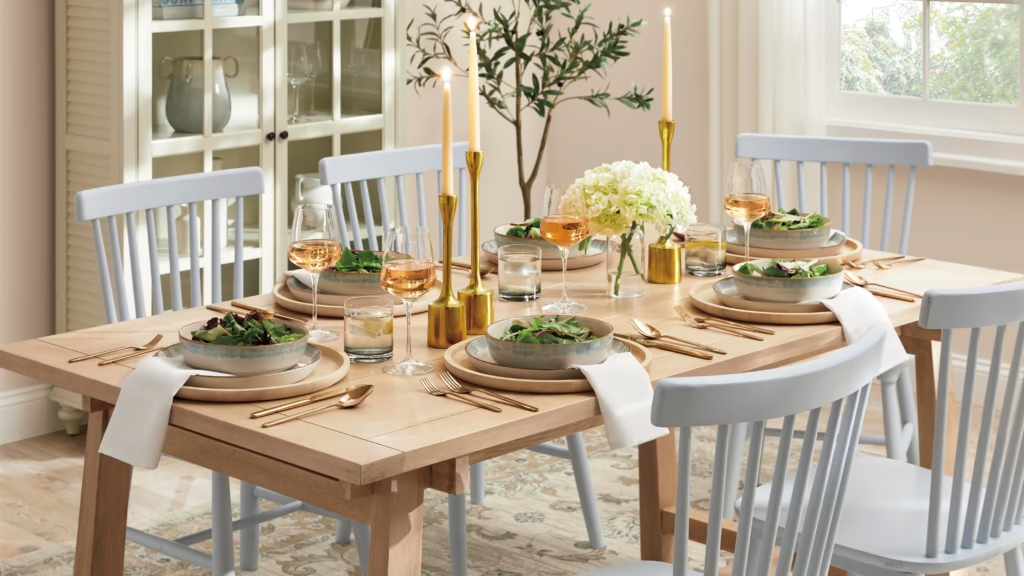
The kitchen is the heart of every home, and dinnerware plays a central role in connecting people through daily meals, celebrations, and family gatherings. Whether it’s the simplicity of everyday plates or the elegance of fine china, kitchen dinnerware has been an essential part of dining culture for centuries. Dinnerware is not only functional; it also contributes to the aesthetics of dining spaces, helping set the tone for mealtime and enhancing the overall dining experience.
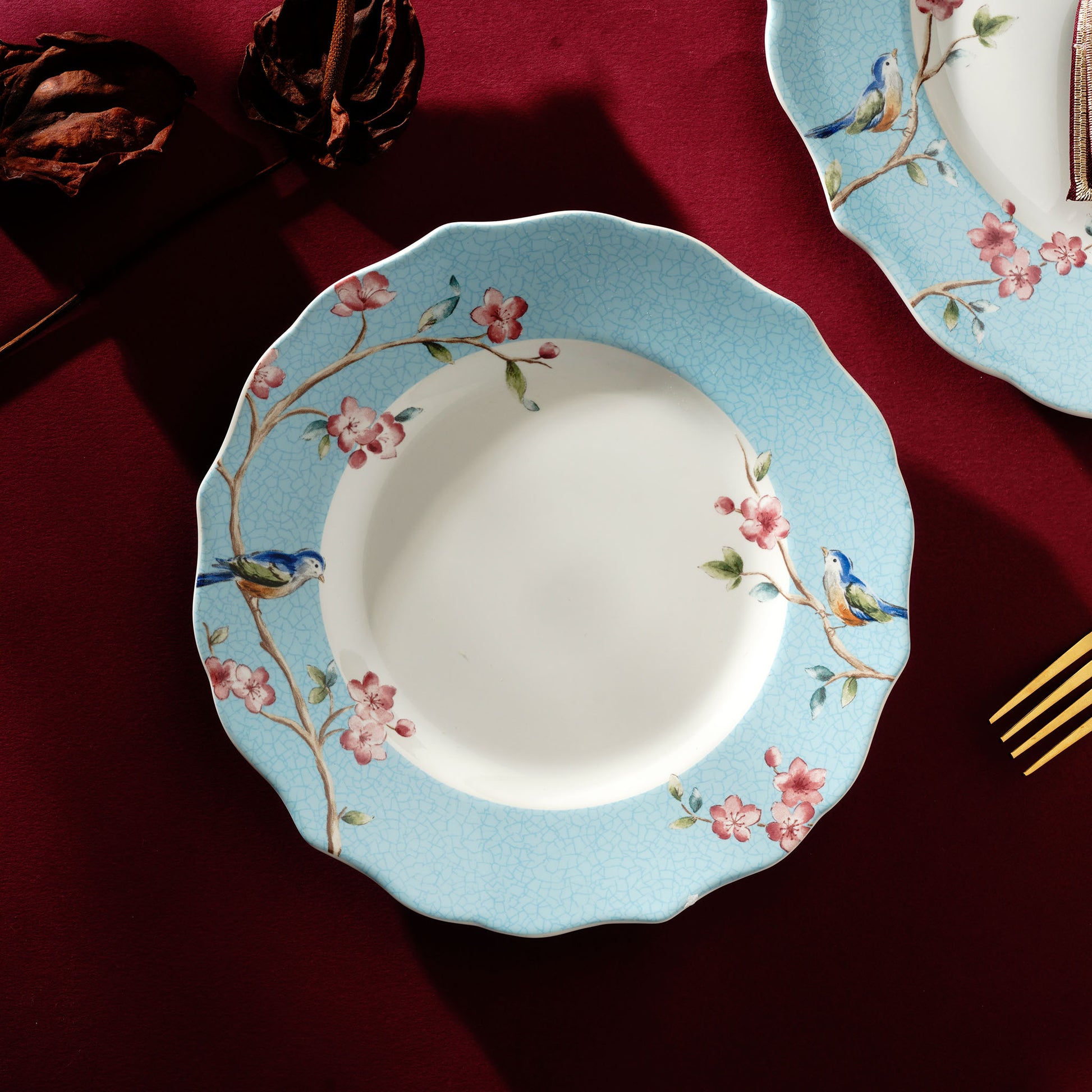
This comprehensive guide explores everything you need to know about kitchen dinnerware, including types, materials, styles, usage, buying tips, cultural significance, and the latest trends shaping modern kitchens.
1. Understanding Kitchen Dinnerware and Its Importance
Kitchen dinnerware includes the essential items used for serving and eating food. This category typically includes plates, bowls, cups, saucers, serving dishes, and more. Beyond practicality, dinnerware is an expression of personal style, culture, and hospitality.
1.1 Functionality in Daily Life
Every household relies on dinnerware for breakfast, lunch, dinner, and snacks. The right dinnerware makes meals more enjoyable, improves table presentation, and enhances convenience.
1.2 Contribution to Kitchen and Dining Aesthetic
From minimal, modern stoneware to traditional porcelain sets, dinnerware influences the visual appeal of your dining table. Colors, shapes, and textures play a significant role in complementing interior décor.
1.3 Cultural Significance
Dinnerware traditions differ across countries. Japanese tableware often features minimalist design with deep bowls, while European homes commonly use porcelain plates with intricate detailing.
1.4 Durability and Long-Term Use
High-quality dinnerware lasts through daily washing, stacking, and occasional mishandling. Choosing the right material determines its strength, heat resistance, and lifespan.
2. Types of Kitchen Dinnerware
Different types of dinnerware serve different purposes. Understanding these categories helps select the right pieces for everyday use or special occasions.
2.1 Plates
Plates come in various shapes and sizes, each designed for different dishes.
-
Dinner plates – Large plates for main courses
-
Salad plates – Smaller, versatile plates for salads or appetizers
-
Dessert plates – Compact plates for sweets or fruit
-
Side plates – Used for bread, snacks, or accompaniments
2.2 Bowls
Bowls are essential for soups, cereals, curries, pasta, and desserts.
Common types include:
-
Soup bowls
-
Cereal bowls
-
Pasta bowls
-
Ramen bowls
-
Dessert bowls
2.3 Cups and Mugs
Hot beverages like tea, coffee, or hot chocolate require specialized drinkware.
-
Coffee mugs
-
Tea cups with saucers
-
Espresso cups
2.4 Serving Dishes
Serving dinnerware enhances hospitality and presentation.
Examples include:
-
Platters
-
Large serving bowls
-
Gravy boats
-
Salad trays
2.5 Specialty Dinnerware
Some kitchens also include:
-
Sushi plates
-
Tacos stands
-
Fondue sets
-
Portion control plates
These pieces cater to specific cuisines or lifestyle needs.
3. Materials Used in Dinnerware Manufacturing
The material affects durability, weight, appearance, heat retention, and price.

3.1 Porcelain
Porcelain is popular for its bright, glossy finish and non-porous surface. It is lightweight yet durable and often used for fine dining.
3.2 Bone China
Bone china combines porcelain clay with bone ash, creating a lightweight, translucent, and premium material. It is known for elegance and strength.
3.3 Stoneware
Stoneware is thicker and heavier, offering rustic charm and durability. It is ideal for modern kitchens seeking earthy, matte finishes.
3.4 Earthenware
Earthenware is more porous and less durable but features artisanal, handcrafted looks. Often used for decorative table settings.
3.5 Melamine
Melamine dinnerware is lightweight, shatter-resistant, and perfect for outdoor dining or children’s meals.
3.6 Glass
Glass dinnerware offers a sleek, modern look and is easy to clean. Tempered glass options provide heat resistance.
3.7 Stainless Steel
In many Asian households, stainless steel is a preferred material due to its durability, hygiene, and timeless appeal.
3.8 Bamboo and Eco-Friendly Materials
Sustainable dinnerware made from bamboo fiber or recycled materials is gaining popularity for eco-conscious consumers.
4. Understanding Dinnerware Sets and Place Settings
Dinnerware is often sold individually or as part of a set.
4.1 Typical Dinnerware Set
A 16-piece set usually includes:
-
4 dinner plates
-
4 salad plates
-
4 bowls
-
4 mugs
4.2 Formal Place Settings
A formal dining setup may include:
-
Charger plates
-
Soup bowls
-
Salad plates
-
Bread plates
-
Tea cups and saucers
This arrangement suits events, celebrations, and elegant dining rooms.
4.3 Mix-and-Match Sets
Modern homes increasingly adopt mix-and-match styles for creative table settings. This trend encourages personalization and artistic expression.
5. Dinnerware Shapes and Their Impact on Dining
Shape plays a key role in functionality and aesthetics.
5.1 Round Dinnerware
Classic and versatile. Suitable for everyday meals and most cuisines.
5.2 Square Plates
Ideal for modern and contemporary dining. They enhance visual presentation.
5.3 Oval Plates
Common in fine dining restaurants where plating style matters.
5.4 Deep Bowls
Perfect for broth-based dishes like ramen, noodles, and soups.
5.5 Coupe vs. Rim Plates
-
Rim plates have raised edges for traditional dining.
-
Coupe plates have smooth edges and a minimalist appeal.
6. Dinnerware and Food Presentation
Dinnerware influences food appearance, appetite, and dining atmosphere.
6.1 Color Theory in Dinnerware
-
White plates enhance food colors and suit all cuisines.
-
Black dinnerware adds drama but may show scratches.
-
Earthy tones create a cozy, warm table setting.
-
Bold colors bring energy to casual meals.
6.2 Impact on Appetite
Studies show that plate color can affect perceived portion size and appetite, particularly in children.
6.3 Texture and Finish
-
Matte finishes give a modern, minimal look.
-
Glossy finishes enhance brightness and are easier to clean.
6.4 Cultural Presentation Styles
-
Japanese cuisine uses multiple small bowls.
-
Mediterranean cuisine prefers large shared platters.
-
Indian meals often use stainless-steel thalis.
7. Dinnerware for Different Occasions
Different events call for different types of dinnerware.
7.1 Everyday Use
Durable, lightweight materials like stoneware, porcelain, or melamine are preferred.
7.2 Formal Events
Bone china, porcelain, and fine ceramics elevate table aesthetics.
7.3 Outdoor Dining
Melamine or stainless steel works best due to break resistance.
7.4 Kids’ Dining
Plastic, silicone, or melamine ensures safety and easy handling.
7.5 Cultural or Theme Nights
Ethnic-specific dinnerware enhances authenticity, such as Japanese sushi sets or Italian pasta bowls.
8. Current Trends in Kitchen Dinnerware
Dinnerware trends change with evolving kitchen aesthetics.
8.1 Minimalism
Neutral shades, simple shapes, and matte textures.
8.2 Organic and Handmade Designs
Handcrafted pottery, uneven edges, and natural tones.
8.3 Sustainable and Eco-Friendly Dinnerware
Bamboo, recycled glass, and biodegradable materials.
8.4 Reactive Glaze
Unique patterns created through glazing techniques—popular in modern dining.
8.5 Layered Table Settings
Combining multiple plates, bowls, and textures for artistic arrangements.
8.6 Fusion of Modern and Traditional
Mixing classic porcelain with contemporary stoneware.
9. How to Choose the Right Dinnerware for Your Kitchen
Selecting dinnerware involves considering lifestyle, household size, and aesthetic preferences.
9.1 Purpose
Formal vs. casual dining.
9.2 Durability
Consider dishwasher and microwave compatibility.
9.3 Aesthetic Preference
Match the kitchen interior—rustic, modern, minimal, or traditional.
9.4 Storage Space
Heavy, oversized sets require more storage.
9.5 Budget
Dinnerware options exist across a wide price range.
9.6 Maintenance
Porcelain requires less maintenance than earthenware.
9.7 Safety
Ensure materials are food-safe and non-toxic.
10. Dinnerware Care and Maintenance Tips
10.1 Washing
Use mild detergent; avoid abrasive scrubbers on delicate materials.
10.2 Stain Removal
Baking soda or vinegar removes tough stains on ceramic or porcelain.
10.3 Stacking
Use felt protectors between plates to avoid scratches.
10.4 Storing Fine China
Store upright or with padding to prevent chipping.
10.5 Avoid Thermal Shock
Do not move dinnerware directly from freezer to microwave.
11. Environmental & Health Considerations in Dinnerware
11.1 Lead-Free and Non-Toxic Materials
Ensure glazes comply with food safety standards.
11.2 Sustainable Materials
Reusable, biodegradable, environmentally friendly options are on the rise.
11.3 Long-Life Designs
Durable dinnerware reduces waste and supports long-term use.
12. Cultural Influence of Dinnerware Around the World
Dinnerware reflects cultural identity and dining traditions.
12.1 Asian Dinnerware
Deep bowls, lacquerware trays, chopstick rests, and compartment plates.
12.2 Middle Eastern & Mediterranean Styles
Intricate patterns, bold colors, and shared serving platters.
12.3 Western Dinnerware
Classic round plates, multi-piece place settings, and elegant serveware.
13. Dinnerware Innovations and Technology
Technology is reshaping how dinnerware is designed and used.
13.1 Heat-Retaining Plates
New materials maintain food temperature longer.
13.2 Chip-Resistant Ceramics
Advanced formulations increase durability.
13.3 Smart Dinnerware
Some modern plates can measure calorie portions or track food intake—an emerging trend.
14. Dinnerware and Modern Kitchen Design
Dinnerware now plays a role in open-concept kitchens and visible shelving.
14.1 Displaying Dinnerware
Open shelves showcase ceramics as décor.
14.2 Color Coordination
Matching dinnerware with kitchen walls, countertops, or backsplashes.
14.3 Minimal Storage Solutions
Slim, stackable sets optimize space in small kitchens.
12. Cultural Significance of Dinnerware in Global Culinary Traditions
Dinnerware has been part of human culture for thousands of years. While modern kitchens often focus on efficiency and function, the deeper cultural heritage behind plates, bowls, and serving sets adds meaning to daily meals. Around the world, different communities use specific types of tableware based on tradition, material availability, and social customs.
12.1 Asian Dinnerware Traditions
Many Asian households use porcelain bowls, chopstick rests, bamboo trays, ceramic plates, and lacquerware. In countries like Japan, each dish has a dedicated bowl or plate shape, emphasizing presentation and balance. Small dipping bowls for sauces, ramen bowls for noodles, and delicate sushi plates reflect the cultural importance of aesthetics in Japanese cooking.
In China, porcelain dinnerware has a long history, with blue-and-white patterns symbolizing harmony and elegance. Chinese table settings often include round plates to promote unity among diners. Korean homes commonly use stainless-steel chopsticks and bowls, which reflect historical practices of durability and hygiene.
12.2 Middle Eastern and Mediterranean Tableware
Mediterranean kitchens often use clay bowls, earthenware plates, and hand-painted ceramic platters. These warm, earthy materials complement dishes like mezze, grilled meats, and shared platters. Middle Eastern homes frequently use large serving trays and communal dishes, highlighting the value of hospitality and family-style dining.
12.3 European Dinnerware Artistry
Europe is known for its craftsmanship in bone china, crystal glassware, and fine porcelain. Italian ceramic dinnerware often features vibrant colors and floral motifs, while French faience pottery showcases delicate pastel designs. British bone china continues to be valued for its lightweight durability and refined appearance.
12.4 African and Latin American Influences
African cultures use wooden plates, woven mats, and hand-crafted bowls from natural materials like gourd, clay, or bamboo. These materials symbolize closeness to nature and tradition. Latin American dinnerware often features rustic terracotta bowls and traditional painted ceramics, bringing warmth to dining experiences.
Through these global variations, it becomes clear that dinnerware is not merely functional—it is deeply connected to heritage, identity, and culinary storytelling.
13. The Psychology of Dinnerware in Everyday Dining Experiences
Dinnerware influences how individuals perceive meals, interact with food, and enjoy the dining environment. In home décor and kitchen design, the psychology of color, shape, and texture plays an important role in creating a pleasant atmosphere.
13.1 Color and Appetite
Researchers have found that certain colors affect appetite and mood.
-
White dinner plates enhance the presentation of colorful dishes.
-
Blue plates may reduce overeating, as blue is not a common food color and can moderate appetite.
-
Red and yellow dinnerware can stimulate hunger and energy, making them common in lively kitchens.
Neutral tones such as beige, cream, or gray create calm dining environments, complementing minimalist and modern home décor.
13.2 Shape and Plate Geometry
The shape of dinnerware influences food portions and dining comfort.
-
Round plates provide a classic, balanced appearance.
-
Square plates give a contemporary feel and visually enhance geometric food presentations.
-
Shallow bowls are ideal for pasta or stir-fry dishes, while deep bowls suit soups and broths.
The geometry of dinnerware plays a subtle role in elevating everyday meals.
13.3 Texture and Sensory Experience
Smooth porcelain plates offer a clean, polished feel, while textured stoneware creates a rustic, warm ambiance. Matte glazes evoke a modern aesthetic, while glossy surfaces highlight color vibrance. The tactile experience of dinnerware contributes to the emotional comfort of dining.
14. Matching Dinnerware with Kitchen Interior Styles
Dinnerware is a central element of kitchen styling. Whether the décor is traditional, modern, rustic, or eclectic, the right dinner set enhances the visual harmony of the entire space.
14.1 Modern and Minimalist Kitchens
Minimalist kitchens favor simple lines, neutral palettes, and clutter-free surfaces.
Ideal dinnerware options include:
-
Matte black plates
-
White porcelain sets
-
Sleek stoneware bowls
-
Uniform, stackable collections
These pieces maintain the clean aesthetic associated with contemporary interior design.
14.2 Rustic and Farmhouse Kitchens
Farmhouse kitchens integrate wood, warm colors, and vintage motifs.
Suitable dinnerware includes:
-
Earth-toned stoneware
-
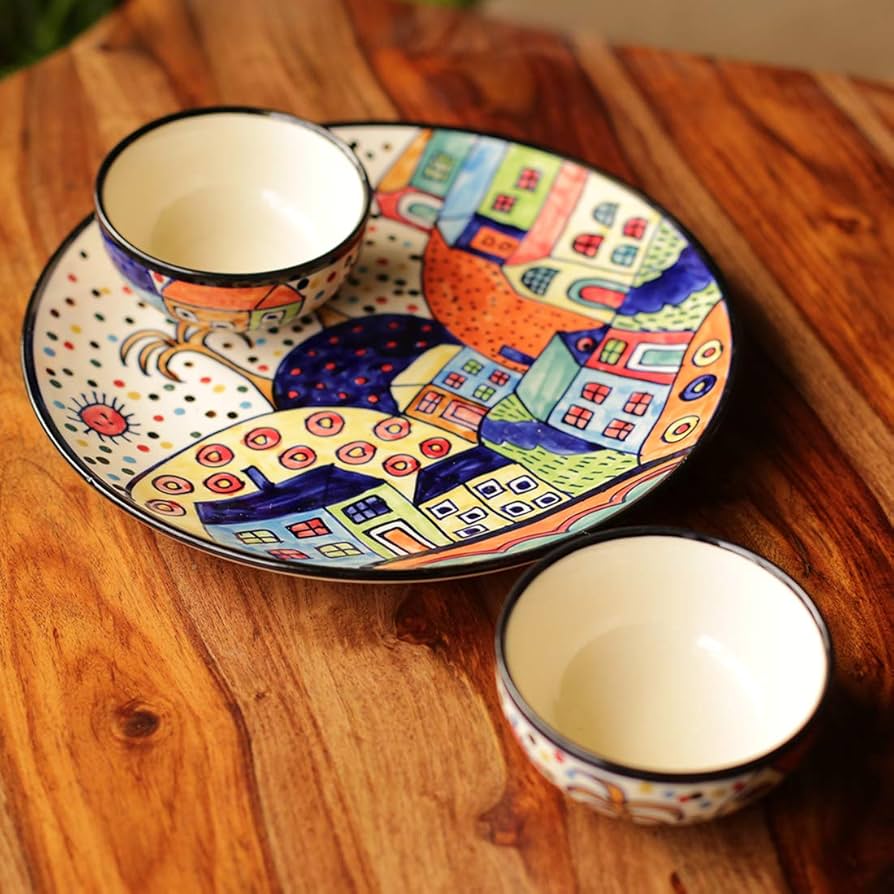
Hand-painted pottery
-
Natural ceramic dishes
-
Speckled glaze plates
These add warmth and homeliness to a rustic kitchen space.
14.3 Industrial Kitchens
Industrial style uses exposed metal, concrete textures, and monochrome accents.
Compatible dinnerware includes:
-
Charcoal gray plates
-
Metal-toned tableware
-
Minimalist ceramic bowls
-
Glass or textured dinner plates
These choices complement the raw, modern edge of industrial décor.
14.4 Traditional and Classic Kitchens
Classic kitchens use detailed woodwork, rich colors, and elegant features.
Matching dinnerware styles include:
-
Floral patterned plates
-
Gold-rimmed porcelain
-
Traditional bone china
-
Vintage-inspired serveware
These elevate a formal dining atmosphere.
15. The Role of Dinnerware in Hospitality and Social Dining
Dinnerware contributes significantly to hospitality, whether at home or in restaurants. The presentation of dishes on appropriate plates enhances visual appeal, improves guest satisfaction, and creates memorable experiences.
15.1 Family Gatherings
During family meals, versatile dinner sets accommodate shared dishes and varying food types. Serving platters, salad bowls, appetizer plates, and soup bowls encourage communal dining and togetherness.
15.2 Festive Celebrations
Special occasions often require more decorative dinnerware, such as:
-
Patterned plates for holidays
-
Metallic-accented dishes for celebrations
-
Theme-based dinner sets for cultural festivals
These help reinforce the festive mood.
15.3 Formal Dining Settings
Formal dinners rely on multi-piece place settings, including bread plates, dessert dishes, soup bowls, and coordinated flatware. The arrangement reflects etiquette and sophistication.
15.4 Casual and Everyday Meals
Everyday meals benefit from lightweight, durable, and easy-to-clean tableware. Stackable sets and dishwasher-safe materials enhance convenience without compromising style.
16. Practical Challenges and Solutions for Dinnerware Use in Modern Kitchens
Modern families face various challenges related to storing, cleaning, and organizing dinnerware. Understanding how to manage these issues helps maintain an efficient, clutter-free kitchen.
16.1 Limited Storage Space
Smaller kitchens require compact solutions such as:
-
Nesting bowls
-
Stackable plates
-
Wall-mounted shelves
-
Organized cabinets with plate holders
Space-saving dinnerware ensures ease of access and reduces clutter.
16.2 Dishwasher Compatibility
Not all dinnerware suits dishwashers. Porcelain and many ceramic sets are usually safe, while hand-painted or metallic-rimmed dishes may require handwashing. Choosing dishwasher-safe materials simplifies daily routines.
16.3 Breakage Concerns
Accidental drops are common in busy kitchens. Durable materials like melamine, stainless steel, or tempered glass reduce the risk of breakage. For households with children, lightweight plastic or resilient bamboo dinnerware is practical.
16.4 Heat and Microwave Resistance
Microwave-safe and oven-safe dinnerware supports reheating and baking. Stoneware and porcelain typically perform well, while some plastics and melamine are not suitable for high heat. Checking manufacturer labels ensures safe use.
17. Sustainability and Eco-Friendly Trends in Dinnerware
As environmental concerns grow, eco-friendly kitchen choices have become increasingly popular. Sustainable dinnerware reflects a commitment to greener living and responsible consumption.
17.1 Natural and Biodegradable Materials
Eco-friendly dinnerware may include:
-
Bamboo fiber bowls
-
Wheat straw plates
-
Palm leaf disposable plates
-
Clay and earthenware
These materials decompose naturally and reduce plastic waste.
17.2 Recycled Glass and Upcycled Ceramics
Recycled glass plates and upcycled ceramic designs reduce landfill waste. They also offer unique textures and color patterns.
17.3 Ethically Produced Handcrafted Dinnerware
Artisanal products made through ethical labor practices support local communities and traditional craftsmanship. Handcrafted pottery contributes to cultural preservation.
17.4 Long-Lasting Materials
Durability itself is a form of sustainability. High-quality dinnerware that lasts for years reduces the need for frequent replacements.
18. Innovations and Technology in Modern Dinnerware Design
Contemporary dinnerware is undergoing transformation due to advancements in manufacturing, design, and material science.
18.1 Chip-Resistant and Break-Resistant Technology
Tempered ceramic and reinforced porcelain offer improved durability. Many modern dinner plates are engineered to withstand high impact and daily use.
18.2 Heat-Resistant and Thermal Shock Solutions
Some dinnerware is designed to resist sudden temperature changes, making it suitable for oven-to-table use. This enhances both convenience and safety.
18.3 Non-Toxic and Food-Safe Materials
Consumers now seek BPA-free plastics, lead-free glazes, and toxin-free coatings. Advanced materials ensure that plates remain safe for everyday meals.
18.4 Smart Dinnerware Concepts
Technological innovation has inspired concepts such as:
-
Temperature-retaining plates
-
Smart coasters with built-in sensors
-
Interactive serving dishes for modern dining
While still emerging, these ideas show how dinnerware might evolve in the future.
19. Professional Tips for Selecting the Best Dinnerware for Your Kitchen
Experts in interior design and culinary arts consider several elements when choosing tableware for homes or restaurants.
19.1 Prioritize Versatility
White or neutral-colored plates suit various cuisines and presentation styles. They work equally well for breakfast, formal dinners, or casual meals.
19.2 Consider Everyday Usability
A visually attractive dinner set must also be easy to handle, clean, and store. Avoid overly heavy dishes if daily handling is required.
19.3 Mix and Match for Creative Settings
Combining different textures or colors creates artistic table settings. For example:
-
Pairing stoneware dinner plates with porcelain serveware
-
Mixing matte bowls with glossy plates
-
Using patterns sparingly to avoid visual clutter
19.4 Balance Durability and Aesthetics
Families with children or high-traffic kitchens may prefer chip-resistant materials, while those hosting formal events may invest in fine china.
19.5 Evaluate Plate Size for Cabinet Fit
Oversized dinner plates may not fit standard kitchen cabinets. Checking dimensions avoids storage complications.
Conclusion
Kitchen dinnerware is more than a collection of plates and bowls—it is a reflection of culture, taste, lifestyle, and functionality. From everyday meals to special events, the right dinnerware elevates the dining experience, supports aesthetic harmony, and contributes to a welcoming kitchen environment. Understanding materials, styles, trends, and care techniques helps create a practical and visually appealing dinnerware collection for any home.