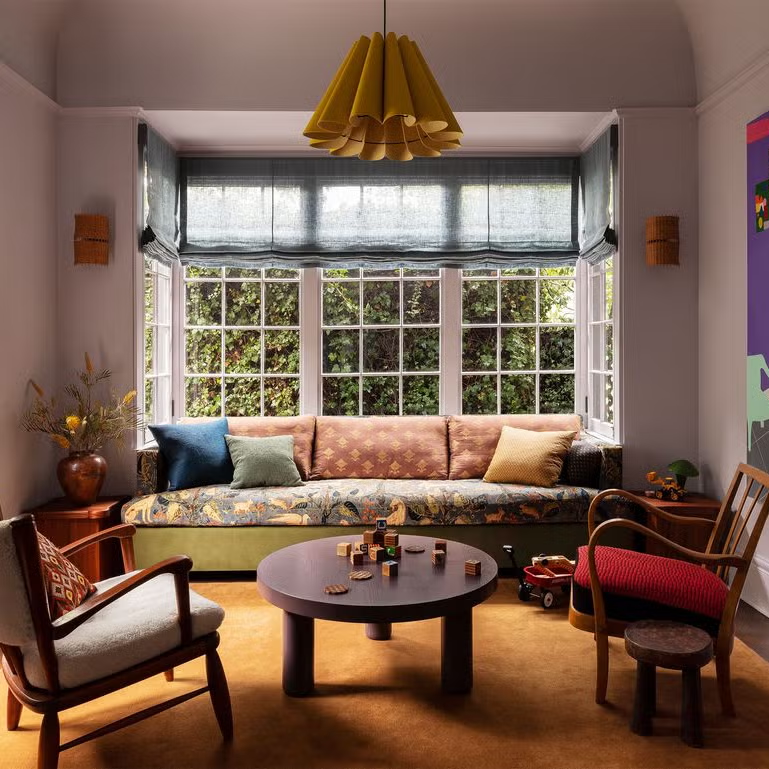
Home décor is more than just arranging furniture or selecting colors—it is about shaping an atmosphere that reflects comfort, style, and personal identity. Among the many elements that define interior design, carpets and mats play an essential role. They contribute warmth, texture, safety, and aesthetic balance to any living or working space. Whether placed in a living room, hallway, entrance, bathroom, or office, carpets and mats are practical furnishings that influence how a room feels and functions.
This comprehensive guide explores the significance of carpets and mats in home décor, their history, their functional benefits, different types, materials, styles, maintenance techniques, and how they continue to shape interior spaces around the world.
1. The Importance of Home Décor and Soft Furnishings
Home décor involves selecting and arranging objects, color palettes, textiles, and materials to create a harmonious living environment. Every detail—from wall art to lighting—contributes to a unified interior theme. Soft furnishings, especially carpets and mats, are among the most powerful decorative components because they combine visual appeal with functionality.
1.1 Enhancing Comfort and Warmth
Carpets add softness underfoot, making rooms feel comfortable and inviting. Homes in colder climates particularly benefit from carpeting, as it provides insulation and helps retain heat.
1.2 Adding Style and Character
Patterns, colors, textures, and woven designs can transform plain floors into expressive surfaces. A carefully selected carpet can serve as a focal point or complement the room’s color scheme.
1.3 Improving Safety
Mats reduce the risk of slipping, making them essential in bathrooms, kitchens, entryways, and outdoor areas. Anti-skid mats play a crucial role in preventing accidents.
1.4 Enhancing Acoustics
Carpets and rugs absorb sound, helping to reduce noise levels in busy households or office environments. This is especially helpful in multi-story buildings.
1.5 Completing the Interior Look
Textiles unify the elements in a room—furniture, colors, lighting, and flooring. Without carpets or mats, rooms may feel empty or unfinished.
2. A Brief History of Carpets and Mats in Interior Design
Carpets have ancient origins. They were used by civilizations across Asia, the Middle East, Africa, and Europe thousands of years ago.
2.1 Early Beginnings
The oldest known carpet, the Pazyryk Carpet, dates back to the 5th century BC. Created in Central Asia, it features intricate patterns and craftsmanship. Nomadic tribes used woven carpets for warmth and decoration.
2.2 Persian and Oriental Carpets
Persian rugs are renowned for their detailed craftsmanship, symbolic motifs, and high-quality wool. They remain a timeless choice for luxury interiors.
2.3 Industrial Revolution
With the rise of industrial production, carpets and mats became widely accessible. Machine-made designs introduced affordability and consistency in quality.
2.4 Modern Era
Today, carpets and mats are available in a wide range of materials, including synthetic fibers, natural fibers, recycled textiles, and blended fabrics. Modern manufacturing allows for endless patterns, colors, and textures.
3. Types of Carpets and Mats Used in Home Décor
There are many types of carpets and mats, each suited for specific rooms and purposes. Understanding these options helps homeowners choose the right design for their space.
3.1 Area Rugs
Area rugs are versatile and can be placed in living rooms, bedrooms, dining areas, or hallways. They help define spaces and add color and comfort.
Common styles include:
-
Persian rugs
-
Kilim rugs
-
Moroccan rugs
-
Modern geometric rugs
-
Shaggy rugs
3.2 Wall-to-Wall Carpeting
This carpeting covers the entire floor of a room. It is ideal for bedrooms, home theaters, and family rooms.
Benefits:
-
Enhanced insulation
-
Soft underfoot feel
-
Noise reduction
3.3 Door Mats
Placed at entrances, door mats help remove dust, dirt, and moisture from footwear.
Types:
-
Coir mats (made from coconut fibers)
-
Rubber mats
-
Synthetic fiber mats
-
Outdoor mats with drainage features
3.4 Kitchen Mats
Kitchen mats reduce fatigue during long cooking sessions and prevent slipping on wet floors.
Popular options:
-
Anti-fatigue mats
-
PVC mats
-
Water-resistant mats
3.5 Bathroom Mats
Bathroom mats absorb water and enhance safety by preventing slips.
Types include:
-
Microfiber mats
-
Non-slip rubber-backed mats
-
Quick-drying mats
3.6 Hallway Runners
Long and narrow rugs placed in corridors, entrances, or staircases.
Benefits:
-
Protect floors
-
Reduce noise
-
Add visual interest
3.7 Yoga and Exercise Mats
Used for workouts, meditation, and stretching exercises.
Materials include:
-
PVC
-
Rubber
-
EVA foam
-
Cork
4. Materials Used in Carpets and Mats
The quality, durability, texture, and maintenance requirements of carpets depend on their material. Below are common materials used in the production of carpets and mats.
4.1 Wool
A natural fiber known for its softness, durability, and insulating properties. Wool rugs are long-lasting and resist stains naturally.
4.2 Cotton
Cotton mats are lightweight, washable, and soft, making them suitable for kitchens and bathrooms.
4.3 Polyester
A synthetic fiber known for its vibrant colors and affordability. Polyester carpets are stain-resistant but may flatten over time.
4.4 Nylon
Nylon is strong, resilient, and easy to clean. It is commonly used in high-traffic areas like hallways and offices.
4.5 Polypropylene (Olefin)
Water-resistant, budget-friendly, and ideal for outdoor use. It is also used in mats for kitchens and bathrooms.
4.6 Jute and Sisal
Natural plant fibers that add earthy texture to interiors. These are eco-friendly but less resistant to moisture.
4.7 Rubber
Often used in anti-slip mats, gym mats, and industrial spaces.
4.8 Blended Fibers
Many modern carpets combine synthetic and natural fibers for enhanced performance, durability, and style versatility.
5. Design Elements That Influence Carpet and Mat Selection
Selecting the right carpet or mat involves understanding color theory, room size, patterns, textures, and overall design themes.
5.1 Color
Light colors make a room feel larger, while dark shades add depth and richness. Bold patterns can create visual interest, while neutral tones provide balance.
5.2 Texture
High-pile rugs offer softness, while low-pile and flat-weave carpets are easier to clean. Textured patterns add warmth and dimension.
5.3 Pattern and Style
Designs include:
-
Traditional floral motifs
-
Contemporary abstracts
-
Minimalist monochrome
-
Ethnic and tribal prints
-
Geometric patterns
5.4 Size and Proportion
A correctly sized carpet anchors furniture and creates harmony. For example:
-
Living room rugs should extend under furniture.
-
Bedroom rugs should reach beyond the bed.
-
Hallway runners should leave a few inches of visible floor on each side.
5.5 Safety Features
Anti-skid backing, flame resistance, and moisture control are essential for bathrooms, kitchens, and children’s rooms.
6. Carpets & Mats in Different Rooms of the Home
Each room requires a specific type of carpet or mat based on usage and aesthetic goals.
6.1 Living Room
Area rugs define seating zones and add warmth. Plush rugs, Persian designs, and elegant patterns complement sofas and coffee tables.
6.2 Bedroom
Soft, warm rugs enhance coziness. Popular choices include shag rugs, wool rugs, and bedside runners.
6.3 Kitchen
Anti-fatigue mats and water-resistant mats keep the floor safe and comfortable during cooking.
6.4 Bathroom
Non-slip mats are essential. Quick-drying microfiber or rubber-backed mats prevent accidents.
6.5 Hallway
Durable runners made from nylon or synthetic fibers are ideal for heavy foot traffic.
6.6 Entryway
Door mats made from coir, rubber, or synthetic fibers trap dirt and protect indoor flooring.
6.7 Balcony/Outdoor Areas
Outdoor mats made from polypropylene or rubber withstand rain, sunlight, and dust.
7. Benefits of Using Carpets and Mats in Home Décor
Carpets and mats offer numerous practical and aesthetic advantages.
7.1 Comfort
Soft materials offer cushioning and reduce foot fatigue.
7.2 Protection
They protect hardwood floors, tiles, and laminate from scratches, stains, and impact.
7.3 Noise Reduction
Carpets act as natural sound absorbers, making rooms quieter.
7.4 Aesthetic Appeal
Patterns, textures, and colors enhance interior themes.
7.5 Safety
Anti-slip mats prevent accidents in wet or slippery areas.
7.6 Temperature Control
Carpets help retain heat in winter and improve energy efficiency.
8. Current Trends in Carpets and Mats for Home Décor
Interior design trends evolve over time, influencing how homeowners choose carpets and mats.
8.1 Eco-Friendly Carpets
Sustainable materials like jute, bamboo, recycled plastic, and organic cotton are increasingly popular.
8.2 Minimalist and Neutral Tones
Beige, gray, cream, and earthy tones offer a calming, modern look.
8.3 Bold Geometric Patterns
Geometric shapes and artistic prints are trending in modern homes.
8.4 Layered Rugs
Using multiple rugs in one space adds depth and visual interest.
8.5 Handcrafted and Artisanal Designs
Handwoven and handmade carpets highlight craftsmanship and cultural heritage.
8.6 Smart Mats
Anti-fatigue, anti-microbial, and water-absorbent mats bring innovation to functional spaces.
9. How to Choose the Right Carpet or Mat
Consider these factors before making a selection:
9.1 Purpose
Is the mat for decoration, safety, comfort, or function?
9.2 Foot Traffic
High-traffic areas need durable materials and low-pile designs.
9.3 Room Size
Measure carefully to ensure proper fit and balance.
9.4 Material
Choose natural fibers for luxury, synthetic fibers for affordability, and rubber for safety.
9.5 Maintenance
Some carpets require more care—always consider cleaning needs.
9.6 Budget
Quality carpets are available in all price ranges; prioritize durability and practicality.
10. Care and Maintenance Tips for Carpets and Mats
Proper maintenance extends the life of carpets and mats.
10.1 Regular Vacuuming
Weekly vacuuming removes dust and allergens.
10.2 Immediate Stain Removal
Address spills quickly using mild detergent or natural cleaners like vinegar.
10.3 Deep Cleaning
Steam cleaning or professional cleaning once a year helps maintain freshness.
10.4 Rotation
Rotating rugs prevents uneven wear and fading.
10.5 Avoid Sun Damage
Use curtains or blinds to protect carpets from direct sunlight.
10.6 Proper Drying
After washing mats, ensure they dry completely to prevent mold.
11. The Future of Carpets and Mats in Interior Design
The future of carpets and mats is moving toward innovation, sustainability, and customization. Technological advancements are introducing:
-
Anti-bacterial materials
-
Stain-resistant coatings
-
Custom-printed rugs
-
Recycled and biodegradable materials
As sustainability becomes a priority, eco-conscious consumers increasingly choose environmentally responsible options.
12. Cultural Influences in Carpets & Mats Around the World
Carpets and mats reflect centuries of tradition and cultural identity. Across continents, various weaving methods, motifs, and color choices symbolize heritage and craftsmanship. Understanding these cultural influences enriches home décor by adding meaning and authenticity to interior spaces.
12.1 Middle Eastern and Persian Carpets
Persian carpets are considered some of the most valuable and artistic floor coverings in the world. Known for their fine wool, natural dyes, and intricate knotting techniques, these carpets often display floral patterns, medallions, geometric borders, and symbolic motifs. In interior design, a Persian rug can instantly elevate a living room or dining space with a sense of elegance and historical depth.
12.2 Indian Handwoven Rugs
India is known for its dhurries, Kashmiri carpets, and handloom mats. Dhurries are flat-woven rugs often made of cotton or wool, featuring bold stripes, tribal patterns, and vivid colors. Kashmiri carpets are famous for their elaborate designs and silk-like texture. Indian weaving traditions highlight the importance of handmade artistry in home décor, bringing warmth and originality into modern homes.
12.3 Turkish and Anatolian Rugs
Turkish rugs are celebrated for their double-knot weaving and sophisticated patterns. Traditional Anatolian mats include religious symbols, tribal motifs, and bold colors that make them highly desired for contemporary and rustic interiors alike. These rugs add character and visual richness to any room.
12.4 Moroccan Rugs
Moroccan Berber rugs, especially the Beni Ourain style, have gained immense popularity in minimalist and Scandinavian interiors. They typically feature neutral colors with simple geometric lines, giving a cozy and modern touch. Their plush wool texture makes them perfect for bedrooms and lounge areas.
12.5 East Asian and Japanese Mats
Japan is known for tatami mats, natural floor coverings made from woven straw. These mats symbolize simplicity, natural materials, and clean aesthetics—key elements of Japanese interior design. Tatami mats promote calmness, making them popular in meditation rooms and zen-inspired home décor.
12.6 African Textiles and Mats
Various African communities create mats from palm leaves, sisal, and natural fibers. Their bold geometric shapes, vibrant colors, and handmade patterns reflect tribal heritage. These pieces bring personality and authenticity to eclectic and bohemian interiors.
13. How Carpets and Mats Influence Interior Design Themes
Carpets and mats help establish the mood and character of interior spaces. They blend style with practicality, influencing the overall décor theme.
13.1 Modern and Minimalist Themes
Minimalist homes favor neutral rugs, low-pile carpeting, and simple designs. The focus is on clarity, clean lines, and a clutter-free environment. A monochrome area rug, for example, brings cohesion without overpowering other décor elements.
13.2 Traditional Themes
Traditional interiors often use Persian, Oriental, or classical patterned carpets. These rugs complement dark wood furniture, detailed moldings, and formal layouts, adding sophistication and warmth.
13.3 Rustic and Farmhouse Themes
Natural fiber rugs such as jute and sisal suit rustic décor. Their coarse texture and earthy tones balance wooden furniture and organic materials commonly seen in farmhouse interiors.
13.4 Bohemian and Eclectic Themes
Layered rugs, vibrant colors, ethnic prints, and textured mats are staples of eclectic décor. They help create cozy, relaxed, and creative spaces full of personality.
13.5 Scandinavian Themes
Scandinavian design embraces simplicity, warmth, and functionality. Soft wool rugs, neutral shades, and geometric patterns support this style. Mats in muted tones help create inviting and peaceful atmospheres.
13.6 Industrial Themes
In industrial homes, rugs with darker palettes, distressed finishes, or abstract patterns balance raw materials like concrete and metal. Mats add softness to an otherwise rugged décor.
14. The Psychological Impact of Carpets & Mats in Home Décor
Carpets and mats influence emotional well-being and the atmosphere of a room. Their texture, color, and placement contribute to how people feel in a space.
14.1 Creating a Sense of Comfort
Soft textures help people relax after a long day. High-pile rugs or thick floor mats are often placed in bedrooms and lounges to evoke coziness and restfulness.
14.2 Color Psychology
Color directly impacts mood:
-
Blue and green create calmness.
-
Earth tones promote relaxation.
-
Bright colors energize a room.
-
Neutral shades provide balance and harmony.
Choosing carpet colors intentionally can transform the ambiance of any area.
14.3 Reducing Stress
Rugs with soft fibers or natural materials create a grounded feeling. Placing yoga mats in meditation corners or calm spaces helps encourage mindfulness and stress relief.
14.4 Making Large Rooms Feel Intimate
Carpets break up large spaces, offering visual boundaries that make expansive rooms feel cozy instead of empty.
15. Practical Considerations for Using Carpets & Mats in Everyday Living
Beyond aesthetics, carpets and mats must suit the realities of daily life. Whether you share your home with children, pets, or elderly family members, practical flooring solutions are essential.
15.1 Child-Friendly Choices
Families with young children benefit from:
-
Soft rugs for safe play
-
Washable cotton mats
-
Bright colors for stimulating environments
-
Hypoallergenic materials
Carpets reduce the impact of falls and provide comfortable areas for crawling and playtime.
15.2 Pet-Friendly Carpeting
Pets often leave hair, paw prints, and scratches. Homeowners may choose:
-
Low-pile carpets
-
Stain-resistant fibers
-
Darker colors or patterned designs
-
Easy-to-clean mats
This combination helps maintain cleanliness and durability.
15.3 Support for Elderly Users
Older adults benefit from:
-
Anti-slip mats
-
Firm, low-pile carpets that prevent tripping
-
Mats with stable, rubber backing
-
Carpets that reduce impact and noise
Floor safety plays a major role in senior-friendly interior design.
15.4 Allergy Considerations
For allergy-sensitive individuals, low-pile carpets or anti-microbial mats help reduce dust accumulation. Regular cleaning routines are crucial.
16. Environmental Impact and Sustainability in Carpets & Mats
Sustainable home décor is becoming increasingly important. Eco-conscious consumers seek flooring options with minimal environmental impact.
16.1 Natural Fiber Carpets
Materials like jute, sisal, coir, bamboo, cotton, and wool are biodegradable and renewable. These fibers reduce reliance on petrochemical-based products.
16.2 Recycled Materials
Many modern carpets are made from:
-
Recycled plastic bottles
-
Recycled nylon
-
Upcycled fabric scraps
These practices reduce waste and support circular design principles.
16.3 Eco-Friendly Production Processes
Some manufacturers use:
-
Low-VOC dyes
-
Water-efficient processes
-
Solar-powered production
Environmentally responsible carpets improve indoor air quality and reduce ecological footprint.
16.4 Longevity and Waste Reduction
Durable carpets and mats prevent frequent replacement, reducing waste. Choosing high-quality fibers extends the lifecycle of home décor products.
17. Common Mistakes to Avoid When Choosing Carpets & Mats
While selecting carpets and mats, homeowners sometimes make choices that reduce comfort or disrupt interior harmony.
17.1 Choosing the Wrong Size
A rug that is too small can make furniture look disconnected. Proper measurement ensures balance and proportionality.
17.2 Ignoring Floor Type
Different floors require different backing materials. For example:
-
Wooden floors need non-slip but non-abrasive backing.
-
Tiles require mats with strong grip.
17.3 Overlooking Maintenance Needs
High-pile carpets in high-traffic areas often accumulate dirt quickly. Low-maintenance mats may be better for busy households.
17.4 Clashing Patterns
While bold designs are attractive, combining too many patterns can overwhelm a room. Balance is key.
17.5 Focusing Only on Color
Texture, durability, and function are equally important in choosing effective floor coverings.
18. How to Layer Carpets & Mats for a Stylish Look
Layering rugs is a popular trend in home décor. It adds dimension, visual interest, and comfort.
18.1 Different Sizes
Start with a large neutral rug and top it with a smaller patterned rug. This frames the design and highlights specific areas.
18.2 Mixing Textures
Combine:
-
Wool with jute
-
Cotton with faux fur
-
Low-pile rugs with fluffy rugs
This contrast adds richness to interiors.
18.3 Using Color Theory
Complementary or monochromatic color schemes ensure layered rugs look intentional rather than mismatched.
18.4 Creating Zones
Layered carpets help define zones in open-plan homes, such as reading nooks, dining corners, or seating areas.
19. Professional Tips for Selecting High-Quality Carpets & Mats
Interior designers use several strategies when selecting carpets for clients.
19.1 Consider Foot Traffic
Heavy-use areas require durable fibers like nylon or polypropylene.
19.2 Use Rugs to Anchor Furniture
Place front legs of furniture on the rug to create a cohesive seating arrangement.
19.3 Reflect Natural Light
Light-colored rugs brighten dark rooms, while warm tones make large spaces feel intimate.
19.4 Think Long-Term
Invest in rugs that are timeless rather than trend-dependent, especially for central rooms.
19.5 Balance Visual Weight
A patterned carpet should accompany simple furniture, while bold furniture pairs well with neutral rugs.
20. Innovations in Carpet and Mat Technology
The flooring industry is evolving with new technology designed to enhance comfort, safety, and sustainability.
20.1 Smart Mats
Some modern mats include:
-
Moisture sensors
-
Anti-bacterial layers
-
Memory foam cushioning
-
Digital temperature control
20.2 Advanced Stain-Proofing
New coatings resist spills, pet stains, and dirt, making carpets easier to maintain.
20.3 Noise-Control Technology
Specialized rugs with sound-absorbing layers help reduce echo and noise in apartments or office spaces.
20.4 Custom-Printed Designs
Digital printing allows homeowners to create personalized mats with unique patterns, logos, or artistic images.
Conclusion
Carpets and mats play an irreplaceable role in home décor. They add comfort, style, safety, and character to every part of the home. Whether you prefer traditional patterns, modern designs, natural fibers, or minimalist textures, carpets and mats contribute significantly to the atmosphere and functionality of any living space.
By understanding different types, materials, and design principles, homeowners can select carpets and mats that enhance beauty while meeting everyday needs. Soft furnishings may seem simple, but they are powerful tools in transforming a house into a welcoming and expressive home.