Technology has revolutionized the way people live, and nowhere is this more evident than in the rise of the smart home. Once a futuristic concept, smart homes are now a practical reality—offering convenience, safety, and energy efficiency through interconnected devices. At the heart of this transformation lie sensors and detectors—the invisible eyes, ears, and nerves that make smart systems truly “smart.”
From detecting motion and monitoring temperature to sensing smoke, gas, or water leaks, smart sensors and detectors automate responses, providing homeowners with real-time control and peace of mind. They are integral components of modern home automation, connecting devices, gathering data, and enabling proactive decisions that make daily life easier, safer, and more efficient.
In this detailed article, we’ll explore what smart home sensors and detectors are, how they work, the different types available, and their growing role in the world of intelligent living.
1. Understanding Smart Home Technology
1.1. What Is a Smart Home?
A smart home is a residence equipped with devices that can be controlled remotely through a smartphone, tablet, or voice command. These devices use wireless communication—typically Wi-Fi, Bluetooth, or Zigbee—to connect and share information.
The goal of a smart home is to improve comfort, security, and energy efficiency through automation. For example:
-
Lights that turn on automatically when motion is detected.
-
Thermostats that adjust temperature based on occupancy.
-
Smoke detectors that send alerts directly to your phone.
At the core of these systems are sensors and detectors, which gather data and trigger intelligent responses.
1.2. The Role of Sensors and Detectors in Smart Homes
Smart sensors act as the senses of a home automation system. They detect changes in the environment—such as motion, temperature, light, or sound—and send that information to a central hub or connected app.
Smart detectors take this one step further by identifying hazards—such as smoke, carbon monoxide, gas leaks, or water damage—and immediately alerting homeowners. Together, they transform homes into responsive ecosystems capable of making automated, data-driven decisions.
2. What Are Smart Sensors and Detectors?
2.1. Definition
-
Smart sensors are digital devices that monitor physical or environmental changes and communicate data in real time.
-
Smart detectors are specialized sensors designed to identify safety threats or specific events, such as fire or intrusion.
Both are essential for creating a connected, secure, and efficient smart home environment.
2.2. How They Work
Smart sensors and detectors operate on three basic principles:
-
Detection: Identifying environmental changes or irregularities.
-
Communication: Sending data through wireless networks to a hub or cloud.
-
Automation: Triggering actions—like activating alarms, turning on lights, or notifying the homeowner.
They can operate independently or as part of a larger Internet of Things (IoT) ecosystem that integrates multiple smart devices under a single platform.
3. The Internet of Things (IoT) and Smart Homes
3.1. The Role of IoT
The Internet of Things connects everyday objects to the internet, enabling them to send and receive data. In smart homes, IoT allows devices—like thermostats, cameras, and sensors—to work together seamlessly.
For instance:
-
A motion sensor can detect movement and instruct lights to turn on automatically.
-
A humidity sensor can tell the air conditioner to adjust airflow.
-
A smoke detector can trigger sprinklers or alert your smartphone instantly.
3.2. Connectivity Standards
Common connectivity protocols include:
-
Wi-Fi: High-speed communication for larger data transfers.
-
Zigbee and Z-Wave: Low-power options ideal for home automation.
-
Bluetooth LE (Low Energy): For close-range communication between devices.
4. Types of Smart Home Sensors and Their Functions
Smart homes utilize different types of sensors depending on the need for safety, convenience, or efficiency.
4.1. Motion Sensors
Detect movement and trigger actions such as lighting or security alerts.
-
Used in hallways, entrances, or outdoor spaces.
-
Types include infrared (PIR), ultrasonic, and microwave motion sensors.
4.2. Temperature Sensors
Monitor indoor climate and work with thermostats to maintain comfort.
-
Adjust heating or cooling automatically based on room conditions.
-
Essential for energy-efficient homes.
4.3. Light Sensors
Measure ambient brightness and adjust lighting or window blinds.
-
Save energy by ensuring lights are only active when needed.
4.4. Humidity Sensors
Detect moisture levels to control ventilation or dehumidifiers.
-
Prevents mold and improves air quality in bathrooms and basements.
4.5. Occupancy Sensors
Different from motion sensors, these detect the presence of people over time, ensuring systems like lighting or HVAC adjust intelligently.
4.6. Contact Sensors
Used on doors, windows, or cabinets to detect openings or closings.
-
Important for security and energy conservation.
4.7. Glass Break Sensors
Identify the sound frequency of breaking glass—alerting homeowners to potential intrusions.
4.8. Vibration Sensors
Detect unusual vibrations or tampering—used for safes, windows, or appliances.
5. Smart Detectors: Safety and Security Essentials
5.1. Smoke Detectors
Smart smoke detectors go beyond simple alarms. They:
-
Send alerts to your smartphone.
-
Indicate which room is affected.
-
Integrate with smart lighting to guide evacuation routes.
5.2. Carbon Monoxide (CO) Detectors
Detect dangerous levels of odorless carbon monoxide gas.
-
Smart CO detectors can automatically shut off HVAC systems to prevent further circulation.
5.3. Gas Leak Detectors
Monitor for natural gas or propane leaks, reducing the risk of explosion.
-
Some models automatically close valves upon detection.
5.4. Water Leak and Flood Detectors
Placed under sinks, near washing machines, or in basements, these detectors send alerts when leaks or flooding occur.
-
Prevent costly damage and mold growth.
5.5. Fire and Heat Detectors
Identify rapid temperature increases, even before smoke develops.
-
Used in kitchens and garages where traditional smoke detectors might cause false alarms.
5.6. Air Quality Detectors
Monitor pollutants, volatile organic compounds (VOCs), and dust particles.
-
Provide data for improving indoor air quality and health.
6. Smart Home Security Integration
6.1. Connected Security Systems
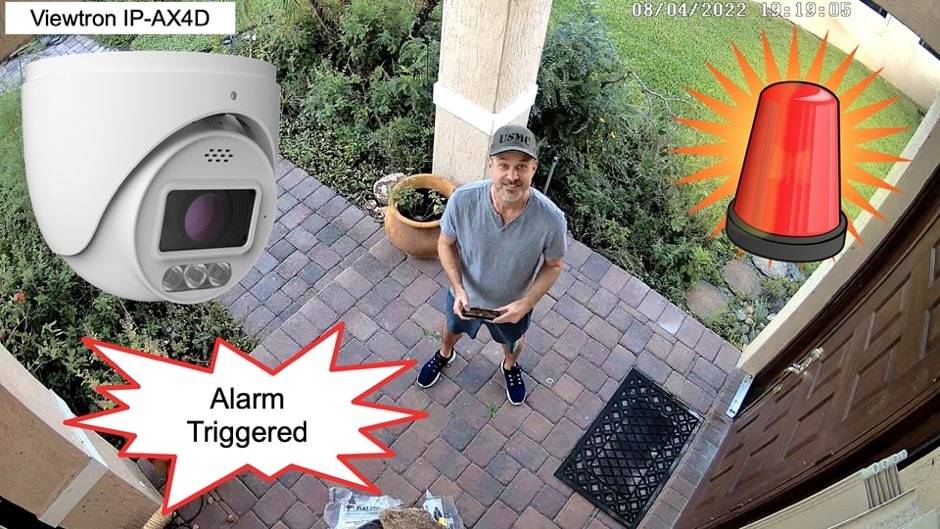
Sensors and detectors form the foundation of smart home security. They integrate with alarms, cameras, and door locks to create a responsive ecosystem.
For example:
-
A door contact sensor triggers a camera when opened.
-
A motion sensor activates outdoor lights.
-
Smoke or gas detectors can unlock doors for emergency responders.
6.2. Real-Time Alerts and Notifications
Smart systems send instant alerts via smartphone apps or voice assistants, ensuring quick response to threats—even when you’re away from home.
6.3. Voice Integration
Integration with virtual assistants like Alexa, Google Assistant, or Apple Siri allows hands-free control:
“Hey Google, is there any motion detected in the garage?”
7. Benefits of Smart Sensors and Detectors
7.1. Enhanced Safety
Constant monitoring ensures immediate detection of hazards like fire, gas, or intrusion—protecting both lives and property.
7.2. Energy Efficiency
Smart sensors regulate heating, lighting, and appliances automatically—reducing unnecessary energy use and lowering bills.
7.3. Convenience
Automated systems eliminate manual adjustments. You can control everything from a smartphone or through voice commands.
7.4. Customization
Users can set schedules, zones, and rules—for example, lights that dim at bedtime or temperature that adjusts when you leave the house.
7.5. Remote Monitoring
Smart apps allow homeowners to monitor their property from anywhere—ideal for frequent travelers.
8. Energy Management and Sustainability
Smart sensors play a key role in sustainable home management:
-
Smart thermostats reduce energy waste by adjusting heating and cooling automatically.
-
Light sensors prevent electricity overuse.
-
Occupancy sensors switch off unused appliances.
By analyzing usage data, smart homes contribute to lower carbon emissions and align with green building standards.
9. Data and Artificial Intelligence in Smart Homes
9.1. Predictive Analysis
AI-powered systems analyze historical data to predict behavior. For example, if you consistently lower temperature at night, the system learns and automates it.
9.2. Context-Aware Functionality
Smart detectors understand context—turning off alarms during routine cooking or recognizing when pets move, avoiding false triggers.
9.3. Continuous Improvement
Through machine learning, devices update algorithms to enhance performance and adapt to changing lifestyles.
10. Installation and Connectivity
10.1. Easy Installation
Most smart sensors are wireless and battery-operated, requiring minimal tools. They can be mounted on walls, ceilings, or surfaces.
10.2. Centralized Hubs
A smart hub or gateway connects all sensors and devices, ensuring smooth communication and centralized control.
10.3. Mobile Apps and Dashboards
Users can configure devices, set automation rules, and monitor status in real-time through smartphone applications.
11. Maintenance and Reliability
11.1. Battery Management
Smart detectors send alerts when batteries run low, ensuring consistent operation.
11.2. Regular Testing
Periodic system tests and software updates maintain accuracy and functionality.
11.3. Cloud Backups
Data stored in the cloud ensures system continuity even if devices are reset or replaced.
12. Privacy and Data Security
While convenience is key, privacy remains a concern in connected homes.
12.1. Data Protection
Manufacturers use encryption and secure communication protocols to prevent unauthorized access.
12.2. User Control
Homeowners can set data-sharing limits, disable features, or opt for local storage instead of cloud-based backups.
13. Integration with Other Smart Devices
13.1. Smart Lighting Systems
Motion sensors can trigger lights when someone enters a room or hallway at night.
13.2. Smart Thermostats
Temperature and occupancy sensors help maintain ideal indoor climate without manual adjustment.
13.3. Smart Appliances
Sensors monitor energy use, water flow, or maintenance needs in connected appliances.
13.4. Smart Security Cameras
Integrating with detectors ensures cameras activate automatically when motion or entry is detected.
14. Future Trends in Smart Sensors and Detectors
14.1. Multi-Sensor Devices
Next-generation devices combine multiple sensors—detecting motion, temperature, light, and sound in one compact unit.
14.2. AI-Powered Predictive Safety
Artificial intelligence will predict hazards before they occur by analyzing patterns, such as gradual temperature rise indicating potential fire.
14.3. Voice and Gesture Recognition
Sensors will soon respond to hand gestures and voice commands, enhancing interactivity and accessibility.
14.4. Self-Powered Sensors
Energy-harvesting technology will enable sensors to power themselves using solar or kinetic energy, reducing maintenance.
15. Challenges and Considerations
15.1. Compatibility
Not all devices communicate seamlessly. Choosing compatible systems ensures smooth integration.
15.2. Internet Dependence
Smart sensors rely on stable internet connections; offline modes or local hubs provide backup control.
15.3. Cost
Although initial setup may seem costly, long-term benefits—safety, savings, and efficiency—outweigh expenses.
16. Smart Homes Beyond Residences
The influence of sensors and detectors extends to:
-
Commercial buildings: Automated lighting, HVAC control, and security monitoring.
-
Healthcare: Patient monitoring and emergency detection.
-
Agriculture: Environmental sensors optimizing irrigation and crop health.
-
Industrial sectors: Predictive maintenance through sensor-based data analytics.
Conclusion
The future of modern living lies in intelligent environments where systems anticipate needs, enhance safety, and conserve resources. Smart home sensors and detectors are at the core of this transformation—bridging technology with everyday life.
From monitoring air quality to detecting fire, motion, or leaks, these devices create safer, more responsive spaces. They learn from behavior, integrate with other devices, and continuously evolve through artificial intelligence and IoT innovations.
Ultimately, smart sensors and detectors redefine what it means to live comfortably and securely. They are the silent guardians and efficient managers of the connected home—ensuring that modern living is not only smart but also sustainable, safe, and effortlessly convenient.