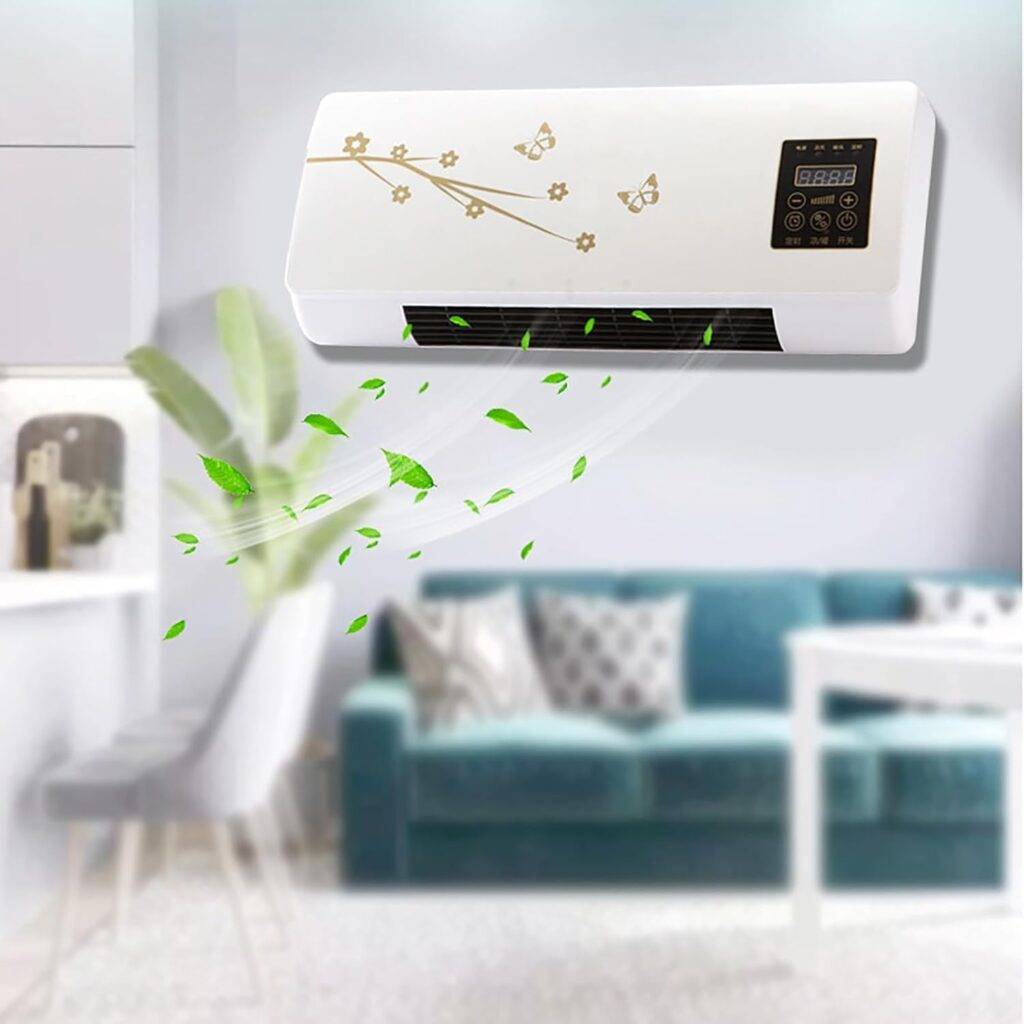
Comfort inside a home depends greatly on how well its indoor environment is managed. Whether it’s the warmth that welcomes you in winter or the refreshing coolness that relieves summer heat, effective heating and cooling systems are essential for maintaining balance and well-being.
But as technology advances, traditional methods of controlling temperature are being replaced by smart controls—innovative systems that combine convenience, energy efficiency, and automation.
Today, smart heating and cooling systems are no longer luxuries; they are integral parts of modern living. They optimize energy use, reduce costs, and allow homeowners to personalize comfort with just a few taps on a smartphone.
In this in-depth article, we’ll explore how heating, cooling, and smart controls work together to redefine home comfort, focusing on technology, efficiency, and the environmental benefits they bring.
1. Understanding Heating and Cooling Systems
1.1. The Purpose of Heating and Cooling
Heating and cooling systems regulate the indoor climate to maintain a comfortable temperature regardless of external conditions. They ensure health, safety, and convenience by keeping air fresh, humidity balanced, and temperature stable.
These systems are essential for:
-
Maintaining optimal living conditions.
-
Preventing mold and moisture damage.
-
Protecting electronics and furnishings from humidity or temperature extremes.
-
Supporting energy efficiency and environmental sustainability.
1.2. Basic Components of HVAC Systems
HVAC stands for Heating, Ventilation, and Air Conditioning. The system typically includes:
-
Furnace or heat pump – generates heat during colder months.
-
Air conditioner – removes heat to cool the air in summer.
-
Ductwork – distributes air throughout the home.
-
Thermostat – regulates temperature settings.
-
Ventilation system – ensures proper air exchange and filtration.
2. Traditional Temperature Control vs. Smart Controls
2.1. Conventional Controls
Traditional thermostats required manual adjustments. They maintained a fixed temperature until changed, often resulting in wasted energy when no one was home or when outdoor conditions shifted.
While basic programmable thermostats allowed for pre-set schedules, they lacked adaptability and remote control.
2.2. Smart Controls: A Modern Evolution
Smart controls integrate digital technology, automation, and internet connectivity to transform how heating and cooling systems operate. These intelligent devices learn user preferences, sense occupancy, and adjust temperatures automatically for maximum comfort and energy savings.
Smart thermostats and control systems use sensors, data analytics, and mobile apps to manage indoor climate efficiently—aligning technology with sustainability and user convenience.
3. How Smart Controls Work
Smart controls function through a combination of hardware, software, and data-driven algorithms.
3.1. Sensors and Connectivity
Sensors detect temperature, humidity, motion, and occupancy, while Wi-Fi or Bluetooth connectivity allows communication with smartphones or smart home systems.
3.2. Data Learning and AI Integration
Artificial intelligence (AI) learns a household’s schedule and preferences—adjusting heating or cooling automatically. Over time, it creates optimized patterns that balance comfort and energy efficiency.
3.3. Remote Access and Automation
Through mobile apps, users can monitor and control indoor temperature anytime, anywhere. Automated scheduling reduces manual adjustments and ensures comfort upon arrival.
3.4. Integration with Smart Home Ecosystems
Smart controls often connect with platforms like Google Home, Amazon Alexa, or Apple HomeKit, enabling voice commands and seamless interaction with other smart devices—lights, blinds, and appliances.
4. Smart Thermostats: The Core of Intelligent Climate Control
4.1. What Is a Smart Thermostat?
A smart thermostat is an advanced device that automates heating and cooling systems. It adjusts temperature based on real-time conditions, occupancy, and energy rates—providing efficient comfort control.
4.2. Key Features of Smart Thermostats
-
Wi-Fi Connectivity: Allows remote access via smartphones or tablets.
-
Learning Algorithms: Understands routines and adjusts automatically.
-
Geofencing: Detects when residents leave or approach home, optimizing temperature accordingly.
-
Energy Reports: Tracks consumption to encourage energy-conscious habits.
-
Integration: Works with voice assistants and smart home systems.
4.3. Benefits
-
Saves up to 20–30% on heating and cooling costs.
-
Reduces environmental impact through energy efficiency.
-
Enhances convenience and comfort with personalized settings.
-
Allows easy monitoring during travel or long workdays.
5. Heating Systems: Efficiency and Innovation
5.1. Central Heating
Central systems distribute heat via ducts or radiators. Furnaces, boilers, or heat pumps serve as the main sources.
5.2. Heat Pumps
Heat pumps transfer heat from one place to another instead of generating it. They can heat or cool a home depending on the season, making them energy-efficient alternatives.
5.3. Radiant Floor Heating
Pipes or electrical mats installed beneath floors distribute heat evenly across rooms, enhancing comfort while saving energy.
5.4. Smart Heating Controls
Smart heating systems coordinate with thermostats and sensors, adjusting temperatures in different zones (rooms) independently—a concept known as zoned heating. This avoids overheating unused spaces and maximizes energy use.
6. Cooling Systems: Comfort for Warm Climates
6.1. Air Conditioners
Traditional air conditioners extract heat from indoor air and expel it outside. With smart controls, users can manage operation times, fan speeds, and modes remotely.
6.2. Central Cooling
Central air systems distribute cooled air through ducts. Smart thermostats can monitor and regulate zones, maintaining uniform cooling.
6.3. Evaporative Coolers and Ceiling Fans
Smart controls also integrate with smaller devices like ceiling fans or portable coolers, synchronizing their operation with overall temperature management.
6.4. Smart Cooling Efficiency
Smart systems detect outdoor temperature and humidity levels, adjusting cooling cycles automatically. They can even delay cooling when utility rates peak, reducing electricity costs.
7. Energy Efficiency and Environmental Impact
7.1. Reducing Carbon Footprint
Smart heating and cooling systems reduce energy consumption significantly. Less electricity and gas usage translates into lower carbon emissions and environmental preservation.
7.2. Energy Monitoring and Reports
Real-time monitoring helps users understand usage patterns and make informed adjustments—promoting conscious energy management.
7.3. Integration with Renewable Energy
Many smart systems now synchronize with solar panels or geothermal systems, optimizing renewable energy consumption for heating and cooling.
7.4. Compliance with Green Standards
Energy-efficient HVAC systems often meet ENERGY STAR® and other sustainability certifications, contributing to eco-friendly building standards.
8. The Role of IoT (Internet of Things) in Heating and Cooling
8.1. Connectivity
IoT connects smart thermostats, HVAC systems, and sensors into one network, enabling data exchange and real-time decision-making.
8.2. Predictive Maintenance
Smart systems detect performance issues early, sending alerts before failures occur. Predictive maintenance reduces repair costs and prevents energy loss.
8.3. Cloud-Based Data and Automation
Data collected by smart controls is analyzed via cloud platforms, continuously refining performance for precision comfort control.
9. Smart Zoning Systems
9.1. What Is Zoned Climate Control?
Zoned systems divide a home into sections, each with its own temperature setting. Bedrooms can stay cool while living areas remain warm—eliminating unnecessary heating or cooling.
9.2. Benefits
-
Reduces energy waste.
-
Enhances personal comfort.
-
Extends system lifespan through reduced strain.
9.3. Technology Behind Zoning
Motorized dampers within ducts open or close based on signals from thermostats and occupancy sensors, maintaining precise control across different areas.
10. Indoor Air Quality and Ventilation
10.1. Importance of Air Quality
Heating and cooling affect more than temperature—they influence humidity, ventilation, and air freshness.
10.2. Smart Air Purification
Many modern HVAC systems include integrated air purifiers, humidifiers, or dehumidifiers. Smart controls monitor air quality and activate these devices automatically when needed.
10.3. Humidity Management
Balanced humidity prevents dryness in winter and excess moisture in summer. Smart sensors adjust ventilation and humidification to maintain comfort.
11. Smart Controls for Commercial and Industrial Spaces
11.1. Building Automation Systems (BAS)
In offices and large facilities, BAS integrates HVAC, lighting, and energy systems. Smart controls optimize operations, reducing operational costs and improving occupant comfort.
11.2. Sensors and Scheduling
Sensors detect occupancy and adjust temperatures automatically, avoiding waste in empty rooms or during off-hours.
11.3. Predictive Algorithms
Advanced AI in commercial systems forecasts weather and energy demand, maintaining consistent indoor environments while minimizing power usage.
12. Cost and Savings Considerations
12.1. Initial Investment
Smart systems may have higher upfront costs due to advanced technology. However, the return on investment comes through energy savings, reduced maintenance, and long-term efficiency.
12.2. Long-Term Benefits
Energy-efficient homes save significantly over time. Automated systems can lower utility bills by 20–40%, paying for themselves within a few years.
12.3. Government Incentives
Many regions offer rebates or tax credits for installing energy-efficient HVAC systems or smart thermostats—encouraging adoption of sustainable technologies.
13. Maintenance and Reliability
13.1. Smart Monitoring
Smart systems detect irregularities like clogged filters or performance drops and alert users instantly.
13.2. Remote Diagnostics
Technicians can analyze performance data remotely, diagnosing and resolving issues faster and more accurately.
13.3. Software Updates
Regular firmware and app updates improve performance, security, and energy optimization over time.
14. Security and Privacy in Smart Controls
14.1. Data Protection
Smart systems collect user data to improve performance. Reputable manufacturers use encryption and secure servers to protect privacy.
14.2. Network Security
Using strong Wi-Fi passwords and regular software updates helps safeguard against unauthorized access.
15. Trends Shaping the Future of Smart Heating and Cooling
15.1. AI-Driven Climate Prediction
Artificial intelligence will continue to refine heating and cooling, predicting comfort levels based on lifestyle and weather data.
15.2. Voice and Gesture Control
Future systems will respond to voice, motion, and environmental cues, creating intuitive comfort experiences.
15.3. Renewable Integration
Expect deeper integration with solar, wind, and geothermal energy systems for self-sustaining, zero-emission homes.
15.4. Smart Grids and Energy Sharing
Homes equipped with smart controls will connect to community energy grids, sharing or storing excess energy efficiently.
16. Challenges and Considerations
16.1. Compatibility
Smart systems must integrate smoothly with existing HVAC infrastructure to avoid inefficiency or conflict.
16.2. Learning Curve
Some users may find new technologies complex at first, requiring familiarity with apps and automation settings.
16.3. Connectivity Dependence
Smart systems rely on stable internet connections; interruptions can limit control functionality.
17. Practical Tips for Choosing Smart Controls
-
Assess Compatibility: Ensure your HVAC system supports smart thermostat integration.
-
Prioritize Energy Ratings: Look for ENERGY STAR® certified devices.
-
Consider Zoning: Choose systems offering multi-room control.
-
Check App Usability: Select user-friendly apps with intuitive interfaces.
-
Focus on Security: Verify that the manufacturer provides strong data protection protocols.
Conclusion
Heating and cooling are fundamental to modern comfort, but their management has evolved beyond simple switches and thermostats. Smart controls represent the future of efficient living—where technology adapts to human needs seamlessly and sustainably.
By learning habits, responding to weather, and optimizing energy use, smart systems make homes more comfortable, eco-friendly, and cost-effective. Whether in a compact apartment or a large commercial building, integrating smart heating and cooling solutions ensures personalized comfort with minimal waste.
As technology continues to advance, the harmony between heating, cooling, and smart controls will shape the way we experience indoor environments—making our homes smarter, greener, and more responsive to our lives.