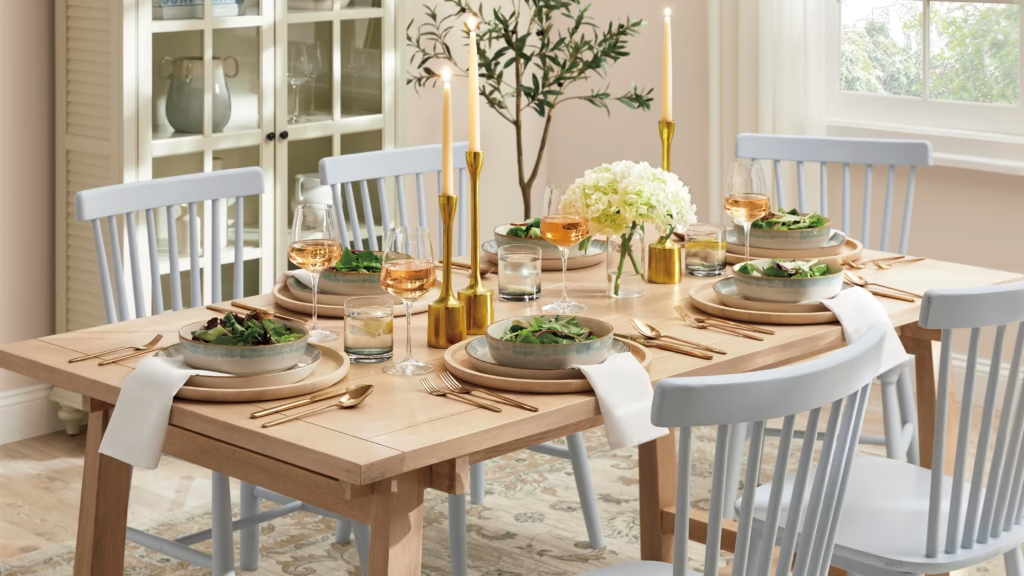
Dining is more than an act of eating—it’s an experience that brings people together. Whether it’s a family breakfast, a formal dinner, or a casual get-together, the dining area often becomes the heart of a home. The way a table is set influences the mood, the aesthetic, and even how enjoyable a meal feels.
Among the elements that shape a dining experience, table linens and placemats hold a unique place. They serve both practical and decorative purposes, protecting the table surface while adding style, color, and texture. From classic white linen tablecloths to modern woven placemats, these accessories complete the visual harmony of a dining setup.
This article explores the importance of dining aesthetics, the role of table linens and placemats, their materials, styles, care, and the growing trend of sustainable table décor—all presented in an accessible and professional tone.
1. The Essence of Dining and Table Setting
1.1. Dining as an Experience
Dining isn’t just about food—it’s a ritual of connection and comfort. A thoughtfully set table communicates hospitality, attention to detail, and respect for guests. The arrangement of plates, cutlery, and textiles reflects cultural traditions and personal style alike.
1.2. The Art of Table Setting
A well-arranged table enhances not only the dining experience but also the presentation of the food. The combination of table linens, placemats, napkins, and centerpieces creates a visual rhythm that complements the meal.
Key components of a table setting include:
-
Tablecloth or runner – the base that defines the tone.
-
Placemats – to frame each diner’s space.
-
Napkins – for both practicality and elegance.
-
Dinnerware and glassware – the functional elements.
-
Centerpieces – candles, flowers, or bowls that complete the décor.
2. Understanding Table Linens
2.1. What Are Table Linens?
Table linens refer to fabric coverings and accessories used to dress and protect dining tables. They include:
-
Tablecloths
-
Table runners
-
Napkins
-
Placemats
Each plays a role in defining the visual and tactile quality of dining. Linens add sophistication while protecting the table from spills, stains, and heat.
2.2. Historical Significance
Historically, table linens symbolized hospitality and social class. In ancient Rome, fine linen cloths marked wealthy households, while during the Victorian era, embroidered and lace-trimmed tablecloths were signs of refinement. Today, table linens remain symbols of grace, blending traditional charm with modern aesthetics.
2.3. Benefits of Using Table Linens
-
Protection: Shields the table from stains, heat, and scratches.
-
Aesthetic Appeal: Adds texture, color, and pattern to dining areas.
-
Sound Absorption: Diminishes clattering noises of plates and cutlery.
-
Comfort: Creates a softer, more inviting dining experience.
3. Placemats: Functionality Meets Design
3.1. The Purpose of Placemats
Placemats define individual dining spaces on the table. Beyond aesthetics, they protect the surface from spills, food stains, and hot dishes. Placemats are also a simple way to experiment with textures and colors without the need for a full tablecloth.
3.2. Types of Placemats
Placemats come in various materials and designs suited for different occasions:
-
Fabric Placemats: Made from cotton, linen, or polyester blends—soft and elegant, suitable for formal dining.
-
Vinyl or PVC Placemats: Easy to clean and water-resistant, ideal for daily use.
-
Woven or Bamboo Placemats: Add a rustic, organic touch to dining spaces.
-
Leather or Faux Leather Placemats: Durable and sophisticated, great for contemporary settings.
-
Quilted Placemats: Offer a cozy, traditional appeal for family dining.
3.3. Size and Shape Considerations
Standard placemats measure around 12×18 inches, but shapes vary: rectangular, round, oval, or square. The choice depends on the table shape, seating arrangement, and style preference.
3.4. Coordinating Placemats with Table Linens
Matching or contrasting placemats with tablecloths or runners creates harmony and depth.
-
Matching tones create a unified, elegant appearance.
-
Contrasting shades add visual interest and character.
-
Patterned placemats work best with solid tablecloths, and vice versa.
4. Materials Used in Table Linens and Placemats
The material you choose influences durability, maintenance, and overall aesthetic.
4.1. Cotton
Soft, breathable, and easy to wash—cotton is a classic choice for both tablecloths and placemats. It suits casual and formal settings alike.
4.2. Linen
Natural and luxurious, linen offers timeless elegance. Though prone to wrinkles, its texture adds sophistication. Linen is perfect for formal dinners or minimalist modern tables.
4.3. Polyester and Blended Fabrics
Durable, wrinkle-resistant, and affordable—ideal for everyday dining. Polyester blends often mimic the look of natural fabrics while offering practicality.
4.4. Bamboo and Rattan
Eco-friendly materials that bring natural warmth to the table. Perfect for outdoor dining or rustic themes.
4.5. Vinyl and PVC
Highly durable and waterproof, these are the go-to options for households with children or outdoor settings.
4.6. Lace and Embroidery
For classic and vintage-inspired décor, lace and embroidered linens add intricate detail and charm.
5. Dining Styles and Table Décor Themes
Table linens and placemats can be adapted to different dining styles, from casual breakfasts to festive dinners.
5.1. Formal Dining
For formal dinners, choose a full tablecloth paired with cloth napkins and coordinated placemats. Neutral or monochrome tones—like ivory, beige, or charcoal—convey refinement.
5.2. Casual Dining
In relaxed settings, opt for cotton or bamboo placemats without a full tablecloth. Mix and match colors and patterns for a cheerful, inviting vibe.
5.3. Seasonal and Festive Dining
Use table linens to reflect seasonal moods:
-
Spring: Floral prints and pastel hues.
-
Summer: Light fabrics, bright colors, and coastal tones.
-
Autumn: Earthy browns, oranges, and plaid designs.
-
Winter: Deep reds, greens, or metallic accents.
Festive occasions like Diwali, Christmas, or Thanksgiving call for decorative linens embellished with embroidery, metallic threads, or themed prints.
6. Table Runners and Their Role
A table runner is a narrow strip of fabric placed down the center of the table, either over a tablecloth or on a bare surface. It anchors the centerpiece and provides visual continuity.
-
For rectangular tables, a full-length runner looks elegant.
-
For round tables, shorter runners or cross-layouts work beautifully.
Pairing table runners with placemats creates a layered, stylish look while protecting the table surface.
7. The Role of Color, Pattern, and Texture
7.1. Color Psychology
Colors affect mood and dining atmosphere:
-
White: Clean, classic, timeless.
-
Blue: Calming and elegant.
-
Red and Orange: Stimulate appetite and conversation.
-
Green: Refreshing and natural.
-
Gray and Black: Sophisticated and contemporary.
7.2. Patterns and Prints
Stripes, florals, checks, and geometric designs can either make a statement or complement the dinnerware. Bold patterns pair best with simple tableware, while minimal linens enhance decorative plates.
7.3. Texture and Layering
Mixing textures—smooth tablecloths with woven placemats or linen napkins—creates visual depth. Layering adds personality without overwhelming the table.
8. Sustainability and Eco-Friendly Dining Accessories
As environmental awareness grows, sustainable dining décor has gained prominence.
8.1. Organic Materials
Opt for organic cotton, bamboo fiber, or hemp linens. These are biodegradable and ethically sourced.
8.2. Upcycled or Handwoven Fabrics
Handcrafted table linens made by local artisans support cultural craftsmanship and reduce industrial waste.
8.3. Reusable and Washable Options
Reusable fabric napkins and washable placemats reduce disposable waste while maintaining elegance.
9. Maintenance and Care Tips
Proper care extends the life of your table linens and placemats.
9.1. Washing
-
Always check fabric labels.
-
Use mild detergent and cold or warm water.
-
Avoid bleach on colored or embroidered fabrics.
9.2. Ironing and Storage
-
Iron linens while slightly damp for best results.
-
Store in a cool, dry place to prevent discoloration or mildew.
-
Roll tablecloths instead of folding to avoid creases.
9.3. Stain Removal
Treat spills immediately. For stubborn stains, soak in mild detergent or use natural solutions like vinegar and baking soda.
10. Dining Trends and Contemporary Table Aesthetics
10.1. Minimalist Dining
Simplicity is key—neutral linens, natural textures, and clean lines dominate modern setups.
10.2. Eclectic and Artistic Tables
Mixing patterns, colors, and global influences brings creativity and vibrancy to dining spaces.
10.3. Outdoor Dining
Placemats and table linens made from water-resistant materials suit outdoor meals, patios, or garden parties.
10.4. Smart Dining Accessories
Smart textiles and stain-resistant coatings are emerging innovations in home dining décor.
11. Enhancing Dining Experience with Accessories
Complement linens and placemats with additional decorative pieces:
-
Napkin rings for formal dinners.
-
Candles or lanterns for mood lighting.
-
Vases and greenery as natural centerpieces.
-
Coasters and chargers to complete the layout.
A balanced combination of function and form creates a memorable dining environment.
12. Global Influence on Table Linens
Different cultures have unique traditions around table settings:
-
European styles emphasize white linen and crystal ware.
-
Asian settings often feature bamboo placemats and chopstick rests.
-
Middle Eastern décor uses bold colors and intricate embroidery.
These influences have merged in modern décor, inspiring diverse, globally inspired dining aesthetics.
13. The Connection Between Dining and Lifestyle
Modern dining spaces are multifunctional—they host family discussions, celebrations, and even work. Well-chosen linens and placemats reflect lifestyle values like mindfulness, sustainability, and personal expression.
Setting the table mindfully fosters appreciation for shared meals and daily rituals—an art that blends practicality with emotional connection.
14. Choosing the Right Linens and Placemats for Your Space
When selecting table décor, consider:
-
Room décor theme: Match colors and patterns with wall tones and furniture.
-
Occasion: Use fine linen for events and durable materials for everyday use.
-
Maintenance: Choose easy-to-clean fabrics for busy households.
-
Budget: Affordable options like polyester blends offer beauty without high cost.
15. The Role of Table Linens in Dining Etiquette and Culture
15.1. Table Linens as a Symbol of Hospitality
Across cultures, the act of setting a dining table with clean, elegant linens reflects a sense of care and hospitality. From the crisp white cloths used in European fine dining to the embroidered table runners in Asian homes, table linens often symbolize respect for guests. A neatly dressed table instantly communicates attention to detail and creates a warm, welcoming atmosphere.
In many traditional households, table linens are chosen with intention—color, fabric, and pattern are matched to the occasion. Weddings, religious feasts, and family gatherings often feature heirloom linens passed down through generations, emphasizing continuity and heritage.
15.2. Cultural Variations in Dining Presentation
Dining customs differ globally, and table linen styles mirror these variations:
-
Western traditions favor layered setups with placemats, napkins, and coordinating runners.
-
Japanese dining focuses on minimalism—simple woven placemats and natural materials like bamboo.
-
Indian and Middle Eastern tables incorporate vibrant patterns, embroidered fabrics, and decorative textures.
Understanding these cultural nuances adds depth to how table linens and placemats are appreciated, turning dining into both a sensory and cultural experience.
16. The Evolution of Table Linens and Placemats Through Time
16.1. From Utility to Art
Originally, table linens served purely functional purposes—to protect wooden tables and maintain cleanliness. Over time, they evolved into artistic expressions of craftsmanship. Handwoven and hand-embroidered linens became prized household items, often representing social status.
By the 20th century, industrial textile production made table linens accessible to all households. This democratization of décor allowed people to express creativity through fabric patterns, prints, and styles—laying the foundation for modern dining aesthetics.
16.2. Contemporary Innovation
Today, innovation drives the design of table linens and placemats. Stain-resistant coatings, heat-proof materials, and eco-conscious fabrics combine beauty with practicality. Technology has even introduced smart textiles that repel liquids, resist odors, and adapt to color themes through LED integration.
17. The Influence of Dining Space Design on Table Décor
17.1. Coordinating with Interiors
The table setting should complement the overall interior design of the dining area.
For instance:
-
A modern minimalist dining room pairs well with neutral linens and sleek placemats.
-
A rustic farmhouse setting benefits from natural fibers like burlap or jute.
-
A classic European interior matches well with embroidered linen and lace.
Harmonizing décor elements—like lighting, furniture, and wall colors—with table linens enhances the sense of cohesion in dining spaces.
17.2. The Role of Lighting and Ambience
Lighting dramatically influences how table linens appear. Warm, ambient light accentuates the texture of linen and cotton, while cooler lighting highlights modern synthetic fabrics. Candles and pendant lights, when reflected on glossy or satin linens, create depth and visual elegance.
Stringing soft lighting above the dining table adds charm, especially when combined with patterned or textured placemats that play with light and shadow.
18. Color Coordination in Dining Décor
18.1. Choosing the Right Color Palette
Selecting the perfect color combination for table linens and placemats depends on both the dining environment and the occasion.
-
Neutral palettes (white, beige, gray) create a timeless, versatile background.
-
Earth tones (brown, green, terracotta) bring warmth to natural wooden tables.
-
Bold shades (navy, burgundy, mustard) introduce drama and richness for festive dinners.
-
Pastels (mint, blush, lavender) add softness and charm to casual meals.
18.2. Balancing Patterns and Solids
When incorporating patterns, balance is key:
-
If the tablecloth is patterned, use solid placemats.
-
For solid tablecloths, introduce patterned placemats or napkins.
-
Stripes and checks offer classic appeal, while florals evoke freshness and vibrancy.
This visual harmony prevents clutter and keeps the dining setup elegant and cohesive.
19. Textiles and Craftsmanship in Table Linens
19.1. Handmade and Artisanal Textiles
Handcrafted linens and placemats are gaining renewed appreciation. Techniques like hand-weaving, embroidery, and block printing infuse dining accessories with cultural artistry. These handmade pieces often support local artisans and promote sustainable livelihoods.
Examples include:
-
Indian khadi cotton placemats with hand-dyed patterns.
-
European embroidered lace linens known for intricate detailing.
-
African woven raffia placemats that celebrate traditional craftsmanship.
19.2. Machine-Made vs. Handcrafted Linens
While machine-made linens offer uniformity and affordability, handcrafted pieces bring individuality. The slight imperfections in handwoven or hand-stitched fabrics tell a story—each thread reflecting time, skill, and creativity.
20. The Connection Between Dining and Sustainability
20.1. Eco-Friendly Dining Practices
Eco-conscious dining extends beyond food choices to the materials that adorn the table. Sustainable linens—made from organic cotton, hemp, or bamboo—reduce environmental impact. Using washable, reusable napkins and placemats replaces disposable alternatives like paper towels or plastic mats.
20.2. Upcycling in Table Décor
Upcycling old fabrics into new tablecloths or placemats has become a creative trend. Vintage fabrics, sarees, or curtains can be repurposed into stylish, personalized table settings. This approach merges sustainability with uniqueness.
20.3. Ethical Manufacturing
Supporting brands and artisans who follow ethical production practices ensures that your table linens not only look good but also contribute positively to communities and the planet.
21. The Role of Texture and Layering in Table Design
21.1. Creating Depth with Texture
Texture plays an important role in creating a dynamic, engaging table design. Combining smooth fabrics like satin with rougher ones like burlap or rattan adds depth and tactile interest. The interplay of materials brings life to otherwise flat surfaces.
21.2. Layering Techniques
Layering is a popular technique among interior stylists:
-
Place a table runner over a solid tablecloth to define the table’s center.
-
Add woven placemats on top for contrast.
-
Use folded napkins with decorative rings or floral accents to complete the ensemble.
The result is a balanced, visually rich dining experience that feels curated yet comfortable.
22. Seasonal Dining Décor Inspirations
22.1. Spring Dining
Celebrate freshness with pastel tones, floral prints, and light fabrics. Cotton placemats and soft linen napkins echo the season’s natural charm.
22.2. Summer Dining
Bright colors like yellow, turquoise, and coral energize summer tables. Bamboo or rattan placemats pair beautifully with outdoor dining under natural light.
22.3. Autumn Dining
Incorporate deep hues like maroon, mustard, and rust. Textured linens with checkered or leaf motifs evoke the warmth of the season.
22.4. Winter Dining
Opt for heavy fabrics, dark tones, and metallic accents. Velvet or jacquard table runners combined with gold-trimmed placemats bring elegance to festive dining.
23. Table Accessories That Complement Linens and Placemats
23.1. Napkin Styles
Napkins are both decorative and practical.
-
Folded napkins can serve as artistic highlights on each plate.
-
Cloth napkin rings add a refined finishing touch.
-
Printed or embroidered napkins coordinate with linens for a cohesive look.
23.2. Centerpieces
Centerpieces—like candles, vases, or greenery—tie the table décor together. They should complement, not overpower, the surrounding linens. Low-height arrangements maintain visibility across the table for easy conversation.
23.3. Tableware Coordination
The color and material of tableware influence how linens and placemats appear. White porcelain plates offer a neutral backdrop, while colored or patterned dishes can enhance thematic setups.
24. The Practical Side of Table Décor
24.1. Durability and Maintenance
Durability should match the intended use. Everyday placemats benefit from washable materials like polyester or PVC, while formal linens require delicate care but offer superior luxury.
24.2. Storage Solutions
Proper storage prevents wrinkles and fading. Roll large tablecloths around tubes and stack placemats flat to maintain shape. For heirloom or embroidered linens, use breathable fabric covers to prevent moisture damage.
24.3. Budgeting for Table Décor
Creating an elegant dining setup doesn’t require lavish spending. Mixing affordable basics with a few premium pieces—like a fine linen runner or handwoven placemats—balances economy and style.
25. The Psychological Impact of Dining Aesthetics
25.1. Visual Comfort and Appetite
Studies suggest that color and design influence mood and appetite. Warm colors like red and orange stimulate conversation and hunger, while cool tones like blue promote calmness and moderation.
25.2. Emotional Connection
A well-set table encourages mindfulness and appreciation during meals. Table linens and placemats transform dining from a routine to a ritual, making even everyday meals feel meaningful.
26. Dining in Modern Homes: Function Meets Style
26.1. Compact Dining Solutions
As homes become smaller, dining setups often merge with living spaces. Compact tables paired with minimal placemats and runners help maintain elegance without overwhelming limited space.
26.2. Open-Concept Living
In open layouts, table décor acts as a visual divider. Contrasting linens or bold placemat colors define the dining zone within shared spaces.
26.3. Digital-Age Dining Trends
Modern dining often includes home offices or multifunctional spaces. Cleanable, durable placemats and neutral linens balance professionalism and relaxation when the dining table doubles as a workspace.
27. How to Mix and Match for a Personalized Look
27.1. Playing with Patterns
Experiment with different combinations:
-
Pair floral linens with solid placemats.
-
Use striped runners with circular mats for contrast.
-
Alternate napkin colors for a playful effect.
27.2. Incorporating Metallics
Metallic accents—like gold-rimmed placemats or silver-threaded table runners—add subtle luxury, especially for formal dinners.
27.3. Customization and DIY Linens
DIY enthusiasts can create personalized table linens using fabric paints, block prints, or embroidery. Custom pieces add sentimental and artistic value to dining setups.
28. The Role of Texture, Light, and Fragrance in Dining Ambience
28.1. Combining Sensory Elements
Dining is a multisensory experience. The feel of linen fabric, the soft glow of candles, and the fragrance of flowers or herbs together form a complete sensory environment.
28.2. Lighting and Mood
Pairing table linens with the right lighting enhances texture and depth. Soft yellow or warm white light complements earthy fabrics, while cooler light enhances modern minimalist themes.
28.3. Scent and Freshness
Aromatic candles, fresh flowers, or herbal arrangements contribute subtle fragrance, completing the atmosphere of elegant dining.
29. Professional Table Styling Insights
Interior stylists and restaurateurs often use the “three-layer rule”:
-
Base: A neutral tablecloth or runner sets tone.
-
Mid-layer: Textured placemats and napkins add depth.
-
Accent: A centerpiece or decorative item adds personality.
This layering principle ensures visual balance while keeping the table uncluttered.
Stylists also recommend using odd-numbered arrangements (like three candles or five flowers) for a more natural visual rhythm.
30. Dining as an Art Form
Dining decoration is a subtle art combining functionality, texture, and creativity. The interplay of table linens and placemats defines the dining experience—blending practicality with beauty.
Whether it’s a daily meal or a festive celebration, the thoughtful use of fabrics, patterns, and lighting transforms a simple act into a meaningful expression of style and hospitality.
Conclusion
Dining, table linens, and placemats together form the foundation of elegant, comfortable, and functional table décor. They enhance meals by combining practicality with artistic expression—protecting surfaces, adding color, and setting the tone for shared moments.
From the texture of the cloth to the pattern of the placemat, every detail influences the dining atmosphere. Whether you prefer the simplicity of cotton or the sophistication of linen, or the natural warmth of bamboo, thoughtful choices create spaces that invite conversation and connection.
In the end, dining décor is about balance—the meeting of beauty and usability. Through the right combination of table linens and placemats, every meal can feel special, transforming the ordinary act of eating into a truly delightful experience.