In the modern era, technology is redefining how people live, interact, and manage their homes. What was once futuristic — homes that respond to commands, learn habits, and adjust automatically — is now an everyday reality. The foundation of this transformation lies in the Smart Home concept, powered largely by intelligent sensors.
A smart home integrates connected devices, automation systems, and sensors to monitor and control lighting, temperature, security, and appliances. Sensors act as the home’s nervous system — constantly detecting changes in the environment and triggering appropriate responses.
From motion detectors that activate lights to temperature sensors that optimize heating, sensors are essential to creating homes that are not only more comfortable but also energy-efficient and secure.
This comprehensive guide explores how sensors work within smart homes, their types, functions, advantages, and the evolving role of sensor technology in shaping the future of modern living.
1. Understanding Smart Homes
1.1 What Is a Smart Home?
A smart home uses interconnected devices and automation systems to control and manage household functions through centralized platforms or mobile apps. These systems communicate via Wi-Fi, Bluetooth, Zigbee, or Z-Wave networks to create an intelligent ecosystem that enhances convenience, comfort, and security.
1.2 How Smart Homes Work
At the heart of every smart home lies a network of sensors, controllers, and actuators:
-
Sensors detect physical changes such as motion, temperature, light, or humidity.
-
Controllers (like hubs or apps) process sensor data.
-
Actuators perform actions — such as adjusting thermostats or locking doors — based on sensor feedback.
This interaction allows for automation — where actions occur without manual input — and remote control, where users can manage home systems from anywhere.
1.3 The Role of Connectivity
Connectivity is key to smart home efficiency. Cloud-based systems allow real-time data exchange, enabling predictive and adaptive functions — for instance, lights turning off automatically when no motion is detected or climate systems adjusting based on outdoor weather data.
2. The Importance of Sensors in Smart Homes
2.1 Sensors as the Foundation of Automation
Without sensors, a smart home cannot truly be “smart.” Sensors collect real-time environmental data that allows devices to react intelligently. They act as the eyes and ears of the system, translating physical changes into digital commands.
2.2 Enhancing Everyday Living
Sensors bring automation to everyday activities:
-
Adjusting lighting based on occupancy.
-
Regulating indoor temperature automatically.
-
Monitoring energy use and air quality.
-
Enhancing safety through motion and smoke detection.
By integrating these functions, sensors improve convenience, security, and sustainability.
3. Types of Smart Home Sensors
Modern smart homes utilize a wide range of sensors, each designed for specific purposes. Below are the most common types:
3.1 Motion Sensors
Function: Detect movement within a designated area.
Use Cases:
-
Automatically turn lights on/off when someone enters or leaves a room.
-
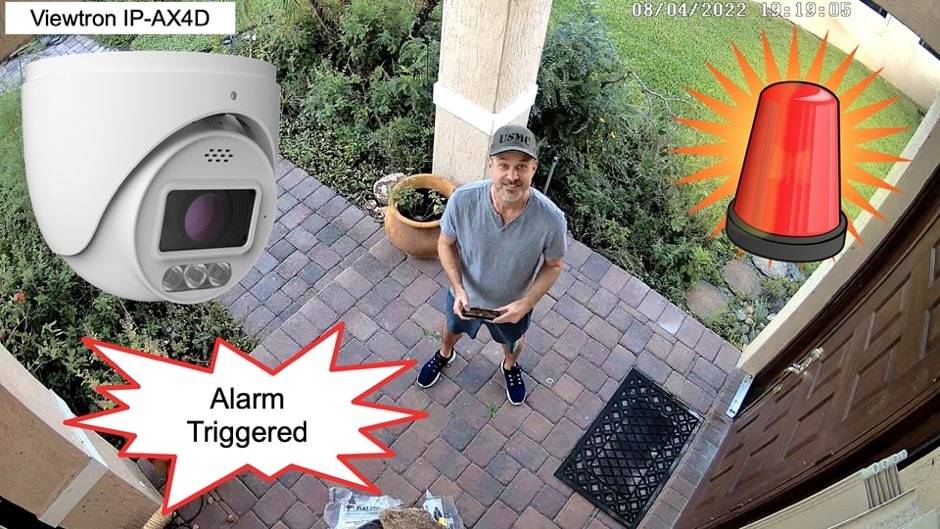
Trigger alarms in case of unauthorized entry.
-
Activate cameras or recording systems when motion is detected.
Technology Used: Infrared (PIR), ultrasonic, or microwave sensing.
3.2 Temperature Sensors
Function: Measure ambient temperature to regulate heating and cooling systems.
Use Cases:
-
Adjust thermostats for optimal comfort and energy savings.
-
Trigger ventilation or air conditioning in response to heat changes.
Integration Example: Paired with smart thermostats like Nest or Ecobee to maintain consistent indoor climates.
3.3 Humidity Sensors
Function: Monitor moisture levels in the air.
Use Cases:
-
Control dehumidifiers or humidifiers automatically.
-
Prevent mold growth in damp areas such as basements.
-
Maintain comfort in bedrooms or nurseries.
3.4 Light Sensors
Function: Measure light intensity.
Use Cases:
-
Adjust artificial lighting based on daylight levels.
-
Save energy by dimming lights in well-lit rooms.
-
Automate outdoor lighting systems for security and aesthetics.
3.5 Sound Sensors
Function: Detect audio cues or noise levels.
Use Cases:
-
Identify break-ins or unusual sounds for security alerts.
-
Support voice-activated assistants and control systems.
-
Monitor sound levels in baby rooms or entertainment areas.
3.6 Proximity Sensors
Function: Detect how close an object or person is to a surface.
Use Cases:
-
Trigger automatic door opening.
-
Enhance smart faucets or toilets with touchless operation.
3.7 Gas and Air Quality Sensors
Function: Detect pollutants or dangerous gases such as carbon monoxide, methane, or smoke.
Use Cases:
-
Alert residents in case of gas leaks or poor air quality.
-
Integrate with HVAC systems to circulate fresh air.
-
Improve overall indoor air health.
3.8 Water Leak Sensors
Function: Identify leaks or water accumulation.
Use Cases:
-
Detect flooding under sinks or near appliances.
-
Send alerts before water damage occurs.
-
Shut off water supply automatically when leaks are detected.
3.9 Contact and Door Sensors
Function: Detect when doors, windows, or cabinets are opened or closed.
Use Cases:
-
Home security and monitoring.
-
Automation triggers — such as turning lights on when doors open.
-
Energy savings by managing heating or cooling based on open windows.
3.10 Smart Camera Sensors
Function: Combine video and motion detection for real-time monitoring.
Use Cases:
-
Facial recognition for access control.
-
Motion-triggered recording for security footage.
-
Smart alerts via mobile apps.
4. Integration of Sensors in Smart Home Systems
4.1 Centralized Hubs
Smart home hubs (like Amazon Echo, Google Home, or Samsung SmartThings) act as central control units that connect and coordinate all sensors and devices.
4.2 Sensor Networks
Multiple sensors work together to create an ecosystem — for example, motion, temperature, and light sensors cooperating to regulate lighting and climate automatically.
4.3 Cloud and AI Integration
Cloud-based data storage and AI algorithms allow smart homes to analyze user habits, optimize performance, and predict needs before they arise.
5. Advantages of Using Sensors in Smart Homes
5.1 Enhanced Convenience
Automation removes the need for manual control — from adjusting lights to controlling room temperature. Homeowners can manage everything through apps or voice assistants.
5.2 Improved Energy Efficiency
Sensors help reduce unnecessary energy use. For example:
-
Lights turn off when no motion is detected.
-
Thermostats adjust based on occupancy and weather conditions.
This leads to lower electricity bills and environmental benefits.
5.3 Strengthened Security
Security sensors — motion detectors, door contacts, and cameras — protect homes by alerting users in real time to potential threats.
5.4 Health and Comfort
Air quality, humidity, and temperature sensors create healthier indoor environments. Some systems even detect allergens or pollutants and adjust air purifiers automatically.
5.5 Customization and Adaptability
Smart systems can adapt to personal routines. For example, lights may dim for relaxation at night, or thermostats may adjust automatically when someone returns home.
6. The Role of Artificial Intelligence (AI) and Machine Learning
AI transforms simple automation into predictive intelligence. Using sensor data, AI algorithms learn habits, anticipate needs, and make proactive adjustments.
Examples:
-
A thermostat learns your schedule and adjusts temperature before you arrive home.
-
Security systems recognize family members and distinguish them from strangers.
-
Lighting adapts to your daily rhythm, creating personalized comfort.
Machine learning ensures the system continuously improves over time, making smart homes more efficient and responsive.
7. Data Collection and Privacy in Smart Homes
7.1 The Role of Data
Sensors constantly collect data — from temperature readings to motion detection logs. This information is crucial for efficient automation and system optimization.
7.2 Privacy Considerations
While data enhances convenience, it also raises privacy concerns. Protecting user information requires:
-
Encrypted communication channels.
-
Secure cloud storage.
-
User consent for data collection.
Manufacturers and homeowners must prioritize cybersecurity to prevent unauthorized access.
8. Energy Efficiency and Sustainability
Smart homes contribute significantly to sustainable living.
8.1 Energy Management
Sensors help monitor electricity usage and identify wasteful patterns. For example:
-
Motion sensors prevent lights from running unnecessarily.
-
Smart plugs cut power to idle appliances.
-
Temperature sensors minimize heating and cooling costs.
8.2 Environmental Benefits
Efficient energy use reduces carbon emissions. Moreover, water leak sensors prevent wastage, while air quality sensors promote cleaner living environments.
9. Applications of Sensors in Smart Homes
9.1 Lighting Automation
Light sensors adjust brightness based on daylight. Motion sensors turn lights on when someone enters and off when the room is empty.
9.2 Climate Control
Temperature and humidity sensors ensure optimal conditions by automatically adjusting thermostats, fans, and humidifiers.
9.3 Security and Surveillance
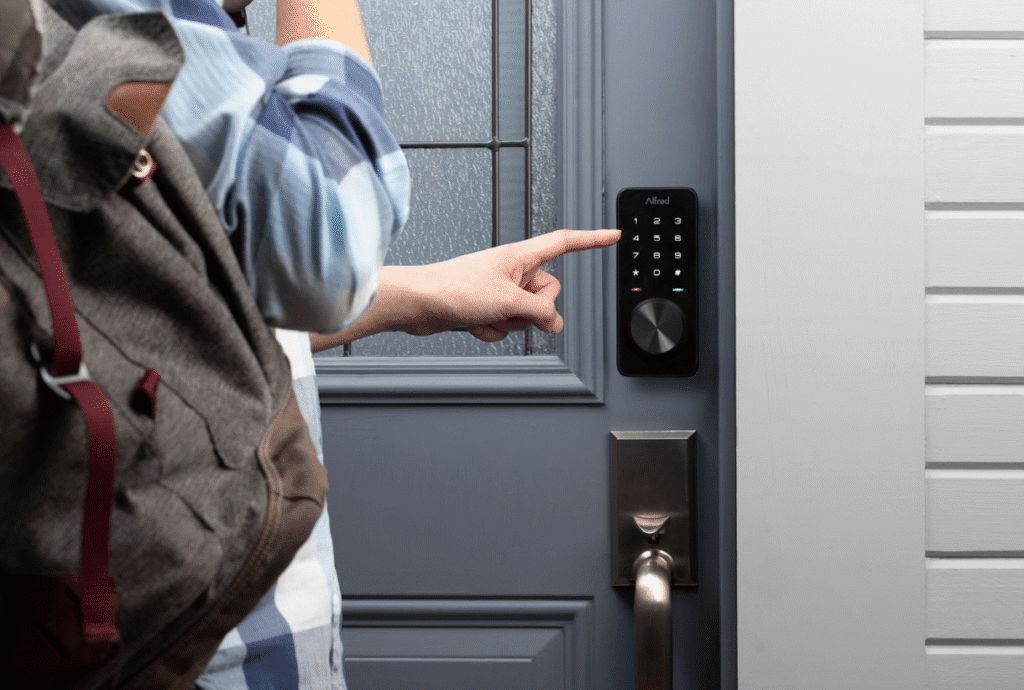
Door sensors, cameras, and alarms provide comprehensive protection, sending alerts to users’ devices when suspicious activity occurs.
9.4 Smart Kitchens and Bathrooms
Proximity and leak sensors automate faucets and detect plumbing issues early, preventing damage and saving resources.
9.5 Home Entertainment Systems
Sound and motion sensors adjust audio systems or lighting to match activity — for instance, dimming lights during movie time.
10. Installation and Maintenance of Smart Sensors
10.1 Easy Integration
Many sensors are wireless and battery-powered, making installation simple. They can connect to home Wi-Fi networks or smart hubs for synchronization.
10.2 Placement Tips
-
Install motion sensors in hallways and entrances.
-
Place temperature sensors away from direct sunlight.
-
Fit leak sensors near sinks, washing machines, and water heaters.
-
Mount door/window sensors on accessible entry points.
10.3 Maintenance Practices
-
Regularly check battery levels.
-
Clean sensors to prevent dust interference.
-
Update firmware to maintain security and performance.
11. Challenges of Smart Home Sensors
While beneficial, smart sensors come with challenges.
11.1 Connectivity Issues
Poor Wi-Fi or network interruptions may disrupt communication between devices.
11.2 Power Consumption
Battery-operated sensors require periodic replacement or recharging.
11.3 Compatibility
Different brands may use incompatible communication protocols. Selecting interoperable devices ensures seamless integration.
11.4 Data Security
Cybersecurity threats are a concern; secure networks and encrypted data transmission are essential.
12. Future of Smart Homes and Sensor Technology
The evolution of smart home sensors continues at a rapid pace.
12.1 Multi-Functional Sensors
Future sensors will combine multiple capabilities — detecting temperature, humidity, motion, and air quality simultaneously — reducing hardware needs.
12.2 Edge Computing
Processing data locally (rather than relying on cloud systems) will improve response speed and privacy.
12.3 Predictive Maintenance
Sensors will detect early signs of malfunction in home appliances and alert users before breakdowns occur.
12.4 Integration with Renewable Energy
Smart sensors will manage solar panels and energy storage, optimizing consumption based on production and usage patterns.
12.5 Emotion and Behavior Recognition
Emerging technologies will allow sensors to read environmental cues and even emotional states, adjusting lighting or temperature to enhance comfort.
13. Economic and Social Impact of Smart Homes
Smart home sensors not only improve comfort but also contribute to broader social and economic goals.
13.1 Energy Savings
Efficient automation reduces electricity bills and lowers energy demand nationally.
13.2 Accessibility and Support
Sensors assist elderly or disabled individuals through automation — such as lights turning on automatically or emergency alerts sent in case of falls.
13.3 Real Estate Value
Smart homes with integrated sensor systems attract buyers and tenants, increasing property value.
13.4 Community and Urban Integration
In smart cities, homes equipped with sensors connect to wider infrastructures — such as energy grids or waste management systems — creating efficient urban ecosystems.
14. Building a Smart Home Ecosystem
Creating an efficient smart home involves thoughtful planning.
Steps:
-
Assess needs: Identify priorities — energy efficiency, security, or comfort.
-
Select a hub: Choose a compatible platform (Alexa, Google Home, or Apple HomeKit).
-
Choose devices: Start with essential sensors — motion, temperature, and contact.
-
Ensure connectivity: Reliable Wi-Fi or mesh networks are vital.
-
Integrate automation: Use apps or routines to customize sensor-triggered actions.
Conclusion
The integration of sensors within smart homes represents one of the most significant advancements in modern living. Sensors provide intelligence, awareness, and adaptability — allowing homes to operate autonomously, efficiently, and sustainably. They bridge the gap between people and technology, creating environments that respond intuitively to daily routines and needs.
From conserving energy to ensuring safety, sensors redefine convenience and empower individuals to live smarter, not harder. As technology evolves, the next generation of smart home sensors will further personalize comfort, strengthen sustainability, and seamlessly blend technology into everyday life — marking a new era in home automation.