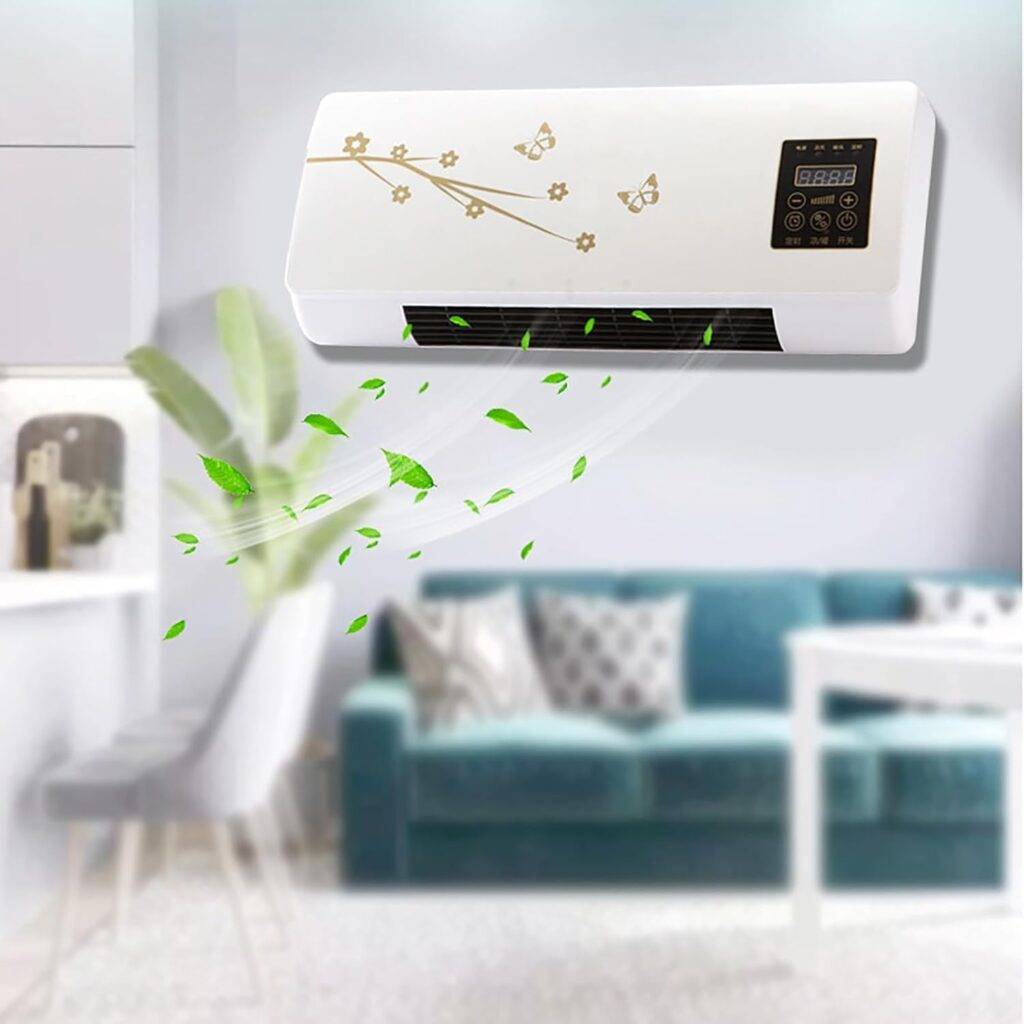
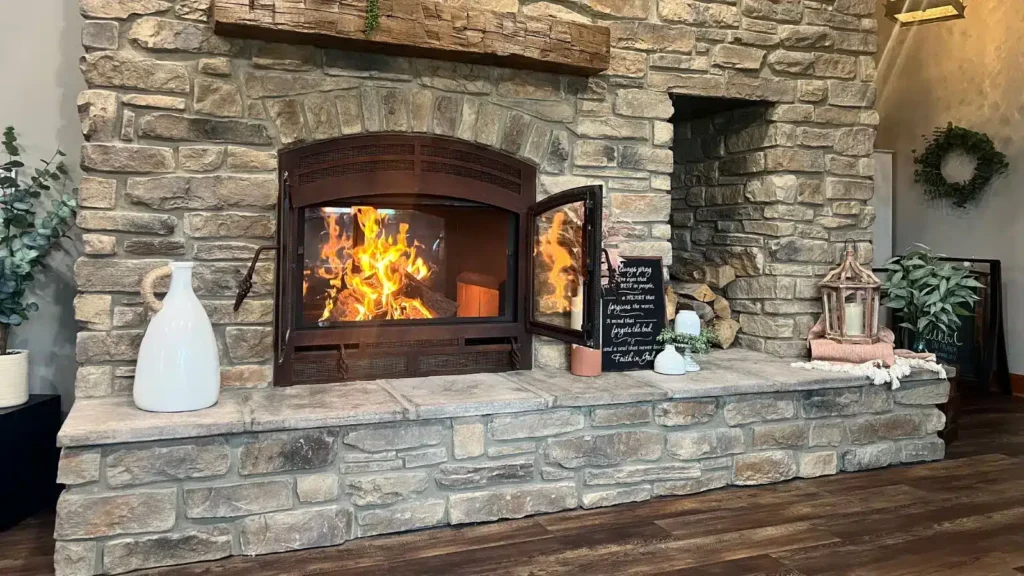
Temperature plays a vital role in human comfort, productivity, and well-being. Whether it’s a cozy home on a winter morning or a warm office environment on a chilly day, effective heating systems ensure comfort and safety. But behind every efficient heating system lies one of the most essential components — the thermostat.
Modern thermostats do far more than simply adjust temperature. They provide precision control, improve energy efficiency, and help homeowners manage heating systems intelligently. With advancements in technology, thermostats have evolved from simple manual devices to smart, automated systems that optimize comfort while reducing energy waste.
This comprehensive guide explores everything about heating and thermostats — their types, functions, working mechanisms, benefits, and the role they play in modern energy-efficient living.
1. Understanding Heating Systems
1.1 The Importance of Heating
Heating systems are essential for maintaining a comfortable indoor environment during cold seasons. In addition to comfort, proper heating protects buildings from damage caused by freezing temperatures and ensures good health by preventing exposure to cold-related illnesses.
1.2 How Heating Systems Work
Most heating systems function on the same principle — converting energy into heat and distributing it throughout a building. The energy source may vary, including electricity, natural gas, oil, or renewable sources like solar and geothermal energy.
The basic process includes:
-
Generating heat (via a furnace, boiler, or heat pump).
-
Distributing heat (through ducts, radiators, or underfloor systems).
-
Regulating temperature (using a thermostat).
2. Types of Heating Systems
Different homes and climates require different types of heating systems. Understanding each type helps in choosing the most suitable option.
2.1 Central Heating Systems
These systems distribute heat from a single source to multiple rooms.
Common Types:
-
Furnace Systems: Burn fuel or use electricity to heat air, which is distributed through ducts.
-
Boiler Systems: Use hot water or steam to heat spaces via radiators or underfloor piping.
-
Heat Pumps: Transfer heat between indoors and outdoors, functioning as both heaters and coolers.
2.2 Space Heaters
Portable units that heat individual rooms rather than the whole building. Ideal for small spaces or supplemental heating.
2.3 Underfloor (Radiant) Heating
Pipes or electrical coils installed under floors provide uniform heat distribution. This system offers comfort and efficiency, eliminating cold spots.
2.4 Electric Baseboard Heating
Electric resistance elements installed along baseboards radiate heat directly into rooms. They’re simple to install but less energy-efficient than central systems.
2.5 Hybrid Systems
These systems combine multiple energy sources — for instance, a gas furnace paired with an electric heat pump — to balance cost and performance depending on temperature conditions.
3. Thermostats: The Brain of Heating Systems
3.1 What Is a Thermostat?
A thermostat is a device that regulates a building’s temperature by controlling the heating or cooling system. It senses the ambient temperature and activates or deactivates the heating system to maintain a pre-set comfort level.
In essence, thermostats act as the control center for temperature regulation, providing convenience and energy savings.
3.2 How a Thermostat Works
Thermostats detect changes in room temperature using sensors. When the temperature drops below the desired setting, the thermostat signals the heating system to turn on. Once the set temperature is reached, it instructs the system to shut off — maintaining balance and avoiding unnecessary energy use.
4. Types of Thermostats
Thermostats have evolved from simple manual controls to sophisticated smart devices. Understanding each type helps homeowners make energy-efficient choices.
4.1 Manual Thermostats
The simplest form — users manually set and adjust temperature. While inexpensive, they lack automation and are less efficient in maintaining consistent comfort.
4.2 Programmable Thermostats
Allow users to schedule temperature changes based on time or day. For example, they can lower heating at night or when the home is unoccupied, saving energy automatically.
4.3 Digital Thermostats
Digital displays offer precision control and easy readability. Many models include basic programming functions and user-friendly interfaces.
4.4 Smart Thermostats
The most advanced option — smart thermostats use sensors, Wi-Fi connectivity, and artificial intelligence to learn user habits and adjust heating automatically.
Features include:
-
Remote control via smartphone apps.
-
Voice integration with systems like Alexa or Google Home.
-
Energy usage tracking and optimization.
-
Geofencing (adjusting temperature based on user location).
4.5 Wi-Fi and Learning Thermostats
Wi-Fi thermostats sync with smart devices for remote access. Learning thermostats go a step further by analyzing user behavior and adjusting settings accordingly — offering both comfort and savings.
5. The Connection Between Heating and Thermostats
Thermostats act as the control interface for heating systems, linking human comfort with mechanical function. Without an efficient thermostat, even the best heating system cannot perform optimally.
5.1 Energy Efficiency
A properly functioning thermostat ensures that energy is used only when necessary. For example, lowering the temperature by just one degree can reduce energy consumption by up to 5%.
5.2 Comfort and Consistency
Thermostats eliminate temperature fluctuations, maintaining a consistent indoor climate that enhances comfort throughout the day and night.
5.3 Cost Reduction
Automated temperature management reduces unnecessary heating, resulting in lower utility bills over time.
6. Components of a Heating and Thermostat System
6.1 Key Components
-
Heating Source: Furnace, boiler, or heat pump.
-
Distribution Network: Ducts, vents, or pipes.
-
Thermostat: Control and feedback mechanism.
-
Sensors and Relays: Detect temperatures and signal changes.
6.2 Integration and Compatibility
Modern thermostats are designed to work seamlessly with various heating systems. However, ensuring compatibility during installation is vital for proper operation and efficiency.
7. Benefits of Using Thermostats in Heating Systems
7.1 Temperature Control and Precision
Thermostats allow precise adjustments tailored to personal comfort, ensuring optimal indoor conditions at all times.
7.2 Improved Energy Efficiency
Smart and programmable thermostats optimize heating schedules, significantly reducing waste.
7.3 Enhanced Comfort Automation
Advanced thermostats adapt to daily routines — warming spaces before you wake up and lowering temperatures when you leave home.
7.4 Environmental Benefits
Energy-efficient heating systems reduce carbon emissions, contributing to environmental sustainability.
7.5 Data and Monitoring
Many modern thermostats provide insights into energy use, helping homeowners track patterns and make informed efficiency improvements.
8. Installation and Maintenance
8.1 Proper Installation
Correct thermostat placement is essential:
-
Install on an interior wall away from direct sunlight or drafts.
-
Avoid areas near vents, windows, or doors.
-
Ensure proper wiring and calibration for accurate readings.
Professional installation ensures compatibility and safe connection to existing systems.
8.2 Routine Maintenance
-
Replace thermostat batteries annually (if applicable).
-
Clean dust buildup from vents and sensors.
-
Calibrate temperature sensors periodically.
-
Schedule annual heating system inspections.
Routine maintenance prolongs the life of both the thermostat and heating system.
9. Energy Efficiency Tips for Heating Systems
Efficient use of heating and thermostats reduces both energy consumption and costs.
9.1 Optimize Thermostat Settings
-
Set thermostats to 18–21°C (65–70°F) when occupied.
-
Lower temperature by 3–4°C (5–7°F) when away or sleeping.
-
Use programmable or smart thermostats for automatic adjustments.
9.2 Improve Home Insulation
Seal gaps, insulate walls and roofs, and use double-glazed windows to prevent heat loss.
9.3 Use Zoning Systems
Install multiple thermostats for different areas, allowing targeted heating and avoiding unnecessary energy use.
9.4 Regular Equipment Servicing
Clean filters and service heating units annually to maintain performance and efficiency.
10. Smart Heating and Modern Technology
The heating industry continues to innovate, merging digital technology with energy management.
10.1 Internet of Things (IoT) Integration
Connected thermostats communicate with other smart home devices — optimizing heating based on real-time weather data or occupancy detection.
10.2 Machine Learning and Automation
AI-enabled thermostats learn user routines, predicting preferences for heating schedules and automatically adapting to them.
10.3 Voice-Control Systems
Integration with voice assistants like Alexa, Google Assistant, or Siri enables hands-free temperature adjustments.
10.4 Smart Sensors
Advanced thermostats use motion and humidity sensors to fine-tune comfort levels across multiple rooms.
11. Sustainability and Environmental Impact
11.1 Reducing Carbon Footprint
Energy-efficient heating systems paired with smart thermostats reduce fuel consumption and greenhouse gas emissions.
11.2 Renewable Heating Sources
Integrating thermostats with solar-powered or geothermal heating systems further enhances sustainability.
11.3 Government Incentives
Many countries offer rebates or incentives for installing energy-efficient heating systems or smart thermostats as part of environmental initiatives.
12. Common Heating and Thermostat Problems
12.1 Uneven Heating
Often caused by poor thermostat placement, blocked vents, or malfunctioning sensors.
12.2 Inaccurate Temperature Readings
Dust accumulation or incorrect calibration can cause faulty readings, leading to inefficiency.
12.3 Frequent Cycling
If the system turns on and off too often, it may indicate issues with thermostat wiring or oversensitivity.
12.4 System Not Responding
May result from low batteries, tripped circuit breakers, or damaged wiring.
12.5 Connectivity Issues (Smart Thermostats)
Wi-Fi or app-related problems can disrupt remote control features — resetting or firmware updates usually resolve these.
13. Future Trends in Heating and Thermostat Technology
13.1 Predictive Heating Systems
Future systems will use artificial intelligence and predictive analytics to anticipate temperature needs based on user behavior and weather forecasts.
13.2 Integration with Renewable Energy
Smart thermostats will increasingly coordinate with solar panels or smart grids, balancing energy consumption based on supply levels.
13.3 Voice and Gesture Controls
Beyond voice commands, gesture recognition will offer even easier control of home temperatures.
13.4 Enhanced Data Analytics
Thermostats will provide detailed reports on carbon emissions, efficiency levels, and personalized energy-saving suggestions.
14. Cost Considerations and Savings
14.1 Initial Investment
While smart thermostats and efficient heating systems may cost more initially, they deliver significant long-term savings.
14.2 Long-Term Benefits
-
Reduced monthly energy bills.
-
Extended equipment lifespan.
-
Increased property value through modern upgrades.
According to energy studies, homes using smart thermostats can save up to 10–15% annually on heating and cooling costs.
15. The Relationship Between Heating, Health, and Comfort
Temperature control isn’t just about comfort — it affects health and indoor air quality.
-
Consistent warmth prevents respiratory issues and cold-related illnesses.
-
Proper humidity levels maintained by thermostats prevent dryness.
-
Clean air filters ensure healthier breathing environments.
Maintaining an ideal balance of warmth and air circulation is essential for overall well-being.
16. Safety Measures in Heating Systems
16.1 Regular Inspections
Check for gas leaks, carbon monoxide emissions, or faulty wiring. Install detectors for added safety.
16.2 Safe Thermostat Settings
Avoid setting extremely high temperatures to prevent overheating and system strain.
16.3 Fire Safety
Keep flammable materials away from heaters and radiators.
16.4 Professional Servicing
Have certified technicians handle repairs, installations, or upgrades to ensure safety and compliance with regulations.
Conclusion
Efficient heating and intelligent thermostat systems are fundamental to modern living. They provide comfort, save energy, and contribute to environmental sustainability. The thermostat — a small but powerful device — has transformed from a simple dial into an intelligent controller capable of managing entire home environments with precision and ease.
As technology advances, the connection between heating and thermostats will continue to strengthen, offering homeowners greater control, automation, and efficiency. Whether through smart sensors, programmable settings, or eco-friendly integration, these systems represent the future of comfort and responsible energy use.
Investing in proper heating and thermostatic control isn’t just about maintaining warmth — it’s about creating healthier, sustainable, and more efficient spaces for generations to come.