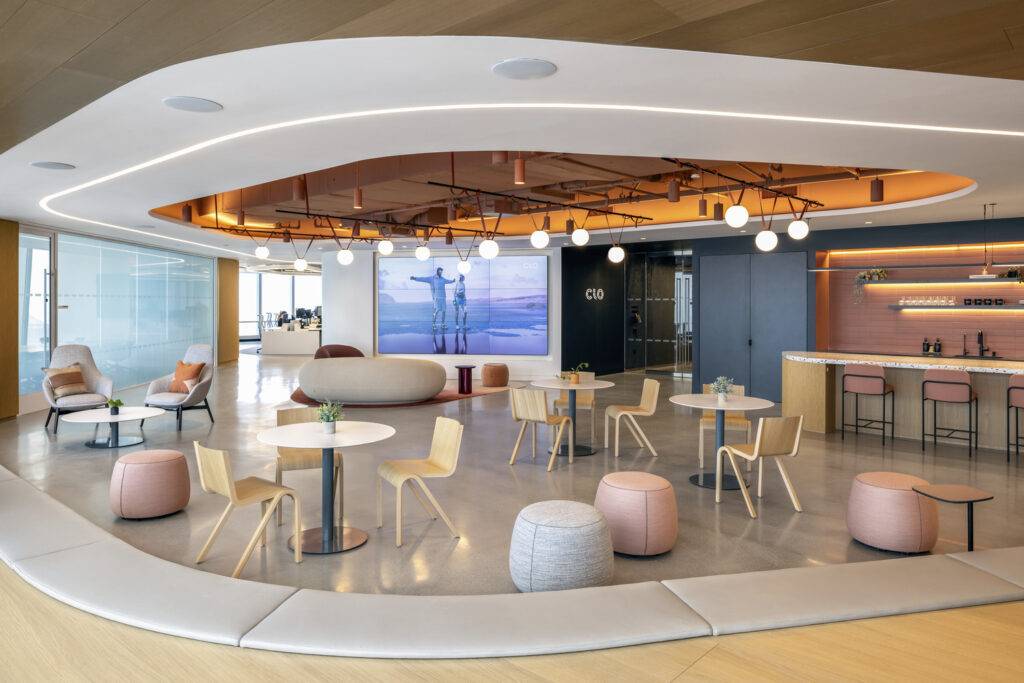
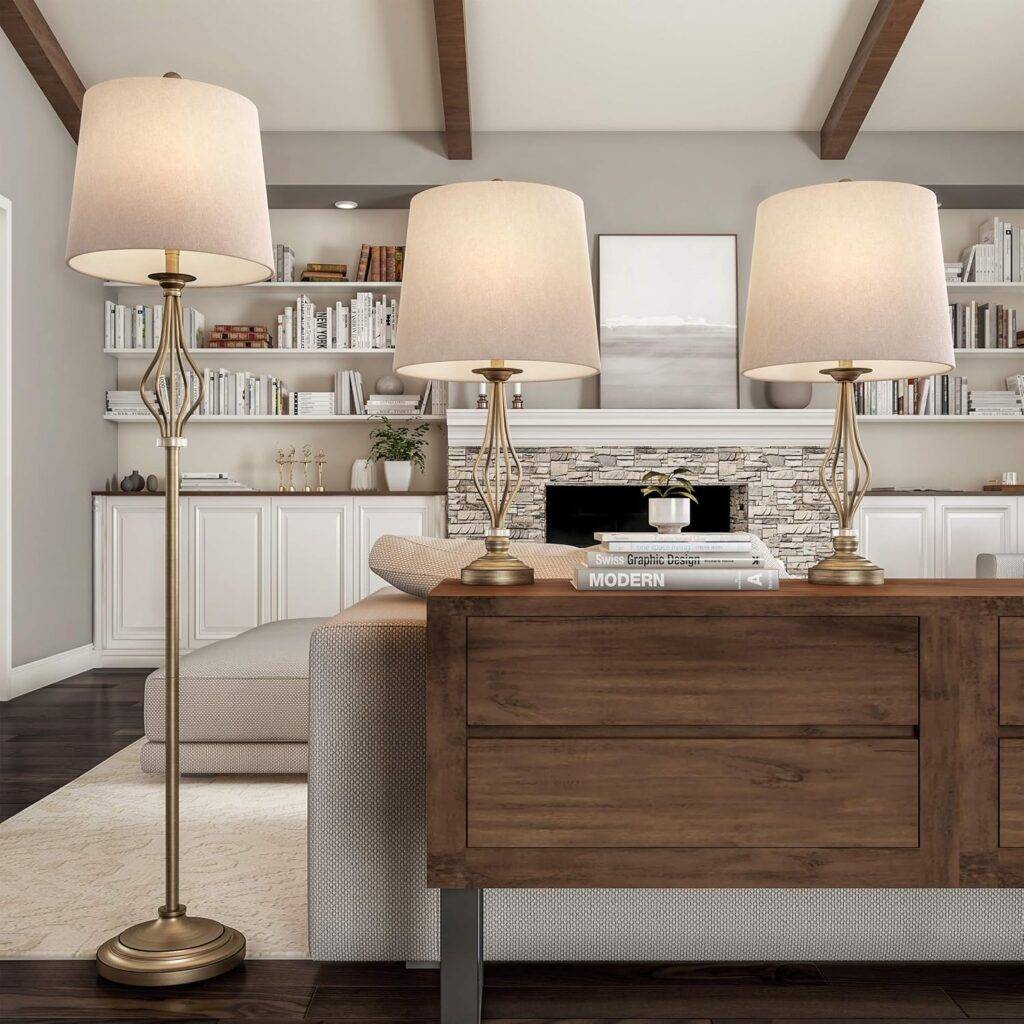
Lighting plays a vital role in shaping how we see and experience our surroundings. It is one of the most powerful yet often overlooked elements of design. Good lighting transforms spaces — creating mood, enhancing aesthetics, and improving functionality. Whether indoors or outdoors, it influences the way we live, work, and feel.
When it comes to outdoor lighting, its role goes beyond aesthetics. It provides safety, highlights architectural features, and allows people to enjoy outdoor areas long after sunset. From subtle pathway lights to striking wall sconces, outdoor illumination turns any home exterior into a welcoming and practical space.
This comprehensive guide explores the importance of lighting, the different types and techniques, materials, styles, and how outdoor lighting can enhance both residential and commercial environments.
1. Understanding the Importance of Lighting
Lighting is not just about brightness — it’s about creating atmosphere, defining spaces, and improving visibility. It’s one of the fundamental pillars of interior and exterior design.
1.1 Functional Purpose
At its core, lighting ensures visibility. It allows people to carry out tasks safely and efficiently, whether cooking in a kitchen, reading in a living room, or walking down a garden path.
1.2 Aesthetic Value
Lighting adds depth and character. The direction, color, and intensity of light can transform a room’s appearance, emphasizing architectural details or setting a specific mood.
1.3 Emotional Influence
Light affects emotions and well-being. Soft, warm lighting creates comfort and relaxation, while cool, bright light enhances alertness and focus. Outdoor spaces benefit greatly from lighting that evokes calmness, especially in garden or patio areas.
2. The Basics of Lighting Design
Designing with light involves understanding the types, sources, and distribution of illumination. Balancing these factors ensures a harmonious environment.
2.1 Three Main Types of Lighting
-
Ambient Lighting (General Lighting):
Provides overall illumination for an area. Examples include ceiling lights, wall-mounted fixtures, and outdoor floodlights. -
Task Lighting:
Focused light used for specific activities such as reading, cooking, or working. In outdoor settings, task lighting includes porch lights and garage lights. -
Accent Lighting:
Decorative lighting that highlights specific features — such as art, plants, or architectural details. For outdoors, accent lights emphasize trees, pathways, or water features.
2.2 Balancing the Layers
A well-lit space combines all three lighting layers. For instance, a garden may have ambient floodlights for visibility, pathway lights for safety (task lighting), and uplights to highlight trees (accent lighting).
3. Types of Lighting Fixtures
Choosing the right fixture enhances both functionality and aesthetics. Here are the most common types:
3.1 Indoor Lighting Fixtures
-
Ceiling Lights: The most common form of general lighting for interiors.
-
Pendant Lamps: Provide targeted light while adding design appeal.
-
Wall Sconces: Offer soft illumination, perfect for hallways or living rooms.
-
Recessed Lighting: Sleek and modern, used for ambient or accent lighting.
-
Floor and Table Lamps: Add flexibility and style to personal spaces.
3.2 Outdoor Lighting Fixtures
Outdoor lighting fixtures must withstand weather and environmental conditions while providing illumination and safety.
-
Wall Lights: Mounted near entryways or patios for general lighting.
-
Floodlights: Powerful lights for wide coverage, commonly used in gardens or driveways.
-
Pathway Lights: Small, decorative lights that guide walkways or garden paths.
-
Spotlights: Highlight architectural elements or trees.
-
String Lights: Decorative, soft lighting for patios and outdoor dining areas.
-
Solar Lights: Energy-efficient lights powered by sunlight, ideal for sustainable outdoor design.
4. Outdoor Lighting: Extending Living Spaces
Outdoor lighting transforms the way we use exterior areas. It makes gardens, decks, and patios usable at all hours while enhancing the property’s appearance.
4.1 The Functional Role of Outdoor Lighting
-
Safety: Proper lighting prevents trips and falls along walkways, stairs, and driveways.
-
Security: Well-lit exteriors deter intruders and improve surveillance visibility.
-
Ambiance: Lighting sets the mood for outdoor gatherings, dining, or relaxation.
-
Aesthetic Enhancement: Highlights architecture, landscapes, and decorative features.
4.2 Areas that Benefit Most from Outdoor Lighting
-
Entryways and Porches: Create welcoming first impressions.
-
Driveways and Garages: Improve visibility during nighttime arrival.
-
Pathways and Steps: Ensure safe navigation.
-
Gardens and Yards: Showcase plants and landscaping.
-
Decks and Patios: Provide cozy atmospheres for social spaces.
-
Fences and Walls: Define boundaries and add visual depth.
5. Different Types of Outdoor Lighting
5.1 Landscape Lighting
Used to enhance outdoor landscapes, such as lawns, trees, or flower beds. Popular techniques include uplighting, downlighting, and silhouetting, all designed to create texture and contrast.
5.2 Pathway and Step Lighting
Small, low-voltage lights guide people safely along walkways, stairs, and driveways. Solar options are popular for energy efficiency and low maintenance.
5.3 Deck and Patio Lighting
Recessed floor lights, string lights, or wall sconces make patios and decks both practical and inviting. They create intimate environments for gatherings and dining.
5.4 Security and Flood Lighting
Bright, motion-activated lights protect properties by illuminating dark corners and perimeters. LED floodlights are efficient, durable, and long-lasting.
5.5 Architectural Lighting
Used to highlight textures, shapes, and features of a building. Wall washers, spotlights, and ground lights reveal the beauty of stone walls, pillars, and facades.
6. The Aesthetic Value of Outdoor Lighting
Outdoor lighting contributes significantly to curb appeal and the overall design harmony of a home.
6.1 Creating Visual Interest
Strategic lighting adds layers and depth, enhancing visual perception. Uplighting trees or garden statues, for example, creates a dramatic effect.
6.2 Color Temperature and Mood
-
Warm white (2700K–3000K): Creates a cozy and welcoming ambiance.
-
Cool white (4000K–5000K): Ideal for modern, crisp, and functional lighting.
-
Daylight (5000K+): Best for security or task-based areas.
Mixing color temperatures strategically can define different zones in an outdoor space.
7. Lighting Materials and Finishes
Outdoor lighting fixtures must balance durability with aesthetics.
7.1 Common Materials
-
Aluminum: Lightweight and corrosion-resistant.
-
Stainless Steel: Sleek and modern, ideal for contemporary homes.
-
Brass: Offers classic appeal and excellent weather resistance.
-
Copper: Develops a natural patina over time, adding rustic charm.
-
Resin and Plastic: Budget-friendly and weatherproof.
7.2 Finishes
Finishes can complement or contrast architectural styles — from matte black and bronze to brushed nickel and antique gold.
8. Sustainable and Energy-Efficient Lighting
Modern lighting design emphasizes sustainability without compromising style.
8.1 LED Lighting
LEDs consume up to 80% less energy than incandescent bulbs and last significantly longer. They’re now available in various color temperatures and brightness levels.
8.2 Solar Lighting
Solar lights convert sunlight into energy, making them ideal for outdoor use. They reduce electricity costs and are easy to install without wiring.
8.3 Motion Sensors and Timers
Adding motion sensors ensures lights activate only when needed, saving power. Timers and smart controls automate outdoor lighting schedules for efficiency and security.
9. Lighting Design Tips for Outdoor Spaces
A good outdoor lighting plan balances form, function, and ambiance.
-
Layer the Lighting: Combine ambient, task, and accent lights.
-
Highlight Features: Use spotlights to draw attention to trees, sculptures, or walls.
-
Ensure Safety: Place lights along pathways, stairs, and driveways.
-
Avoid Over-Illumination: Too much light can create glare or disrupt the natural ambiance.
-
Use Warm Light: Soft tones enhance comfort and relaxation.
-
Think About Shadows: Strategic shadows create contrast and dimension.
-
Use Weatherproof Fixtures: Outdoor lights should be IP-rated for moisture resistance.
10. The Psychological and Social Impact of Lighting
Light profoundly affects how we feel and interact. In outdoor spaces, well-designed lighting encourages social gatherings, relaxation, and connection with nature.
-
Mood Enhancement: Warm, dim lighting fosters intimacy and calmness.
-
Perception of Space: Lighting can make small areas feel larger or highlight architectural balance.
-
Sense of Safety: A well-lit home exterior creates comfort and security for residents and guests alike.
Outdoor lighting connects functionality with emotion — turning a simple backyard into a sanctuary of light and life.
11. Trends in Modern Lighting and Outdoor Design
Lighting design continually evolves with technology and creativity. Current trends focus on sustainability, minimalism, and integration with architecture.
11.1 Smart Lighting Systems
Smart outdoor lighting allows users to control brightness, color, and timing via mobile apps or voice assistants. It combines convenience with energy efficiency.
11.2 Hidden and Recessed Fixtures
Modern designs favor subtle lighting. Concealed fixtures emphasize architectural lines and textures without visual clutter.
11.3 Decorative Statement Pieces
Oversized pendant lights or lanterns serve as outdoor centerpieces, particularly in dining or lounging areas.
11.4 Natural Integration
Designers now merge lighting with landscaping elements like planters, wooden decks, or water features to achieve organic harmony.
12. Maintenance and Longevity of Outdoor Lighting
Outdoor lights face constant exposure to weather, requiring regular maintenance.
12.1 Cleaning and Care
-
Wipe lenses and housings periodically to prevent dirt buildup.
-
Inspect wiring and connections for corrosion or wear.
-
Replace faulty bulbs or batteries in solar units promptly.
12.2 Seasonal Adjustments
Adjust light direction or brightness according to seasonal changes in sunlight and foliage.
12.3 Quality and Warranty
Investing in high-quality fixtures with proper IP ratings (Ingress Protection) ensures durability against rain, dust, and humidity.
13. Lighting for Safety and Security
Beyond beauty, lighting is an essential security feature.
-
Motion Sensors: Detect movement to illuminate driveways or backyards.
-
Floodlights: Cover large areas for visibility.
-
Entryway Lighting: Helps identify visitors and deters unwanted access.
-
Perimeter Lighting: Reduces dark spots around the property.
Effective security lighting balances brightness with subtlety — ensuring safety without overwhelming the environment.
14. Combining Indoor and Outdoor Lighting Schemes
A cohesive lighting plan bridges the indoors and outdoors, creating continuity between spaces.
-
Use matching finishes or color tones for both interior and exterior fixtures.
-
Align light intensity to transition smoothly between environments.
-
Extend indoor themes — such as modern minimalism or rustic charm — into outdoor areas for design unity.
Seamless transitions make the home feel more spacious and connected to nature.
15. The Future of Lighting Design
Emerging technology is redefining lighting possibilities. The future of lighting and outdoor lighting emphasizes innovation, sustainability, and personalization.
-
Human-Centric Lighting: Adjusts color temperature to align with circadian rhythms.
-
Kinetic Energy Lighting: Converts movement into power.
-
AI-Controlled Illumination: Predicts user preferences and optimizes energy use.
-
Biophilic Design: Integrates lighting that mimics natural sunlight, enhancing well-being.
These innovations reflect a growing shift toward intelligent, eco-conscious lighting systems that adapt to people’s lifestyles.
Conclusion
Lighting is more than a design element — it’s a language of atmosphere, emotion, and functionality. Indoors, it defines how we perceive spaces; outdoors, it extends comfort and beauty into nature.
Whether it’s a soft porch light guiding you home or accent lights revealing the texture of a garden wall, lighting shapes experiences and moods. Thoughtfully designed outdoor lighting not only beautifies but also protects, inviting people to enjoy the serenity of night with warmth and confidence.
As technology evolves and sustainability becomes essential, lighting continues to illuminate our homes and lives — bridging art, innovation, and everyday comfort.