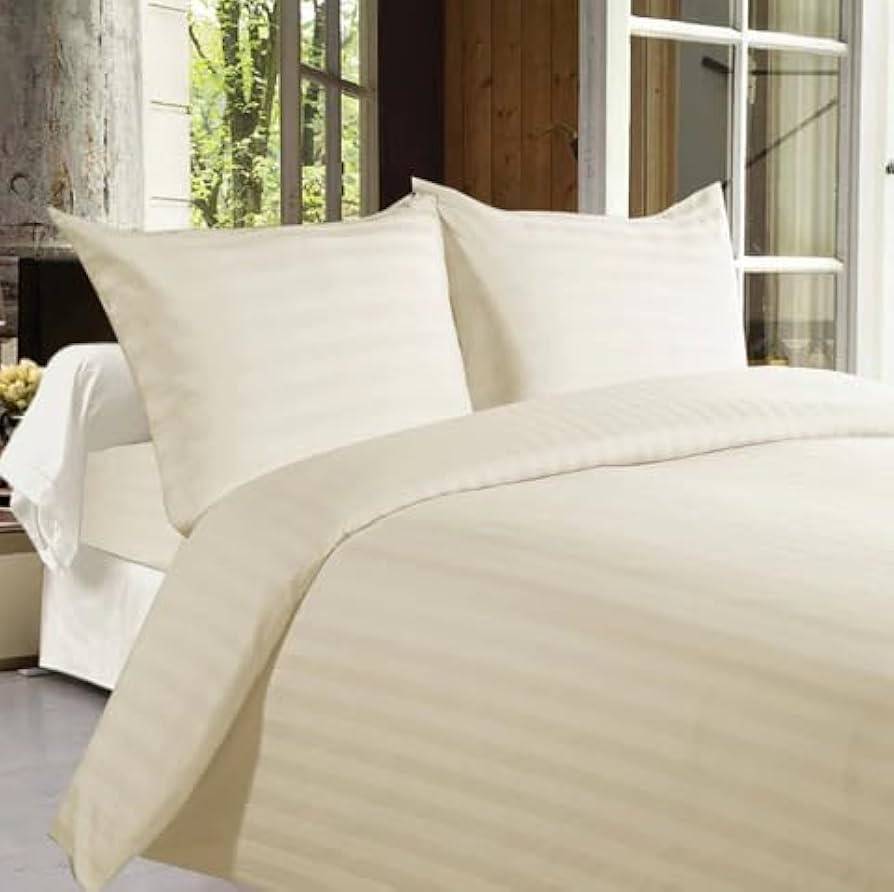
Furniture plays an essential role in shaping how we live, work, and relax. From cozy living rooms to functional outdoor spaces, furniture defines comfort and style. Whether it’s the sofa that welcomes you home, the dining table where family gathers, or the outdoor lounge where you unwind after a long day, furniture is the silent backbone of every space.
In recent years, the concept of furniture has evolved beyond indoor use. More homeowners now invest in outdoor furniture and patio furniture to create functional, relaxing, and visually appealing outdoor areas. These spaces are now considered an extension of the home — a place to enjoy nature while maintaining the comfort of indoor living.
This comprehensive guide explores everything about furniture, outdoor furniture, and patio furniture — from materials and styles to maintenance tips and design trends.
1. The Importance of Furniture in Everyday Living
Furniture is more than just a practical necessity; it’s an expression of lifestyle, taste, and comfort. Every piece — whether a chair, bed, or table — serves a purpose while contributing to the overall ambiance of a space.
1.1 Functional Role
Furniture provides structure and function to an interior or exterior area. Chairs, tables, and beds make life comfortable, while storage furniture like cabinets and wardrobes keep spaces organized and clutter-free.
1.2 Aesthetic Value
Beyond functionality, furniture adds character. The right combination of color, texture, and design can transform any environment. Modern furniture often blends minimalist design with multifunctionality, while classic furniture embraces rich wood tones and ornate details.
1.3 Reflecting Personality and Lifestyle
The furniture you choose reflects your personality and how you live. Some prefer sleek, contemporary pieces, while others love vintage or rustic designs. Outdoor furniture, for example, reveals a person’s appreciation for nature and relaxation.
2. Outdoor Furniture: Expanding Living Spaces
2.1 What Is Outdoor Furniture?
Outdoor furniture, also called patio furniture, is specifically designed to withstand outdoor conditions. Made from durable materials such as aluminum, teak, wicker, and synthetic rattan, these pieces resist weather elements like sun, rain, and wind.
Outdoor furniture allows you to enjoy the outdoors with the same comfort and functionality as indoor furniture. Common pieces include outdoor sofas, dining sets, loungers, and benches.
2.2 Benefits of Outdoor Furniture
-
Extends Living Space: Outdoor furniture turns patios, decks, and gardens into usable areas for dining, entertaining, or relaxing.
-
Boosts Property Value: Well-designed outdoor spaces add aesthetic appeal and increase a home’s resale value.
-
Encourages Outdoor Living: Comfortable seating and weather-resistant materials encourage people to spend more time outside.
-
Promotes Well-being: Fresh air, natural light, and outdoor relaxation contribute to mental and physical health.
3. Patio Furniture: Creating the Perfect Outdoor Retreat
3.1 What Makes Patio Furniture Special?
Patio furniture is a subset of outdoor furniture designed for patios, terraces, and decks. It’s usually chosen for style and comfort while being durable enough to handle environmental exposure. Patio furniture often includes sets — matching chairs, tables, and umbrellas — designed for cohesive outdoor aesthetics.
3.2 Popular Types of Patio Furniture
-
Patio Dining Sets: Ideal for outdoor meals and family gatherings.
-
Lounge Chairs and Sofas: Perfect for relaxation and sunbathing.
-
Patio Umbrellas: Provide shade and UV protection.
-
Fire Pit Tables: Add warmth and ambiance during cool evenings.
-
Outdoor Sectionals: Offer flexible seating arrangements for large spaces.
3.3 Choosing the Right Patio Furniture
When selecting patio furniture, consider the following:
-
Material Durability: Opt for weather-resistant materials like aluminum, teak, or resin wicker.
-
Comfort: Cushioned seating improves comfort for long outdoor stays.
-
Style Consistency: Match your patio furniture style with your home’s exterior design.
-
Maintenance Needs: Some materials require regular cleaning and sealing to last longer.
4. Materials Used in Furniture and Outdoor Furniture
Choosing the right material ensures longevity, comfort, and style. Each material has its advantages and is suited to specific environments.
4.1 Wood
Wood remains a timeless choice for both indoor and outdoor furniture. Teak, cedar, and eucalyptus are popular for outdoor use due to their natural resistance to moisture and insects.
-
Pros: Warm aesthetic, durable, and sustainable.
-
Cons: Requires periodic maintenance like sealing or oiling.
4.2 Metal
Metal furniture, including aluminum, wrought iron, and steel, provides strength and modern appeal.
-
Pros: Durable, stylish, and ideal for contemporary spaces.
-
Cons: Can heat up under sunlight; may need anti-rust treatment.
4.3 Wicker and Rattan
Synthetic wicker (resin or polyethylene) is widely used in patio furniture for its lightweight and weather-resistant nature.
-
Pros: Comfortable, stylish, and easy to move.
-
Cons: Natural wicker isn’t suitable for all-weather exposure.
4.4 Plastic and Resin
Plastic furniture has evolved to mimic wood and metal finishes while being lightweight and affordable.
-
Pros: Low maintenance, affordable, and weatherproof.
-
Cons: Less luxurious appearance compared to wood or metal.
4.5 Fabric
Outdoor fabrics like Sunbrella, olefin, and polyester are engineered to resist fading, mold, and moisture.
-
Pros: Comfortable and available in various colors and patterns.
-
Cons: Requires occasional cleaning and replacement over time.
5. Trends in Modern Furniture and Patio Design
5.1 Sustainable Furniture
Eco-friendly materials are increasingly popular. Recycled wood, bamboo, and reclaimed metal are used to minimize environmental impact. Sustainability also involves choosing long-lasting pieces over fast furniture.
5.2 Minimalist and Functional Designs
Modern homes favor clean lines, neutral colors, and functional furniture that maximizes space. Multifunctional designs, such as benches with storage or convertible tables, are especially popular.
5.3 Blending Indoor and Outdoor Living
Designers are blurring the boundaries between indoor and outdoor spaces. Using similar color palettes, materials, and styles creates a seamless flow between the two.
5.4 Smart and Modular Furniture
Technology is reshaping furniture design. Outdoor furniture now integrates features like built-in lighting, USB ports, and weather sensors. Modular furniture allows customization and flexibility for changing needs.
6. Maintaining Furniture for Longevity
Proper maintenance ensures furniture remains beautiful and functional for years.
6.1 Indoor Furniture Care
-
Dust regularly using microfiber cloths.
-
Avoid direct sunlight to prevent fading.
-
Use coasters and mats to protect surfaces from heat and stains.
6.2 Outdoor and Patio Furniture Care
Outdoor furniture endures harsher conditions, so maintenance is key.
-
Clean Routinely: Remove dirt and debris with mild soap and water.
-
Protect with Covers: Use waterproof covers when not in use.
-
Store During Winter: Keep furniture in a covered space during harsh weather.
-
Re-seal Wood: Apply sealant or oil annually to preserve the finish.
6.3 Fabric and Cushion Maintenance
-
Wash removable covers as per manufacturer instructions.
-
Dry thoroughly to prevent mold and mildew.
-
Store cushions indoors when not in use.
7. Arranging and Styling Furniture for Maximum Appeal
7.1 Indoor Furniture Arrangement
-
Maintain a clear traffic flow by avoiding clutter.
-
Use rugs to define areas in open-plan layouts.
-
Balance large and small furniture for proportionate aesthetics.
7.2 Outdoor Furniture Styling
-
Arrange seating around focal points like a fire pit or garden view.
-
Use lighting (string lights, lanterns, or solar lamps) for evening ambiance.
-
Add potted plants, throws, and outdoor rugs for a cozy, lived-in feel.
8. Factors to Consider Before Buying Furniture
When investing in furniture, keep these factors in mind:
-
Space Measurement: Ensure the furniture fits comfortably within your space.
-
Purpose: Choose designs that suit your lifestyle — lounging, dining, entertaining, etc.
-
Material Quality: High-quality materials ensure longevity.
-
Budget: Plan a realistic budget that balances affordability and durability.
-
Aesthetic Compatibility: The furniture should complement the existing decor.
9. Future of Furniture Design
As technology and sustainability continue to evolve, furniture design is heading toward innovation and eco-consciousness. Smart furniture that integrates digital convenience and modular systems for compact living will dominate future trends. Outdoor and patio furniture will continue merging comfort with sustainability — using recycled materials, solar-powered lighting, and weather-smart fabrics.
10. Innovative Furniture Ideas for Modern Living Spaces
In today’s fast-paced lifestyle, furniture design is evolving to meet the needs of functionality, sustainability, and aesthetic appeal. Whether it’s indoor furniture for compact apartments or outdoor furniture that complements large patios, innovation is at the core of modern design. Homeowners are no longer looking only for comfort — they seek intelligent, versatile, and visually appealing pieces that adapt to their way of life.
10.1 Multi-Functional Furniture: Maximizing Utility
Multi-functional furniture has become essential in both urban and suburban homes. These are pieces that serve multiple purposes without sacrificing design. For instance, a sofa that doubles as a pull-out bed or a coffee table with hidden storage compartments is perfect for small living rooms. Likewise, modular shelving units that combine seating and display sections make interiors more adaptable.
In outdoor settings, patio furniture often follows the same philosophy. Adjustable lounge chairs, foldable dining sets, and modular sectionals can be rearranged to suit different occasions. This flexibility allows homeowners to transform their patios from quiet reading corners to social gathering areas within minutes.
10.2 Smart Furniture and Technological Integration
The furniture industry is also embracing digital innovation. Smart furniture includes features like built-in wireless charging ports, Bluetooth speakers, and ambient lighting systems that respond to voice commands or smartphone apps. In outdoor environments, technology enhances functionality — such as solar-powered tables, weather sensors that activate protective covers, or temperature-controlled patio umbrellas.
Smart outdoor furniture not only adds convenience but also ensures safety and efficiency. Imagine a patio set that charges devices while you relax, or an outdoor sofa that adjusts its lighting based on sunset timing. These advancements redefine comfort and align with modern sustainable lifestyles.
11. Exploring Global Styles in Furniture Design
Furniture styles are deeply influenced by culture, geography, and history. Understanding these styles helps homeowners choose pieces that resonate with their personal taste while maintaining global appeal.
11.1 Scandinavian Simplicity
Scandinavian design remains one of the most sought-after styles in contemporary homes. Characterized by clean lines, light wood tones, and minimal ornamentation, this design emphasizes functionality and coziness — often described by the Danish concept of hygge. Outdoor furniture in Scandinavian style typically features neutral colors, simple silhouettes, and sustainable materials like teak or recycled wood.
11.2 Mediterranean Warmth
Mediterranean-inspired furniture exudes warmth and natural charm. It draws influence from coastal living, featuring wrought iron, terracotta, and light-hued fabrics. For patios and outdoor spaces, Mediterranean furniture often includes mosaic-tiled tables, wicker chairs, and colorful cushions that reflect seaside tranquility.
11.3 Industrial and Urban Influence
Industrial design is ideal for city homes and modern apartments. It emphasizes raw materials like metal, concrete, and reclaimed wood. Pairing a metal-framed coffee table with a leather sofa creates a strong, contemporary look. Outdoor versions of this trend include steel dining sets and cement-finish tables, offering durability and a rugged aesthetic.
11.4 Asian-Inspired Balance
Asian-style furniture draws inspiration from Zen philosophy, focusing on harmony, natural materials, and balance. Bamboo, rattan, and neutral color palettes define this design. Low seating arrangements and clean silhouettes make it ideal for outdoor areas meant for relaxation and mindfulness.
12. The Role of Color and Texture in Furniture Design
Color and texture significantly impact how furniture feels and looks within a space. They can make small rooms appear larger, bring warmth to cold areas, or establish a specific mood.
12.1 Color Psychology in Furniture Selection
-
Neutral tones (white, beige, gray) create calm, versatile backgrounds.
-
Earthy shades (brown, tan, green) evoke nature and warmth — perfect for outdoor furniture.
-
Bold colors (navy, mustard, emerald) add personality and highlight specific zones, such as an outdoor dining area or reading nook.
Choosing the right colors can make patio furniture feel like an extension of the home rather than a separate space. Outdoor cushions, rugs, and parasols can also follow a coordinated color scheme to tie the entire setup together.
12.2 The Importance of Texture
Texture enhances both comfort and aesthetic appeal. Smooth surfaces like glass or metal convey modernity, while rough textures like rattan, linen, or natural wood create a rustic charm. Combining different textures — for example, pairing a wooden coffee table with a soft fabric sofa — results in visual interest and balance.
In patio furniture, mixing woven textures with sleek metal frames adds durability without sacrificing beauty. Soft outdoor cushions also balance the roughness of stone or concrete patio floors.
13. Sustainable Furniture Choices for a Greener Future
Sustainability has become a defining factor in modern furniture design. Conscious consumers are increasingly choosing eco-friendly options to reduce environmental impact while still enjoying stylish interiors and exteriors.
13.1 Eco-Friendly Materials
Sustainable furniture often uses responsibly sourced materials such as bamboo, reclaimed wood, and recycled metals. Teak wood, commonly used in outdoor furniture, is prized for its natural resistance to weather and pests, but sourcing certified teak ensures responsible forestry practices. Similarly, recycled plastic and synthetic rattan provide eco-friendly alternatives for patio sets that are both stylish and weatherproof.
13.2 Ethical Manufacturing and Longevity
Sustainability extends beyond materials — it includes the entire production process. Furniture crafted under fair labor conditions and designed for long-term use contributes to a circular economy. Instead of replacing worn-out pieces, investing in high-quality, durable furniture reduces waste and long-term costs.
Outdoor and patio furniture manufacturers are now producing modular designs that allow individual parts, such as cushions or frames, to be replaced without discarding the entire set. This approach combines practicality with eco-responsibility.
14. Designing Outdoor Spaces with Purpose
Creating a beautiful outdoor area requires thoughtful planning, much like designing an interior room. Every element, from the layout to the furniture type, affects comfort and usability.
14.1 Zoning Your Outdoor Area
A well-designed patio or garden includes distinct zones for dining, lounging, and entertainment. For instance:
-
Dining Zone: Includes a sturdy outdoor dining table and weatherproof chairs.
-
Lounge Zone: Features sofas, loungers, or hammocks for relaxation.
-
Fire Pit or Bar Zone: Serves as a focal point for gatherings and evening warmth.
Using outdoor rugs or lighting can subtly define each area while maintaining visual harmony.
14.2 Creating Shade and Shelter
Sun protection is crucial in outdoor design. Patio umbrellas, pergolas, and retractable awnings enhance comfort and extend furniture lifespan by reducing direct UV exposure. Materials like Sunbrella fabric or treated canvas are great for resisting fading and moisture.
14.3 Incorporating Nature
Blending natural elements — such as potted plants, wooden decking, and stone pathways — creates a seamless transition between the home and garden. Furniture placement should maximize scenic views and natural light, allowing users to enjoy both functionality and tranquility.
15. Outdoor Furniture Accessories and Enhancements
To elevate the experience of outdoor living, accessories play a key role. They add comfort, visual interest, and personal flair to any patio or garden setup.
15.1 Cushions and Throws
Outdoor cushions enhance comfort while adding a pop of color. Choose water-resistant and UV-protected fabrics to ensure longevity. Layering throws and cushions creates a cozy ambiance suitable for both daytime lounging and evening relaxation.
15.2 Outdoor Rugs and Flooring
Weatherproof rugs define spaces and add warmth to hard surfaces like stone or concrete patios. Natural jute or synthetic fiber rugs are durable, easy to clean, and stylish.
15.3 Lighting Solutions
Lighting sets the mood for outdoor spaces. String lights, solar lanterns, and LED pathway lights enhance safety and ambiance. For a modern aesthetic, integrated lighting in patio furniture — such as illuminated table edges or glowing side tables — provides both beauty and practicality.
15.4 Decorative Elements
Planters, garden sculptures, and wall-mounted art personalize outdoor spaces. These decorative accents make patio furniture feel more inviting and cohesive with the home’s overall design theme.
16. Common Mistakes to Avoid When Choosing Furniture
Even with careful planning, many homeowners make simple mistakes when purchasing or arranging furniture. Being aware of these can help create a more functional and visually appealing space.
-
Ignoring Scale and Proportion: Oversized furniture can make a room or patio feel cramped, while small pieces may look lost in large spaces.
-
Overlooking Material Maintenance: Choosing materials that don’t suit your climate (like untreated wood in rainy areas) can shorten the furniture’s lifespan.
-
Neglecting Comfort: Aesthetics matter, but comfort should never be compromised — especially for seating furniture.
-
Poor Lighting: Furniture can lose its visual appeal if lighting isn’t balanced. Combine natural and artificial light effectively.
-
Lack of Cohesion: Mixing too many styles or colors can create a cluttered look. Strive for harmony between indoor and outdoor furniture styles.
17. Seasonal Care and Storage Tips
Outdoor and patio furniture must endure changing weather conditions. Seasonal care helps extend its life and preserve its appearance.
-
Spring: Deep-clean furniture to remove winter dust. Check for any rust or wood damage before outdoor use.
-
Summer: Regularly wipe down surfaces and store cushions when not in use.
-
Autumn: Cover or relocate furniture indoors before rainy seasons.
-
Winter: Store fragile or metal furniture in a dry, sheltered space. Apply protective coatings to prevent cracking or rust.
Proper seasonal maintenance ensures your outdoor furniture remains strong, vibrant, and comfortable for years.
18. The Emotional Value of Well-Designed Furniture
Furniture is not merely a collection of objects — it’s an extension of human experience. The dining table holds memories of family meals, the living room sofa is a place for laughter and rest, and the patio chair becomes a haven during quiet mornings. Furniture shapes how we connect with people and spaces.
Thoughtful design — whether in indoor or outdoor furniture — enhances emotional well-being. Natural materials, balanced layouts, and comfortable textures foster relaxation, creativity, and happiness.
Conclusion: Creating Harmony Between Comfort and Style
Furniture — whether indoor, outdoor, or patio — is the cornerstone of modern living. It reflects who we are, how we live, and how we connect with our surroundings. The right choice of materials, thoughtful design, and regular maintenance can turn any space into a harmonious blend of comfort and elegance.
Outdoor furniture and patio furniture extend this harmony beyond the walls of your home, inviting you to enjoy the beauty of nature in comfort. As we move toward a lifestyle that values both sustainability and style, investing in quality furniture becomes more than a design choice — it becomes a lifestyle statement.