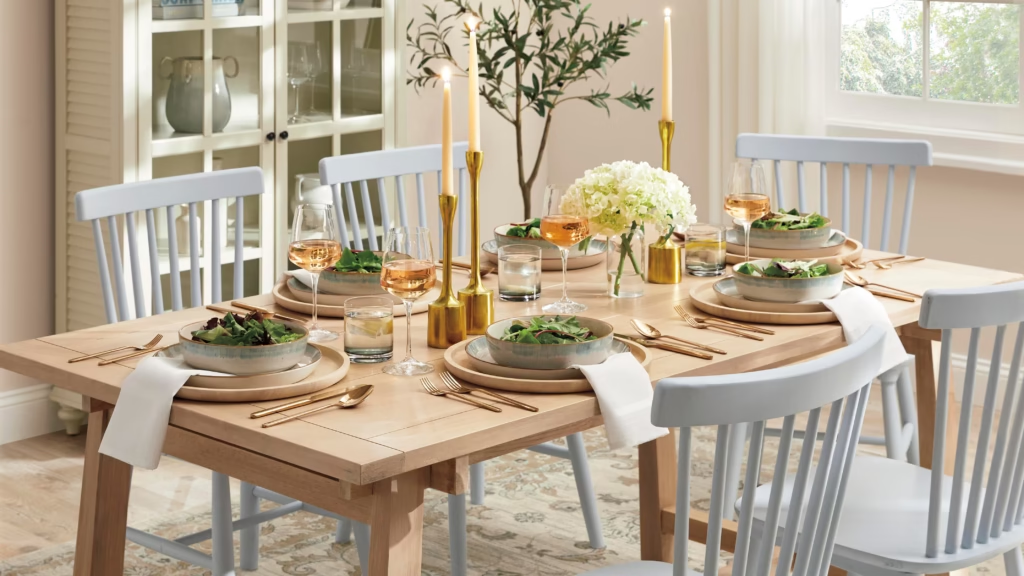
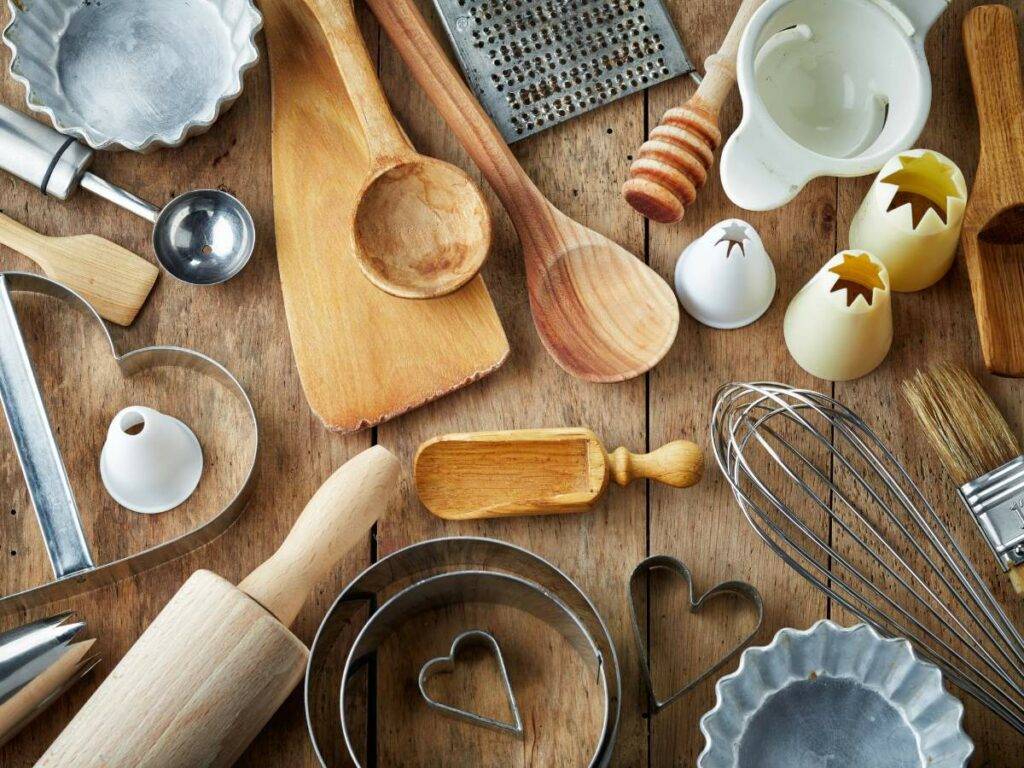
The kitchen and dining areas are the heart of every home — places where food, family, and memories come together. A thoughtfully designed kitchen not only enhances cooking efficiency but also enriches everyday living. Beyond appliances and décor, the tools used for preparing and serving food — cookware and bakeware — play a defining role in shaping the culinary experience.
From simmering soups to baking delicate pastries, the right equipment ensures consistency, safety, and flavor. This comprehensive guide explores the essentials of kitchen and dining, focusing on cookware and bakeware — their types, materials, and how to select and care for them for a lasting kitchen setup.
The Role of Kitchen & Dining in Modern Homes
The kitchen has evolved from a purely functional area into a central social space. Today’s kitchen and dining zones blend design and utility, fostering togetherness while supporting diverse cooking needs.
A well-organized kitchen improves workflow — from meal prep to presentation — while the dining area reflects hospitality and comfort. Together, they form the foundation of domestic life, combining aesthetics with practicality.
The Connection Between Kitchen and Dining
An integrated kitchen and dining design creates a seamless transition between cooking and eating. Open layouts, breakfast bars, and multi-functional tables have become popular for their versatility.
Good lighting, accessible storage, and coordinated tableware help unify these spaces. Whether for casual breakfasts or formal dinners, the right cookware and bakeware enhance both preparation and presentation.
Cookware: The Backbone of Every Kitchen
Cookware refers to the utensils, pots, and pans used for cooking food on stoves or ovens. Quality cookware ensures even heating, proper cooking, and long-lasting performance. It’s one of the most critical investments in a kitchen setup.
1. Types of Cookware
Understanding the different cookware types helps you choose based on your cooking style and food preferences.
• Saucepans
Used for boiling, simmering, or preparing sauces, soups, and grains. They come in various sizes with lids for moisture control.
• Frying Pans / Skillets
Ideal for sautéing, frying, or searing food. Non-stick varieties make low-oil cooking easier, while stainless steel or cast iron skillets suit high-heat cooking.
• Stockpots
Large and deep, these are perfect for soups, stews, and boiling pasta. A sturdy base ensures even heat distribution for consistent results.
• Sauté Pans
With tall sides and a wide base, these pans are great for browning ingredients before adding liquids.
• Woks
Common in Asian cooking, woks have rounded bottoms and sloped sides, allowing quick, even cooking at high temperatures.
• Grill Pans
Designed with ridges to mimic outdoor grilling, they help achieve charred textures and smoky flavor indoors.
Each type serves a unique role in the kitchen, ensuring variety and precision in cooking techniques.
2. Cookware Materials: Which One Should You Choose?
The material of your cookware influences heat retention, durability, and food quality.
• Stainless Steel
Durable, corrosion-resistant, and non-reactive — ideal for everyday use. Works well for searing and browning but may need oil to prevent sticking.
• Cast Iron
Known for excellent heat retention, perfect for slow-cooking, frying, or baking. Requires seasoning for longevity but adds rich flavor to dishes.
• Non-Stick
Convenient and easy to clean. Great for eggs, pancakes, and delicate foods. Avoid high heat to maintain the coating.
• Copper
Excellent heat conductivity, offering precise temperature control. However, copper needs regular polishing and is often lined with stainless steel for safety.
• Aluminum
Lightweight and affordable. Anodized aluminum is a better choice as it resists corrosion and provides even heating.
Selecting the right material depends on cooking habits. For instance, stainless steel suits multi-purpose use, while cast iron and copper excel in specialized tasks.
3. Essential Cookware for Every Kitchen
While cookware sets are available, building a personalized collection ensures flexibility and efficiency.
A well-rounded kitchen should include:
-
2–3 saucepans (small, medium, large)
-
1 stockpot
-
1 frying pan (non-stick)
-
1 cast iron skillet
-
1 sauté pan
-
1 wok or grill pan
Investing in versatile, high-quality pieces helps maintain consistency and saves space.
4. Caring for Your Cookware
Proper maintenance extends the life of cookware and ensures safety.
-
Avoid metal utensils on non-stick surfaces.
-
Clean promptly after use to prevent staining or residue.
-
Dry thoroughly to prevent rust (especially for cast iron).
-
Re-season cast iron periodically to maintain non-stick properties.
-
Store cookware carefully, stacking with protective liners to avoid scratches.
Good care preserves performance and prevents contamination, keeping cookware in prime condition for years.
Bakeware: The Foundation of Home Baking
While cookware focuses on stove-top use, bakeware is designed for oven cooking. It includes trays, molds, and pans used for baking cakes, bread, cookies, and pastries. Good bakeware distributes heat evenly, ensuring consistent texture and flavor.
1. Common Types of Bakeware
• Baking Sheets or Cookie Trays
Flat trays with raised edges, ideal for baking cookies, roasting vegetables, or heating snacks.
• Cake Pans
Available in round, square, or rectangular shapes, these are used for baking layered or sheet cakes.
• Muffin Tins and Cupcake Pans
Feature multiple molds for baking cupcakes, muffins, or mini quiches.
• Bread Loaf Pans
Rectangular pans that shape loaves and quick breads.
• Pie Dishes
Round, shallow dishes made from glass, metal, or ceramic for baking pies and tarts.
• Casserole Dishes
Deeper pans suitable for baked meals such as lasagna, gratins, and casseroles.
Each bakeware piece supports different techniques — from crisping to rising — ensuring versatility in oven-based cooking.
2. Bakeware Materials and Their Benefits
The material used in bakeware impacts heat distribution and baking results.
• Aluminum
Lightweight, affordable, and conducts heat evenly. Perfect for cookies and cakes but may discolor acidic foods.
• Stainless Steel
Durable and rust-resistant but slower to heat compared to aluminum.
• Non-Stick Coated Bakeware
Ensures easy release and cleanup. Ideal for beginners, but coatings must be handled gently.
• Silicone
Flexible, non-stick, and great for creative shapes. However, it doesn’t brown as effectively as metal bakeware.
• Glass or Ceramic
Retain heat well and provide attractive presentation. Great for casseroles and pies, but require careful handling.
• Cast Iron
Excellent for bread baking and desserts requiring consistent heat. Often used in artisan-style baking.
Choosing the right material depends on what you bake most often. For instance, silicone is perfect for muffins, while aluminum is best for cookies or sponge cakes.
3. Essential Bakeware for Every Home Baker
A functional bakeware collection may include:
-
1–2 baking sheets
-
2 round cake pans
-
1 loaf pan
-
1 muffin tin
-
1 pie dish
-
1 roasting or casserole dish
These essentials support most home baking needs, from desserts to savory meals.
4. Bakeware Maintenance Tips
To keep bakeware in good condition:
-
Line trays with parchment paper for easy cleaning.
-
Avoid metal tools on non-stick surfaces.
-
Cool before washing to prevent warping.
-
Handwash silicone and coated pans with mild detergent.
-
Dry thoroughly to prevent rusting or odor retention.
Proper care ensures durability and consistent baking performance.
The Relationship Between Cookware and Bakeware in Kitchen Efficiency
In the modern kitchen and dining setup, cookware and bakeware complement each other. Both contribute to seamless meal preparation, from stovetop cooking to oven finishing.
For instance, a skillet can start searing chicken on the stove and move directly into the oven for roasting. Similarly, casserole dishes function both as bakeware and as serving dishes for the dining table.
This versatility saves time, reduces clutter, and adds elegance to the dining experience. Coordinating cookware and bakeware materials (e.g., stainless steel and ceramic) ensures visual harmony when serving directly from the kitchen.
Kitchen & Dining Aesthetics: Beyond Functionality
The design of cookware and bakeware also contributes to overall home décor. Today’s kitchens emphasize both beauty and performance. Coordinated sets, neutral tones, and ergonomic designs enhance visual appeal.
Open shelving, hanging racks, and visible cookware displays have become design trends. A well-organized kitchen not only looks appealing but also makes cooking enjoyable.
Dining Presentation
The dining area completes the kitchen experience. Using stylish serveware and matching dishes complements cookware and bakeware selections. Coordinating textures and materials — like ceramic dishes paired with matte-finish bakeware — creates a cohesive look.
Lighting and table arrangements further elevate dining aesthetics, transforming everyday meals into experiences.
The Evolution of Cookware and Bakeware Technology
Advancements in materials and manufacturing have improved performance and safety.
-
Induction-Compatible Cookware: Designed for energy-efficient cooking.
-
Ceramic-Coated Non-Stick Surfaces: Healthier alternatives to Teflon coatings.
-
Carbon Steel Bakeware: Combines the best of cast iron and stainless steel — lightweight yet durable.
-
Smart Cookware: Embedded with temperature sensors and connectivity features.
These innovations reflect how modern kitchen and dining tools adapt to new lifestyles, offering convenience without sacrificing quality.
Sustainability in Kitchen & Dining
Sustainability has become a growing focus in modern kitchens. Choosing durable, eco-friendly cookware and bakeware minimizes waste and promotes responsible living.
-
Opt for recyclable materials like stainless steel, cast iron, or glass.
-
Avoid disposable aluminum trays and single-use plastics.
-
Consider bamboo or wooden utensils for sustainable dining.
-
Repair or re-season cookware instead of replacing frequently.
Sustainable practices not only protect the environment but also create long-term economic value.
Choosing Cookware and Bakeware Based on Cooking Style
Different cuisines and cooking habits influence the choice of tools.
-
For everyday meals: Non-stick cookware and basic bakeware sets suffice.
-
For gourmet cooking: Copper and cast iron pieces offer precision.
-
For baking enthusiasts: A variety of pans and molds expand creative possibilities.
-
For families: Durable, dishwasher-safe cookware ensures easy maintenance.
Assessing your cooking routine helps prioritize functionality, saving both space and expense.
Organizing Cookware and Bakeware for Efficient Kitchens
A clutter-free kitchen promotes smooth workflow. Efficient organization involves:
-
Hanging frequently used pots and pans on racks.
-
Stacking bakeware vertically using dividers.
-
Storing lids separately with labeled bins.
-
Grouping items by function — sautéing, baking, roasting.
Clear labeling and strategic placement reduce time spent searching, improving cooking rhythm.
The Dining Experience: From Kitchen to Table
The journey from cooking to serving completes the essence of kitchen and dining. Well-prepared food deserves thoughtful presentation. Using coordinated serveware, trivets, and decorative platters enhances appeal.
Ambient lighting, fresh flowers, and neatly arranged utensils create a welcoming dining atmosphere. Cookware that transitions from oven to table, such as enamel-coated casseroles, adds both convenience and elegance.
Maintenance and Longevity of Kitchen Tools
Proper care extends the lifespan of cookware and bakeware:
-
Avoid sudden temperature changes to prevent warping or cracking.
-
Use gentle scrubbers instead of harsh abrasives.
-
Store carefully to prevent dents or chips.
-
Regularly inspect handles and coatings for wear.
Periodic maintenance ensures hygiene, safety, and consistent cooking results.
Exploring Advanced Cookware for Specialized Cooking Techniques
Every home cook eventually reaches a point where basic pots and pans are no longer enough. As your culinary skills grow, investing in specialized cookware can elevate your results and broaden the range of recipes you can master.
1. Pressure Cookers and Slow Cookers
Pressure cookers and slow cookers are two of the most transformative pieces of cookware in the modern kitchen. A pressure cooker cooks food quickly by trapping steam, locking in nutrients and flavor. It’s perfect for beans, stews, and tender meats.
In contrast, a slow cooker gently simmers ingredients over several hours, producing rich, comforting meals with minimal supervision. Both tools reflect how kitchen and dining innovations simplify everyday cooking while enhancing taste and texture.
2. Dutch Ovens and Casserole Pots
A Dutch oven is one of the most versatile cookware pieces — equally suited for stove-top browning and oven baking. Made from cast iron or enameled metal, it retains heat exceptionally well. It’s ideal for bread baking, soups, braises, and one-pot meals.
Similarly, casserole pots transition effortlessly from oven to dining table. Their elegant design and heat retention make them excellent for serving warm, hearty dishes directly during family meals or gatherings.
3. Roasting Pans and Griddles
For anyone who enjoys preparing meats or roasted vegetables, a durable roasting pan is essential. Its raised rack allows even airflow and crispy textures, while deep sides capture flavorful juices for gravies.
Griddles, on the other hand, provide a flat cooking surface for pancakes, sandwiches, and grilled vegetables. Available in cast iron, stainless steel, or non-stick coatings, griddles add diversity to your cooking routine.
Essential Bakeware for Creative Home Baking
The art of baking is both science and creativity. Choosing the right bakeware enables precision and consistency, helping you achieve perfect results — whether you’re baking bread, cakes, or pastries.
1. Springform Pans
A springform pan features removable sides, making it ideal for delicate desserts like cheesecakes and tortes. The easy-release mechanism prevents damage to the finished product and simplifies plating.
Available in various sizes, these pans are essential for home bakers who enjoy intricate desserts. They also work beautifully for layered savory dishes such as lasagna or quiches.
2. Bundt and Tube Pans
Bundt pans, with their decorative fluted designs, create stunning cakes that require minimal decoration. Their tube-shaped construction allows even heat distribution, ensuring cakes rise evenly.
Similarly, tube pans are ideal for airy sponge or angel food cakes. Both bakeware types demonstrate how design influences performance, balancing function with aesthetic appeal in kitchen and dining setups.
3. Tart and Quiche Pans
These shallow pans with removable bases are designed for pies, quiches, and tarts. The fluted edges produce crisp, beautiful crusts, while the removable bottom allows for easy serving. They’re essential in any baker’s collection, combining practicality with professional results.
The Importance of Temperature and Heat Distribution in Cookware & Bakeware
One of the most overlooked aspects of cookware and bakeware is heat management. Even cooking prevents burning and ensures consistent textures — whether sautéing vegetables or baking bread.
Conductivity in Cookware
Materials such as copper and aluminum are excellent conductors, heating quickly and evenly. They’re ideal for recipes that require precise temperature control, such as sauces or delicate fish dishes.
Cast iron retains heat exceptionally well, perfect for slow cooking and frying, while stainless steel offers durability with moderate conductivity. Understanding how materials respond to heat helps choose the right pan for each recipe.
Heat Behavior in Bakeware
In baking, temperature consistency determines success. Metal bakeware tends to brown foods faster, producing crisp textures, while glass and ceramic maintain steady heat for even baking.
For sensitive recipes like soufflés or custards, ceramic or silicone bakeware offers gentle, uniform heat, preventing overcooking. Proper heat control ensures reliability and confidence in every baking session.
How Cookware and Bakeware Influence Nutrition
Many people overlook the impact of cookware choice on food nutrition. The type of pan or baking tray you use can influence how nutrients are preserved during cooking.
Nutrient Retention
Using non-reactive materials like stainless steel or enamel-coated cookware prevents the leaching of metals into food, keeping it safe and flavorful. Pressure cookers and steamers, for instance, retain vitamins better than open boiling.
Meanwhile, bakeware that distributes heat evenly prevents burning, ensuring meals maintain both taste and nutritional integrity.
Healthier Cooking Techniques
Modern kitchen and dining practices emphasize healthier cooking. Non-stick pans allow for low-oil recipes, while ceramic-coated cookware reduces the need for butter or fats. Baking methods like roasting or grilling also replace deep frying, creating nutritious yet delicious results.
The Aesthetic Connection Between Cookware and Dining Presentation
Cooking is as much about presentation as preparation. In modern homes, many cookware and bakeware designs are made to transition directly from oven or stove to table, blending practicality with visual appeal.
1. Oven-to-Table Cookware
Brands now create versatile pieces that look as beautiful as they function. Enameled cast iron casseroles, ceramic bakers, and glass dishes can go straight from cooking to serving. This eliminates the need for extra platters, simplifying cleanup while maintaining elegance.
2. Coordinated Table Settings
Matching cookware with dining aesthetics creates harmony. A matte black skillet complements wooden tables for rustic charm, while glossy ceramic bakeware suits modern minimalism.
Color coordination — between table linens, dishes, and cookware — transforms everyday meals into refined dining experiences.
Innovations and Modern Trends in Cookware & Bakeware
Technology has revolutionized kitchen and dining equipment, making cooking more efficient and enjoyable. From smart materials to eco-friendly production, the latest trends blend innovation with sustainability.
1. Smart Cookware
Smart technology is redefining how we cook. Bluetooth-enabled pans and induction-compatible pots allow temperature monitoring through mobile apps. Some advanced models automatically adjust heat to prevent overcooking — bridging convenience with precision.
2. Hybrid Cookware
Manufacturers now combine materials to optimize performance — for instance, stainless steel fused with aluminum cores for even heat or ceramic-coated non-stick surfaces for durability. This hybrid construction provides professional results in home kitchens.
3. Eco-Friendly Bakeware
Sustainability remains a key focus. Recyclable materials like bamboo fiber baking molds, carbon steel, and glass bakeware are replacing disposable trays. Reusable silicone mats also reduce waste from parchment paper and foil.
4. Multi-Purpose Cookware
In compact kitchens, multifunctional cookware is invaluable. Pans that double as baking dishes or pressure cookers that can sauté and steam reflect how modern design adapts to space and efficiency needs.
Kitchen & Dining Ergonomics: Designing for Efficiency
Ergonomics is often associated with furniture, but it applies equally to kitchens. A well-planned kitchen and dining setup improves safety, comfort, and workflow.
1. The Work Triangle Principle
The classic kitchen work triangle connects the stove, sink, and refrigerator — minimizing movement between key areas. Proper placement of cookware and bakeware storage along this path streamlines meal preparation.
2. Accessible Storage Solutions
Heavy pots and bakeware should be stored in lower cabinets or pull-out drawers to prevent strain. Vertical racks, hanging rails, and adjustable shelving maximize space while keeping tools within reach.
3. Comfortable Dining Layouts
The dining space should flow naturally from the kitchen. Proper lighting, table height, and seating comfort ensure an inviting environment where presentation meets practicality.
Kitchen & Dining Safety: Best Practices for Cookware and Bakeware Use
Safety should always accompany function in kitchen design. Using cookware and bakeware correctly prevents damage and accidents.
-
Avoid overheating non-stick pans, which can degrade coatings.
-
Check handles and lids for secure fittings.
-
Use oven mitts and trivets to prevent burns from hot bakeware.
-
Ensure even placement in ovens for balanced baking.
-
Store knives and sharp tools separately from fragile bakeware.
Implementing these practices promotes longevity and keeps the kitchen a safe and efficient workspace.
The Cultural Influence of Cookware and Bakeware
Across cultures, cookware and bakeware reflect culinary identity. Every cuisine has tools shaped by tradition and geography.
-
Asian kitchens rely on woks, steamers, and clay pots.
-
European baking emphasizes tart molds, loaf pans, and roasting trays.
-
Middle Eastern cooking often uses copper pans and stone bakeware for even heat.
-
American households combine diverse cookware styles influenced by global fusion cooking.
This cultural variety enriches kitchen and dining experiences, offering inspiration and expanding flavor horizons.
The Role of Cookware and Bakeware in Meal Planning
Efficient meal planning starts with organized cookware and bakeware. Having the right tools reduces stress and time spent in preparation.
-
Batch cooking: Large stockpots and roasting pans simplify bulk meal preparation.
-
Meal prep containers: Oven-safe glass dishes double as storage for leftovers.
-
Baking ahead: Muffin tins and loaf pans are great for freezing pre-cooked meals.
Integrating cookware into weekly planning promotes consistency, healthier eating, and reduced waste.
How to Choose the Right Cookware and Bakeware Set
For homeowners setting up or upgrading their kitchen, selecting cookware and bakeware can feel overwhelming. Here’s how to simplify the process:
-
Assess your cooking habits – Everyday cooks may prioritize non-stick sets, while avid bakers need diverse molds.
-
Match materials to your cooking style – Stainless steel for searing, cast iron for slow cooking, aluminum for quick meals.
-
Consider storage space – Stackable and multi-purpose pieces are ideal for compact kitchens.
-
Ensure oven compatibility – Cookware that transitions to bakeware increases versatility.
-
Prioritize quality over quantity – A few reliable pieces outperform large, low-quality sets.
A curated collection enhances the functionality and longevity of your kitchen and dining environment.
Seasonal Uses of Cookware and Bakeware
Different times of the year influence how we cook and what tools we use.
-
Spring & Summer: Light cookware like non-stick pans and grill plates are perfect for quick, fresh meals.
-
Autumn: Dutch ovens and roasting pans excel in hearty stews and baked casseroles.
-
Winter: Bakeware for bread, cakes, and desserts brings warmth and comfort.
Rotating tools with seasons keeps the cooking experience varied and aligned with seasonal ingredients.
The Emotional Connection to Kitchen & Dining
Beyond functionality, kitchen and dining spaces hold emotional significance. Cookware and bakeware often carry memories — family recipes, festive meals, or first baking experiments.
Using inherited utensils or vintage bakeware connects us to heritage. Cooking together fosters bonding, making the kitchen not just a functional zone but a space of tradition, learning, and creativity.
Conclusion
A well-equipped kitchen and dining area is more than a cooking space — it’s the foundation of nourishment, creativity, and connection. The choice of cookware and bakeware determines not only how meals are prepared but also how they are experienced.
From the heat retention of cast iron to the precision of aluminum bakeware, every piece plays a role in transforming ingredients into meaningful moments. Investing in durable, functional, and aesthetic kitchen tools enhances efficiency, comfort, and satisfaction.
When cookware, bakeware, and dining elements harmonize, the result is more than good food — it’s a reflection of thoughtful living and timeless home culture.