Maintaining a comfortable indoor environment is an essential part of modern living. Whether it’s warming up during chilly winter evenings or ensuring fresh air circulation year-round, heating, cooling, and air quality systems play a crucial role in every home. Among these systems, fireplaces and stoves stand out as both functional and aesthetic heating solutions. They not only provide warmth but also enhance the ambiance and charm of a living space.
This article explores the importance of fireplaces and stoves in the broader context of home heating, energy efficiency, and indoor air quality. From their types and working principles to their environmental impact and safety considerations, this comprehensive guide covers everything homeowners should know.
1. The Importance of Home Heating and Air Quality
Indoor comfort is determined by two key elements: temperature regulation and air quality. When the temperature drops, heating becomes essential to maintain a livable environment, while clean air ensures health and comfort.
Why Heating and Air Quality Matter
-
Thermal Comfort: Maintaining a consistent temperature prevents cold stress and improves relaxation.
-
Health Benefits: Proper heating systems prevent dampness, mold growth, and respiratory discomfort.
-
Energy Efficiency: Modern heating appliances balance performance with minimal energy consumption.
-
Atmospheric Balance: Efficient systems maintain humidity levels and air purity.
2. Fireplaces: Tradition Meets Technology
For centuries, fireplaces have been central to home heating. Traditionally built with brick or stone, they served as both a heat source and a gathering place. Modern fireplaces, however, combine the charm of open fires with advanced technology for safer, cleaner, and more efficient heating.
2.1 Types of Fireplaces
Different fireplace designs cater to varying energy needs, home layouts, and aesthetic preferences.
a) Wood-Burning Fireplaces
The most traditional type, using logs or wood pellets for fuel. They create a warm, rustic ambiance with natural flames and the characteristic crackling sound.
-
Pros: Authentic warmth and aesthetic appeal.
-
Cons: Requires regular cleaning and wood storage.
b) Gas Fireplaces
Operate on natural gas or propane. They offer the same warmth as wood fireplaces but with greater efficiency and less maintenance.
-
Pros: Instant ignition, consistent heat, and easy control.
-
Cons: Requires a gas line and professional installation.
c) Electric Fireplaces
Use electricity to simulate flames with LED visuals and heating elements. They are perfect for urban homes or apartments.
-
Pros: Safe, smoke-free, and easy to install.
-
Cons: Dependent on electricity and may lack the realism of traditional fire.
d) Ethanol Fireplaces
Burn bioethanol fuel, producing real flames without smoke or soot.
-
Pros: Eco-friendly, portable, and clean-burning.
-
Cons: Limited heat output compared to gas or wood models.
2.2 How Fireplaces Improve Air Quality and Comfort
Although primarily designed for heating, modern fireplaces can influence indoor air circulation and comfort.
-
Balanced Heat Distribution: Certain models use fans or ducts to distribute heat evenly.
-
Humidity Control: Fireplaces reduce excess humidity in winter.
-
Eco-Friendly Options: Ethanol and electric fireplaces release minimal pollutants.
However, older wood-burning units must be properly ventilated to prevent smoke buildup or carbon monoxide release.
2.3 Fireplace Design and Home Integration
Today’s fireplaces combine utility and design. They can be wall-mounted, freestanding, or built into architectural features.
Popular Styles:
-
Traditional masonry fireplaces
-
Contemporary linear fireplaces
-
Corner and double-sided fireplaces
-
Outdoor fireplaces for patios and gardens
Fireplaces have evolved into decorative focal points that define interior ambiance while providing efficient heat.
2.4 Maintenance and Safety Tips for Fireplaces
Proper care ensures efficiency and safety:
-
Clean chimneys and vents annually to prevent creosote buildup.
-
Use dry, seasoned wood for combustion.
-
Install carbon monoxide and smoke detectors near the fireplace.
-
Keep flammable materials at a safe distance.
-
Inspect seals, vents, and pilot lights (for gas models).
3. Stoves: Efficient and Versatile Heating Solutions
Stoves are another widely used heating appliance that blends performance, convenience, and design. They function similarly to fireplaces but offer higher efficiency, compact form, and targeted heat control.
3.1 Types of Stoves
Stoves are categorized by their fuel type and heating mechanism.
a) Wood Stoves
Burn logs or wood pellets to generate radiant heat. They are popular for rural or off-grid living.
-
Pros: Renewable fuel source, steady warmth.
-
Cons: Requires manual feeding and ash cleaning.
b) Gas Stoves
Powered by propane or natural gas, gas stoves offer instant heat and consistent temperature control.
-
Pros: Easy ignition, thermostat control, and efficient combustion.
-
Cons: Dependence on gas supply and venting.
c) Electric Stoves
Utilize electricity to heat internal elements or simulate flames. Often used as secondary heating units.
-
Pros: Easy installation, safe operation, no emissions.
-
Cons: Relies on electricity; limited heat range.
d) Multi-Fuel or Pellet Stoves
These stoves burn compressed pellets or a combination of fuels, including wood, corn, and biomass.
-
Pros: Eco-friendly, efficient, and programmable.
-
Cons: Requires regular refilling and periodic maintenance.
3.2 Advantages of Stoves in Home Heating
-
High Efficiency: Stoves convert a greater portion of fuel into usable heat.
-
Zone Heating: Ideal for heating specific rooms or areas.
-
Reduced Energy Costs: Allow for controlled and localized heating.
-
Compact Design: Suitable for small spaces or modern homes.
3.3 Maintenance and Safety for Stoves
Proper maintenance ensures safety, efficiency, and longevity.
-
Clean the combustion chamber regularly.
-
Check and clear flue pipes to avoid blockages.
-
Inspect door seals to prevent heat loss.
-
Empty ash pans frequently.
-
Install carbon monoxide detectors near the stove.
Routine inspections help prevent overheating, soot accumulation, and ventilation problems.
4. Comparing Fireplaces and Stoves
Both fireplaces and stoves serve as excellent heating solutions, but they differ in operation, efficiency, and design.
| Feature | Fireplace | Stove |
|---|---|---|
| Heat Source | Open combustion | Enclosed combustion |
| Efficiency | Moderate | High |
| Aesthetic Appeal | Decorative, traditional | Functional, modern |
| Installation | Fixed or built-in | Freestanding or wall-mounted |
| Maintenance | Requires chimney cleaning | Easy to maintain |
| Fuel Options | Wood, gas, ethanol, electricity | Wood, gas, pellets, electricity |
Both systems enhance warmth, but stoves are often more energy-efficient, while fireplaces add aesthetic and emotional warmth.
5. Fireplaces and Stoves in Energy Efficiency
Energy efficiency is now a top priority for homeowners. Modern fireplaces and stoves are engineered to deliver maximum heat output with minimal fuel consumption.
5.1 Features Enhancing Energy Performance
-
Sealed combustion systems: Prevent indoor air loss.
-
Secondary air combustion: Burns unburned gases for extra heat.
-
Heat exchangers: Circulate warm air efficiently.
-
Thermostatic control: Maintains consistent temperature.
These improvements ensure warmth without excessive fuel usage or energy waste.
6. Environmental Considerations
With growing awareness of environmental impact, homeowners are choosing sustainable heating solutions.
-
Wood as Renewable Fuel: When sourced responsibly, wood is carbon-neutral.
-
Pellet Stoves: Use recycled biomass, reducing carbon footprint.
-
Ethanol Fireplaces: Burn cleanly without releasing harmful fumes.
-
Gas and Electric Options: Reduce air pollutants and particulate matter.
Modern technologies are designed to comply with EPA emissions standards and promote greener living.
7. Enhancing Indoor Air Quality
Heating appliances affect indoor air quality depending on fuel type, ventilation, and maintenance.
7.1 Common Air Quality Issues
-
Smoke infiltration
-
Carbon monoxide
-
Excessive dryness
-
Dust and allergens
7.2 Improving Air Quality with Heating Systems
-
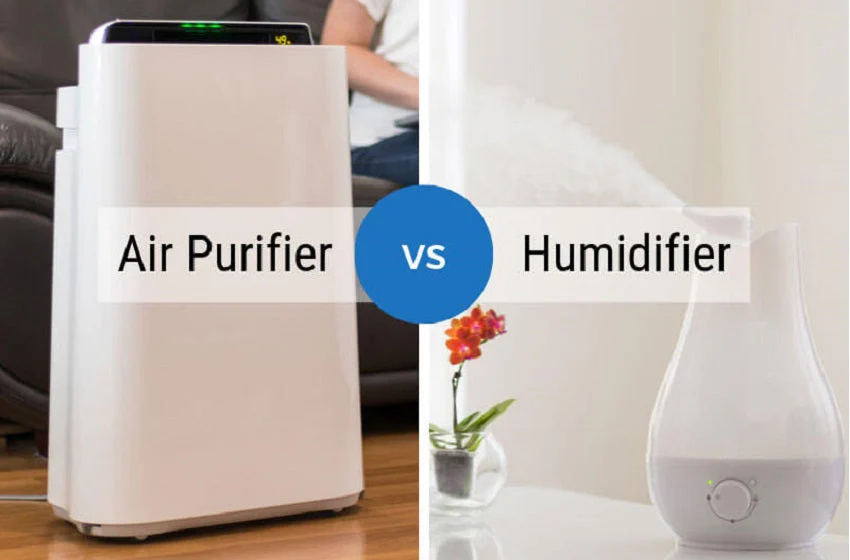
Install ventilation systems or air purifiers.
-
Maintain chimneys and filters.
-
Use humidifiers to balance dry air in winter.
-
Choose ventless electric or ethanol fireplaces for low emissions.
8. Safety Standards and Installation Guidelines
Proper installation ensures both safety and performance.
Fireplace Installation Tips
-
Ensure adequate ventilation and clearance.
-
Hire certified professionals for gas or built-in units.
-
Use heat-resistant materials for surrounding walls.
Stove Installation Tips
-
Position on non-combustible surfaces.
-
Maintain recommended distance from furniture.
-
Use chimney liners or direct vents for exhaust.
Both appliances must comply with local building codes and fire safety standards.
9. Modern Innovations in Fireplaces and Stoves
Technological advancements have revolutionized heating systems.
-
Smart Thermostats: Allow remote temperature control.
-
Eco-Mode: Automatically regulates heat output.
-
Programmable Timers: Schedule heating based on usage.
-
Wi-Fi Connectivity: Integrates with home automation systems.
Even traditional wood-burning units now feature clean-burn technology for reduced emissions and improved efficiency.
10. The Role of Design in Modern Heating Systems
Fireplaces and stoves no longer serve purely functional purposes. They now form an integral part of interior design.
Design Trends
-
Minimalist, linear electric fireplaces
-
Glass-front gas stoves for contemporary aesthetics
-
Built-in corner fireplaces for compact spaces
-
Double-sided units dividing open living areas
Designers use these features to enhance both visual warmth and physical comfort.
11. Seasonal Use and Energy Management
Efficient heating isn’t just about high performance — it’s about intelligent use.
During Winter:
-
Use thermostats to regulate consistent warmth.
-
Seal windows and doors to retain heat.
-
Clean vents and flues before heavy use.
During Off-Seasons:
-
Turn off pilot lights.
-
Clean and cover appliances.
-
Store wood and pellets in dry areas.
This maintenance helps conserve energy and extends appliance lifespan.
12. Cost Considerations and Efficiency Balance
Heating solutions vary in installation and operational costs.
-
Fireplaces: Higher installation cost but aesthetic value and zone heating capability.
-
Stoves: Lower cost, higher efficiency, and easier installation.
Electric models are more affordable to install, while gas and wood-burning versions may cost more but provide stronger heat output.
13. Fireplaces and Stoves in Outdoor Living Spaces
Outdoor heating extends comfort beyond the home interior.
-
Patio Fireplaces: Ideal for entertaining and outdoor dining.
-
Chimeneas: Compact clay or metal outdoor stoves.
-
Fire Pits: Open-style heating for ambiance and warmth.
Outdoor installations improve air circulation and add charm to gardens and terraces.
14. The Future of Heating and Air Quality
The next generation of heating, cooling, and air quality systems focuses on sustainability, smart control, and integrated comfort.
Trends to Watch:
-
Hybrid heating systems combining gas and electric options.
-
Integration with solar energy.
-
AI-driven temperature regulation.
-
Advanced air filtration and purification systems.
Fireplaces and stoves will continue evolving — merging efficiency, design, and environmental responsibility.
15. Conclusion: Comfort, Efficiency, and Air Quality in Harmony
Fireplaces and stoves are more than just heat sources — they symbolize warmth, togetherness, and comfort. In the modern context, they also represent sustainability, innovation, and responsible living.
Whether you prefer the nostalgic charm of a wood-burning fireplace or the sleek efficiency of a gas or electric stove, these systems play a vital role in achieving balanced indoor climates.
When used wisely and maintained regularly, fireplaces and stoves enhance heating performance, energy savings, and air quality, making homes not only warmer but healthier and more sustainable.
Ultimately, creating the perfect indoor environment means combining heating, cooling, and air purification into a unified system — one that ensures comfort in every season and harmony in every space.