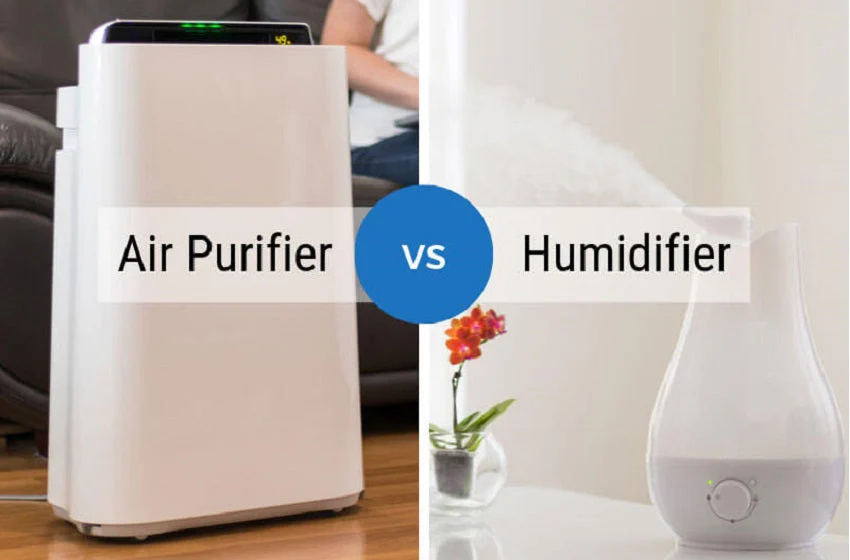
Comfort inside a home depends largely on its temperature control and air quality. No matter the season, creating the right indoor environment affects how we feel, work, and rest. Whether it’s the gentle breeze from a fan on a warm afternoon, the warmth of a heater in winter, or the cool air from an air conditioner during summer — each system contributes to a balanced and healthy indoor climate.
The modern home relies on heating, cooling, and air quality systems to regulate comfort, reduce humidity, and maintain proper air circulation. These appliances not only improve physical comfort but also support respiratory health by controlling airborne particles and allergens.
In this guide, we’ll explore the essentials of fans, heaters, and air conditioners, their working principles, types, maintenance, and their role in enhancing home air quality and overall well-being.
1. The Importance of Indoor Climate Control
Indoor comfort goes beyond aesthetics or furniture. It’s deeply influenced by temperature, humidity, and air purity. These three factors form the foundation of home livability.
Why Indoor Air Management Matters:
-
Comfort: Maintains a consistent temperature throughout the year.
-
Health: Filters pollutants, allergens, and bacteria.
-
Energy Efficiency: Modern systems balance temperature control with reduced energy consumption.
-
Productivity: Proper air circulation supports focus and mental clarity.
2. Components of Heating, Cooling & Air Quality Systems
A well-maintained home environment depends on three major components:
-
Fans – Provide air movement and circulation.
-
Heaters – Add warmth during cold weather.
-
Air Conditioners – Regulate temperature and remove humidity.
These systems work together to maintain balance and ensure year-round comfort.
3. Fans: The Foundation of Air Circulation
Fans are the simplest yet most essential tools in air circulation and cooling. They move air within a space, making it feel cooler and fresher, even without changing the actual room temperature.
3.1 Types of Fans
Different types of fans serve various purposes and settings:
Ceiling Fans
Mounted on ceilings, these fans distribute air evenly across a room. They can be used year-round by reversing the blade direction—counterclockwise for cooling and clockwise for gentle heat circulation in winter.
Table Fans
Portable and versatile, table fans are ideal for desks, side tables, or bedrooms.
Pedestal Fans
Known for adjustable height and oscillation, pedestal fans provide targeted air circulation.
Wall-Mounted Fans
Great for limited spaces, these fans are fixed on walls and distribute air without occupying floor space.
Exhaust Fans
Used in kitchens and bathrooms, exhaust fans remove moisture, smoke, and odors, improving ventilation and air quality.
Tower Fans
Modern and compact, these fans offer oscillation and speed control with minimal noise — ideal for contemporary interiors.
3.2 Benefits of Fans
-
Energy-Efficient Cooling: Fans consume far less electricity compared to air conditioners.
-
Improved Ventilation: Enhance airflow in enclosed spaces.
-
Humidity Control: Aid in moisture evaporation.
-
Support for Other Systems: Can be paired with heaters or air conditioners to distribute air evenly.
3.3 Maintenance Tips
-
Clean blades regularly to prevent dust buildup.
-
Lubricate the motor if necessary.
-
Check for loose screws or vibration issues.
4. Heaters: Bringing Warmth and Comfort
When temperatures drop, heaters become essential for maintaining indoor warmth and preventing discomfort. They are vital for regions with cold winters or fluctuating temperatures.
4.1 Types of Heaters
Convection Heaters
These heaters warm the air by circulating it around heating elements. They’re suitable for consistent, room-wide heating.
Radiant Heaters
Work by emitting infrared radiation, directly warming people and objects rather than the air — ideal for targeted heating.
Oil-Filled Radiators
Provide steady, silent heating using thermal oil. They’re energy-efficient and retain warmth longer.
Fan Heaters
Combine heating coils with fans for quick, widespread heat distribution.
Infrared Heaters
Use infrared light to produce heat similar to natural sunlight, offering efficient and quiet operation.
4.2 Advantages of Using Heaters
-
Immediate Warmth: Quickly raises indoor temperature.
-
Portable Options: Easy to move between rooms.
-
Energy Management: Many modern heaters include thermostats and timers.
-
Health and Comfort: Prevent cold-related illnesses and maintain cozy indoor environments.
4.3 Safety and Maintenance Tips
-
Keep heaters away from flammable materials.
-
Avoid covering vents or air outlets.
-
Regularly inspect power cords and plugs.
-
Use models with automatic shut-off and tip-over protection.
Maintaining safety standards ensures both performance and peace of mind.
5. Air Conditioners: Cooling and Climate Control
Air conditioners (ACs) are among the most advanced climate control systems available. They regulate temperature, humidity, and air quality — providing relief during hot and humid weather.
5.1 Types of Air Conditioners
Window Air Conditioners
Compact and self-contained, these are mounted on windows and suitable for single-room cooling.
Split Air Conditioners
Feature separate indoor and outdoor units, offering powerful cooling with minimal noise.
Portable Air Conditioners
Mobile and flexible, perfect for apartments or spaces without permanent installations.
Central Air Conditioning Systems
Designed for whole-home cooling, using ducts and vents to distribute air evenly.
Inverter Air Conditioners
Adjust motor speed automatically for efficient energy use and consistent temperature control.
5.2 Key Benefits of Air Conditioners
-
Temperature Regulation: Maintain consistent indoor cooling.
-
Humidity Control: Reduce moisture levels to prevent mold.
-
Air Purification: Modern ACs include filters that remove dust, pollen, and pollutants.
-
Energy Efficiency: Advanced inverter and eco modes minimize power consumption.
5.3 Air Conditioner Maintenance
Proper maintenance ensures efficiency and longevity.
Tips:
-
Clean or replace air filters monthly.
-
Inspect refrigerant levels and coils.
-
Ensure outdoor unit ventilation is clear.
-
Schedule professional servicing annually.
Regular care improves performance and reduces energy costs.
6. Air Quality: The Overlooked Factor in Comfort
Air quality is often underestimated in home comfort discussions. However, it plays a major role in health and wellness.
6.1 Common Indoor Pollutants
-
Dust and pollen
-
Mold spores
-
Pet dander
-
Smoke and VOCs (volatile organic compounds)
6.2 Improving Indoor Air Quality
-
Use air purifiers with HEPA filters.
-
Keep windows open for natural ventilation when possible.
-
Clean ducts and vents regularly.
-
Maintain balanced humidity (30–50%).
7. The Science Behind Temperature and Air Circulation
Temperature regulation depends on how air moves and interacts with objects and people.
-
Convection: Circulation of warm and cool air.
-
Conduction: Heat transfer through materials.
-
Radiation: Emission of energy from a warm surface to a cooler one.
Understanding these principles helps homeowners choose the right combination of fans, heaters, and air conditioners for optimal comfort.
8. Balancing Energy Efficiency and Comfort
While heating and cooling devices enhance comfort, they also consume energy. Sustainable usage ensures environmental responsibility and reduced utility costs.
Energy-Saving Tips:
-
Use ceiling fans to supplement air conditioners.
-
Set thermostats at optimal temperatures (22–25°C for cooling, 18–20°C for heating).
-
Seal windows and doors to prevent heat loss.
-
Choose energy-rated appliances.
-
Use programmable thermostats for automatic regulation.
9. Smart Climate Control Systems
Technology is reshaping how we manage home environments. Smart climate control systems integrate fans, heaters, and air conditioners through automation and connectivity.
Examples Include:
-
Smart Thermostats: Learn user habits to adjust temperature automatically.
-
Voice-Controlled Devices: Allow hands-free adjustments via home assistants.
-
Remote Monitoring: Enables temperature changes through smartphone apps.
These systems improve comfort, reduce energy consumption, and provide valuable data for efficiency optimization.
10. Comparing Fans, Heaters, and Air Conditioners
| Feature | Fans | Heaters | Air Conditioners |
|---|---|---|---|
| Primary Function | Air circulation | Heat generation | Cooling and dehumidifying |
| Energy Use | Low | Moderate | High (depends on model) |
| Portability | High | High | Varies |
| Ideal Season | Summer | Winter | Summer |
| Air Quality Impact | Moderate | Low | High (with filters) |
11. The Relationship Between Air Quality and Health
Poor indoor air can lead to respiratory issues, allergies, fatigue, and even long-term health problems. Proper ventilation and clean air circulation support physical and mental well-being.
Health Benefits of Clean Air:
-
Reduces allergens and pollutants.
-
Improves sleep and concentration.
-
Enhances immune response.
-
Minimizes humidity-related discomfort.
Regular use of air filters, dehumidifiers, and fans can dramatically improve indoor living conditions.
12. Maintenance Routines for Optimal Performance
A consistent maintenance routine extends appliance life and preserves air quality.
Monthly:
-
Clean filters and vents.
-
Dust fans and grills.
Quarterly:
-
Inspect electrical connections.
-
Check thermostats and safety sensors.
Annually:
-
Deep-clean heaters and air conditioners.
-
Replace worn-out components.
-
Schedule professional servicing.
13. Seasonal Home Comfort Strategies
Each season requires different approaches for maintaining comfort and energy balance.
Summer:
-
Use ceiling fans to circulate cool air.
-
Keep blinds closed during peak heat.
-
Service air conditioners before hot months.
Winter:
-
Seal windows and doors to retain heat.
-
Clean heater filters for efficient performance.
-
Reverse ceiling fan rotation for warm air circulation.
Monsoon or Humid Seasons:
-
Use exhaust fans to reduce moisture.
-
Maintain dehumidifiers for mold prevention.
14. Sustainable Air Management Practices
Eco-friendly air management reduces environmental impact while maintaining comfort.
-
Opt for energy-rated appliances.
-
Replace old filters with reusable or recyclable ones.
-
Combine natural ventilation with mechanical systems.
-
Maintain regular cleaning to prevent energy loss.
Sustainability in home comfort aligns health, efficiency, and environmental care.
15. The Future of Home Climate Solutions
The future of heating, cooling, and air quality lies in innovation and sustainability.
Emerging technologies include:
-
Solar-Powered HVAC Systems
-
Smart Sensors for Air Quality
-
AI-based Temperature Management
-
Recyclable Cooling Materials
These innovations aim to create comfortable homes with minimal ecological footprints.
Conclusion: Creating a Balanced Home Environment
A well-balanced home is one where temperature, airflow, and air quality work together to create comfort, health, and efficiency.
-
Fans ensure constant air movement and comfort.
-
Heaters bring warmth during colder months.
-
Air Conditioners cool and purify the air in warmer seasons.
Together, they represent the essential trio of Heating, Cooling & Air Quality systems, contributing to a cleaner, healthier, and more energy-efficient home.
When managed wisely, these systems not only improve daily comfort but also promote long-term wellness, productivity, and sustainability — making every season feel just right.