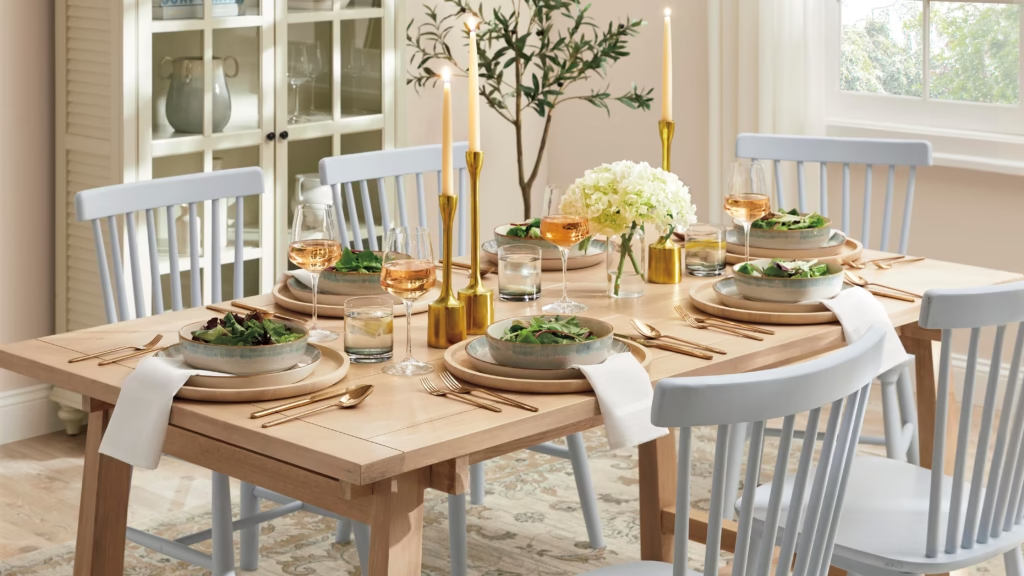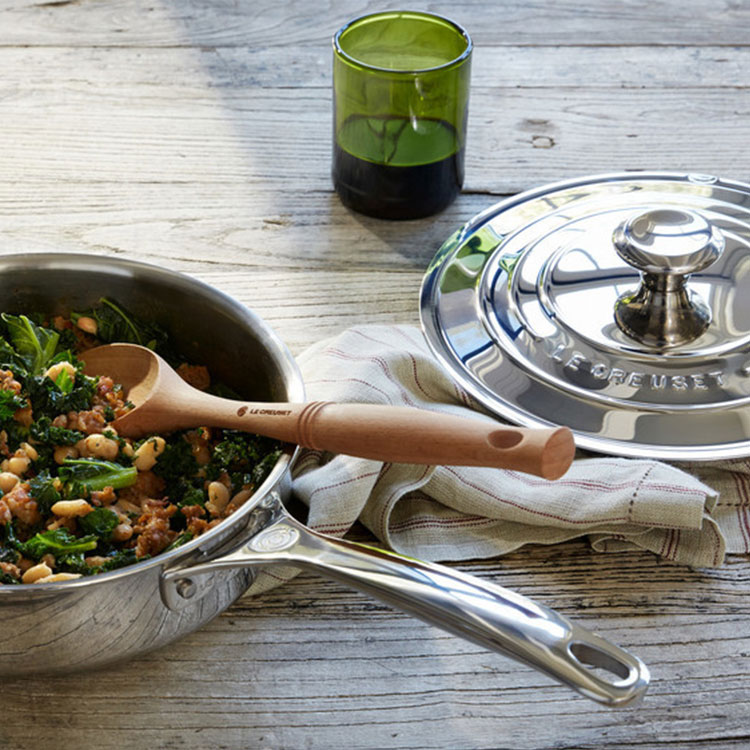
The kitchen and dining area form the center of daily life in most homes. It’s where creativity meets nourishment — where ingredients, tools, and techniques come together to create meals that bring people closer. Among the many elements that make up this space, kitchen tools and gadgets are the unsung heroes.
From a simple peeler to a digital thermometer, these items enhance efficiency, precision, and comfort in every culinary task. They also reflect how design, functionality, and innovation evolve in modern kitchens. This guide explores the importance, types, and benefits of essential kitchen tools and gadgets, while providing insights into choosing, maintaining, and integrating them seamlessly into today’s kitchen & dining spaces.
The Evolving Role of Kitchen Tools and Gadgets
Over the decades, kitchen tools have transitioned from purely functional utensils to thoughtfully designed, ergonomic instruments. Today’s kitchens combine traditional craftsmanship with cutting-edge technology — making cooking faster, safer, and more enjoyable.
Whether it’s a chef’s knife, a garlic press, or a smart kitchen scale, each gadget serves a distinct purpose. Together, they transform the process of meal preparation from a chore into an art form.
Kitchen gadgets not only save time but also enhance consistency. For example, a digital measuring spoon ensures accuracy in recipes, while a multi-purpose food processor simplifies chopping, mixing, and kneading.
1. Understanding Kitchen Tools & Gadgets
In essence:
-
Kitchen tools refer to handheld or manual instruments used in cooking, cutting, measuring, and preparing food.
-
Kitchen gadgets are often small mechanical or electronic devices designed to simplify specific culinary tasks.
Both categories overlap and collectively contribute to the functionality and character of a kitchen.
Why Kitchen Tools Matter
-
Efficiency:
Good tools minimize effort and save time. -
Safety:
Well-designed knives, peelers, and slicers reduce the risk of accidents. -
Consistency:
Measuring cups, timers, and thermometers ensure recipes turn out the same every time. -
Comfort:
Ergonomic handles, balanced weights, and intuitive designs reduce strain. -
Aesthetic Value:
Modern kitchen tools often double as décor pieces, complementing the dining area’s style.
2. Essential Kitchen Tools for Everyday Cooking
A well-equipped kitchen doesn’t need hundreds of gadgets — just a reliable selection of versatile, durable tools that suit your cooking style. Below are key categories:
Cutting and Preparation Tools
-
Chef’s Knife:
The most important tool in any kitchen. Ideal for slicing, chopping, and mincing vegetables, fruits, and meats. -
Paring Knife:
Smaller blade for delicate tasks like peeling and trimming. -
Cutting Boards:
Wooden or plastic boards provide stable surfaces and protect countertops. -
Peelers and Graters:
Streamline tasks such as peeling potatoes or grating cheese and zest. -
Kitchen Shears:
Useful for trimming herbs, cutting poultry, or opening packages. -
Mandoline Slicer:
Ensures uniform slices for salads and garnishes.
Measuring and Mixing Tools
-
Measuring Cups and Spoons:
Fundamental for accurate ingredient portions — crucial in baking and precise cooking. -
Mixing Bowls:
Stainless steel, glass, or silicone bowls for combining ingredients. -
Whisks and Spatulas:
Whisks aerate mixtures, while spatulas fold and scrape batters efficiently. -
Kitchen Scales:
Provide accurate weight measurements, especially for baking recipes. -
Measuring Jugs:
Useful for liquids, featuring graduated markings for easy reading.
Cooking Tools
-
Pots and Pans:
Core of cooking — available in non-stick, stainless steel, or cast iron varieties. -
Tongs and Ladles:
Essential for turning, serving, or stirring dishes while maintaining hygiene. -
Spatulas, Slotted Spoons, and Turners:
Help in flipping, draining, and sautéing foods efficiently. -
Colanders and Strainers:
Drain pasta, rinse vegetables, or sift dry ingredients. -
Thermometers:
Ensure precise internal temperatures for meats and baked goods. -
Timers:
Help monitor cooking durations to prevent overcooking or burning.
Storage and Organization Tools
-
Food Containers:
Airtight storage prolongs freshness and prevents odor mixing. -
Jar Openers and Can Openers:
Assist with tightly sealed or difficult-to-open packages. -
Spice Racks and Organizers:
Keep ingredients accessible while maintaining an orderly kitchen. -
Reusable Bags:
Eco-friendly storage for snacks, produce, or leftovers.
3. Smart Kitchen Gadgets: The Future of Culinary Efficiency
Technology has revolutionized kitchens. Smart devices bring precision, automation, and connectivity, making cooking simpler and more efficient.
Examples of Smart Kitchen Gadgets
-
Smart Scales:
Connect to mobile apps for portion tracking and nutritional analysis. -
Digital Food Thermometers:
Provide accurate temperature readings within seconds. -
Automatic Stirring Gadgets:
Keep sauces or soups perfectly mixed while you multitask. -
Electric Choppers and Grinders:
Speed up meal prep without compromising texture. -
Smart Coffee Makers and Kettles:
Controlled through apps or voice assistants for convenience. -
Compact Air Fryers and Multi-Cookers:
Combine frying, baking, roasting, and steaming functions. -
Vacuum Sealers:
Extend food shelf life and preserve freshness.
Benefits of Smart Kitchen Gadgets
-
Time Efficiency: Automate repetitive tasks.
-
Energy Savings: Many devices are optimized for low energy use.
-
Precision: Maintain consistent results every time.
-
Integration: Some sync with voice assistants like Alexa or Google Home.
-
Sustainability: Reduce waste through portion control and better food preservation.
4. Selecting the Right Tools and Gadgets
Choosing suitable kitchen equipment requires thoughtful consideration of function, space, and personal preferences.
Key Factors to Consider
-
Functionality:
Select multi-purpose tools to save space and cost. -
Material Quality:
Stainless steel, silicone, and bamboo offer durability and safety. -
Ergonomic Design:
Comfortable handles and stable grips reduce fatigue. -
Ease of Cleaning:
Dishwasher-safe and non-stick surfaces minimize maintenance. -
Storage Space:
Compact, stackable items suit smaller kitchens. -
Safety Features:
Non-slip bases, heat-resistant materials, and child-safe locks are essential. -
Sustainability:
Choose reusable and eco-friendly materials like glass, metal, or bamboo over plastic.
5. Organization and Efficiency in the Kitchen
Even with high-quality tools, disorganization can slow down cooking. Effective kitchen organization is key to maintaining workflow.
Organization Tips
-
Group tools by function — knives together, baking tools in one drawer.
-
Use wall hooks, magnetic strips, or hanging racks for easy access.
-
Label storage jars for quick identification.
-
Keep frequently used gadgets within reach.
-
Invest in drawer inserts or utensil caddies.
Efficient organization enhances not only productivity but also the visual appeal of a kitchen and dining environment.
6. Kitchen Safety and Maintenance
Kitchen tools must be used safely and maintained properly to ensure longevity and hygiene.
Safety Practices
-
Keep knives sharp — dull blades are more dangerous.
-
Use chopping boards with non-slip bases.
-
Avoid overcrowding electrical outlets for gadgets.
-
Store sharp tools separately or in protective sheaths.
-
Clean tools immediately after use to prevent bacterial buildup.
Maintenance Tips
-
Follow manufacturer instructions for care and cleaning.
-
Replace worn-out silicone or rubber parts periodically.
-
Dry tools thoroughly before storing to prevent rust.
-
Calibrate digital gadgets regularly for accurate readings.
Proper care maintains both safety and performance of your kitchen tools.
7. Sustainable Kitchen Practices
Modern kitchens increasingly focus on sustainability — choosing eco-friendly gadgets and reusable tools to minimize environmental impact.
Sustainable Kitchen Ideas
-
Opt for bamboo or wooden utensils instead of plastic.
-
Use glass or stainless-steel containers for storage.
-
Replace disposable items with reusable silicone baking mats or cloth napkins.
-
Choose energy-efficient appliances and gadgets.
-
Compost food waste where possible.
These small shifts promote a greener kitchen while maintaining functionality and style.
8. The Connection Between Kitchen & Dining
While the kitchen focuses on preparation, the dining area emphasizes presentation and experience. The right tools bridge these two spaces, ensuring smooth transitions from cooking to serving.
-
Elegant utensils and serveware enhance the aesthetic value of dining.
-
Smart gadgets simplify last-minute food adjustments or reheating.
-
Coordinated materials (like stainless steel or ceramic) create visual harmony.
Together, kitchen tools and dining accessories transform everyday meals into enjoyable rituals.
9. Emerging Trends in Kitchen Tools & Gadgets
1. Multi-Functionality
Modern tools combine multiple functions — for example, a blender that doubles as a food processor.
2. Compact and Portable Designs
Urban homes favor space-saving gadgets that fit smaller kitchens.
3. Smart Integration
IoT-enabled devices sync with mobile apps for guided recipes and timers.
4. Minimalist Aesthetics
Neutral colors, clean lines, and clutter-free counters define current trends.
5. Sustainable Materials
Manufacturers are focusing on recycled metals, bioplastics, and bamboo.
6. User-Centric Design
Focus on ergonomics and accessibility for all age groups.
These innovations reflect how technology, sustainability, and user convenience are shaping the future of kitchen & dining environments.
10. The Psychological Value of Well-Equipped Kitchens
A functional kitchen does more than facilitate cooking — it fosters creativity, relaxation, and social connection.
Studies in interior psychology show that organized, well-lit, and efficient kitchens contribute to a sense of control and satisfaction.
Cooking becomes a mindful activity when tools are intuitive and accessible.
Kitchen gadgets, from simple peelers to smart devices, support this balance — helping individuals express creativity without frustration.
11. How to Maintain Minimalism Amid Tools and Gadgets
Even though new gadgets enter the market frequently, not every tool is essential. A minimalist approach keeps your kitchen functional and clutter-free.
Tips:
-
Keep only tools used weekly.
-
Donate duplicates or unused gadgets.
-
Invest in versatile equipment.
-
Regularly declutter drawers and shelves.
A minimalist kitchen encourages mindful cooking and easier maintenance.
12. The Future of Kitchen & Dining Spaces
The modern kitchen is no longer isolated — it connects with the dining area, living room, and digital world.
Future trends include:
-
Smart kitchens integrated with home ecosystems.
-
Energy-monitoring gadgets for eco-efficiency.
-
Modular tool designs adaptable to evolving lifestyles.
-
Personalized devices catering to dietary or nutritional goals.
As technology advances, kitchens will continue to blend function, sustainability, and emotion — redefining what it means to cook and dine.
Conclusion: The Harmony of Tools, Technology, and Taste
The Kitchen & Dining space is a microcosm of daily living — practical yet creative, structured yet expressive. Within it, kitchen tools and gadgets form the backbone of efficiency and artistry.
From classic utensils that embody tradition to smart devices that represent innovation, each item contributes to the flow, rhythm, and pleasure of cooking. The key lies in balance: choosing tools that simplify without overwhelming, gadgets that enhance without replacing skill.
A thoughtfully equipped kitchen not only saves time but also nurtures well-being — turning cooking from routine into ritual. In the heart of every home, kitchen tools and gadgets remain indispensable companions, shaping the way we prepare, share, and savor food in the modern world.