The kitchen and dining area form the heart of every home — where meals are prepared, shared, and remembered. These spaces go beyond their functional roles; they express lifestyle, culture, and creativity. From cookware and bakeware that help you craft delicious dishes to dinnerware and serveware that enhance presentation, the right kitchen and dining essentials bring comfort, style, and efficiency to daily life.
In this detailed guide, we’ll explore how each category — cookware, bakeware, dinnerware, and serveware — contributes to a well-designed and practical kitchen-dining experience. You’ll also discover tips on selection, usage, and care, along with emerging trends in modern kitchen design and culinary tools.
The Essence of Kitchen & Dining
A well-equipped kitchen and thoughtfully arranged dining area are integral to both functionality and aesthetic appeal. The kitchen is where raw ingredients transform into nourishing meals, while the dining space becomes a setting for connection, conversation, and celebration.
When these two areas complement each other — through thoughtful lighting, organized layouts, and matching cookware and tableware — they elevate the overall home atmosphere.
1. Cookware & Bakeware: Foundations of Every Kitchen
Understanding Cookware
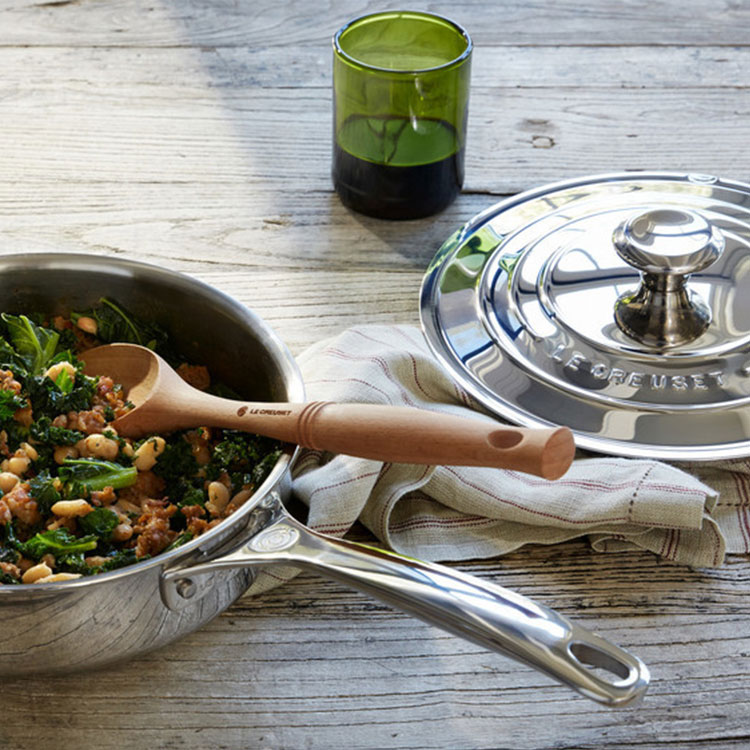
Cookware refers to utensils and vessels used for cooking food on stoves or induction cooktops. This includes pots, pans, skillets, and saucepans, each serving specific culinary functions.
Modern cookware combines efficiency, durability, and design to enhance cooking performance. Whether it’s stainless steel for longevity, cast iron for heat retention, or non-stick coatings for easy cleaning, each material has its benefits.
Common Types of Cookware
-
Frying Pans / Skillets
Ideal for sautéing, searing, and frying. -
Saucepans
Used for boiling, simmering, or making sauces. Often equipped with lids to trap heat. -
Stockpots
Deep, large pots designed for soups, stews, and pasta. -
Casserole Dishes
Perfect for slow cooking and oven use. -
Woks
A staple in Asian cooking, woks allow stir-frying, steaming, and deep frying with minimal oil. -
Pressure Cookers and Dutch Ovens
Known for versatility — ideal for stews, curries, and braised dishes.
Cookware Materials and Their Benefits
-
Stainless Steel:
Durable, rust-resistant, and non-reactive — great for all-purpose cooking. -
Cast Iron:
Retains heat evenly; perfect for slow cooking and frying. -
Non-Stick (Teflon or Ceramic):
Reduces oil usage and simplifies cleanup. -
Aluminum:
Lightweight and conducts heat efficiently. -
Copper:
Offers precise temperature control but requires maintenance.
Each material serves different cooking styles, so a balanced mix is ideal for a functional kitchen.
Choosing the Right Cookware
When selecting cookware, consider:
-
Cooking Style: A home chef who bakes often may need casserole dishes, while a stir-fry enthusiast benefits from a wok.
-
Heat Source Compatibility: Ensure the cookware matches your cooktop (gas, induction, or electric).
-
Ease of Cleaning: Non-stick surfaces and dishwasher-safe materials reduce maintenance.
-
Durability: Invest in long-lasting materials like stainless steel or cast iron.
Bakeware: Precision Meets Creativity
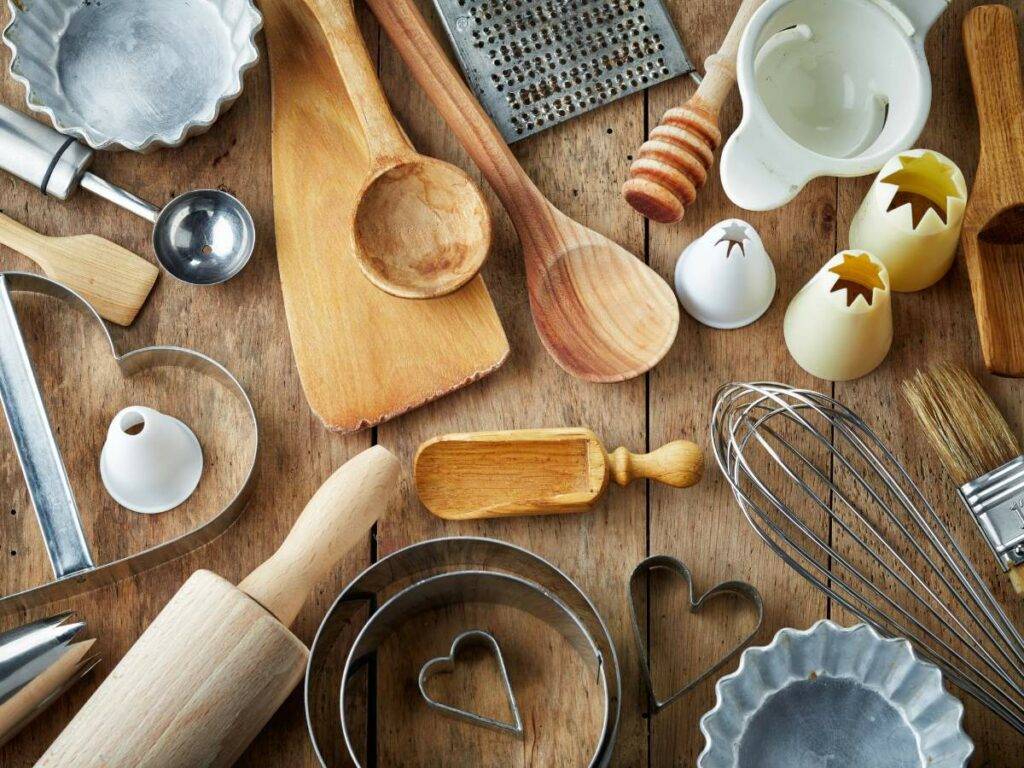
Bakeware includes all utensils designed for oven cooking — from bread pans to muffin trays. It blends science with art, allowing precise heat control for pastries, cakes, and savory bakes.
Baking requires consistency, and quality bakeware ensures even heat distribution and smooth results.
Types of Bakeware
-
Baking Sheets and Trays
Flat sheets used for cookies, pastries, and roasted vegetables. -
Cake Pans
Available in round, square, or bundt shapes for versatile desserts. -
Muffin and Cupcake Pans
Essential for making small individual bakes. -
Loaf Pans
Used for bread, banana loaves, and pound cakes. -
Pie Dishes and Tart Pans
Typically ceramic or glass, ensuring crisp crusts and even browning. -
Casserole and Roasting Dishes
Dual-purpose items suitable for oven-to-table serving.
Bakeware Materials
-
Aluminum: Heats quickly and evenly, reducing baking time.
-
Silicone: Flexible and non-stick, ideal for muffins and molded desserts.
-
Glass: Allows visibility and retains heat longer.
-
Ceramic: Offers aesthetic appeal and durability.
-
Carbon Steel: Common in professional baking due to strength and performance.
Tips for Choosing Bakeware
-
Select non-stick coatings for easy food release.
-
Choose light-colored pans to prevent over-browning.
-
Ensure oven safety and temperature resistance.
-
Consider storage compatibility — stackable sets save space.
Bakeware is not just a tool — it’s an extension of the baker’s skill, precision, and creativity.
2. Dinnerware & Serveware: Enhancing Dining Experiences
Once the food is prepared, the focus shifts to presentation and service. The right dinnerware and serveware elevate a meal’s visual and sensory experience, turning everyday dining into something memorable.
These elements influence not only aesthetics but also the ambiance and functionality of dining spaces.
Dinnerware: The Art of Presentation
Dinnerware refers to the dishes used to serve individual portions of food — plates, bowls, cups, and saucers. It’s the foundation of table setting and reflects the personality of the home or host.
From elegant porcelain sets to rustic stoneware, each choice tells a story about taste and culture.
Types of Dinnerware
-
Plates
-
Dinner plates: The main dish vessel.
-
Salad plates: Smaller, ideal for appetizers or desserts.
-
Side plates: For bread or small accompaniments.
-
-
Bowls
Used for soups, pasta, cereals, and curries. Available in deep, shallow, or coupe styles. -
Cups and Saucers
Essential for tea or coffee service. -
Charger Plates
Decorative bases that enhance formal table settings. -
Dinner Sets
Coordinated collections combining plates, bowls, and cups.
Dinnerware Materials
-
Porcelain: Smooth, durable, and ideal for formal settings.
-
Stoneware: Offers rustic charm with a handmade feel.
-
Bone China: Lightweight yet elegant — perfect for refined dining.
-
Melamine: Practical for casual or outdoor meals due to durability.
-
Glass: Modern and minimal, easy to match with various themes.
Each material has unique characteristics suited to different occasions — from casual breakfasts to formal dinners.
How to Choose the Perfect Dinnerware
-
Lifestyle Match: Busy families benefit from durable, dishwasher-safe materials.
-
Design Consistency: Choose colors and patterns that coordinate with your dining décor.
-
Quantity and Versatility: Sets with multiple sizes accommodate various cuisines.
-
Maintenance: Ensure pieces are chip-resistant and easy to clean.
Serveware: Function Meets Hospitality
Serveware refers to larger items used for presenting and serving food — such as platters, serving bowls, trays, pitchers, and gravy boats. It bridges the kitchen and dining table, enhancing both practicality and visual appeal.
Well-chosen serveware ensures organized, elegant presentation — especially for gatherings, buffets, and family meals.
Types of Serveware
-
Serving Bowls and Platters
Used for main courses, salads, or appetizers. -
Trays
Multipurpose items for serving snacks, beverages, or breakfast in bed. -
Gravy Boats and Sauce Pots
Allow easy serving of sauces and gravies without spills. -
Pitchers and Carafes
Ideal for water, juice, or infused beverages. -
Bread Baskets and Condiment Sets
Add functionality and elegance to table settings. -
Casserole Dishes (Oven-to-Table Serveware)
Combine cooking and presentation seamlessly.
Serveware Materials
-
Ceramic and Porcelain: Durable and timeless.
-
Glass and Crystal: Enhance sophistication for formal dining.
-
Wood and Bamboo: Eco-friendly and natural options.
-
Metal (Stainless Steel, Brass): Excellent for both modern and traditional dining.
Serveware balances utility, design, and hospitality, reflecting attention to detail in presentation.
3. Styling the Kitchen & Dining Area
A coordinated kitchen and dining space enhances both efficiency and atmosphere. Here are some professional tips to blend functionality with design:
1. Harmonize Materials and Colors
Choose cookware, dinnerware, and serveware that complement each other. For instance, white porcelain plates pair beautifully with stainless steel cookware and wooden serve trays.
2. Open Storage Displays
Showcase elegant dishes or colorful cookware on open shelves for a warm, lived-in feel.
3. Lighting Matters
Combine ambient and task lighting — pendant lights over the dining table and under-cabinet lights in the kitchen — for both mood and utility.
4. Smart Organization
Drawer dividers, hanging racks, and labeled jars enhance accessibility and maintain a clean aesthetic.
5. Functional Décor
Use cutting boards, spice racks, and ceramic jars that serve both practical and decorative purposes.
4. Modern Trends in Kitchen & Dining Design
The world of kitchen and dining evolves constantly, driven by lifestyle changes, sustainability goals, and technology.
Key Trends Include:
-
Minimalist Aesthetics – Clean lines, neutral tones, and clutter-free spaces.
-
Sustainable Materials – Eco-friendly cookware and bamboo serveware gaining popularity.
-
Smart Cookware – Temperature-sensing pans and app-connected bakeware.
-
Mixed Textures – Combining ceramics, wood, and metals for dynamic visual appeal.
-
Open-Concept Dining – Seamless flow between kitchen and dining zones for modern homes.
5. Care and Maintenance of Kitchen & Dining Essentials
Proper maintenance extends the life and quality of kitchen and dining items.
For Cookware:
-
Avoid metal utensils on non-stick surfaces.
-
Season cast iron regularly.
-
Clean stainless steel with mild detergent and soft cloths.
For Bakeware:
-
Line trays with parchment paper to protect surfaces.
-
Store in dry conditions to prevent rusting.
For Dinnerware:
-
Avoid abrupt temperature changes that may cause cracking.
-
Use non-abrasive sponges for cleaning.
For Serveware:
-
Polish metal and wooden pieces occasionally to retain shine.
-
Keep ceramic and glass items stored with protective padding.
These habits preserve both performance and appearance over time.
6. The Role of Table Setting in Dining Experience
Table setting blends etiquette and aesthetics. It reflects the care and thoughtfulness of the host while enhancing the dining experience.
Elements of a Well-Set Table
-
Dinnerware arrangement: Plate at the center, napkin folded neatly.
-
Glassware: Placed above the knives.
-
Cutlery order: From the outside in, based on dining sequence.
-
Serveware placement: Within easy reach, without clutter.
A balanced setting combines functionality with elegance — suitable for daily meals and special occasions alike.
7. The Cultural and Emotional Value of Kitchen & Dining
Beyond design, the kitchen and dining area carry deep emotional and cultural meaning.
In every culture, the act of preparing and sharing food symbolizes togetherness and hospitality. Family recipes, weekend dinners, and festive feasts are woven into the rhythm of home life.
Modern homes continue to honor this tradition — using well-designed cookware and serveware to preserve the art of communal dining.
8. Sustainability and Conscious Choices
As awareness grows about environmental impact, sustainable choices in the kitchen and dining space become essential.
Eco-Conscious Practices:
-
Opt for reusable containers and recycled materials.
-
Use energy-efficient cookware compatible with induction cooktops.
-
Support brands with ethical sourcing.
-
Choose durable tableware over disposable options.
Such practices ensure a responsible yet stylish kitchen-dining lifestyle.
Final Thoughts: Harmony of Function and Aesthetics
The Kitchen & Dining experience is an art of balance — between function and aesthetics, tradition and modernity, simplicity and sophistication.
Cookware and bakeware empower the cooking process, while dinnerware and serveware enhance the presentation and hospitality. Together, they create a seamless culinary environment where utility meets beauty.
By choosing durable, well-designed, and sustainable products, every meal becomes not just nourishment but an experience — a reflection of care, creativity, and connection shared around the table.